REVIEW · NARA
Nara: Cultural Heritage Tour by Rickshaw
Book on GetYourGuide →Operated by Ebisuya Rickshaw · Bookable on GetYourGuide
A Nara rickshaw tour keeps your pace human. It’s a private, fully customizable ride that puts you close to major sights without spending your day fighting crowds. I like the way the tour is structured around real landmarks, starting right by Todaiji and building from there into whatever you’re most curious about.
Two things I especially enjoy: the deer-biscuit moment (with a clear safety note about where deer can get bold), and the guide-led explanations that turn famous buildings into something you can actually picture and understand. One consideration: temple admission fees aren’t included, so your total day cost can be a bit higher than the tour price alone.
In This Review
- Key things to know before you book
- Why a private rickshaw in Nara feels like the right speed
- Meeting by Todaiji: how the tour starts and what you can customize
- 70 minutes option: Mt. Wakakusa grass slopes and gentle Nara deer
- 130 minutes option: Unkei Buddhist statues at Kofukuji and Todaiji
- 190 minutes option: World Heritage temples, Naramachi streets, and sake
- How the photo stops work (and how to get better results)
- Price value: what $77 covers and what costs extra
- Practical comfort notes: rickshaw width, back limits, and who this suits
- Who will love this tour most (and who might look elsewhere)
- Should you book this Nara cultural heritage rickshaw tour?
- FAQ
- How long are the different tour options?
- Where is the meeting point?
- Is this a private tour?
- Are temple admission fees included?
- Can I feed the deer?
- What languages are offered?
- Is the rickshaw tour wheelchair- and stroller-friendly?
- Is there a limit on how many people can ride?
Key things to know before you book
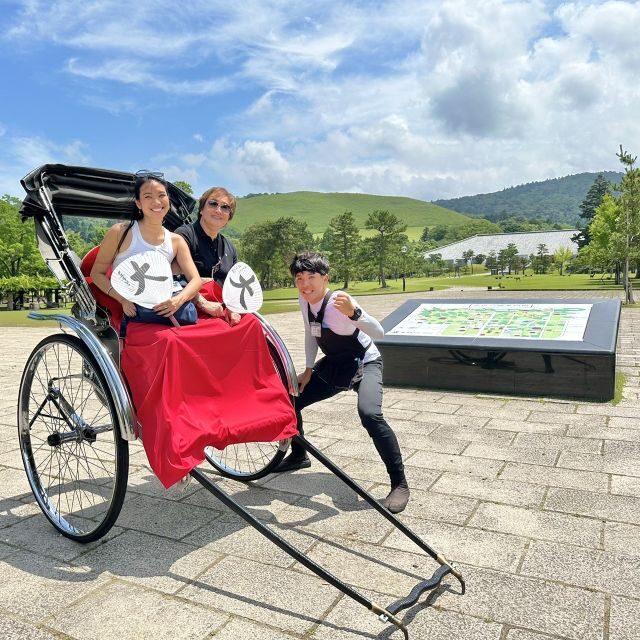
- Private rickshaw, not a group bus: you get a tailored route and the freedom to spend more or less time where it matters most.
- Todaiji as the starting anchor: you begin just outside the intersection near the temple, home to the Daibutsu (Vairocana), the world’s largest bronze Buddha statue.
- Deer biscuits are part of the experience: they provide biscuits, and your guide distinguishes the calmer deer spots from the more aggressive ones.
- Pick your length and focus: 70 minutes for Mt. Wakakusa, 130 minutes for Unkei statues, or 190 minutes for World Heritage plus sake.
- Photo stops are built in: you’ll pause at Instagrammable spots rather than just rolling past them.
- You control the finish: the tour generally ends where it starts, but the endpoint can be customized with your guide.
Why a private rickshaw in Nara feels like the right speed
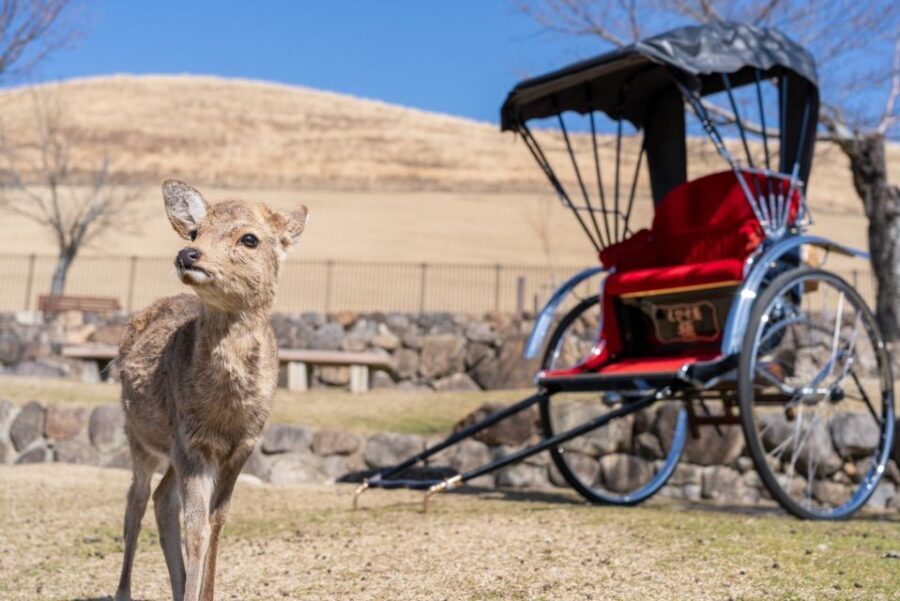
Nara is famous for temples, shrines, and deer. The city is also famous for being busy, especially around the big-ticket landmarks. A rickshaw is a practical solution because it slows you down in the good way: you can look, ask questions, take photos, and still cover a sensible amount of ground.
I like that this is a private tour, meaning your guide can match the pacing to your energy level and your interests. Want more time at a single gate or hall? You can usually do that. Want to move on quickly because your legs are feeling it? Same deal. And because it’s rickshaw travel, you get a different viewpoint than walking long distances or squeezing onto public transit.
The vibe also feels more personal. You’re not just passively following a route; you’re riding with a local guide who is there to explain what you’re seeing in plain language, whether you’re a first-timer or returning for more depth.
You can also read our reviews of more historical tours in Nara

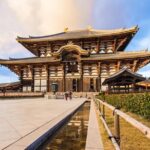
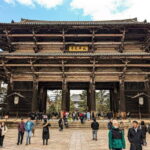
Meeting by Todaiji: how the tour starts and what you can customize
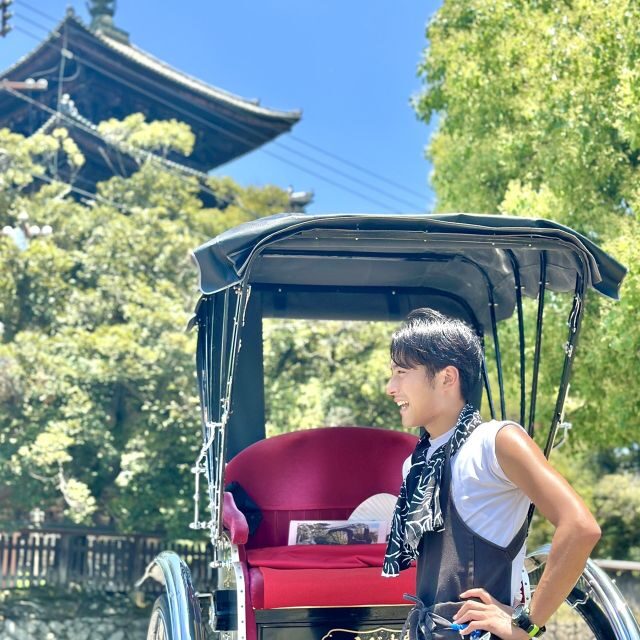
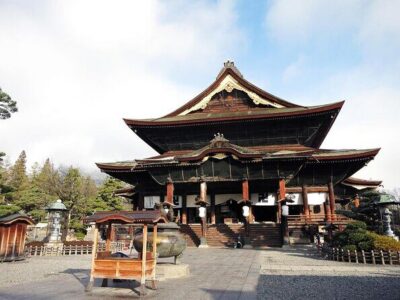
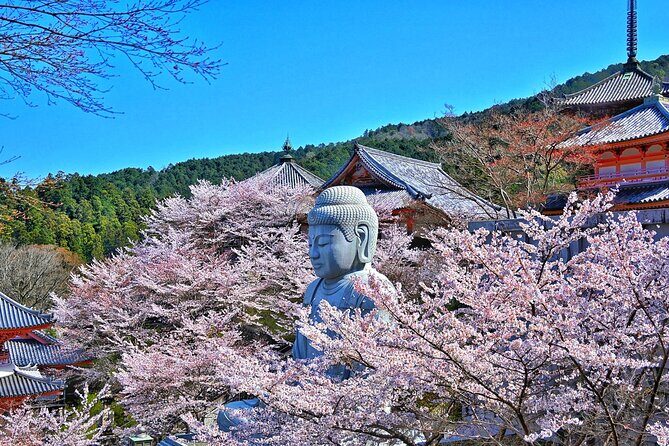
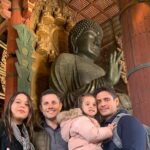
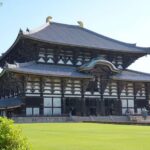
Your rickshaw and guide meet you just outside the intersection by Todaiji Temple. That matters, because Todaiji is one of the most important anchor points in Nara: it’s home to the giant bronze statue of Buddha Vairocana, known in Japanese as the Daibutsu. Even if you haven’t memorized the details yet, the start location gives you instant context: you’re in the middle of it.
From there, the tour gives you options. You can choose a 70-minute route, a 130-minute route, or a longer 190-minute version. The core promise is that the tour is customizable depending on what you want to see, and your guide knows the city well enough to adjust on the fly.
In practice, you’ll also get photo stops at points that are easy to appreciate visually. That’s a big deal because Nara’s highlights can be easy to miss if you’re rushing or trying to find the best angle on your own.
One small but important note: finishing location is generally the starting point, but it can be customized. If you’d rather end closer to another area you plan to explore after the tour, ask your guide directly. That kind of adjustment can save you time later.
70 minutes option: Mt. Wakakusa grass slopes and gentle Nara deer
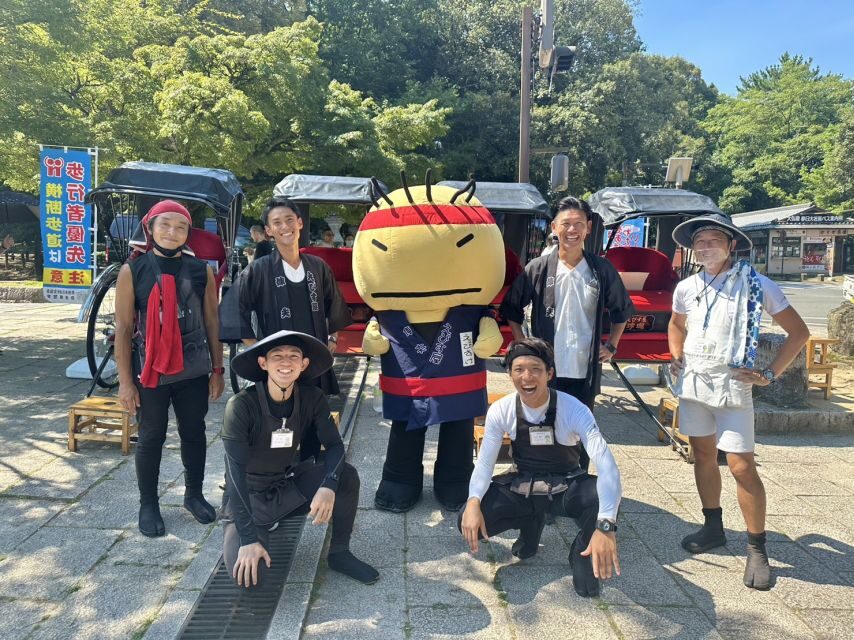
If you want Nara in a more relaxed, scenic mood, the 70-minute option is the one. This route shifts away from the densest historic core and heads to Mt. Wakakusa, a green, grass-covered area that looks extra dramatic on clear days. Your guide will help you make sense of what you’re seeing, and you may get views across Nara city when the weather allows.
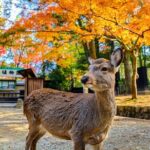
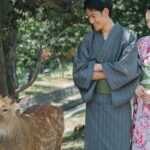
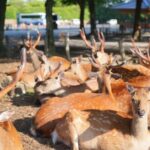
Then comes the highlight that turns a standard sightseeing loop into a memorable moment: feeding the deer. Deer biscuits are provided as part of the tour, so you don’t need to hunt for snacks or figure out etiquette on your own.
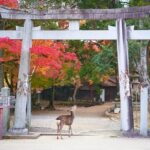
Here’s the practical detail that I really value: the deer at Mt. Wakakusa are described as gentle, while the deer around Todaiji Temple are described as ferocious. That doesn’t mean you should panic. It does mean you should follow your guide’s cues closely, especially when you’re holding biscuits. The tour setup helps you experience the deer without turning the whole outing into a chase.
What you should expect during this option
- A nature-and-views style ride: Mt. Wakakusa’s grassy slope is the main focus.
- Deer time with biscuits provided.
- A clear pacing of about 70 minutes, which is long enough to feel like you did something meaningful, but short enough to keep your day flexible.
Possible drawback
Since this option leans more toward views and deer than deep temple study, if you’re traveling specifically for ornate Buddhist sculpture and major hall interiors, you may prefer the 130-minute option.
130 minutes option: Unkei Buddhist statues at Kofukuji and Todaiji
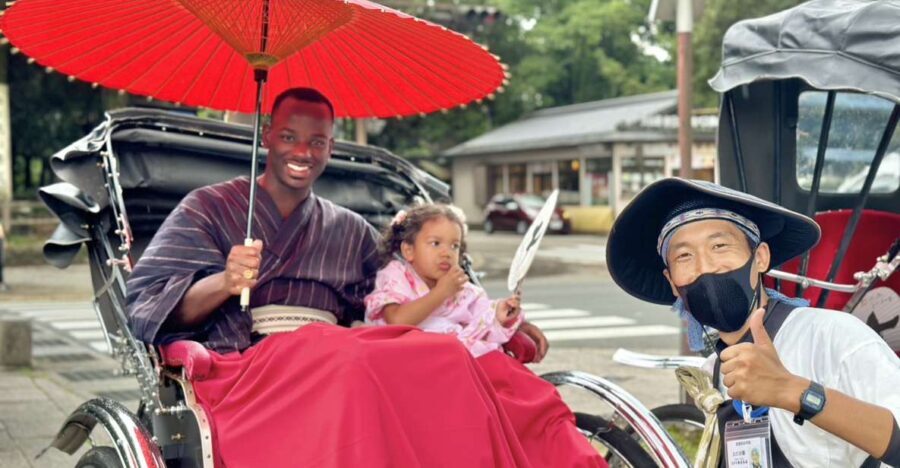
If your travel style includes looking closely and learning what you’re actually seeing, the 130-minute option is your best match. This is the Unkei Buddhist statue tour, built for people who care about Buddhist sculpture and want explanations that connect the artwork to Nara’s larger religious story.
You’ll visit major stops tied to sculpture appreciation, including the National Treasure Hall at Kofukuji Temple, plus Tokondo Hall and Chukondo Hall. Then the route brings you to Todaiji Temple’s Nandaimon Gate.
This is where a guide earns their keep. The tour isn’t just about seeing famous names; it’s about hearing detailed explanations from someone who knows the city and the statues. The information matters because Buddhist statues can look intimidating at first glance. A well-timed explanation turns them into something you can recognize and interpret—like noticing carved details, understanding why certain works are important, and learning how they fit into Nara’s culture.
Also, the tour is built around the idea of “must-see.” So if you’re the type who wants the major sculpture highlights without spending a half-day in research mode, this is efficient.
What you should expect during this option
- More focus on temples as art and architecture, not just photos.
- Stops at multiple specific halls within Kofukuji.
- A connection point at Todaiji with the Nandaimon Gate.
Good to know
Temple admission fees are not included, so if you plan to go into halls beyond outdoor viewing, you should budget a little extra. Your guide can help you make sense of what you’ll be able to see with your tickets.
190 minutes option: World Heritage temples, Naramachi streets, and sake
If you want one tour that feels like a mini-journey through Nara’s identity, the 190-minute option is it. This route is designed around Nara’s proud World Heritage Sites and layers in two experiences many people don’t plan carefully enough: old-town streets and sake tasting.
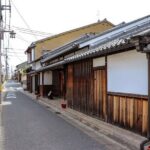
You’ll visit Todaiji Temple and Kasuga Taisha Shrine, plus ride through Naramachi, where older townscape remains. Naramachi is the kind of place where the details reward slow looking: the building lines, the street feel, and the way the neighborhood looks when you’re not just passing through on foot.
Then there’s sake, which becomes more than a sip if the brewery stop is part of your plan. The tour includes samples at a traditional sake brewery in Nara, described as the birthplace of Japanese sake. You can also purchase a bottle to take home, which makes this option practical if you like souvenirs that you’ll actually use.
What you should expect during this option
- Two major World Heritage temple/shrine anchors.
- A ride through Naramachi so you see Nara beyond temple grounds.
- A sake tasting component with the option to buy a bottle.
Possible drawback
It’s longer. If you’re traveling with limited energy or tight plans later, make sure you can handle a nearly 3.5-hour window. This option is ideal when you want a “one-and-done” Nara overview.

How the photo stops work (and how to get better results)
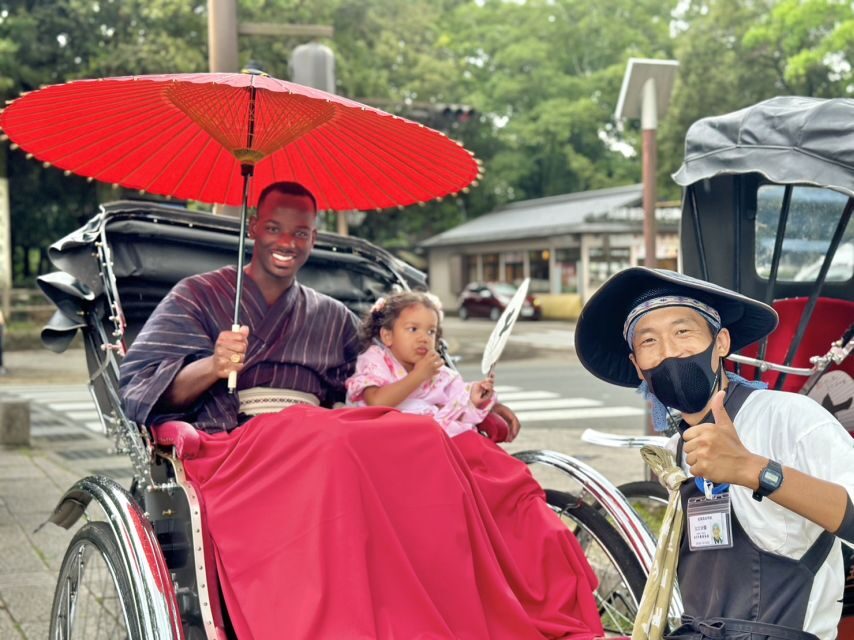
This tour includes photo stops at spots that are easy to appreciate visually. That’s helpful because Nara’s top sights can involve tight timing and crowds, and you don’t want to spend your tour time searching for the one angle that works.
I also like that the route is private, which makes photo stops less stressful. You’re not constantly waiting for the whole group to catch up.
A practical tip: if you care about specific photos—like a clear view of Todaiji’s main scale or a particular street angle in Naramachi—tell your guide at the start. The tour is designed to be customizable, so asking early improves your odds.
One more thing: selfie sticks aren’t allowed. Bring normal phone manners and let your guide help with positioning. It keeps the area safer for everyone, and it usually avoids delays.
Price value: what $77 covers and what costs extra
At about $77 per person, this isn’t a budget activity, but it can be good value when you think about what’s included.
What you do get:
- A private rickshaw ride
- A local guide who explains what you’re seeing (in Japanese and English)
- Photo stops at key points
- The ability to choose between 70, 130, and longer 190-minute versions
What can add cost:
- Admission fees to temples (not included)
- Snacks and drinks (not included)
- Hotel pickup (not included)
So the value is strongest if:
- You want a guided experience rather than self-guided walking
- You’d rather pay for comfort and clarity than trade time for directions and reading
- You plan to visit enough temple interiors or halls that admissions become worthwhile anyway
If you’re the type who mainly wants outdoor views and photos, you might find better value combining cheaper self-guided time with a shorter tour option (like the 70-minute route). If you care about statues and halls, the 130-minute focus helps you extract more meaning per minute.
And if you’re hungry for the full “Nara overview” plus streets plus sake, the 190-minute tour can be a smart bundle—because it stacks multiple experiences into one day plan.
Practical comfort notes: rickshaw width, back limits, and who this suits
Rickshaws are friendly for many travelers, but they’re not one-size-fits-all.
Here’s what you should plan for:
- Maximum of 2 adults per rickshaw.
- Up to 2 children under 5 can ride with 2 adults, and they ride on an adult’s lap.
- If a child who is 5 years old will use one of the 2 seats, they must book as an adult (full fare).
- The rickshaw is 21.1 inches (74 cm) wide, and while it can fit 2 adults, it might feel tight. If you want more room, booking individual rickshaws can be more comfortable.
Accessibility and health:
- Wheelchair- and stroller-friendly is noted, so you’re not automatically excluded if you travel with a device.
- It’s not recommended for expecting mothers in their first 16 weeks.
- It’s not suitable for pregnant women.
- People with back problems should avoid this option.
The best way to think about this: if you can sit comfortably and your back is fine, a rickshaw can be a pleasant, low-effort way to see Nara. If your body needs stability or you have limitations around sitting time, you should double-check with the operator and choose a route length that fits your needs.
Also, the tour works without hotel pickup, so be ready to start at the meeting point near Todaiji.
Who will love this tour most (and who might look elsewhere)
This is a strong fit if you want:
- A private guide with explanations, not just a ride
- A manageable Nara itinerary that doesn’t swallow your whole day
- Deer feeding with a guided approach and clear safety notes
- Temple time that matches your interest level, from views to sculpture to World Heritage
It’s especially compelling for couples, small families, and travelers who like architecture, religious art, or a structured “choose your focus” day.
You might look elsewhere if:
- You need a lot of mobility support and can’t sit comfortably for the tour duration.
- You’re sensitive to uneven comfort in narrow seating.
- You’re traveling with needs that conflict with the pregnancy/back-problem guidance.
Should you book this Nara cultural heritage rickshaw tour?
I’d book it if you want Nara without the stress. The biggest payoff is the combination of a private ride and real guide talk—plus the fact that you can pick your length and theme. If you do the 70-minute option, you get grass-and-deer energy. If you do 130 minutes, you get statue learning at Kofukuji and key Todaiji framing. If you do 190 minutes, you get World Heritage sights, old-town atmosphere in Naramachi, and sake tasting.
I would not book it expecting the cheapest day possible, because temple admissions and drinks/snacks can add up. Also, respect the “no selfie sticks” rule and follow your guide around deer, especially near Todaiji.
If your schedule is flexible and you want Nara to feel personal instead of rushed, this is one of the better ways to see the city.
FAQ
How long are the different tour options?
You can choose three options: 70 minutes, 130 minutes, and about 190 minutes, depending on the route you book.
Where is the meeting point?
You meet outside the intersection near Todaiji Temple. The exact meeting point may vary by option.
Is this a private tour?
Yes, it’s a private group rickshaw tour.
Are temple admission fees included?
No. Admission fees to temples are not included.
Can I feed the deer?
Yes. Deer biscuits are provided, and the tour includes deer feeding.
What languages are offered?
The live guide provides English and Japanese.
Is the rickshaw tour wheelchair- and stroller-friendly?
Yes, it’s listed as wheelchair- and stroller-friendly.
Is there a limit on how many people can ride?
Yes. A maximum of 2 adults per rickshaw is allowed, with children riding on adults’ laps under the stated age rules.