REVIEW · NARA
Osaka: Kyoto Highlights Tour and Pottery Workshop Experience
Book on GetYourGuide →Operated by Leda Japan · Bookable on GetYourGuide
Kyoto in one long day beats the line fatigue. This driver-guided Osaka-to-Kyoto day strings together big names like Kiyomizudera, Fushimi Inari, and a hands-on pottery session at the 150-year-old Zuiko-gama kiln. I like that you get real walking time at the torii gates (not just a quick stop), and I also like that the pottery is practical and skill-free, with different glaze choices so your souvenir actually feels personal.
The main trade-off is that it can feel more like coordinated transport than a deeply guided tour, and the language support may be more basic between stops—so you’ll want to pace yourself and plan for some self-guided wandering time.
In This Review
- Key things that make this tour worth your attention
- How the Osaka-to-Kyoto day trip really works
- 08:30 departure and the fast route to Kinkaku-ji (Golden Pavilion)
- Kiyomizu-dera area time: temples, views, and a lot of walking
- Zuiko-gama pottery workshop: make a Kyoto keepsake
- Sannenzaka/Ninenzaka, matcha snacks, and Gion/Yasaka Shrine time
- Fushimi Inari Taisha: the torii-gate walk you can actually enjoy
- Back to Osaka by 17:10: Shinsaibashi for dinner and shopping
- Price and value: what $116 includes (and where extra costs show up)
- Best for, not for: who this tour matches
- A few logistics and culture tips that make the day smoother
- Should you book this Osaka to Kyoto highlights tour with pottery?
- FAQ
- What is the meeting point for the tour?
- Does the tour include entry tickets for Kinkaku-ji and Kiyomizudera?
- Is lunch included?
- What pottery supplies or costs are included?
- Can I request hotel pickup?
- Are food and drinks allowed on the vehicle?
Key things that make this tour worth your attention
- UNESCO power stops: Kinkaku-ji and Kiyomizudera in one day without the stress of arranging transit.
- Fushimi Inari’s torii walk: time to move through the red gate corridor, not just pose-and-go.
- Zuiko-gama pottery wheel session: a structured, beginner-friendly make-your-own moment at a 150-year-old kiln.
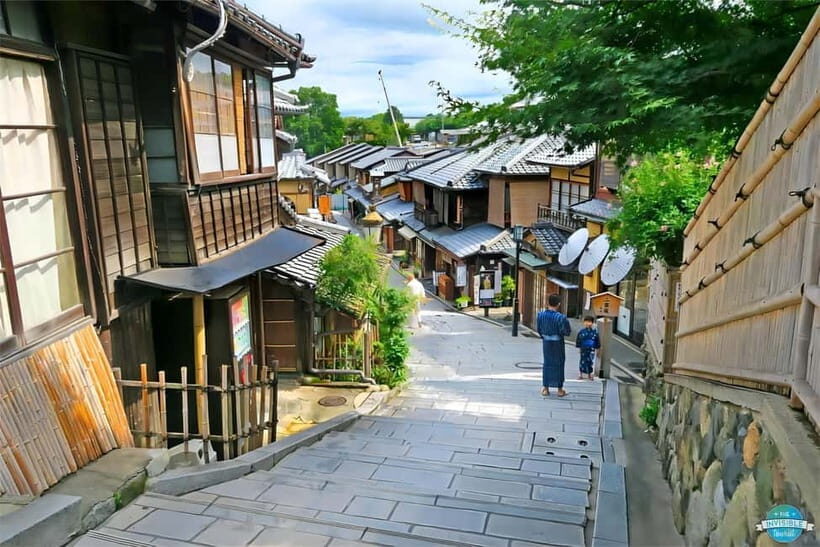
- Sannenzaka/Ninenzaka lane time + Gion: traditional-street strolling breaks up the temple-heavy schedule.
- Down-to-earth Osaka drop-off: Shinsaibashi/Dotonbori-friendly timing for dinner or shopping.
- A shared-day format: a lot gets packed in, so you’ll feel the pace—especially during peak season.
How the Osaka-to-Kyoto day trip really works
This is a driver-guided share tour run from Osaka, meaning your driver handles the transportation and your guide focuses on basics: introductions in Chinese/English/Japanese and time management. Think “smooth coordination” more than “storytelling tour.” If you’re the type who likes deep history, you can still do that—but you’ll usually need to add it on-site with licensed guides.
Logistics are straightforward. You depart at 08:30 and meet at Nipponbashi Exit 2 (1-chome-3-6 Nipponbashi, Chuo Ward). Your guide holds a yellow flag. If you’re doing pickup, it’s only for hotels/BnBs within the Osaka Loop Line, and the tour needs at least 2 people to run that service. Either way, arrive 10 minutes early so you don’t get stuck waiting.
The vehicle is an air-conditioned coach, but it’s still a shared bus. One thing I’d keep in mind: this style of tour relies on the schedule staying intact, and peak-season traffic can shift timing. The upside is convenience. The downside is that there’s less flexibility if you get pulled into slower queues or want extra time at one spot.
Also note a small but important rule: no food and drinks in the vehicle. I’d plan to snack either before departure or during the free time on the Kyoto side.
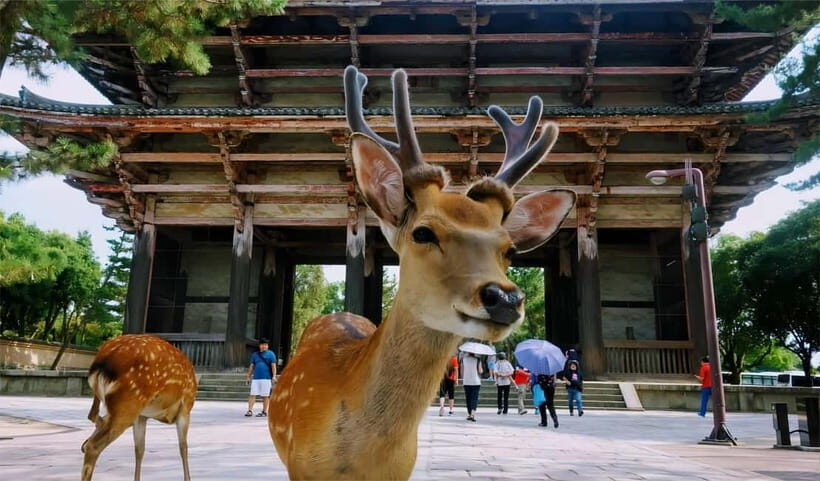
A few more Nara tours and experiences worth a look
08:30 departure and the fast route to Kinkaku-ji (Golden Pavilion)
After pickup/meet-up, you spend about 1 hour on the coach heading toward Kyoto. The first major stop is Kinkaku-ji (Golden Pavilion) with around 60 minutes allocated for photos and sightseeing.
Kinkaku-ji is one of those places where it’s worth even a short visit. The building’s gold-leaf look is instantly recognizable, and the gardens help make it feel peaceful even when it’s busy. Since the tour provides only a time window, you’ll get the best results by having a quick plan when you arrive:
- Use your first minutes to locate the main viewing spots for the pavilion.
- Then spend the rest of the hour on angles and garden perspectives.
- Keep an eye on your return time so you don’t feel rushed.
One cost detail matters for your budget: Kinkaku-ji tickets are not included. Adults are listed at JPY 500 and children JPY 300. This is typical for Japan day trips, but it’s good to have cash or a card ready.
Kiyomizu-dera area time: temples, views, and a lot of walking
After Kinkaku-ji, the tour continues with coach time and then lands you in the Kiyomizu-dera region. The schedule gives about 170 minutes for the broader Kiyomizu-dera area, with Kiyomizudera itself receiving about 2 hours for break time, photos, and free time.
Kiyomizudera is famous for the dramatic wooden stage and sweeping views over Kyoto. In practical terms, that means you’ll spend part of your visit moving between viewpoints, then part of it soaking in the atmosphere at the temple complex. If you like photos, this is a place where timing matters, since crowds can block certain angles. An easy strategy is to take a first set of photos, then come back later for a clearer view.
Entrance tickets are also not included here. Adults are listed at JPY 400 and children JPY 200. Like Kinkaku-ji, you’ll want to factor this into the real total cost.
One more planning note: the itinerary includes photo stops and walking segments through nearby streets later in the day, so don’t schedule anything tight immediately before or after your departure window. Kyoto’s sidewalks and shrine approaches can slow you down even when you’re moving fast.
Zuiko-gama pottery workshop: make a Kyoto keepsake
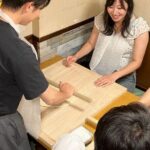
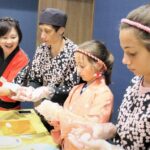
The star activity for a lot of people is the pottery workshop at the Zuiko-gama kiln (listed as a 150-year-old workshop). The session itself is about 40 minutes, and it’s structured so you can create your own piece with an electric wheel, even if you’ve never tried pottery before.
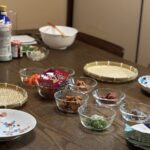
What makes this stop feel like more than a souvenir factory is that you get choices. You can select glazes (examples listed include white, lemon, and candy colors). Even if your technique is basic, your glaze choice changes the final look in a way that feels very personal.
Here’s what’s included vs not included:
- Included: the session entrance ticket (wheel use and guidance).
- Not included: shipping costs to your country, plus any customs taxes/import fees that may apply.
That last part is important. The tour may ship your finished piece, but you’re responsible for the shipping and any charges afterward. If you’re coming from far away or you’re buying more than one item, shipping costs can matter.
If you want to reduce stress, do two things:
- Ask what happens after your session while you’re there (how/when it’s fired and shipped).
- Choose a glaze you genuinely like, not just whatever looks fun in the moment.
If you’ve been collecting temple stamps and matcha packets all day, pottery gives you something you can actually hold for years.
Sannenzaka/Ninenzaka, matcha snacks, and Gion/Yasaka Shrine time
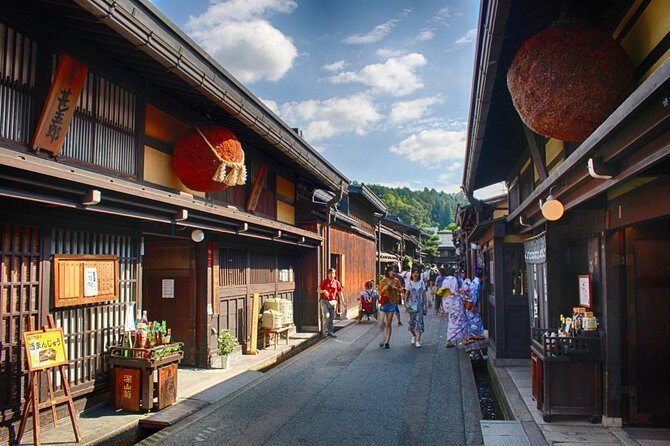
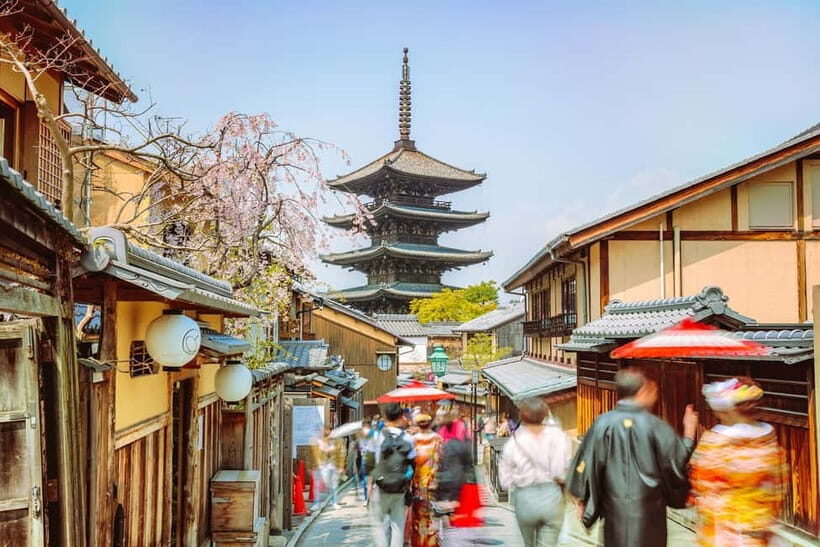
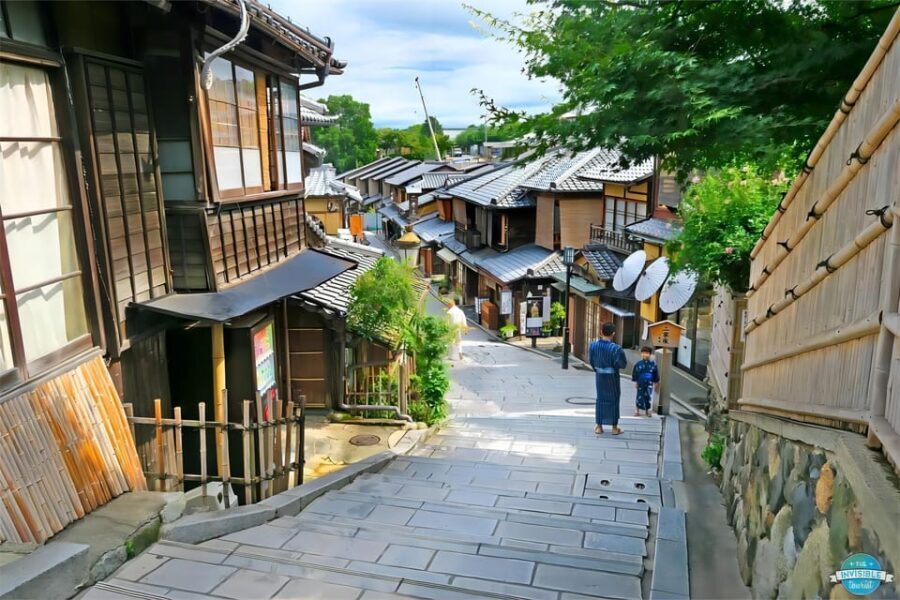
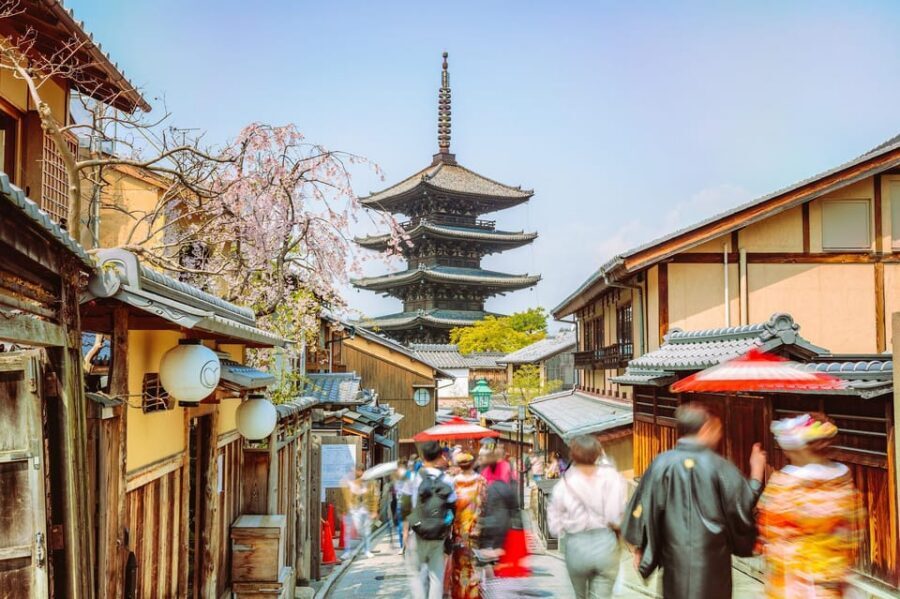
After the pottery session, you get time to wander through the traditional lanes around Sannenzaka and Ninenzaka, then continue to the Gion area (including time around Yasaka Shrine, as described in the tour experience). The streets here are where Kyoto goes from “big landmark day” to “everyday old Japan.”
Practically, you’ll have short pockets of free time rather than a long lecture. That’s good for people who like to explore at their own pace, browse small shops, and grab snacks. The tour description even points you toward things like matcha snacks and handmade crafts.
A useful way to enjoy this segment is to think of it as a reset. You’ve got temples and torii gates behind you (or coming soon), and the slopes of these streets give you a different kind of scenery. Wear shoes that handle uneven pavement and stairs, because you’ll walk more than you might expect in just 30–40 minutes of lane time.
Gion is quick here, with a photo stop plus a shorter window for sightseeing. You won’t have hours to linger, but you’ll get a taste of the district feel—especially if you time your strolling to catch the atmosphere near Yasaka Shrine.

Fushimi Inari Taisha: the torii-gate walk you can actually enjoy
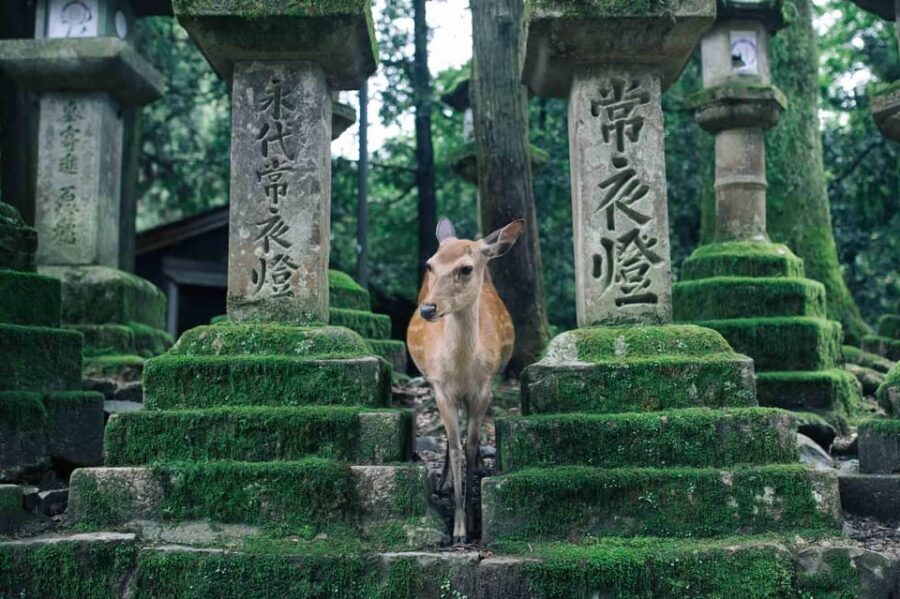
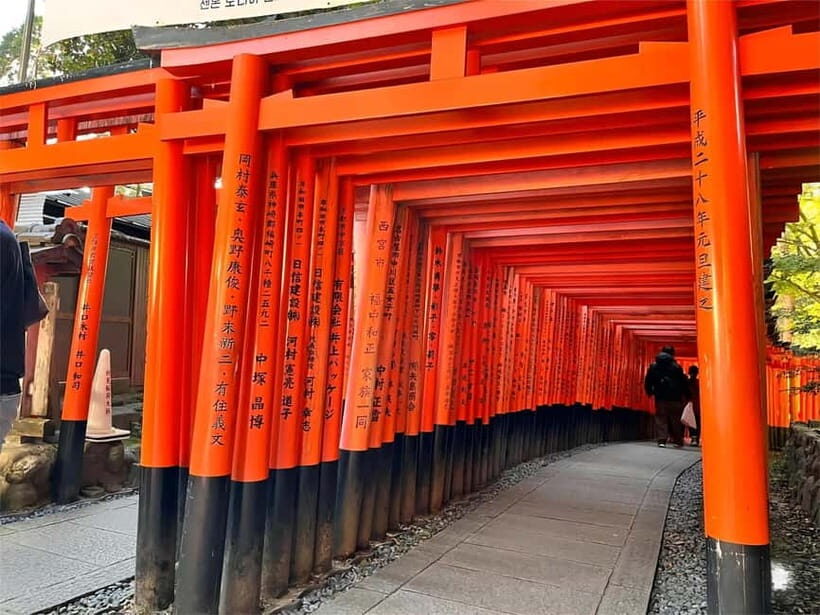
Next up is Fushimi Inari Taisha, with about 80 minutes for visiting and walking through the shrine approach. This is one of Kyoto’s most iconic sights, and with this schedule you get enough time to do more than the bare minimum.
You’ll walk the path lined with thousands of vermilion torii gates, and you’ll also get a chance to learn about the fox-deity symbolism and write wishes on fox-shaped ema plaques. That detail matters because it changes the walk from a sightseeing checklist into a more personal experience.
A practical heads-up: the shrine approach is not perfectly flat, and crowds can compress the flow. So if you want photos without constant bumping, aim for early moments in your window and keep your pace steady. If you’re traveling with family or want slower photos, it helps to decide ahead of time whether you want a short loop or to press further along the route.
Tickets for Fushimi Inari aren’t mentioned as included or excluded in the tour details you provided, so I’m not going to guess. I’d simply be ready with whatever payment options you normally use for temple/shrine entry or on-the-spot fees.
Back to Osaka by 17:10: Shinsaibashi for dinner and shopping
You return to Osaka around 17:10. The tour drop-off is in Shinsaibashi-suji, which is a great choice because it lands you right in the downtown flow for dinner, snacks, and shopping. If you’ve got energy left after a packed day, you can stretch the day out into the evening with a meal in the Dotonbori/Shinsaibashi area.
This timing is one of those small values that add up. Instead of getting back too late or too early, you’re usually close to prime evening hours.
Price and value: what $116 includes (and where extra costs show up)
At $116 per person for 10 hours, this tour is priced as a “pay for convenience” package. You’re buying roundtrip transport from Osaka, air-conditioned coach, and coordination by a multilingual guide and driver, plus toll and parking fees. The most expensive-to-organize part for many people is typically transportation plus getting into Kyoto efficiently without juggling train changes.
On top of that, you get the pottery workshop entrance ticket at Zuiko-gama. That’s a meaningful included activity because it’s not just a photo stop—you make something.
Where costs can rise:
- Lunch is not included (you get free time to eat).
- Kinkaku-ji ticket: adults JPY 500, children JPY 300.
- Kiyomizudera ticket: adults JPY 400, children JPY 200.
- Pottery shipping: shipping to your country and any customs/import fees are not included.
If you’re an adult paying both temple tickets, you’re looking at JPY 900 in temple entry fees on top of the base price (before counting pottery shipping). Add lunch however you like. For many people, this still feels like good value because the tour handles the heavy logistics and you don’t have to manage all the transit on your own.
The biggest thing to watch is your expectations for “guided.” This is more structured than pure DIY, but it’s not the same as hiring a licensed Kyoto specialist for every stop.
Best for, not for: who this tour matches
This tour fits best if you want a high-hit itinerary and you’re okay with a more basic, coordinated guide style.
You’ll likely enjoy it if:
- You want to cover Kinkaku-ji, Kiyomizudera, and Fushimi Inari in one day without transit planning.
- You’d like a pottery keepsake that doesn’t require experience.
- You don’t need a deep lecture on every historical detail and you’d rather enjoy the atmosphere and views.
You may not love it if:
- You’re expecting a highly interactive, story-heavy guide for every site.
- You strongly prefer lots of time at one place over short windows across many places.
- You rely on constant English narration; the tour’s communication may be more limited at certain moments.
And one more practical note: since this is a shared day trip, the coach setup can be tight. If you’re sensitive to cramped seating or long rides, factor that in.
A few logistics and culture tips that make the day smoother
Small things can protect your day from frustration:
- Arrive early at 08:30 meet-up. The yellow flag makes it easy, but you still want time to find your group.
- Keep temple tickets in mind for Kinkaku-ji and Kiyomizudera since they aren’t included.
- Remember no food/drinks on the bus, so plan snacks outside the vehicle.
- Expect timing changes in peak season due to traffic.
- Respect the general temple/shrine etiquette: quiet areas, proper behavior in worship spaces, and don’t treat ema or prayer spots like props.
If you’re traveling with kids: children under 3 join for free without occupying a seat (as described).
Should you book this Osaka to Kyoto highlights tour with pottery?
Book it if you want a one-day mix of iconic Kyoto landmarks plus a hands-on craft, and you value having transport and schedule handled. For many first-timers, hitting Kinkaku-ji, Kiyomizudera, Fushimi Inari, and Gion in a single organized day is a smart way to see the big images without burning half your time on logistics.
Pass or adjust expectations if you’re looking for a slow, deeply guided history experience. This is a paced day trip. If you want deeper context, you can still enjoy the route and then add a licensed guide at one or two key stops.
My practical recommendation: if the pottery shipping cost doesn’t scare you and you’re comfortable paying separate temple tickets, this is a solid value for a first Kyoto taste.
FAQ
What is the meeting point for the tour?
You meet at Nipponbashi Exit 2 at 1-chome-3-6 Nipponbashi, Chuo Ward, Osaka, 542-0073. Your guide will be holding a yellow flag.
Does the tour include entry tickets for Kinkaku-ji and Kiyomizudera?
No. Kinkaku-ji tickets are listed as JY¥500 (adults) and JP¥300 (children), and Kiyomizu-dera tickets are JP¥400 (adults) and JP¥200 (children).
Is lunch included?
Lunch is not included. You’ll have free time to grab food during the day.
What pottery supplies or costs are included?
The tour includes the pottery workshop entrance ticket for the session at the Zuiko-gama kiln. Shipping the finished piece to your country and any customs/import fees are not included and must be paid separately.
Can I request hotel pickup?
Yes, pickup is optional for most of the Osaka area within the Osaka Loop Line, but it requires a minimum of 2 people. Otherwise, you can join at the Nipponbashi Exit 2 meeting point.
Are food and drinks allowed on the vehicle?
No. Food and drinks are not allowed in the vehicle.