REVIEW · NARA
Nara: Cooking class, learning how to make authentic sushi
Book on GetYourGuide →Operated by 梅守寿司学校 · Bookable on GetYourGuide
Sushi starts with the rice. In this Nara cooking class, you learn shari/sumeshi (vinegar rice) first, then move on to building the kinds of sushi you can actually make later at home. You also get to wear a Happi costume and take part in a light cultural add-on that turns cooking into a proper experience.
What I like most is the focus on the rice, because that is where most home sushi attempts fail, and the instruction is hands-on from start to finish. I also really appreciate that the class is built for real diets and real allergies, including vegetarian, vegan, and Muslim-friendly options, plus changes for shellfish allergies when needed.
One thing to plan around: the class can run longer than the stated 90 minutes, especially if the graduation photo and diploma steps take extra time. If you have a tight afternoon schedule, give yourself buffer.
In This Review
- Key things that make this sushi class worth your time
- Learning Shari (Sumeshi): the rice trick that changes everything
- Inside the cooking flow: rice, toppings, and optional seafood cuts
- Your Happi costume and the Japanese spirits moment
- The meal you make: 8 pieces of sushi plus hands-on satisfaction
- Time reality check: 90 minutes on paper, more in practice
- Price and value: what $113 includes (and why it can feel worth it)
- Dietary needs: vegetarian, vegan, Muslim-friendly, and allergy adjustments
- Where you meet: finding the class near Shin-Omiya Station
- Should you book this Nara sushi class?
- FAQ
- How long is the sushi cooking class in Nara?
- What will I learn and make during the class?
- Are vegetarian, vegan, or Muslim-friendly menus available?
- Can the class accommodate allergies or special dietary needs?
- What is included in the price?
- Is drink included?
Key things that make this sushi class worth your time
- Rice-first training for shari/sumeshi, so your sushi tastes right even after you go home
- Topping choice and quick setup, since many ingredients arrive pre-cut for beginners
- Optional fish-cut help by request, if you want to level up beyond basic assembly
- Happi rental costume and souvenir photography, which makes the meal feel like an event
- Diet and allergy flexibility, including vegan/vegetarian and shellfish-free adjustments
Learning Shari (Sumeshi): the rice trick that changes everything
Most sushi lessons start with the flashy part: rolling or arranging fish. This one starts where it should: with the rice, called shari (or sumeshi). You learn how to season freshly cooked rice using a vinegar mix made for sushi, and you also get the key idea that rice can go from perfect to ruined if you mix it incorrectly.
In practice, this means you are not just copying someone’s finished roll. You are learning what to do with the rice while it is still in the right stage of warmth and texture. The class emphasizes that there is a “trick” to mixing it well, and that focus pays off later. If you want sushi at home, your best results will come from getting the rice seasoning and handling right.
Even better, the class format is beginner-friendly. Ingredients for toppings are prepared in advance and many components are already cut, which keeps the class moving. That gives you time to practice the rice steps until you understand the logic, not only the outcome.
You can also read our reviews of more cooking classes in Nara
Inside the cooking flow: rice, toppings, and optional seafood cuts
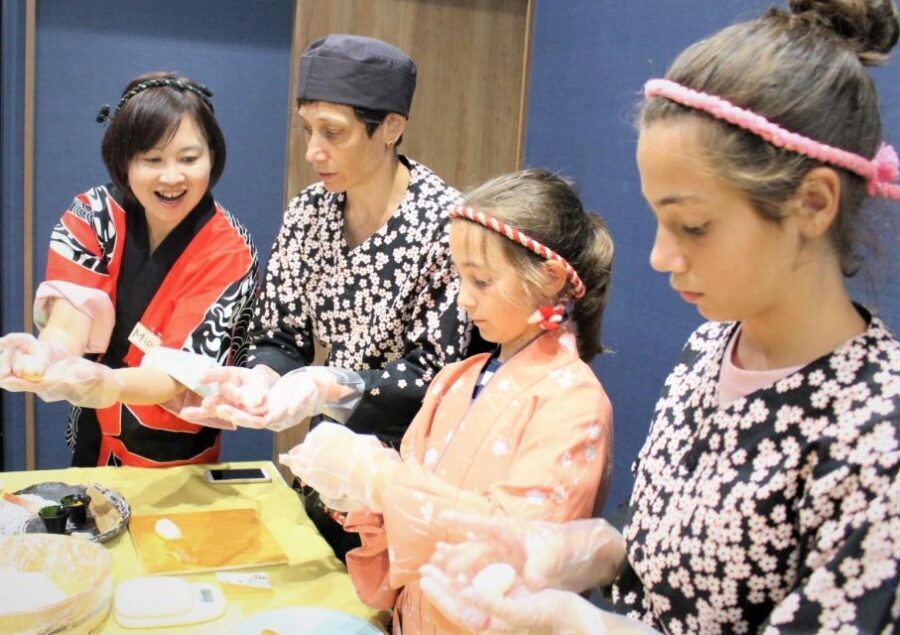
Once your rice is ready, you move into assembling sushi. The class includes instruction on how to make sushi, plus you get to personalize what you build. You can choose toppings such as green onion and ginger, and you can tailor selections based on what you like.
A smart detail here is that the menu is designed to work for multiple dietary needs. They mention vegetarian, vegan, and Muslim-friendly menus, which matters because sushi classes often become one-size-fits-all. You do not have to force your way through a standard menu that was never built for your diet.
The class also gives a path for people who want to learn more than basics. If you want to learn fish cuts, you can ask. The overall design still supports novices (since a lot is prepped), but it leaves room for curiosity. That is a good balance if you are traveling solo or with a friend: you can keep it simple or ask more advanced questions.
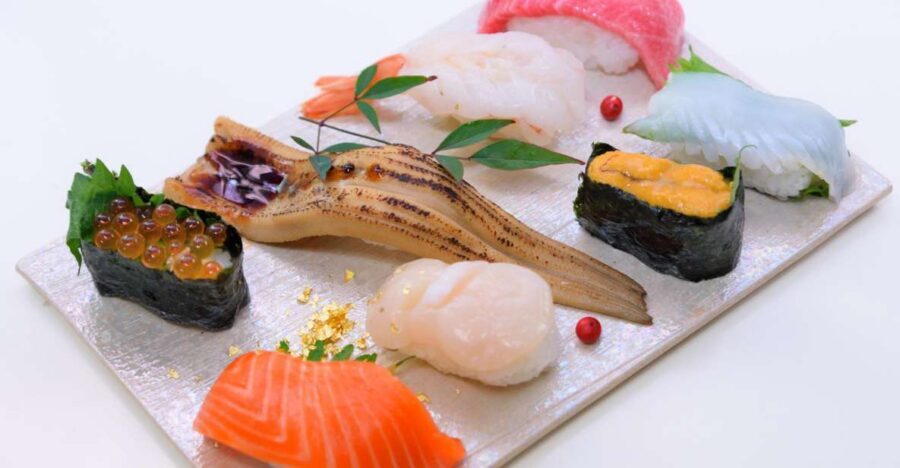
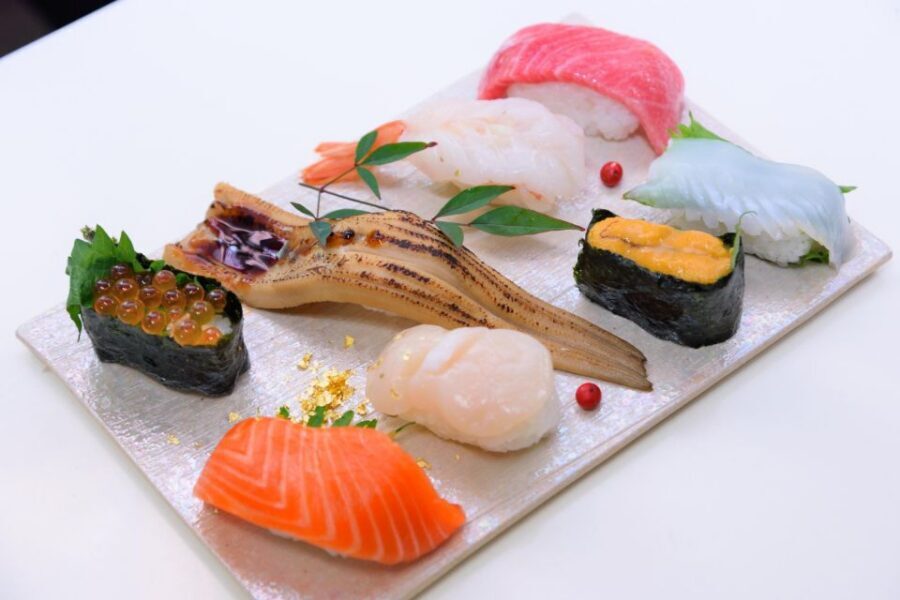
One more practical point: ingredient variety can be seasonal. You might see special toppings highlighted by the school, including options like extra fatty tuna or sweet, almost creamy red shrimp. That kind of ingredient selection makes the lesson feel like you are eating something you cannot easily recreate from a random grocery store.
Your Happi costume and the Japanese spirits moment
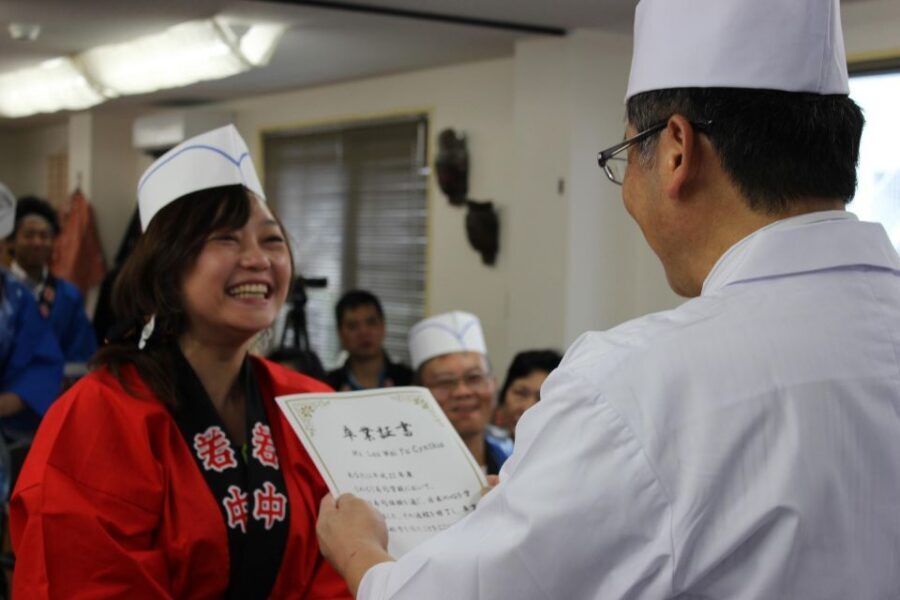
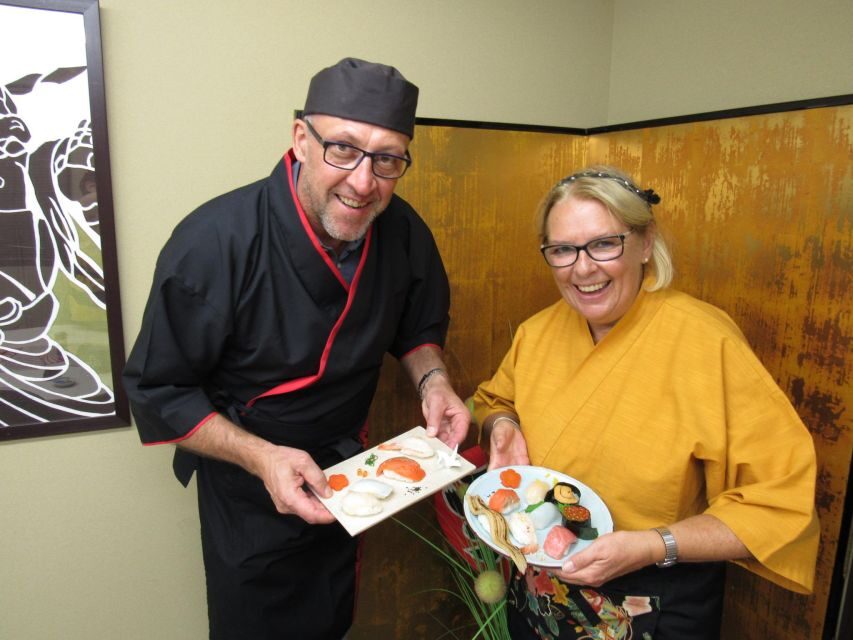
This class does not treat cooking like a workshop only. It adds atmosphere. You rent and wear traditional Japanese clothing, a Happi, and you can choose from different costume options. It sounds like a small thing, but it changes how you experience the time. You arrive, you get dressed, and suddenly it feels less like homework and more like a cultural moment.
The class also includes an experience related to Japanese spirits. The details are described as part of the class experience, not as an optional add-on, and it appears tied to the themed instruction you receive while cooking. Since drinks are listed as not included, treat this portion as cultural and educational rather than a full beverage service.
You also get souvenir photography as part of the experience. In other words, it is not just eat-then-go. You leave with memories that match what you did: hands-on sushi making plus a proper dress-up moment.
The meal you make: 8 pieces of sushi plus hands-on satisfaction
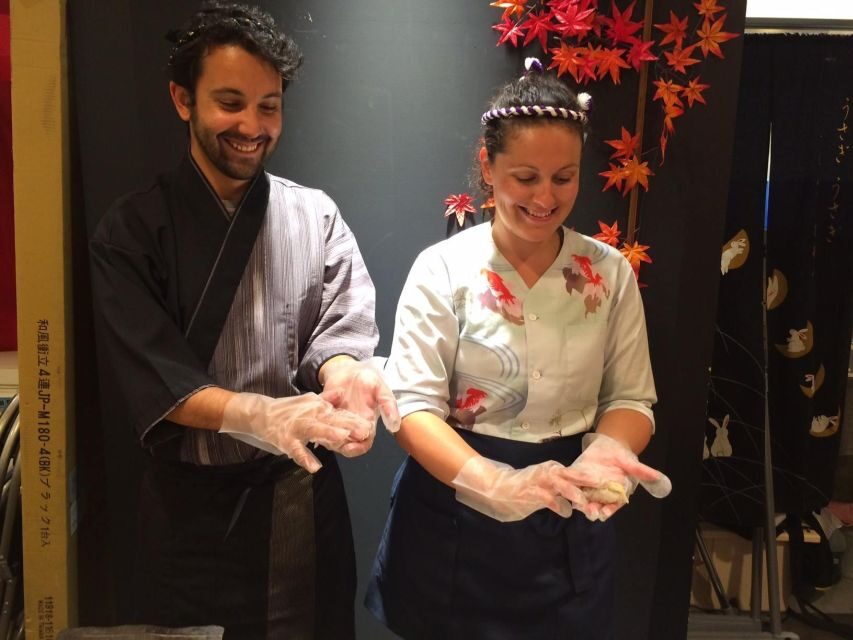
At the end, you eat sushi you made yourself. The class includes 8 pieces of sushi, and you also get to choose various toppings during the lesson. That matters because sushi is not only about technique; it is also about taste, and you should get at least a few bites that match your preferences.
Because ingredients can vary with the season, your final plate might not match someone else’s exact experience from another date. That is normal for classes in Japan, and it is a plus if you like local, “today” cooking rather than a staged demo.
Also, the class includes a lecture on how to make sushi, then it turns into practice. You are not watching someone else work off-screen. You are building the sushi yourself, then eating it while it is still at its best.
Time reality check: 90 minutes on paper, more in practice
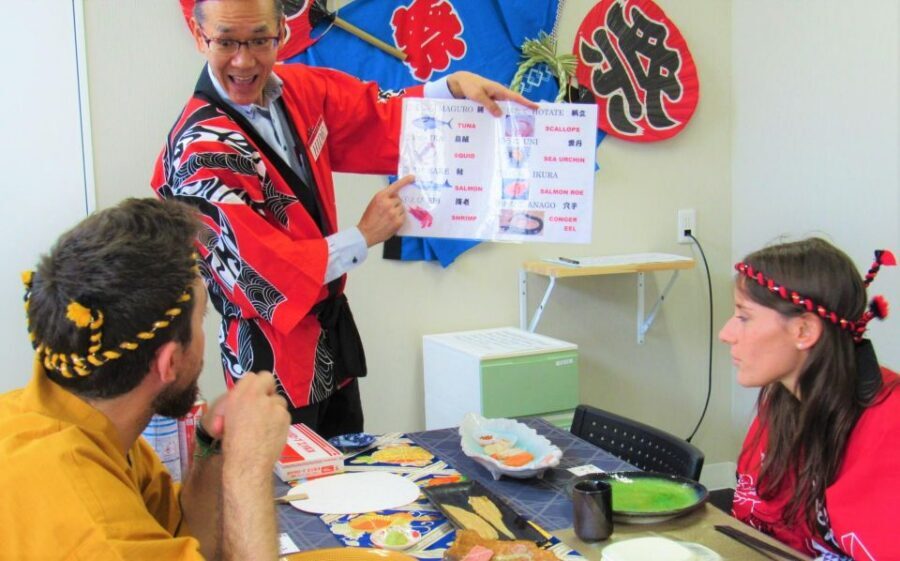
The schedule is listed at 90 minutes, but timing can flex. One clear theme from experience notes is that the session can run longer than expected, especially around ceremony steps. If they pause for a certificate, picture, and any added framing process, you can lose extra time at the end.
I recommend planning like this: if you have a later reservation, leave at least a cushion of a half day. If your afternoon is tight, you may want to book earlier in the day rather than right before a train connection or a museum time slot.
The good news is that the extra minutes often come from components that are part of the experience, not from chaos. Still, it is better to be over-prepared than to cut your day too close.
A few more Nara tours and experiences worth a look

Price and value: what $113 includes (and why it can feel worth it)
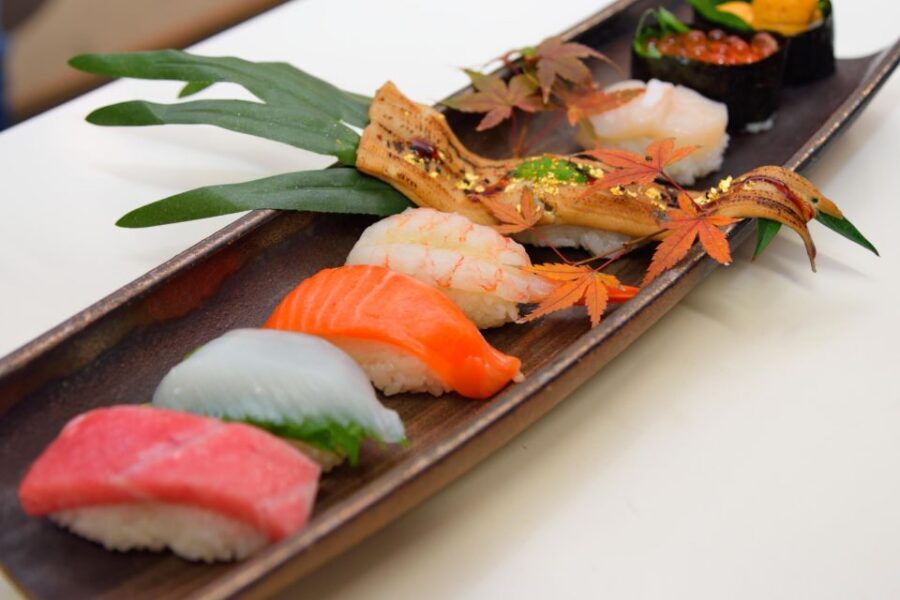
At $113 per person, this is not a budget street food stop. But it is also not a high-end fine dining price for a seat at a show. You are paying for real instruction and a full “make it, wear it, eat it, take photos” structure.
Here is what the price covers:
- A lecture and hands-on sushi-making instruction
- English-speaking instructor (with Japanese support as needed)
- 8 pieces of sushi to eat that you assembled
- Rental Happi costume
- Choice of toppings like green onion and ginger
- Souvenir photography
- Certificate of completion and graduation ceremony
When you break it down, the cost starts to make more sense. You are not just buying fish and rice. You are paying for guidance on a technique that normally takes practice, plus the materials and setup that make it beginner-friendly.
It also helps that they mention adjustments for allergies and dietary needs. If you have a food restriction, that flexibility can be more valuable than a class that assumes everyone eats everything.
Not included is drink, and warm udon is optional. Everything else is part of the experience package, including the steps around taking photos and completing the class.
Dietary needs: vegetarian, vegan, Muslim-friendly, and allergy adjustments
If you worry about sushi classes being hard for your diet, this one is built to reduce that stress. The school states they can offer menus friendly to vegetarians, vegans, and Muslims. They also mention allergy options and options like non-raw and gluten-free.
That means you can participate without feeling like you are watching from the side. If your diet is restrictive, you still get an organized menu and a way to build sushi that fits your needs.
Allergy handling is especially important. There is an explicit mention that allergy options are available, and real-world adjustments are part of the teaching approach. If you have a shellfish allergy or another serious restriction, tell the school ahead of time so they can plan your ingredients correctly.
Where you meet: finding the class near Shin-Omiya Station
You meet near Shin-Omiya Station on the Kintetsu Line. Get off at the south entrance, turn right into the narrow street, and walk until you see a railroad crossing. Turn right there, and you should spot the place near Nara Loyal Hotel, behind a parking area.
This is a helpful setup if you are already doing a Nara day using public transit. The building is described as near public transportation, but there is no elevator. Staff can help with the stairs for elderly or disabled participants, so it is usable, but you should factor in stair access.
Should you book this Nara sushi class?
I think this is a strong booking choice if you want more than a quick tasting. If you care about learning the rice technique and want instruction you can repeat at home, the rice-first approach is the reason to choose this class. The Happi costume, souvenir photos, and completion ceremony also make it feel like you did something uniquely Japanese, not just ate your way through Nara.
I would be more cautious if your schedule is extremely tight. Since the experience can run longer than 90 minutes in some cases, give yourself breathing room so the ceremony steps do not force you to rush your afternoon.
This is also a good fit for people with dietary restrictions. The class is designed to offer vegetarian, vegan, and Muslim-friendly menus, and it supports allergy and other dietary options.
If your goal is a hands-on sushi skill with a bit of cultural theater and a meal you actually make, this class is a clear yes.
FAQ
How long is the sushi cooking class in Nara?
The class duration is 90 minutes.
What will I learn and make during the class?
You will learn how to make sushi, starting with the vinegar rice (shari/sumeshi). You also assemble and eat 8 pieces of sushi during the session.
Are vegetarian, vegan, or Muslim-friendly menus available?
Yes. The course can offer menus friendly to vegetarians, vegans, and Muslims.
Can the class accommodate allergies or special dietary needs?
Yes. The class states that allergies, non-raw options, gluten-free options, and other options are available.
What is included in the price?
Included are a lecture about how to make sushi, an experience of Japanese spirits, 8 pieces of sushi, rental cloth (Happi), various toppings you can choose, a certificate of completion with a graduation ceremony, souvenir photography, and an English-speaking instructor.
Is drink included?
No. Drinks are not included. Warm udon is also listed as optional.