REVIEW · TOKYO
Private Mt Fuji, Hakone and Tokyo Tour – English Speaking Driver
Book on Viator →Operated by Sluzeb Tours · Bookable on Viator
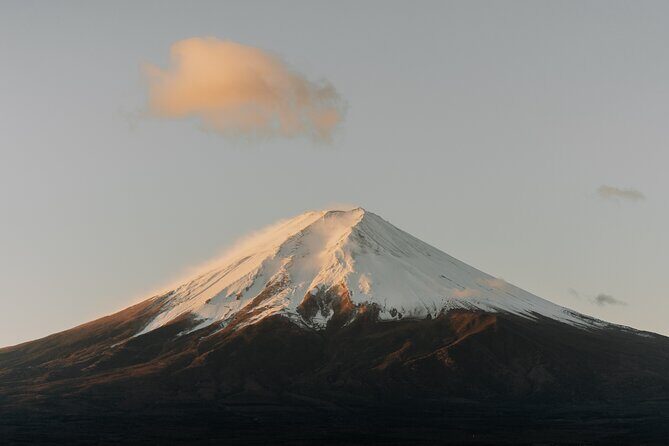
Fuji in the morning hits different. This private day strings together Hakone heat and sculpture with Mt Fuji views, all without wrestling trains and transfers. My favorite part is the door-to-door, chauffeured flow—your driver handles the route, timing, and the tricky jump between regions. I also love the mix of viewpoints and experiences, from eating the legend of Kuro-tamago to standing on the 5th Station atmosphere. The one drawback: if weather blocks Fuji, you may not get the full mountain view and the plan shifts to the highest reachable spot.
You start early, which helps you beat crowds and squeeze in more than a basic Tokyo-only day. Expect a full loop style outing with time at each highlight, plus built-in flexibility for traffic and conditions. It’s a smart choice if you want classic scenery fast, but it’s still a long day, roughly 10 hours including commuting.
In This Review
- Key Points That Make This Tour Worth Your Time
- A Private 10-Hour Route: What the Day Really Feels Like
- Stop-by-Stop: How Each Highlight Works in Real Life
- Owakudani Valley and the Ropeway View
- Hakone Open-Air Museum: Art Outside, Mountains Around
- Oshino Hakkai: Eight Springs From Fuji’s Aquifer
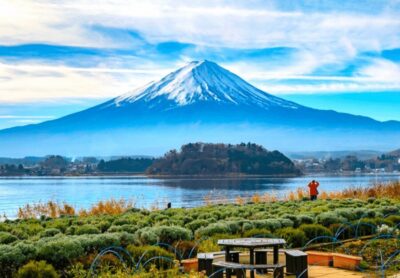
- Lake Kawaguchiko: The Fuji Five Lakes Hit List
- Mt. Fuji Panoramic Ropeway: A View Upgrade on Purpose
- Mt. Fuji 5th Station: Halfway Up the Icon
- Gotemba Premium Outlets: A Practical Detour (and a Fun Local Angle)
- Shibuya Crossing: Tokyo’s Big, Loud Finale
- Why the Private Driver Option Feels Like a Cheat Code
- Money and Value: Is $750 Per Group Actually Fair?
- Timing Tips You’ll Thank Yourself For
- Who Should Book This Tour (and Who Should Skip It)
- Should You Book This Private Mt. Fuji, Hakone and Tokyo Tour?
- FAQ
- FAQ
- How long is the tour?
- What time does the tour start and where do we meet?
- Is there pickup from hotels?
- Is this a guided tour with a guide walking with us?
- What attractions require tickets that aren’t included?
- What happens if Mount Fuji is not visible or the 5th Station can’t be reached?
- Do we still get to see Shibuya Crossing?
- How big is the group and is it private?
- What is the cancellation policy?
Key Points That Make This Tour Worth Your Time
- Private, chauffeured transport so you skip subway math and keep moving
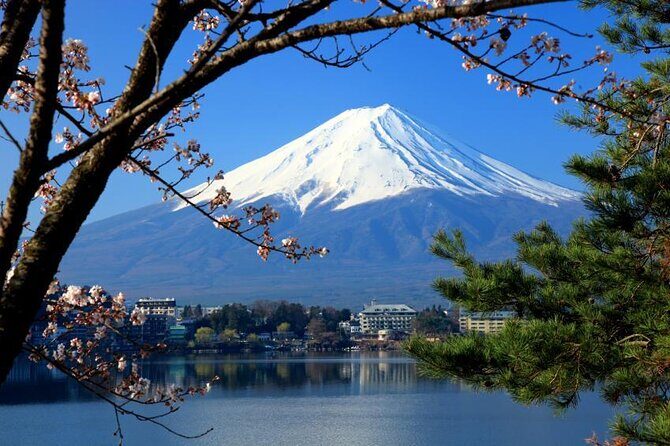
- Multiple Fuji-region stops: Owakudani, Oshino Hakkai, Lake Kawaguchiko, and the 5th Station
- Hakone Open-Air Museum in a mountain setting, not a quick photo stop
- Planned ropeway moments at Owakudani and near the lake for viewpoint time
- Shibuya Crossing included for a Tokyo finale, if your drop-off area fits
A Private 10-Hour Route: What the Day Really Feels Like
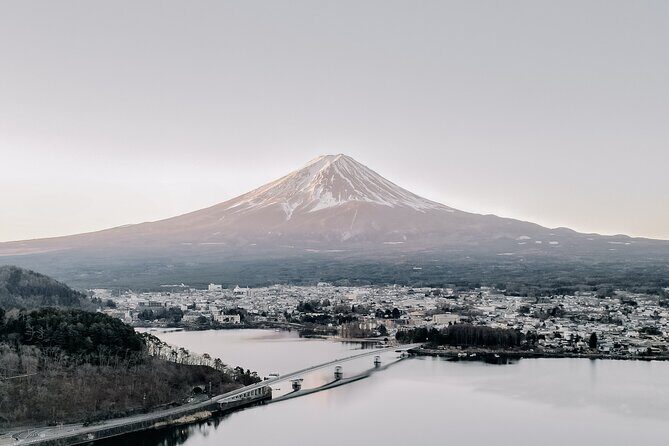
This is built as a single, packed day out of Tokyo. You’re not doing “one place really well” and everything else as a drive-by. Instead, you get short, focused windows at each stop—enough to see what it’s about, but not so long that you lose the rhythm of the tour.
The start is early at 7:00 am around Shinjuku Station (3-chōme-38-1). The end is back at the meeting point, with a note that Shibuya Crossing can be covered if the drop-off location is nearby. In other words: plan on a day that moves, not a relaxed weekend stroll.
For me, the real value is the time saved. Tokyo navigation is doable, but Tokyo navigation after a long day of sightseeing gets tiring. With a private driver, you can focus on what you came for—views, sights, and the small moments like steam rising in Hakone or the strange comfort of seeing Fuji in one frame.
You can also read our reviews of more private tours in Tokyo

Stop-by-Stop: How Each Highlight Works in Real Life
Owakudani Valley and the Ropeway View
Owakudani Valley is one of those places that looks like science fiction in the best way. You’ll get a viewpoint by ropeway, and the main spectacle is the volcanic hot-spring zone. The famous detail here is Kuro-tamago—eggs boiled in the valley’s natural hot springs. The sulfur in the water turns the eggshells black, giving them that charcoal-like look.
You’re scheduled for about 45 minutes here, and admission is listed as free. That time is perfect for a quick loop: get the viewpoint, walk enough to appreciate the scale, then decide if you want to try the egg experience. The ropeway adds a nice “arrive with wow” moment instead of only walking through steam.
Practical note: this is a volcanic area, so it can feel warmer or harsher than nearby streets, and conditions can change fast. Dress for comfort and be ready for a strong smell of sulfur.
Hakone Open-Air Museum: Art Outside, Mountains Around
Next is Hakone Open-Air Museum for about 1 hour. This is not a museum you speed through like a checkpoint. It’s an outdoor sculpture gallery spread across 70,000 square meters, which means you’ll be walking through a park-like setting with sculptures placed in front of mountain views.
Admission for the museum is listed as not included, so budget for tickets separately. If you’re the type who likes a little variety—something calmer after steam and viewpoints—this stop is a good balance. The outdoor format also helps if you’d rather not sit inside for hours, especially on a day that already includes travel time.
One consideration: since it’s outdoors, weather matters. If it’s rainy or very cold, you may want to treat this stop as “see the highlights and keep moving,” rather than trying to cover every single piece.
Oshino Hakkai: Eight Springs From Fuji’s Aquifer
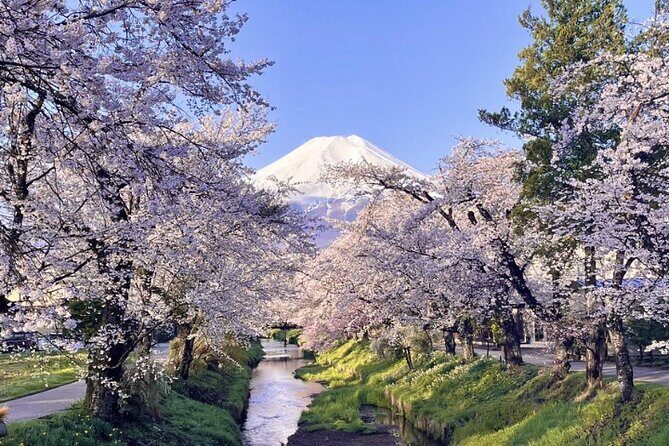
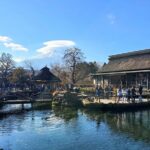
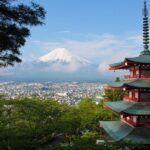
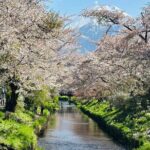
Then you head to Oshino Hakkai, which is about 45 minutes. This area is famous for its eight springs. The water comes from the aquifer connected to Mount Fuji and forms these springs, and the site is described as a natural monument.
Admission is free here. Time-wise, it works well because you can move through the springs area at a comfortable pace, take photos, and still stay on schedule for the lake and ropeway portion later.
Why I like this stop: it’s a breather. It’s scenic, yes, but it doesn’t feel like a theme park. It gives you that “Fuji water in real form” feeling—clear, steady, and tied to the mountain in a way you can actually see.
A few more Tokyo tours and experiences worth a look

Lake Kawaguchiko: The Fuji Five Lakes Hit List
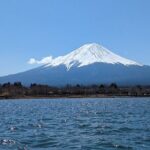
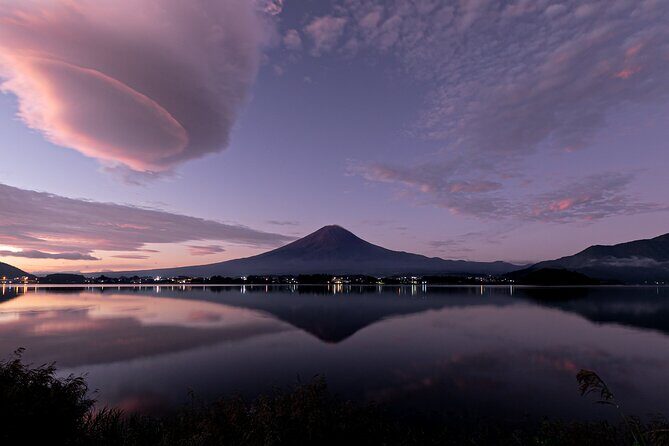
Lake Kawaguchiko is next, but it’s a short visit—about 10 minutes. Admission is listed as free. This makes sense because Kawaguchiko is more of a launch point for the ropeway and scenic lookout time than a long sit-and-stare location on this specific itinerary.
It’s described as the most easily accessible of the Fuji Five Lakes from Tokyo, with bus and train connections. It’s also a hot spring resort town, so you’ll feel that “vacation town” vibe even in a quick stop.
If your goal is to maximize Fuji-region variety in one day, this quick hit is useful. If your goal is slow travel at the lake, you’ll probably wish you had more time here—but that’s the trade-off for seeing the 5th Station and adding Hakone too.
Mt. Fuji Panoramic Ropeway: A View Upgrade on Purpose
After Kawaguchiko, you ride the Mt. Fuji Panoramic Ropeway for about 1 hour. Admission is listed as not included. The ropeway ascends 400 meters from the eastern shore to an observation deck near the peak of Mount Tenjo.
This stop is one of the best examples of why private planning helps. You’re not just walking around the lake waiting for a clear moment. You’re moving to a viewpoint designed for visibility, and you have a reserved block of time to enjoy it.
A smart way to use this hour: arrive ready to spend it. Don’t treat it like a quick ride and then rush. Even with cloud cover, the shapes and layers around Fuji can still look dramatic when you’re higher up.
Mt. Fuji 5th Station: Halfway Up the Icon
Next comes the Mt. Fuji 5th Station, scheduled for about 2 hours. Admission is listed as not included. This is a huge part of the reason people choose a Fuji day trip: the atmosphere changes. The 5th Station is where many climbers start their ascents, and it’s described as halfway up the mountain.
In plain terms, you’re not “climbing.” You’re getting the feel of Fuji-world: altitude, energy, and that special sense of standing near an icon everyone knows from photos.
Important catch from the tour info: if Mt. Fuji’s 5th Station won’t be visible from the base or cannot be reached due to weather, the tour will go to the highest elevation point possible. That means the mountain may still be present, just not in the exact same way.
Also be aware: the tour notes that cancellation or refund is not applicable due to this reason. If Fuji visibility is your one big deal, this is the part where you’re placing some faith in weather.
Gotemba Premium Outlets: A Practical Detour (and a Fun Local Angle)
Gotemba Premium Outlets takes up about 2 hours. Admission is listed as free. It’s not a cultural stop in the museum sense, but it’s a practical one.
The description connects Gotemba to green tea growing near the foot of Mt. Fuji, plus a fun local mention: Shizuoka is known as Japan’s horseradish capital, and Gotemba itself has several associations with the area’s food culture.
On a day like this, outlets can be good for two reasons:
1) you get a structured break after long scenic time
2) you can shop or grab a snack without forcing the itinerary to squeeze in another stop
If shopping isn’t your thing, you might use the time to slow down, reset, and prepare for the Tokyo finale.
Shibuya Crossing: Tokyo’s Big, Loud Finale
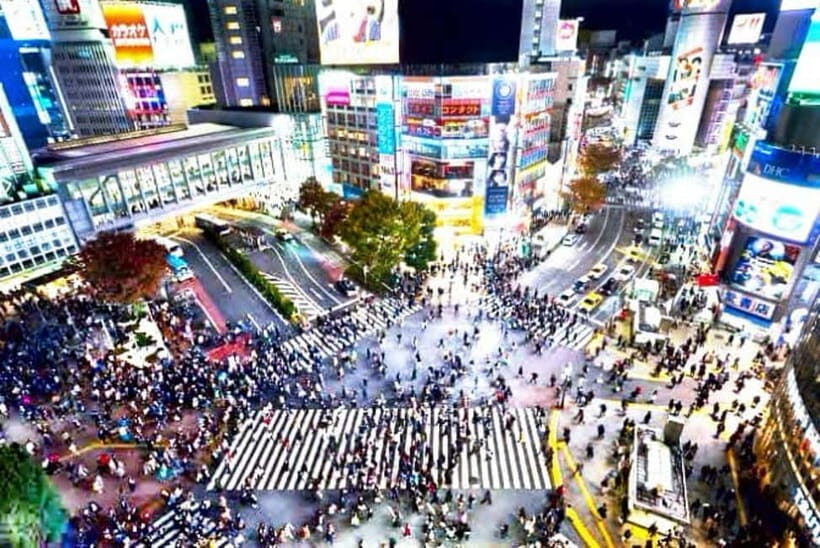
The day ends with Shibuya Crossing for about 20 minutes. It’s described as the world’s busiest pedestrian crossing, with up to 3,000 people crossing at a time, outside Shibuya Station.
This is short, but that’s the point. It’s like turning a Tokyo key and letting you see the machinery. You don’t need hours here. You need enough minutes to absorb the scale, then keep walking.
Whether you get Shibuya depends on how close your drop-off location is, since the tour can cover it if the drop-off is nearby. If Shibuya is a must-do for you, make sure your end point aligns with that.
Why the Private Driver Option Feels Like a Cheat Code

The obvious benefit is comfort: a chauffeured vehicle and someone handling the driving. But the bigger benefit is pacing. On a day that combines Hakone, springs, a lake, ropeways, and the 5th Station, the difference between “DIY with multiple transfers” and “one smooth route” is huge.
You also get tips and recommendations from your driver-guide. Even when you’re not doing a formal guided tour, that local input is often what turns a generic photo day into something more memorable—like knowing when to head for viewpoints, or how to time your walking when people cluster.
And the reviews you might’ve read about this style of tour usually land on the same themes: the planning feels thoughtful, and the day can line up well with views. Weather is always the wildcard in Fuji country, but a good driver-guide can at least help you make the best of what conditions give you.
Money and Value: Is $750 Per Group Actually Fair?
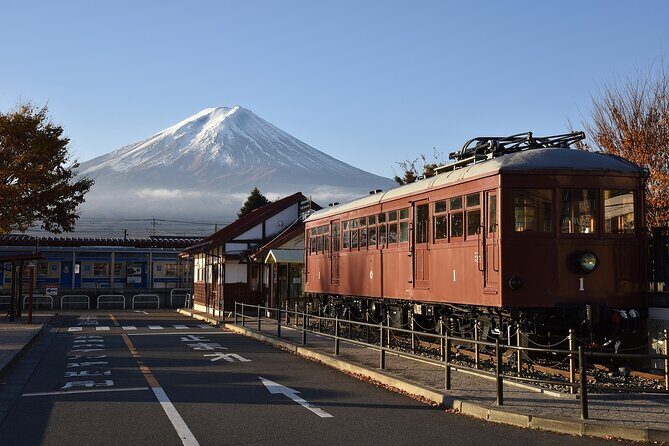
At $750 per group (up to 5), you’re paying for privacy and logistics. This isn’t a budget option, so you need to judge it by what you’re buying, not by what you’re skipping.
Here’s the value logic that makes this make sense:
- You avoid time tax: transfers, schedules, and stress.
- You get multi-region coverage: Tokyo plus Fuji/Hakone highlights in one day.
- You get door-to-door transportation (pickup offered): fewer headaches at the start.
If you’re traveling as a couple or small group, the cost can feel more reasonable because you’re splitting the vehicle. If you’re solo, it’s harder to “math it” because you’re paying for seats you can’t fill.
Also remember: several major attractions have tickets not included (Hakone Open-Air Museum, Mt. Fuji Panoramic Ropeway, and Mt. Fuji 5th Station). So your day isn’t only $750. You’re paying for the driving and timing, then paying attraction fees separately.
Net: it’s good value when you care more about getting it done and seeing it all than about squeezing costs. It’s not the best deal if you love transit adventures and you’re comfortable building your own route.
Timing Tips You’ll Thank Yourself For
Since the start time is 7:00 am, treat the day like a mini expedition. You’ll spend hours moving between areas, and you’ll have only limited time at each stop.
A few practical habits help:
- Keep your snacks and water easy to reach. You’ll have several short windows.
- Pack layers. Weather around Hakone and Fuji can change.
- Prioritize your camera behavior at the ropeway and 5th Station. Those are the “look up and breathe” moments.
And remember the key Fuji rule: visibility depends on weather. The tour is designed to adapt by going to the highest reachable spot if the 5th Station experience can’t happen exactly as planned.
Who Should Book This Tour (and Who Should Skip It)
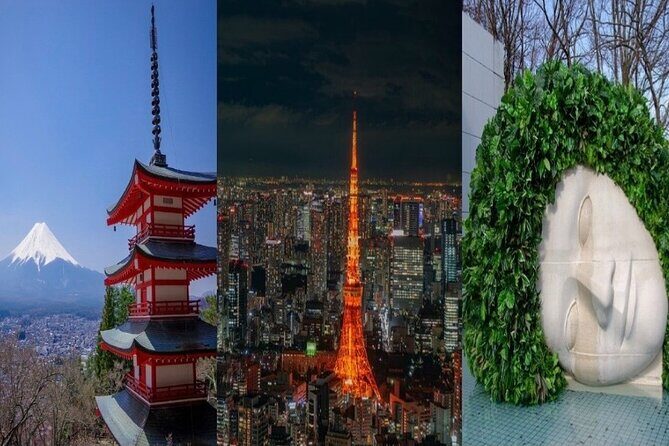
This tour fits best if you:
- want a private day with minimal transit stress
- have limited time in Japan and want Hakone + Fuji highlights in one move
- like structured time at each stop rather than spending hours wandering
You might skip it if you:
- only care about one region (like just Hakone or just Fuji)
- want a slow, flexible “stay longer at the lake” style day
- dislike paying attraction tickets on top of the tour price
If you’re on a tight schedule and you want the iconic checklist handled for you, this tour is a strong match.
Should You Book This Private Mt. Fuji, Hakone and Tokyo Tour?
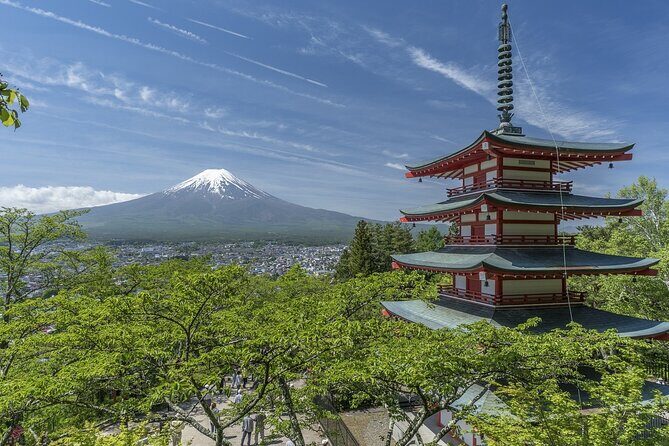
I’d book it if your priority is a smooth, high-effort day without the mental load of trains and timetables. The combination of Owakudani, Hakone Open-Air Museum, Oshino Hakkai, Lake Kawaguchiko, and the Mt. Fuji 5th Station in one route is exactly the kind of itinerary that benefits from having a driver manage the hard parts.
I’d think twice if Fuji visibility is your one non-negotiable. The tour does plan for weather problems by going to the highest reachable elevation, but it also notes that refunds aren’t available for that specific visibility/reach issue. If you’re okay with “Fuji country even if it’s cloudy” then you’ll likely still have a great day.
FAQ
FAQ
How long is the tour?
The tour runs about 10 hours, including commuting time.
What time does the tour start and where do we meet?
It starts at 7:00 am near Shinjuku Station (3-chōme-38-1 Shinjuku, Shinjuku City). The activity ends back at the meeting point.
Is there pickup from hotels?
Pickup is listed as offered, and the tour includes door-to-door transportation. The listed start point is Shinjuku Station.
Is this a guided tour with a guide walking with us?
It is not a guided tour, but a guide can be arranged on request for an additional cost.
What attractions require tickets that aren’t included?
Admission is listed as not included for the Hakone Open-Air Museum, the Mt. Fuji Panoramic Ropeway, and Mt. Fuji 5th Station.
What happens if Mount Fuji is not visible or the 5th Station can’t be reached?
If the 5th Station can’t be reached due to weather, the tour will go to the highest elevation point possible. The tour notes that cancellation or refund is not applicable due to this reason.
Do we still get to see Shibuya Crossing?
Shibuya Crossing can be covered if your drop-off location will be nearby.
How big is the group and is it private?
It’s a private tour with only your group participating. The group size is up to 5 people, and larger groups can be facilitated for an additional cost.
What is the cancellation policy?
You can cancel for a full refund if you cancel at least 24 hours before the experience starts. The experience also requires good weather, and if it’s canceled due to poor weather you’ll be offered a different date or a full refund.
If you tell me your travel dates and whether you’re more into Fuji views or Hakone culture, I can help you decide if this exact order of stops fits your style.