REVIEW · TOKYO
From Tokyo: Mount Fuji Full Day Customizable Private Tour
Book on GetYourGuide →Operated by Kyoto Horizon · Bookable on GetYourGuide
Mount Fuji changes fast, and so does this day trip. This private tour gives you a smooth way to hit the big icons (including Mt. Fuji 5th Station) and still have enough breathing room to enjoy the views and photo stops. I love the way the schedule mixes classic Fuji viewpoints with calm lakeside time, plus you get a guide who can steer you toward the best angles when conditions shift. One thing to plan for: it’s a full 11-hour day with moderate walking and a chance of cold weather at the 5th Station.
Two parts I really like are Oshino Hakkai’s clear spring-fed ponds and the Fuji photo sequence from Chureito Pagoda through Arakurayama Sengen Park. I also appreciate the private-group setup, which makes it easier to adjust to what you care about and keeps the day feeling personal instead of rushed. The only real drawback is logistics: if traffic or weather causes delays, you’ll feel them because this is a packed, cross-region route.
In This Review
- Key Things I’d Put at the Top of Your List
- A Private Mount Fuji Day From Tokyo That Doesn’t Feel Like a Production
- From Shinjuku Pickup to Mt. Fuji 5th Station: Timing and Cold-Weather Reality
- Chureito Pagoda: The Classic Fuji Frame, Plus Time to Get Your Shot
- Oshino Hakkai’s 8 Ponds: When Fuji Gets Quiet
- Kitaguchi-hongu Fuji Sengen Jinja: A Historic Shrine Visit Without the Rush
- Lake Kawaguchi and Oishi Park: Lakeside Views With Fuji in the Distance
- Arakurayama Sengen Park: Another Fuji Photo Play (Use It Smart)
- Hakone and Lake Ashi: The Dreamy Finale That Feels Different From Fuji
- Price and Value: $325 Per Group Up to Three
- What You’re Getting: Guide, Coach, Wi-Fi, and Skip-the-Ticket-Line
- Guide Quality Is the Real Secret Sauce (Mac, Usman, Ali, and Efi Stand Out)
- Walking, Weather, and What to Pack for an 11-Hour Fuji Day
- Who This Tour Fits Best
- Should You Book It?
- FAQ
- How long is the Mount Fuji full day private tour from Tokyo?
- Where does pickup happen in Tokyo?
- Which places are included during the day?
- Is this a private tour and how many people can join?
- What language is the guide?
- Is the tour wheelchair accessible?
Key Things I’d Put at the Top of Your List
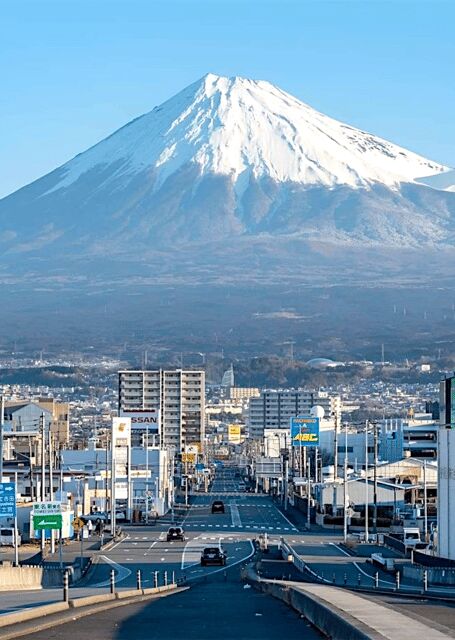
- Mt. Fuji 5th Station for big-mountain views halfway up the climb (weather permitting)
- Chureito Pagoda for the classic Fuji-in-the-frame photo moment
- Oshino Hakkai to see the 8 spring-water ponds fed by snowmelt
- Lake Kawaguchi + Oishi Park for lakeside walking with Fuji in the distance
- Hakone and Lake Ashi to finish the day with a different, more relaxed vibe
- Skip-the-ticket-line plus an English-speaking guide and coach transport for a lower-stress day
A Private Mount Fuji Day From Tokyo That Doesn’t Feel Like a Production
This is the kind of tour that works because it respects your day. You’re not just doing checkboxes at tourist speed. With a private group (up to three people per booking), you get a more flexible pace and the chance to stop for photos without everyone waiting in a line behind you.
The route also makes sense. You start with Mount Fuji’s best-known viewpoint zone (the 5th Station), then you build outward: pagoda and shrine viewpoints, the village ponds, lakeside scenery, and finally the Hakone area and Lake Ashi. That sequence matters. It reduces backtracking and it gives your eyes a break between “Fuji wow” moments.
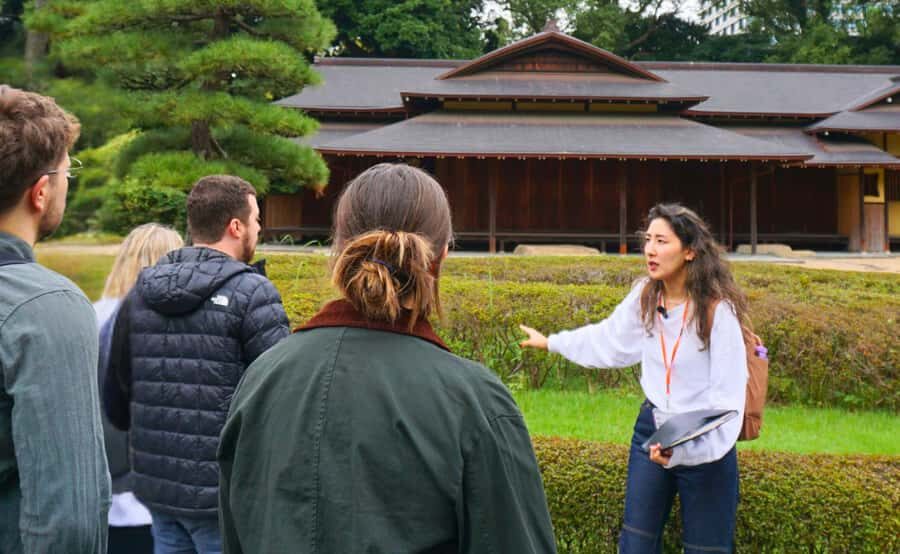
Most of the praise around this experience centers on the people running it. Several guides and drivers were singled out for being friendly, organized, and quick to help with photo spots and timing. One guide helped find a romantic proposal location with Mount Fuji visible behind the couple, and that’s the exact kind of “local photo awareness” you want from a guide on a high-demand day.
You can also read our reviews of more private tours in Tokyo


From Shinjuku Pickup to Mt. Fuji 5th Station: Timing and Cold-Weather Reality
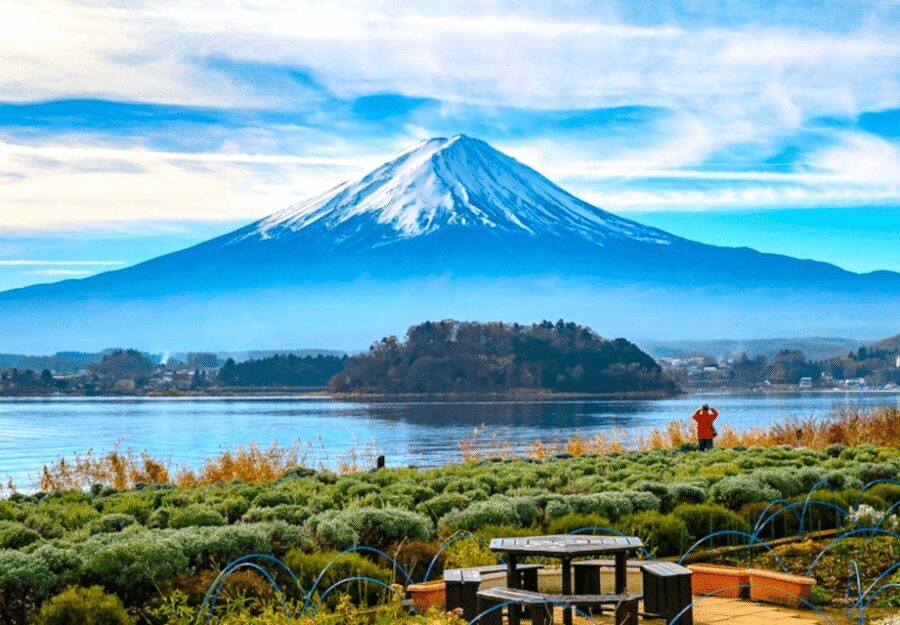
Your day starts with pickup from Shinjuku Station in Tokyo (and you can send your location to the driver after booking for pickup anywhere in Tokyo or nearby). Then it’s the long ride west toward Fuji, usually the part of the day where the big question is simple: will weather cooperate?
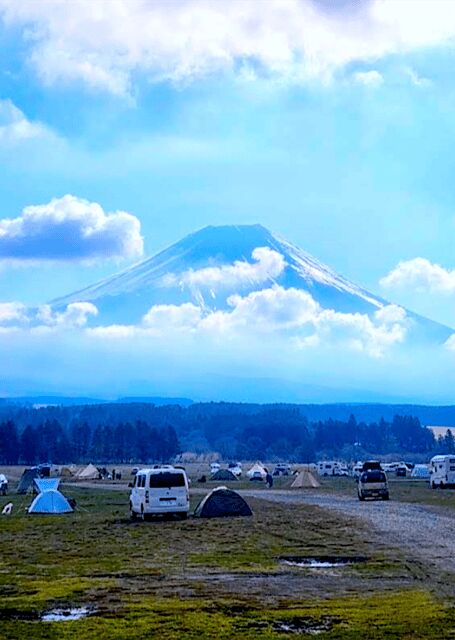
When you reach Mt. Fuji 5th Station, plan to treat this as a viewpoint stop, not a summit attempt. You’ll spend about an hour there, and that’s typically what you need to take in panoramic views, look around, and get photos while the mountain is visible. This is also the stop where clothing matters. The information provided is very clear: it can be quite cold at the 5th Station. If you show up in light layers, you’ll feel it fast.
Practical move: wear shoes you can walk in for repeated short stretches. This tour includes several stops with walking, and the 5th Station portion adds a cold-wind factor.
One more logistics note: on at least one day, pickup was delayed about 40 minutes due to an accident. If you’re traveling in busy periods or you hate the idea of losing time, build in patience. Private doesn’t mean immune to traffic.
Chureito Pagoda: The Classic Fuji Frame, Plus Time to Get Your Shot
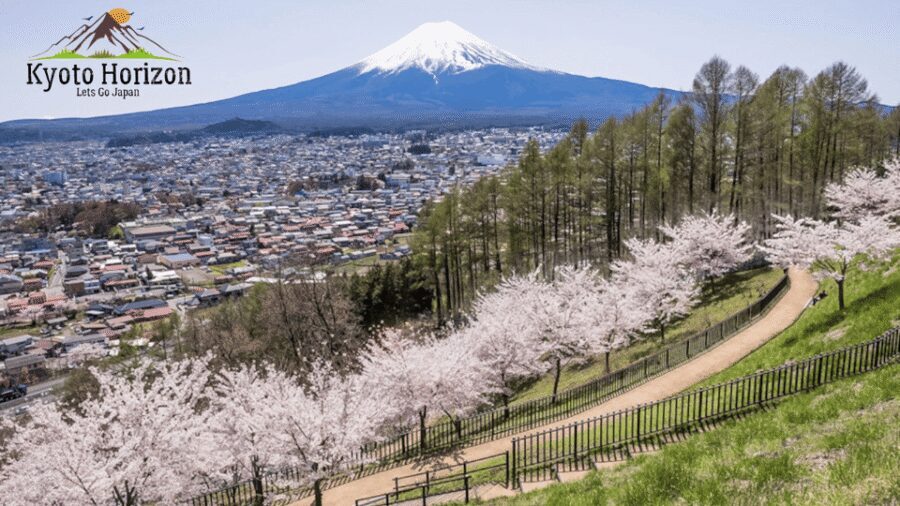
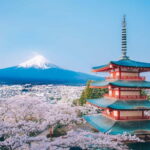
After Oshino Hakkai, the schedule includes a visit to Chureito Pagoda, the 5-story pagoda perched on a hill that’s famous for views of Mount Fuji. You’ll have about 1.5 hours here, which is just enough time to:
- walk into the main viewpoints
- reframe for different angles
- adjust if the light changes
Why this stop earns its reputation: Chureito isn’t just scenic. It gives you that iconic composition where Fuji feels layered behind the pagoda. Even if you’ve seen pictures online, seeing it in person tends to hit differently because the mountain is actually huge in scale.
A subtle benefit of having a guide: they can point you toward better photo spots and help you move efficiently. Multiple guides were praised for knowing the best places to stand and taking care of practical details like where to go next and how to get the photo you want.
Oshino Hakkai’s 8 Ponds: When Fuji Gets Quiet
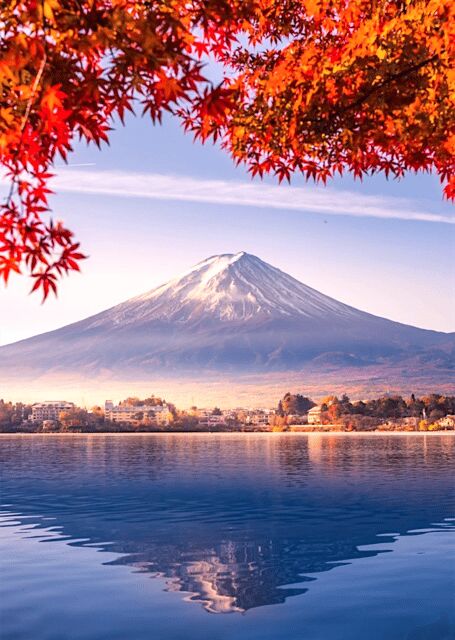
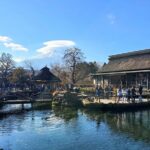
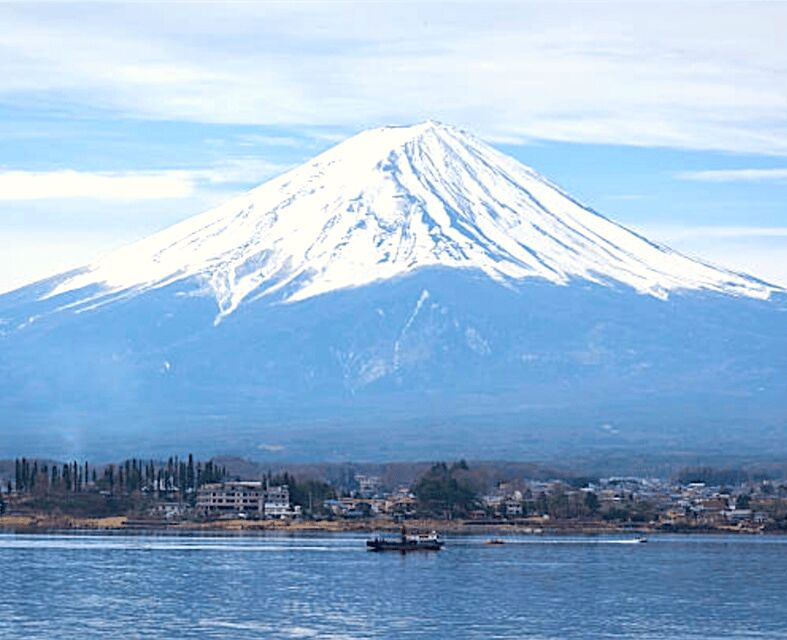
Next comes Oshino Hakkai, a small village at the foot of Mount Fuji. You’ll spend about an hour shopping and walking, and the big point of the area is the 8 spring-water ponds. These ponds are fed by snowmelt from Mount Fuji, so the water stays clear and cool.
This stop is valuable because it slows the day down. Pagoda and stations are “look up at the mountain” places. Oshino Hakkai is more of a “look closely” stop. You’re walking at human scale, watching water, and taking in how people live right under Fuji’s shadow.
It’s also a nice contrast before the lakes. If your trip feels packed, Oshino Hakkai is where your brain gets a breather.
Kitaguchi-hongu Fuji Sengen Jinja: A Historic Shrine Visit Without the Rush
The tour includes Kitaguchi-hongu Fuji Sengen Jinja, described as a historic shrine located at the base of Mount Fuji. You’ll have about two hours here, which is a helpful amount of time for a shrine stop, because you can wander, look around, and take in the atmosphere rather than feeling herded.
Why I like shrine time on a Fuji day: Mount Fuji isn’t just scenery here; it’s part of local belief and tradition. Even if you’re not trying to “learn everything,” you’ll probably notice a difference in how the day feels. It turns the mountain from a photo backdrop into something more meaningful.
The balanced way to approach it: treat this as culture time and photo time. If you try to do everything like a speedrunner, you’ll miss the calm.
A few more Tokyo tours and experiences worth a look

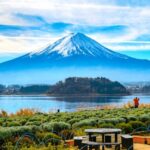
Lake Kawaguchi and Oishi Park: Lakeside Views With Fuji in the Distance
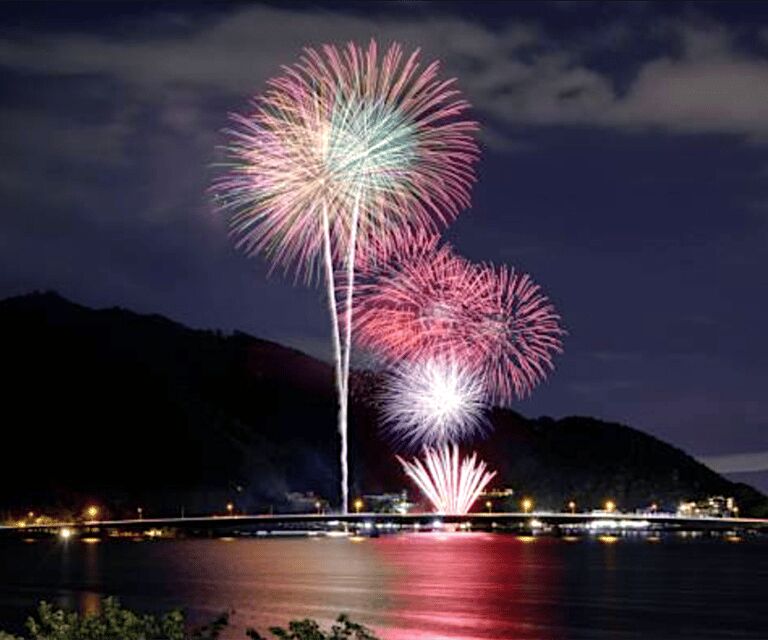
Then you head to Lake Kawaguchi, one of the Fuji Five Lakes. You’ll get about an hour for a stroll along the lake and then a visit to Oishi Park, with break and free time for about an hour.
This is where the day shifts from “landmarks” to “space.” Lakes give you room to slow down. Instead of climbing toward viewpoints, you’re walking and letting the view open up. When Fuji is visible, it often looks like it’s floating behind the lake, which is a different feel from the 5th Station view.
Oishi Park is also where you can expect a more relaxed outing. In one praised stop, a guide helped people find a treat at a garden area, and that matches the kind of experience Oishi Park is known for: places to wander, snack, and take photos at ground-level angles.
Tip: if Fuji is hidden by cloud for most of the day, don’t panic. Lakes are sometimes the better place to catch partial visibility because the view doesn’t depend on one exact angle.
Arakurayama Sengen Park: Another Fuji Photo Play (Use It Smart)
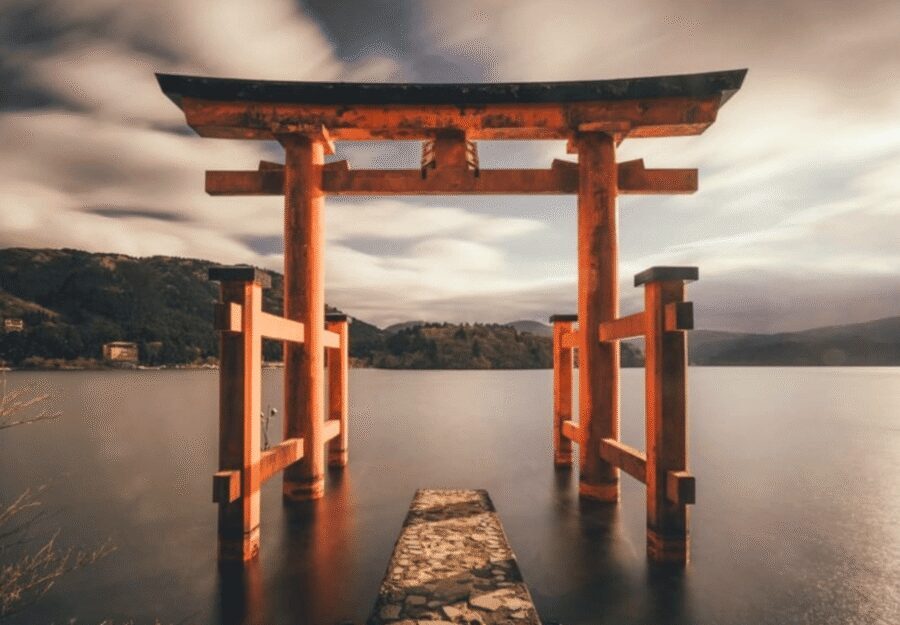
After Oishi Park, you’ll walk around Arakurayama Sengen Park for about two hours. This is another viewpoint stop, and it’s a strong move because it increases your odds of getting clear mountain views.
Two hours sounds long, but in practice it’s the kind of time you need when:
- light changes quickly
- crowds shift
- you want to try multiple angles
If you’re serious about photos, this is where you should spend your energy. If the mountain is clear, your camera will do well here. If it’s cloudy, you still get nice park views and a chance to regroup before the final stretch.
Hakone and Lake Ashi: The Dreamy Finale That Feels Different From Fuji
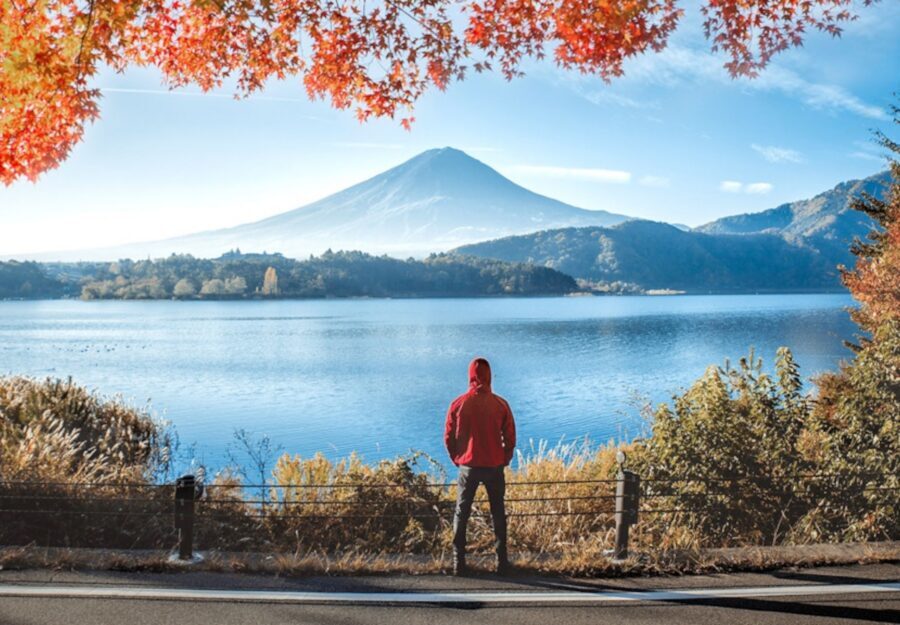
The final chapters take you toward Hakone and then Lake Ashi. You’ll have break/free time in Hakone for about two hours, followed by a visit and walk around Lake Ashi (about two hours).
This section matters because it changes the mood. The earlier stops focus on the mountain as the main character. In Hakone and around Lake Ashi, the scenery shifts toward water views, calm pacing, and that misty, travel-movie feeling you want at the end of a long day.
The tour description doesn’t promise a specific type of hot spring visit, but it does include Lake Ashi, which is often the part people remember. One highlighted comment described the Hakone lake area as calm and dreamy, and that’s exactly why this region works as a finale: it feels like a decompression after the big Fuji hits.
Price and Value: $325 Per Group Up to Three
At $325 per group up to three people, this can be good value if you travel as a small group. If you’re booking for the full three-person capacity, you’re roughly at $108 per person for an 11-hour, private, English-speaking guided day with coach transport and Wi-Fi.
Why that matters: you’re not paying “per person for everything.” You’re paying per group for transportation plus guide service across multiple regions. The value is strongest if you care about getting the most from limited time and want fewer stress points (like managing trains, transfers, and timing across different stops).
The main reason the price can feel steep is simple: if you’re traveling alone, the cost per person rises quickly compared with splitting a private vehicle. If you have two friends or family members who want the same schedule, it becomes a much easier sell.
What You’re Getting: Guide, Coach, Wi-Fi, and Skip-the-Ticket-Line
You’re not just handed a route. This tour includes:
- an English-speaking guide (English and Japanese mentioned)
- transport by air-conditioned coach
- free Wi-Fi in the vehicle
- skip-the-ticket-line
- a private group setup
- pickup included, with the ability to coordinate your exact pickup location in Tokyo/nearby
Skip-the-ticket-line is underrated. When you’re visiting popular sites like pagoda viewpoints and shrine areas, time spent waiting eats into the part of the day where you really want to be taking photos or simply enjoying the view.
Guide Quality Is the Real Secret Sauce (Mac, Usman, Ali, and Efi Stand Out)
One theme shows up again and again in the strongest feedback: the guide makes the day smoother and more personal. A driver/guide named Mac was praised not just for local knowledge, but for going the extra mile on photo spots and helping set up a memorable proposal moment with Fuji in the background.
Usman also received credit for service and for knowing the best spots to visit. Ali was described as attentive, making sure the day matched what the person wanted. Efi was praised for help with photos, finding spots, and even advice for what to do on-site, plus guidance around a snack moment at a garden stop.
Even if your guide isn’t one of these names, that pattern is what you should look for: you want someone who understands timing, crowd movement, and where to stand for photos when the mountain is visible.
Walking, Weather, and What to Pack for an 11-Hour Fuji Day
This is a practical tour. The biggest comfort issues are:
- shoes (you’ll walk a moderate amount)
- cold at Mt. Fuji 5th Station
- hydration during a long day
- weather swings (cloud, wind, occasional rain)
Here’s what I’d pack based on the information given:
- comfortable walking shoes
- layers for cold conditions at the 5th Station
- a camera (if you’re going all this way, you’ll want it)
- water bottle
- raincoat or umbrella if weather looks questionable
If you’re the type who hates chilly discomfort, bring extra warmth. Fuji is often windy, and cold can sneak up even when the rest of Tokyo felt mild that morning.
Who This Tour Fits Best
This private Mount Fuji and Hakone day works well if:
- you want a full-day hit at major sights without the stress of coordinating buses and trains
- you’re traveling with up to two companions and want a small group feel
- you care about photo spots and appreciate a guide who can help with timing and angles
- you want Fuji viewpoints plus a different finale in Hakone and around Lake Ashi
If you prefer a slower, minimalist day with fewer stops, this route may feel busy. But if you like variety—station views, pagoda frames, ponds, lakes, and then Hakone water views—this itinerary style is a good fit.
Should You Book It?
I’d book this tour if you want a private, guided Mount Fuji day that hits the major icons and still gives you enough time to enjoy the scenery. The best-case scenario (clear views) is exactly why people chase Fuji in the first place, and the tour’s structure gives you multiple chances at visibility through different viewpoints.
I’d think twice only if you strongly dislike long days, hate cold conditions, or have strict timing limits that can’t handle an occasional delay. One pickup delay due to an accident shows that road disruptions can happen, even when everything is planned well.
If your group is up to three, the value per person becomes much easier to justify, and the “small group with a real guide” approach is usually what makes the difference between seeing Fuji and actually enjoying the day around it.
FAQ
How long is the Mount Fuji full day private tour from Tokyo?
The tour lasts 11 hours.
Where does pickup happen in Tokyo?
Pickup is included, starting from Shinjuku Station in Tokyo, and you can send your location to the driver anywhere in Tokyo or nearby after reservation.
Which places are included during the day?
The tour covers Mt. Fuji 5th Station, Chureito Pagoda, Oshino Hakkai, Kitaguchi-hongu Fuji Sengen Jinja Shrine, Lake Kawaguchi, Oishi Park, Arakurayama Sengen Park, Hakone, and Lake Ashi.
Is this a private tour and how many people can join?
It’s a private group. The price is listed per group up to 3 people.
What language is the guide?
The guide is described as English-speaking, with languages English and Japanese.
Is the tour wheelchair accessible?
Yes, the tour is listed as wheelchair accessible.