REVIEW · OSAKA
Private Japanese Cooking Class in Osaka with Culinary Expert Yoko
Book on Viator →Operated by Traveling Spoon · Bookable on Viator
Some meals stay with you for years. This one comes with a chef, a neighborhood walk, and hands-on cooking. In Osaka, you’ll meet culinary expert Yoko at Minami-Morimachi, step into a real home (yes, slippers matter), and learn how ingredients like seaweed and dried fish fit into everyday Japanese cooking. I especially like the balance of live demos and your own cutting and cooking time, plus the way Yoko explains techniques you can actually repeat later. A realistic drawback: it’s in a private apartment setting, so it’s not the kind of experience where you can easily pace yourself like a big restaurant or commercial kitchen.
You also get something you don’t usually get from restaurant food: context. Yoko gives you a small tour of her neighborhood first, then brings you into the cooking flow with clear instruction before you start cooking for real. The class ends with a shared meal, which may include sushi, pancake, or Japanese fried chicken—plus green tea ice cream.
In This Review
- Key Things That Make This Class Worth Your Time
- Why Yoko’s Osaka Kitchen Feels Personal (Not Performative)
- Minami-Morimachi Meet-Up and the Neighborhood Orientation
- Slippers, Ingredient Basics, and the Japanese Cooking Mindset
- The Cooking Flow: Demos Plus You Cooking Five Specialties
- What You Might Eat: Sushi, Pancake, Fried Chicken, and Green Tea Ice Cream
- Sake Tasting and the Dinner Rhythm
- Pricing and Value: What $182 Gets You in Osaka
- Tips to Make Your Class Easier (and More Delicious)
- Should You Book Yoko’s Private Japanese Cooking Class in Osaka?
- FAQ
- How long is the Japanese cooking class?
- Where do I meet Yoko?
- Is hotel pickup included?
- Is this class private?
- Does the menu stay the same?
- Can I request a vegetarian or vegan option?
- What’s included in the experience besides cooking?
Key Things That Make This Class Worth Your Time
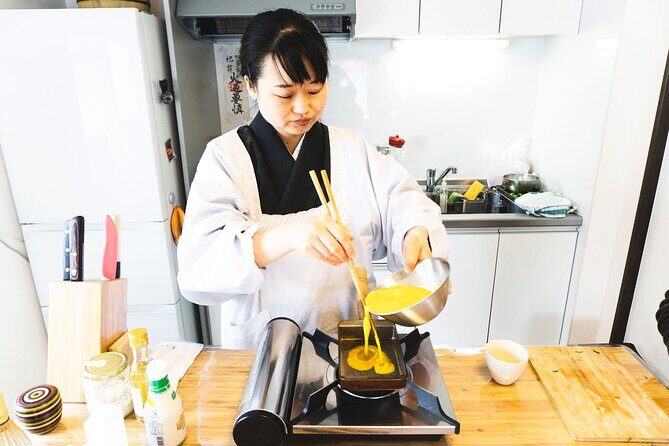
- A private Osaka-home setting: You cook in Yoko’s home, not a demo studio.
- Sake tasting included: It’s part of the meal experience, not an add-on.
- Hands-on + demos: You’ll cook while Yoko also shows techniques live.
- Seasonal menu flexibility: What you make may shift with the season, keeping it local.
- Ingredient-led learning: You’ll see key items like seaweed and dried fish and learn how they’re used.
Why Yoko’s Osaka Kitchen Feels Personal (Not Performative)
This experience is built around a simple idea: Japanese cooking makes more sense when you understand the ingredients and the steps behind them. In Yoko’s home, you’re not just watching. You’re working at the counter with an expert who can explain what to do, why to do it, and what to look for as you cook.
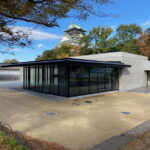
From the start, the tone is welcoming and practical. You meet Yoko at the subway station, then head to her nearby apartment. The place is described as a simple, clean apartment complex near Osaka Castle, which already tells you the vibe: everyday Osaka life, not a staged tourist kitchen. Once inside, you’ll use slippers right away. That small ritual matters because it signals you’re entering someone’s home—and it sets you up to relax and focus.
I also like that the experience is clearly positioned as a cultural visit, not a commercial cooking show. That means you’re more likely to ask questions, get real tips, and leave with recipes you can use later.
One more thing: this is private. Only your group participates. That makes a big difference if you’re traveling with a small crew, or if you just want your own pace without feeling like you’re in the background of a larger class.
You can also read our reviews of more private tours in Osaka



Minami-Morimachi Meet-Up and the Neighborhood Orientation
Your experience starts back at Minami-Morimachi Station (2 Chome-1 Minamimorimachi, Kita Ward, Osaka). Yoko meets you there, and before cooking begins she gives you a small tour of her neighborhood.
That short walk is more than a warm-up. It helps you place Osaka in your head. You’re near a huge landmark area (Osaka Castle), but you’re not spending all your time inside tourist sights. Instead, you get a feel for the kind of local streets people live on, shop on, and cook from.
For practical planning: this is near public transportation, and the experience includes pick up from Minami-Morimachi station. Hotel pickup isn’t included, so you’ll want to plan your route to the station on your own. The good news is that Osaka’s subway system makes this kind of meeting point fairly straightforward.
Slippers, Ingredient Basics, and the Japanese Cooking Mindset
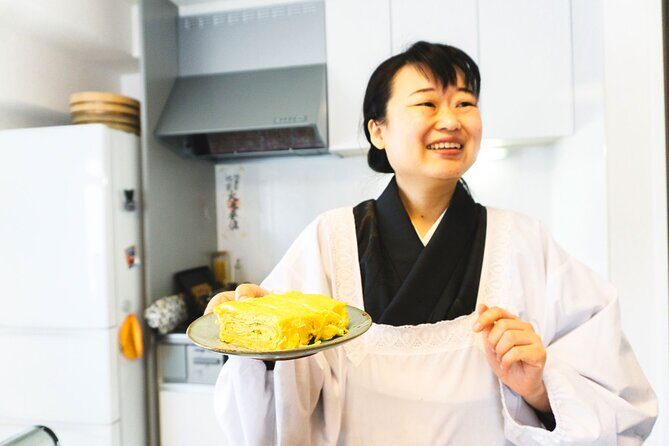
Before the aprons go on, Yoko does the most important prep work: she introduces Japanese cooking techniques and the five different tastes you’ll experience during the class. The idea here isn’t to memorize a flavor theory. It’s to give you a way to recognize what you’re tasting as you cook.
A key part of this stage is seeing and discussing ingredients that many visitors only recognize from packaging or a restaurant menu. You’ll get a look at seaweed and dried fish and learn how they show up in Japanese cooking. Those two ingredients are foundational in a lot of Japanese flavors, from broth depth to umami structure. Even if your goal is just to cook one dish at home, understanding the ingredient logic helps you adjust when you’re using different brands or local substitutes.
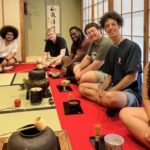
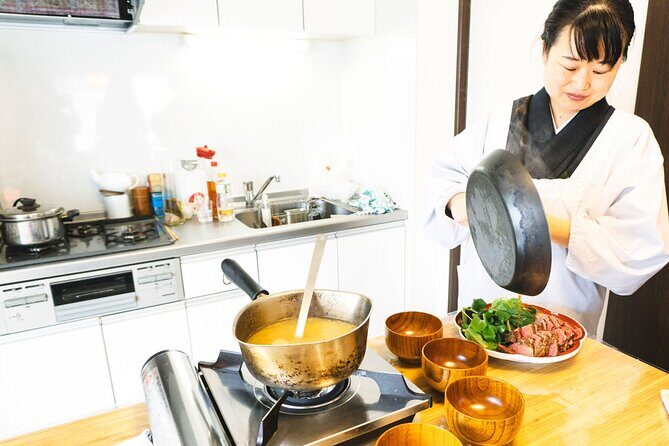
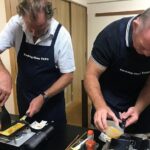
Then it’s time for the kitchen shift: you put on aprons and get ready to cook. This is where the class starts feeling real. You’re not standing around waiting for a finished plate. You’re preparing, cutting, and moving through steps alongside the person who actually cooks daily.
The Cooking Flow: Demos Plus You Cooking Five Specialties
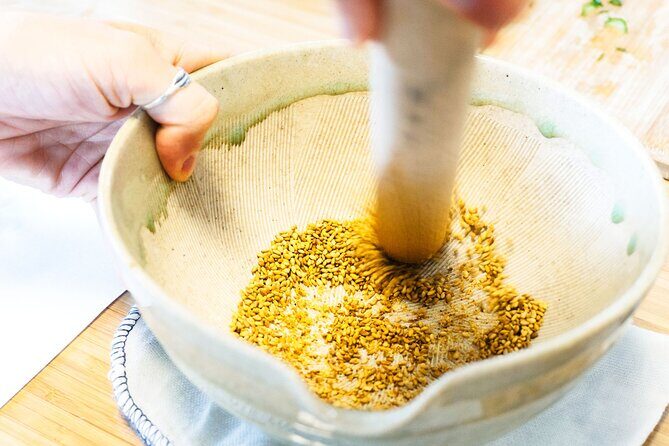
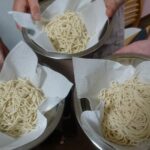
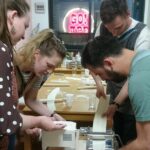
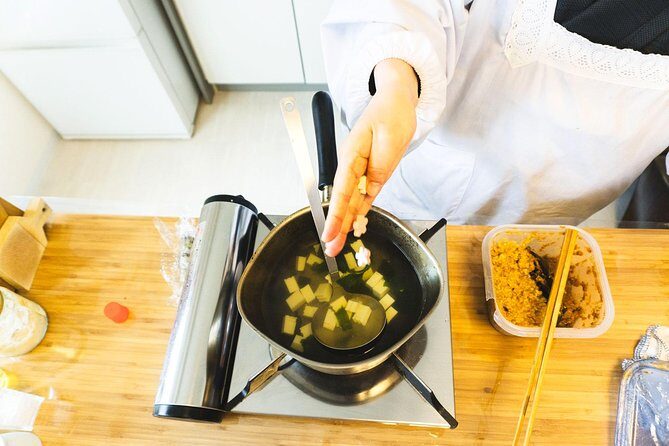
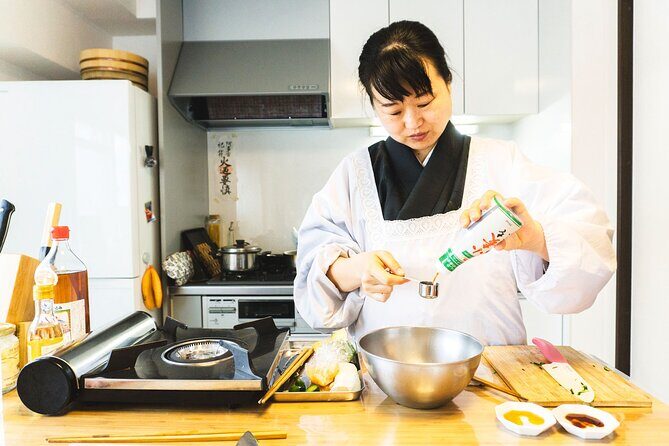
The total duration is about 3 hours. Cooking time is roughly 1.5 hours, and the class format mixes cooking demonstrations with hands-on instruction. Yoko preps a few things before you jump in, so you’re not stuck doing only prep tasks for half the evening.
Here’s the practical way to think about your workload:
- You’ll make three dishes from scratch during your active cooking window.
- You’ll still see how the other dishes come together through live demos and finishing touches.
- The full experience centers on learning a set of five specialties, so your meal at the end is more than one win.
Even if the exact menu changes with the season (it can), the structure stays consistent: you’ll learn techniques, practice the steps for several dishes, and then eat what you made.
This approach is great for two types of travelers:
- People who want a hands-on class that doesn’t feel like busywork.
- People who want to leave with repeatable skills, not just a single recipe.
From the reviews, you can also expect Yoko to explain thoroughly and answer questions as you go. One person even noted that Yoko shared tips for adapting recipes at home when Japanese products are harder to find. That’s a big deal. A recipe is only as useful as its flexibility, and it sounds like Yoko wants you to be successful back in your own kitchen.
What You Might Eat: Sushi, Pancake, Fried Chicken, and Green Tea Ice Cream
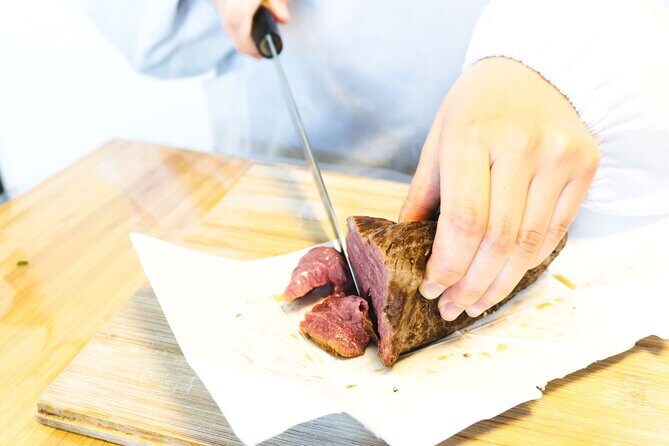
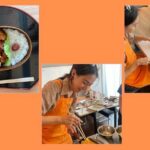
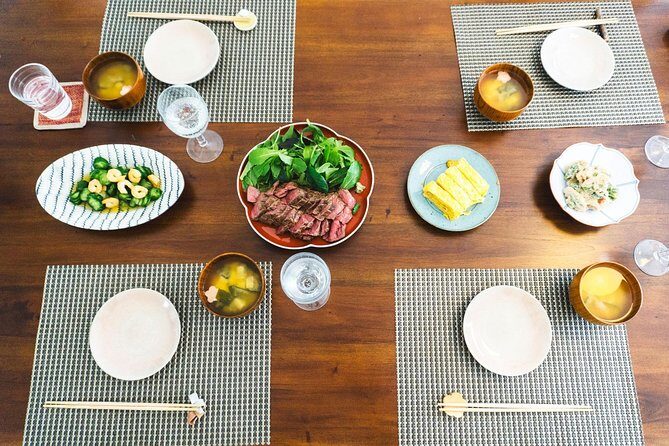
The final meal is shared and home-style, and what you eat can vary by season. Still, the experience description gives you a strong sense of the menu range. Your meal may include things like:
- sushi
- pancake
- Japanese fried chicken
Then there’s dessert: green tea ice cream tops off the experience.
It’s worth pausing on why this matters. Many cooking classes focus on the cooking technique but underdeliver on the eating part. Here, the meal is the point. You’re meant to taste the finished result of what you learned, and it’s shared in a home setting, not an individual takeaway situation. That helps you connect taste to technique while everything is still fresh in your head.
Also, you’re not just eating one dish and going home. You’re working through multiple flavors and textures tied to the class’s five specialties. That gives you a broader picture of Japanese cooking rather than a single-dish snapshot.
You can also read our reviews of more cooking classes in Osaka

Sake Tasting and the Dinner Rhythm
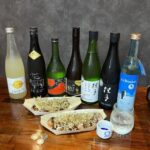
Included in the experience is sake tasting. It’s not described as a heavy drinking event, but it is part of the meal flow, which makes sense for two reasons.
First, sake tasting helps you experience Japanese cuisine as a complete culture package: food plus the drinks that go with it. Second, it fits naturally with cooking because you’ll already be tasting ingredients and learning flavor balance. The tasting becomes another lens for noticing how flavors work together.
Timing-wise, the day’s rhythm is straightforward: meet Yoko, orientation, ingredient and technique intro, cooking in the kitchen, then sit down together to eat what you made. Based on the structure, you’ll likely have enough appetite by the time dinner lands—because you’ve been actively cooking, not just watching.
Pricing and Value: What $182 Gets You in Osaka
At $182 per person for about 3 hours, this isn’t the cheapest activity in Osaka. But the value is mostly in what’s included and what’s not.
You’re paying for:
- a private home cooking class (not a large group studio)
- an expert host, Yoko, with culinary institute training
- a multi-dish lesson focused on Japanese techniques and key ingredients
- hands-on cooking time where you make three dishes from scratch
- sake tasting
- the full home-cooked meal (with items that may include sushi, pancake, Japanese fried chicken, and green tea ice cream)
- a neighborhood orientation before you cook
You also get a recipe mentioned in reviews, and that matters. If you just eat and leave, the value fades fast. Getting recipes turns the evening into something you can reproduce.
Where cost can feel tighter is for solo travelers, since private experiences can price out quickly versus shared group cooking classes. But if you’re traveling as a couple or small group, private instruction can easily feel like the best kind of splurge: you’re paying for attention and a local setting.
One logistical consideration: hotel pickup and drop-off aren’t included. You’ll need to get to Minami-Morimachi station on your own. If you’re already near subway lines, it’s simple. If you’re deep in the opposite side of the city, factor in extra transit time.
Tips to Make Your Class Easier (and More Delicious)
Here’s how to get the most from the evening without overthinking it.
Before you go, decide what you want most. The class covers five specialties, but your personal goal could be:
- understanding ingredients like seaweed and dried fish
- learning technique so you can cook Japanese food at home
- making dishes you actually want to eat again
When you’re with Yoko, ask questions while you cook, not after. That’s when you’ll get the clearest answers tied to what you’re doing at the moment.
If you have dietary needs, plan ahead. Vegetarian and vegan options are available, but you need to advise at booking. Since menus may vary by season, don’t assume a dish will be the same every time. Being explicit early helps Yoko adjust properly.
Finally, keep an open mind about the menu. Even if you’re hoping for a specific item, the seasonal variation is part of the local feel. You’ll still be learning the core techniques that make the dishes work.
Should You Book Yoko’s Private Japanese Cooking Class in Osaka?
Book it if you want a genuinely local cooking evening: a private home, real instruction, hands-on cooking, and a shared meal that matches what you learned. It’s especially worth it if you care about understanding ingredients and techniques, not just collecting a dinner photo.
Skip it if you mainly want a quick, low-effort activity that doesn’t involve cooking time. This class expects you to participate. Also, if you’re staying far from Minami-Morimachi and don’t want to manage your own transit, the lack of hotel pickup might feel like an annoying extra step.
If you’re flexible and you like the idea of learning Japanese cooking from someone who actually cooks at home, this is one of those experiences that can pay off long after your Osaka trip ends—because you’ll have recipes and technique to take home.
FAQ
How long is the Japanese cooking class?
The class lasts about 3 hours (approx.), including time for orientation, cooking, and the meal.
Where do I meet Yoko?
You meet at Minami-Morimachi Station (2 Chome-1 Minamimorimachi, Kita Ward, Osaka, 530-0054, Japan).
Is hotel pickup included?
No. Hotel pickup and drop-off are not included. Pickup is from Minami-Morimachi station.
Is this class private?
Yes. It’s a private experience, and only your group participates.
Does the menu stay the same?
The menu may vary depending on the season.
Can I request a vegetarian or vegan option?
Yes. Vegetarian and vegan options are available, but you need to advise at booking.
What’s included in the experience besides cooking?
It includes a homecooked Japanese meal and sake tasting, plus the neighborhood orientation with Yoko.