REVIEW · KYOTO
Kyoto to Arashiyama Day Trip – Private & Personalized
Book on GetYourGuide →Operated by City Unscripted · Bookable on GetYourGuide
Arashiyama is Kyoto’s calm escape in one day. What I like most is how this private day trip strings together the big hitters (like Tenryū-ji) with quieter corners so you can actually savor the atmosphere, not just check boxes. I also love the way the day builds toward the bamboo grove, with time to slow down and take in the change in light and sound as you move uphill.
The other thing that makes this feel easier is the human touch: guides such as Alex, Brenda, Tess, and Hidetoshi are known for shaping the route to your pace and questions. One drawback to keep in mind is that it’s still a walking-heavy sightseeing day, so if you want long stretches with zero steps, you’ll need to plan carefully and ask your guide to adapt.
In This Review
- Key things that make this Arashiyama trip worth your time
- From Kyoto to Arashiyama: a tram hop that starts the day right
- Tenryū-ji Temple: the garden you can feel in your feet
- Okochi Sanso Villa: heritage with a Hollywood-style garden layout
- Bamboo Grove: the walk uphill is the whole point
- Monkey Park Iwatayama: macaques, rules, and a real sense of place
- The other temple tickets: Jojakko-ji, Gio-ji, Otagi Nenbutsuji, Daikaku-ji
- Hozu-gawa rowing and Katsura River moments: why water changes the whole day
- How the guide personalization really works (and why it’s better than a fixed checklist)
- Price and value: what $242 per person is buying you
- Who should book this Kyoto to Arashiyama day trip
- Should you book this tour?
- FAQ
- How long is the Kyoto to Arashiyama private day trip?
- Is this tour private or shared?
- What languages are available for the guide?
- Where do I meet the host?
- What’s included in the price?
- Are transportation and food included?
- Is the tour wheelchair accessible?
- Can I cancel and get a full refund?
Key things that make this Arashiyama trip worth your time
- Private route planning: you choose the flow, and your guide adjusts based on what you care about most
- Multiple temple visits: tickets cover four temples selected from Tenryū-ji, Jojakko-ji, Gio-ji, Otagi Nenbutsuji, and Daikaku-ji
- Okochi Sanso Villa time: a dedicated stop for the garden-heritage experience (not just a quick photo stop)
- Monkey Park Iwatayama: a specific outing designed around seeing Japanese macaques up close
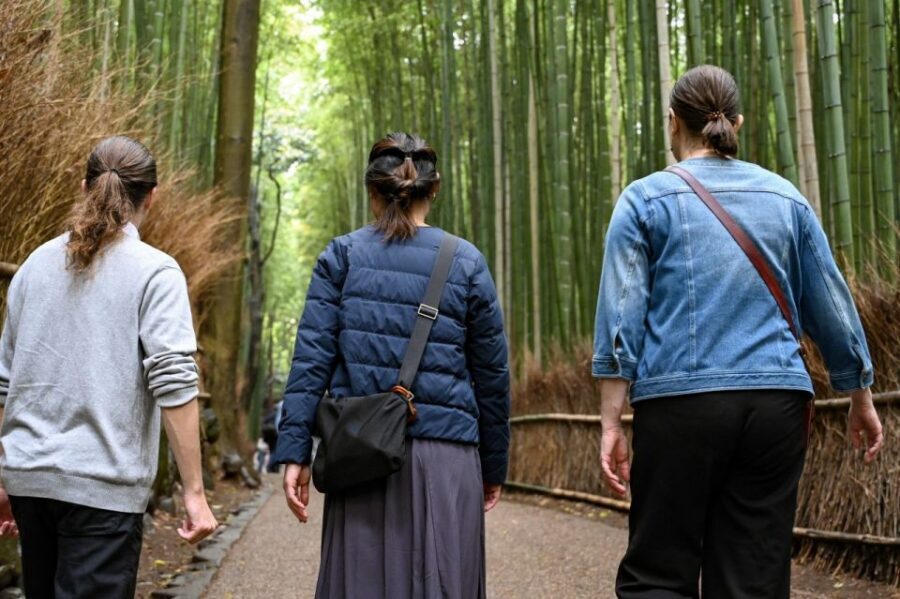
- Bamboo grove momentum: you get to experience it as a walk-through section of the day, not a single stop
- Hozu-gawa rowing: time on the river area in the lower Hozu-gawa zone for a change of pace from temples and trails
From Kyoto to Arashiyama: a tram hop that starts the day right
This day trip starts with a short tram ride out of Kyoto. It’s not a long, exhausting transfer, and that matters because Arashiyama is best enjoyed when you arrive with energy. Since the itinerary is only about six hours total, shaving off transit time helps you spend more of the day on the sights themselves.
Meeting point is straightforward: your host waits in front of Mister Donut. After you book, someone from the local team reaches out to confirm your meeting time and location, and to get enough info to build your personal route. That’s a small detail that pays off later, especially if you have mobility limits, strong preferences (more temples vs. more nature), or timing concerns.
You can also read our reviews of more private tours in Kyoto
Tenryū-ji Temple: the garden you can feel in your feet
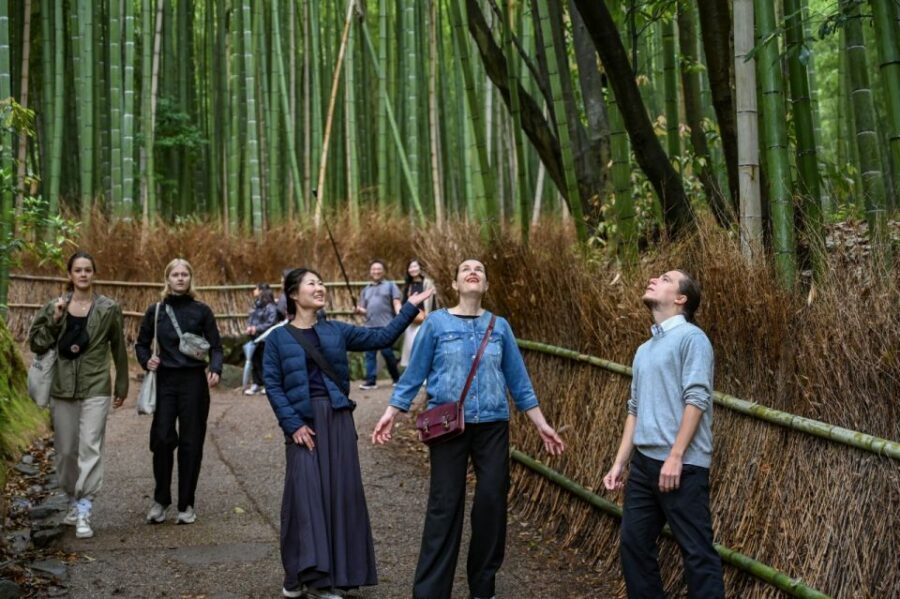
Tenryū-ji is the anchor stop, and for good reason. The temple’s setting is famous for its garden, described as unchanged across centuries. In practical terms, that means you don’t just look at something old from the outside—you walk through a space that still feels composed the way it was meant to be experienced.
What you’ll like here is how Tenryū-ji sets the “Arashiyama tone.” Before you hit the bamboo grove, you get a structured, calm introduction: stone, water cues, and garden views that help your brain shift from busy Kyoto streets into slower Zen time.
One consideration: if you’re the type who gets restless inside quiet sites, you’ll need to lean on your guide’s framing. A good guide can turn a temple visit into a walk with meaning, like noticing sightlines, seasonal touches, and how the paths guide your attention.
Okochi Sanso Villa: heritage with a Hollywood-style garden layout
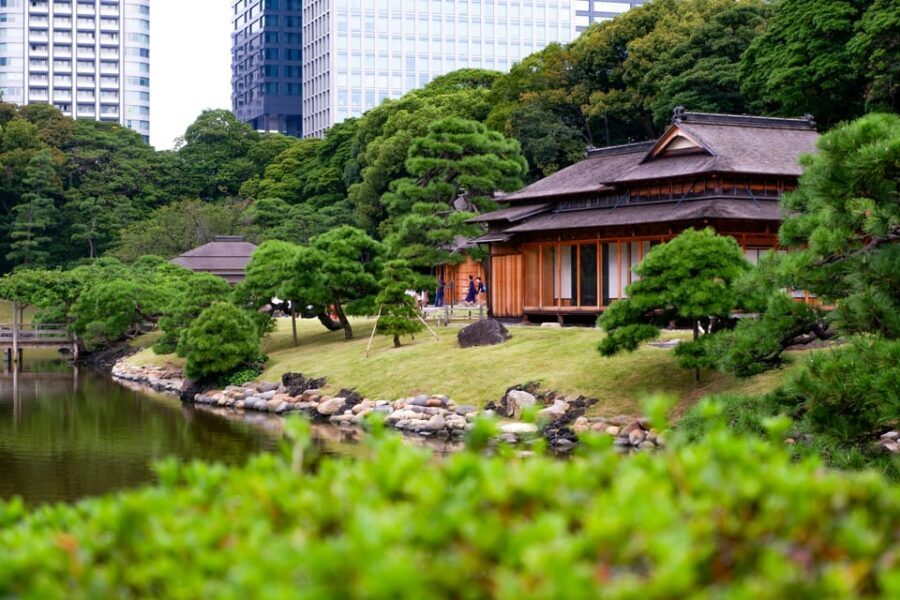
Okochi Sanso Villa is often described in a way that makes it sound like a curated garden set. That’s not a bad thing here. You’re stepping into a place known for a cultivated garden experience, and the villa component gives you a sense of lifestyle—how someone of means enjoyed views, seasons, and controlled beauty.
This stop works especially well in a private format because it’s not about speed. You can linger where your eye goes: the textures, the angles, and the way the paths shape what you see next. Reviews also point out that the staging feels so carefully arranged it can almost feel like a movie set, but with the reality of Japanese garden craftsmanship behind it.
If you’re visiting during peak season, this villa stop is also a nice rhythm break between heavier crowd zones like the bamboo area and the monkey park.
Bamboo Grove: the walk uphill is the whole point
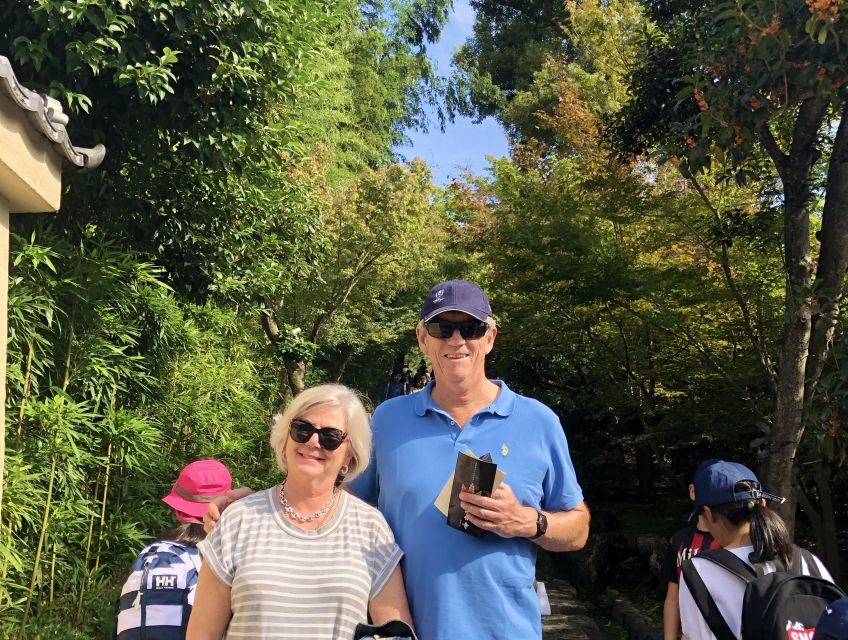
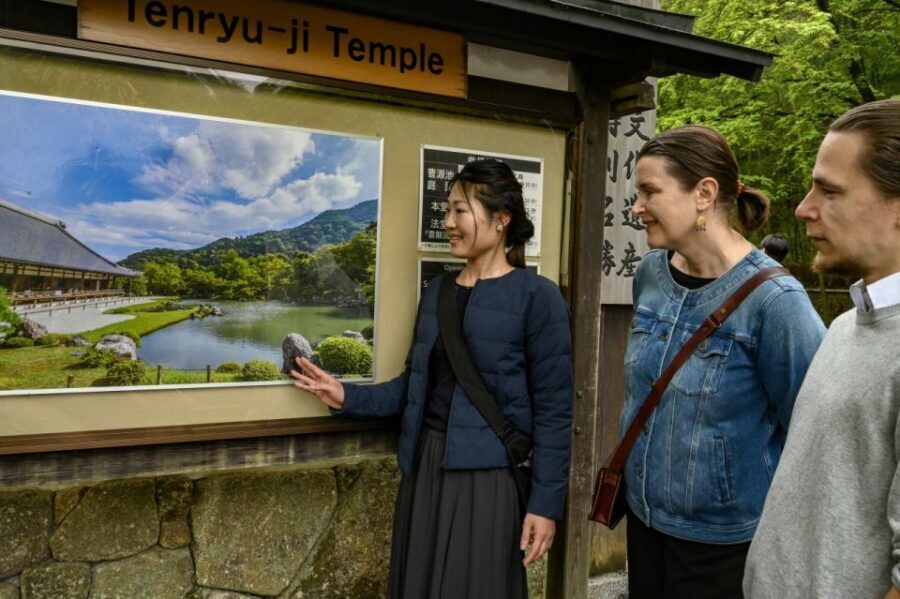
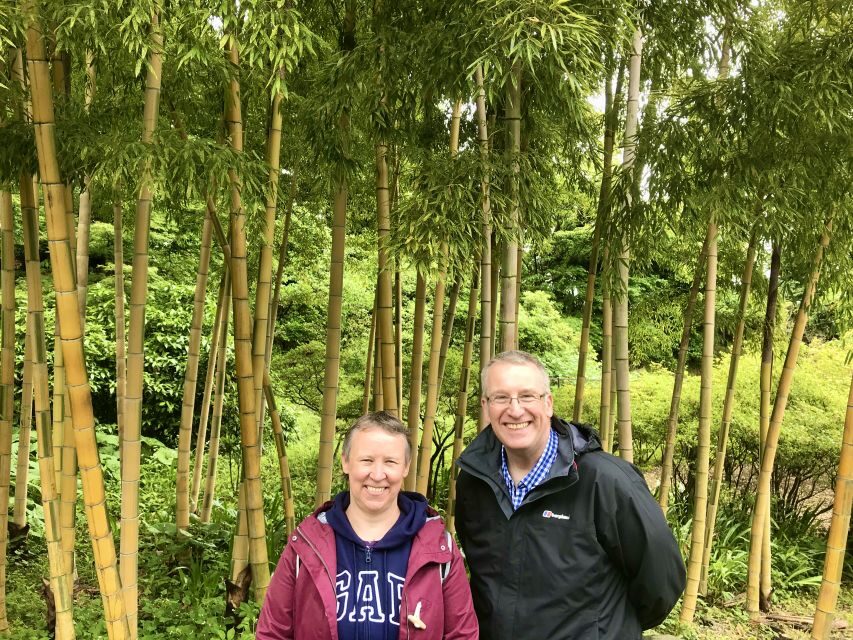
Yes, bamboo grove photos are everywhere. But the reason people keep returning isn’t the photos—it’s the experience of walking through it. This tour takes you through the famous Bamboo Grove area after you leave the Tenryū-ji zone, with the walk moving in a way that feels like it gradually climbs.
The difference a guide makes is pacing and timing. There’s a common pattern with independent trips: you arrive, you fight the crowd flow, you snap photos fast, and then you’re stuck heading out. Here, the day is built so the bamboo grove is treated as part of the journey, not a single timed stop.
If you can, book an early time slot. The tour itself suggests this approach for crowd avoidance. Even if you can’t get the earliest slot, asking your guide to position the bamboo grove segment for lighter traffic can make a noticeable difference in how enjoyable it feels.
Comfort tip: wear shoes that forgive uneven ground. It’s a stroll, but it’s still a stroll with footsteps.
Monkey Park Iwatayama: macaques, rules, and a real sense of place
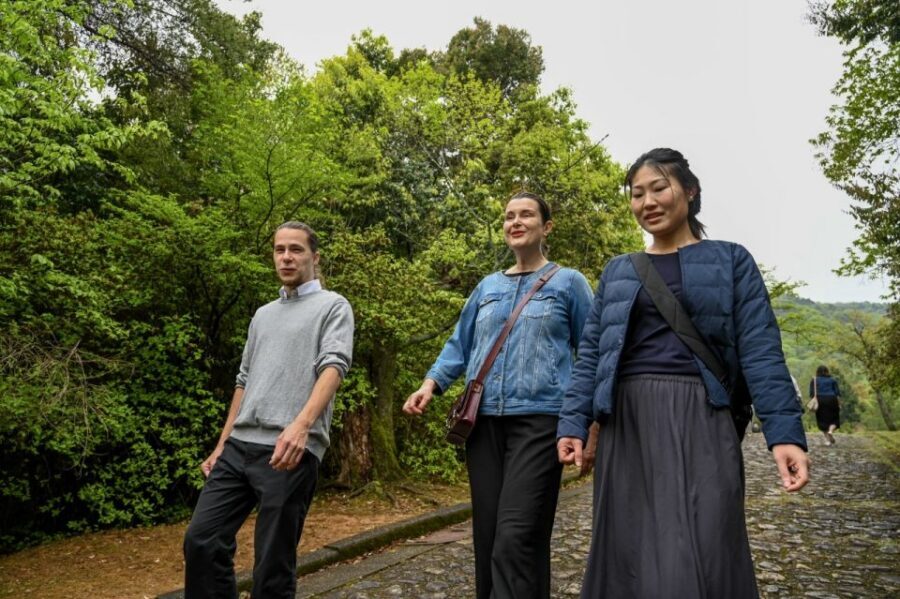
Arashiyama wouldn’t feel complete without the monkey park segment. Monkey Park Iwatayama is where you look for Japanese macaques, and it’s designed to give you that moment of seeing wild animals in an organized viewing area.
One of the practical reasons this stop is worth including is variety. After temples and bamboo, the monkey park gives you a living, moving layer to the day. The pace shifts again: you’re watching, waiting, and reacting to animal behavior rather than following a garden path.
A consideration is logistics of time and behavior. If you’re hoping for guaranteed action, plan with flexibility. Macaques do what macaques do. A good guide can help you read what’s happening—like where the attention is focused and when it makes sense to move to another viewpoint so you don’t miss the moment.
A few more Kyoto tours and experiences worth a look


The other temple tickets: Jojakko-ji, Gio-ji, Otagi Nenbutsuji, Daikaku-ji
Your ticket package includes admissions for four temples chosen from the list: Tenryū-ji, Jojakko-ji, Gio-ji, Otagi Nenbutsuji, and Daikaku-ji. Tenryū-ji is a featured part of the day, while the rest depend on how your guide builds your ideal mix.
Here’s why this matters for your experience: Arashiyama isn’t just one temple and one bamboo grove. It’s a whole cluster of spiritual and historical spaces, and different temples often feel different in tone. Adding more than one can turn your day into a “choose your mood” experience—quiet Zen pause, a more distinctive hillside temple setting, or another garden-like approach to nature.
Keep an eye on your own energy. There’s a walking component across multiple sites, so if you’re sensitive to legs fatigue, it’s worth telling your guide early that you’d rather trade one extra stop for more time in each place.
Hozu-gawa rowing and Katsura River moments: why water changes the whole day
The day also includes a river experience in the Hozu-gawa area, with time for renting a boat and rowing across the lower Hozu-gawa waters. This is where Arashiyama stops feeling like a walking circuit and starts feeling like a place.
Sitting in a boat—moving slowly between green mountains and along the river corridor—gives your senses a reset. The bamboo and temples engage your eyes and legs; the river engages your body in a different way. Even if you’re not a “water person,” this segment tends to land because it creates space between the major sightseeing hits.
You might also get the chance to walk across the Katsura River area for views. Whether that fits depends on how your guide builds your route, but it’s the kind of small scenic option that can make the day feel more rounded.
Important practical note: food and drinks aren’t included. If you want to enjoy the river time without hunger stress, bring a simple snack or plan a meal stop with your guide’s pacing.
How the guide personalization really works (and why it’s better than a fixed checklist)
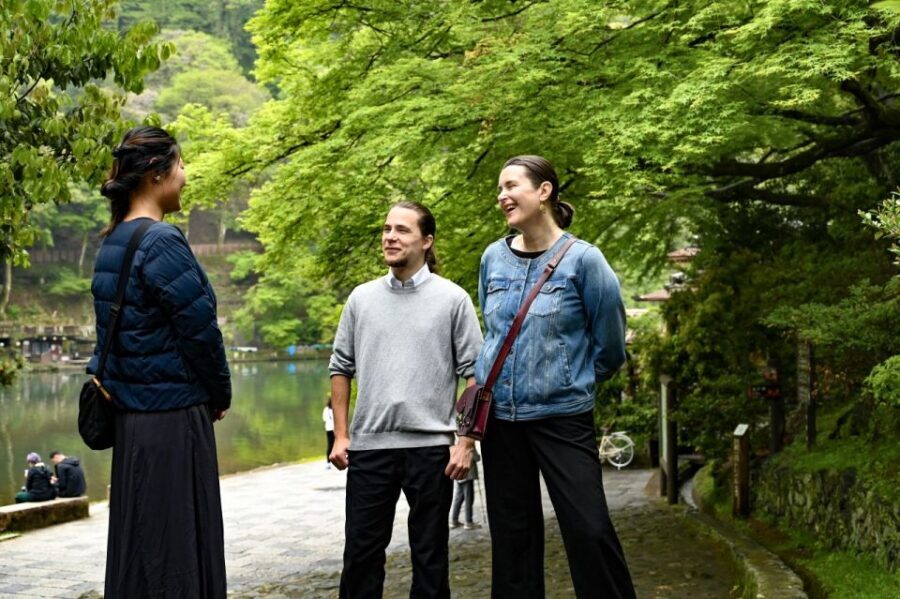
The itinerary is fully personalized. That means you’re not locked into one exact order no matter what your day feels like. Your host contacts you after booking to learn your preferences and special requirements, then arranges a meeting time and location.
What I like about this approach is that it makes Arashiyama feel like it’s designed around your interests. If you care most about the nature side, your guide can likely weight your time toward bamboo and the river. If you want more temple variety, you can emphasize the temple mix drawn from the ticket list.
Guide personality also matters, and the strong ratings tie to exactly that. People have praised guides for being energetic, fun, and supportive with questions—one review specifically highlighted a guide who loved photography and helped build the experience around images without turning it into a rushed camera mission.
A small practical tip: if you have questions about Japan—culture, etiquette, what you’re seeing—ask early. A guide can often explain more effectively before you get distracted by the next stop.
Price and value: what $242 per person is buying you
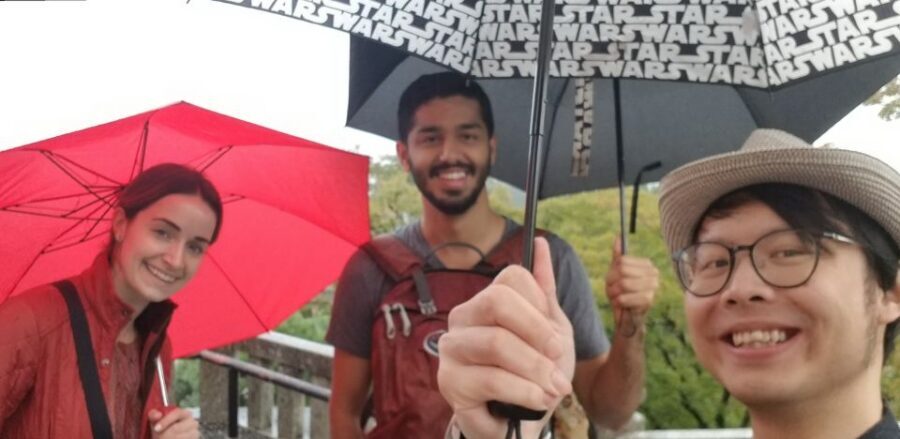
At $242 per person for a six-hour private tour, the cost isn’t bargain-basement. But value here comes from what’s included, and from how much easier private guidance makes the day.
Included:
- A tour guide (English or Japanese)
- Tickets for four temples from the listed group
- Tickets to Okochi Sanso Villa
- Tickets to Monkey Park Iwatayama
Not included:
- Transportation fees
- Food or drinks
So you’re paying for three things at once: expertise, admissions, and time efficiency. If you were doing this on your own, you’d still pay admission fees and you’d spend mental energy planning routes, managing crowd flows, and timing the bamboo grove and temple circuit. A private guide turns that planning into a smoother day.
Where the price can feel less justified is if you’d rather move entirely on your own, or if you don’t want multiple paid admissions. In that case, a cheaper group or self-guided day might fit better.
Who should book this Kyoto to Arashiyama day trip
This is a great match if you want:
- A private, adjustable day plan in Arashiyama
- Multiple must-sees: Tenryū-ji, bamboo grove, Okochi Sanso Villa, and Monkey Park
- A river experience with boat rowing time in the Hozu-gawa area
- A guide who can explain what you’re looking at and help tailor pacing
It might be less ideal if:
- You strongly dislike walking and want minimal steps
- You want fully independent control with no guide input
- You’re planning to rely on included transportation and meals (those aren’t part of the package)
Should you book this tour?
If your ideal Arashiyama day includes more than photos—like temple garden time, a meaningful bamboo grove walk, macaque viewing, and at least one river segment—this tour is a strong pick. The biggest reason to book is the private format: you’ll be able to shape the order and pacing based on your interests, instead of being herded through a schedule.
If you want Arashiyama to feel calm and human-sized, choose an early start time slot and tell your guide what you want to prioritize. Do that, and the day stops being a checklist and starts feeling like a real slice of Japan.
FAQ
How long is the Kyoto to Arashiyama private day trip?
The tour duration is 6 hours.
Is this tour private or shared?
It’s a private group tour.
What languages are available for the guide?
The live tour guide is available in English and Japanese.
Where do I meet the host?
Your host will be waiting in front of the Mister Donut.
What’s included in the price?
The price includes the tour guide, tickets to 4 temples (from the listed options), tickets to Okochi Sanso Villa, and tickets to Monkey Park Iwatayama.
Are transportation and food included?
No. Transportation fees and food or drinks are not included.
Is the tour wheelchair accessible?
Yes, it is wheelchair accessible.
Can I cancel and get a full refund?
Yes. Free cancellation is available up to 24 hours in advance for a full refund.