REVIEW · MIYAZU
Kyoto Amanohashidate,Ine Bay Trip with Optional boat/Ropeway
Book on GetYourGuide →Operated by TAIHOU CO,LTD · Bookable on GetYourGuide
A quiet coast day from Kyoto hits different, and I really like the funaya boat houses and the fan-shaped omikuji at Chionji Temple. The trade-off is simple: it’s a long day on the bus, and the stops move at a brisk pace.
This tour is built for people who want nature and culture, not just shopping, with a sightseeing boat ride on Ine Bay and an optional cable car up toward Amanohashidate Viewland. Guides like Jay and Liu (often assisted with app-style message updates) explain the sights in English, Japanese, and Traditional Chinese, so you get context without getting stuck in a script.
In This Review
- Key things I’d circle on this day trip
- The big idea: why Ine Bay + Amanohashidate feels worth it
- Morning drive: Osaka and Kyoto pickup, then straight toward the sea
- Ine Funaya: the boat-house waterfront that turns into a photo loop
- Ineura Park and Ine Town: slow stroll, Edo-era vibe
- The boat cruise on Ine Bay: birds, sea air, and a different viewpoint
- Amanohashidate Viewland option: the ropeway/cable car photo angle
- Chionji Temple: fan-shaped omikuji for wisdom and career wishes
- Rotating bridge and the Amanohashidate sandbar walk: pace it like a pro
- Eagles, seabirds, and a few real-world safety habits
- Price and value: what you’re paying for in this 10-hour format
- Guide quality: why names like Jay and Liu keep coming up
- Who this trip is best for (and who should rethink it)
- Should you book it? My straight answer
- FAQ
- How long is the Kyoto, Ine Bay, and Amanohashidate day trip?
- Where are the pickup and drop-off locations?
- Is food included in the price?
- Do I need cash during the tour?
- Is the cable car/ropeway part of the tour?
- What languages is the live guide available in?
Key things I’d circle on this day trip
- Ine Funaya funaya boat houses: Edo-era waterfront homes with boats housed on the lower floor
- Ine Bay from the water: a relaxed cruise where seabirds can get very brave
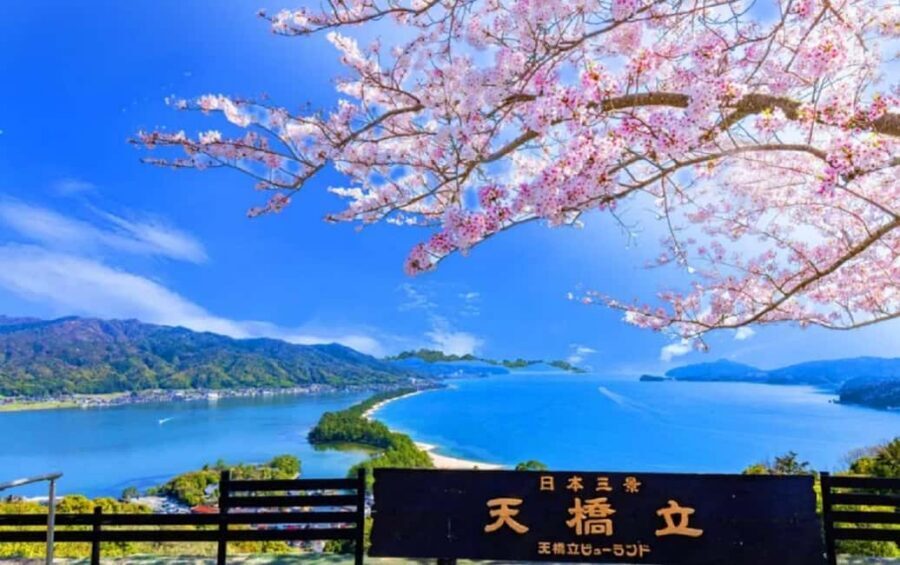
- Amanohashidate Viewland option: cable car for the best sandbar perspective and fun upside-down photos
- Chionji Temple omikuji: a fan-shaped fortune tied to wisdom, school, and career hopes
- Amanohashidate sandbar walk: the rotating bridge plus a quiet stretch of shore
- Good value for a guided full day: transport, guide, tolls, parking, and driver are included
The big idea: why Ine Bay + Amanohashidate feels worth it
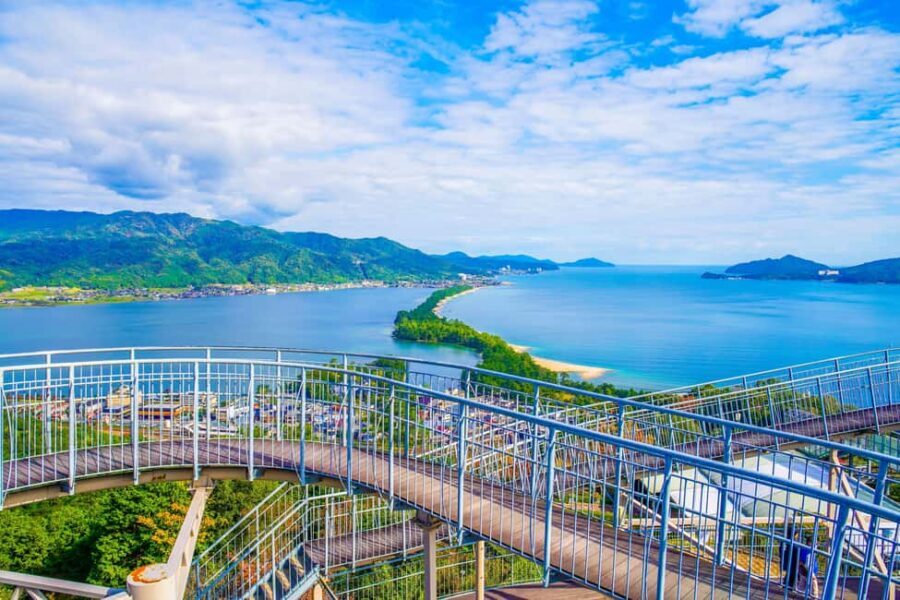
Kyoto is famous for its old streets and temples, but this day trip takes you to a different side of Japan: coastal villages, sea birds, and two famous scenic spots that feel less crowded than Kyoto’s core. You’re basically getting contrast—Japan’s inland elegance on one side, and maritime daily life on the other.
I like that the day is structured enough to be easy, but flexible enough to let you linger when something grabs your attention. And with a professional driver plus a multilingual guide, you spend less energy figuring things out and more energy looking at the water.
The one thing to keep real in your head: you’re signing up for serious bus time. It’s over two hours each way from Kyoto, so this works best when you treat the ride as part of the experience.
You can also read our reviews of more tours and experiences in Miyazu.
Morning drive: Osaka and Kyoto pickup, then straight toward the sea
You can start from one of two meeting points: Kyoto Station (Hachijoguchi) or Nipponbashi Station (exit 2). Either way, you’re placed on an air-conditioned bus with an organized route and a guide who keeps the day running on schedule.
That “schedule” part matters. One theme in people’s experiences is that once the tour is underway, it feels smooth—especially when the guide clearly explains timing and what to do when you arrive. On a longer road trip like this, good communication can be the difference between calm excitement and unnecessary stress.
If you’re coming from Kyoto, set your expectations for a long transit window. Bring water (and some snacks if you like), because food isn’t included.
Ine Funaya: the boat-house waterfront that turns into a photo loop
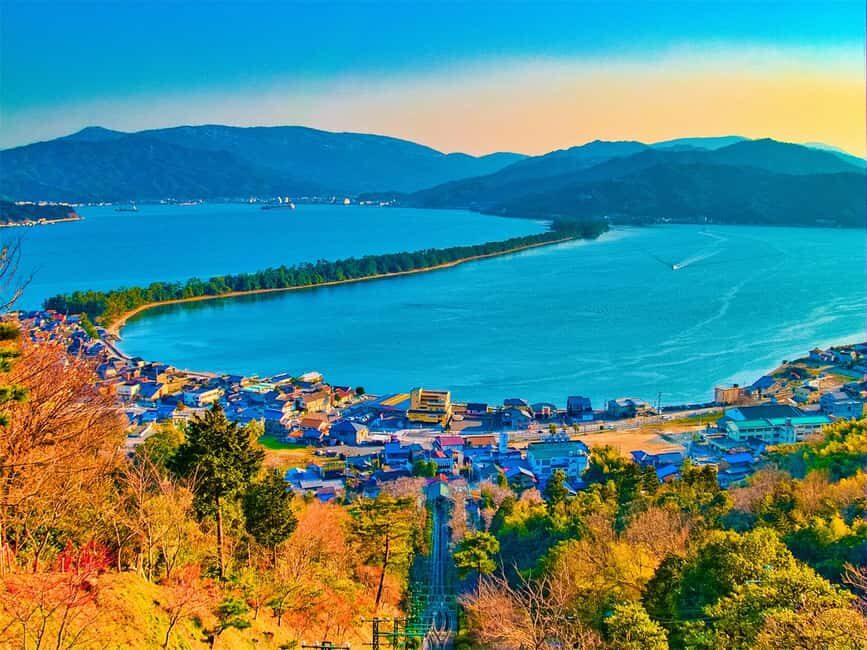
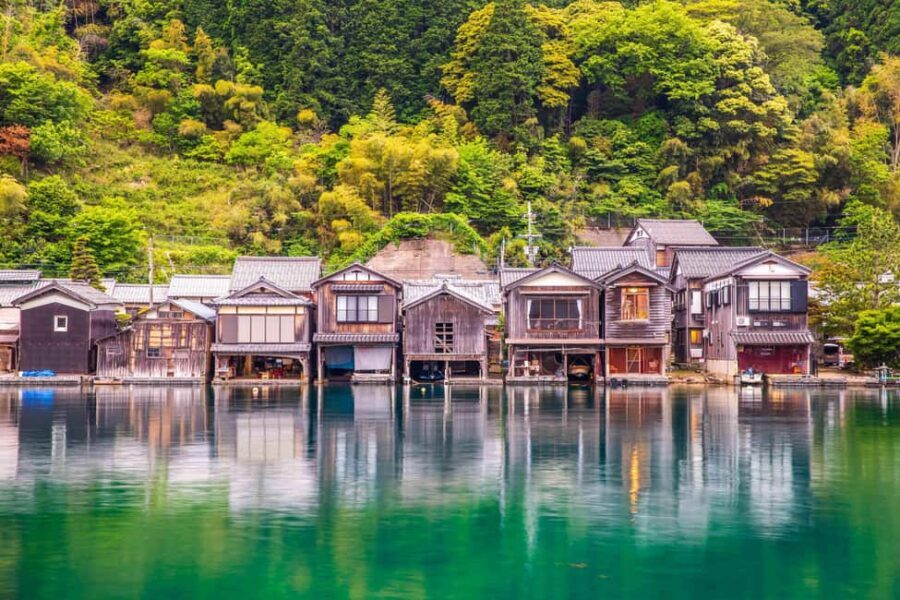
Ine Bay’s most eye-catching feature is the funaya—two-story wooden houses built right along the shoreline. The basic idea is practical and poetic: boats are parked on the first floor, and the living space sits above. It’s one of those places where the architecture isn’t just for show; it’s tied to how people work and live with the water.
Expect the day to include at least one funaya-focused stop with photo time and walking. This is the moment where you’ll likely stop thinking in “tour mode” and start thinking like a photographer: angles, reflections, and the neat rhythm of houses facing the bay.
A small caution: the group pace can mean you won’t have unlimited time to sit and enjoy a slow drink. One experience mentioned that the Ine time window can feel short, so if you want a full café break, plan snacks ahead and use the free time efficiently.
Ineura Park and Ine Town: slow stroll, Edo-era vibe
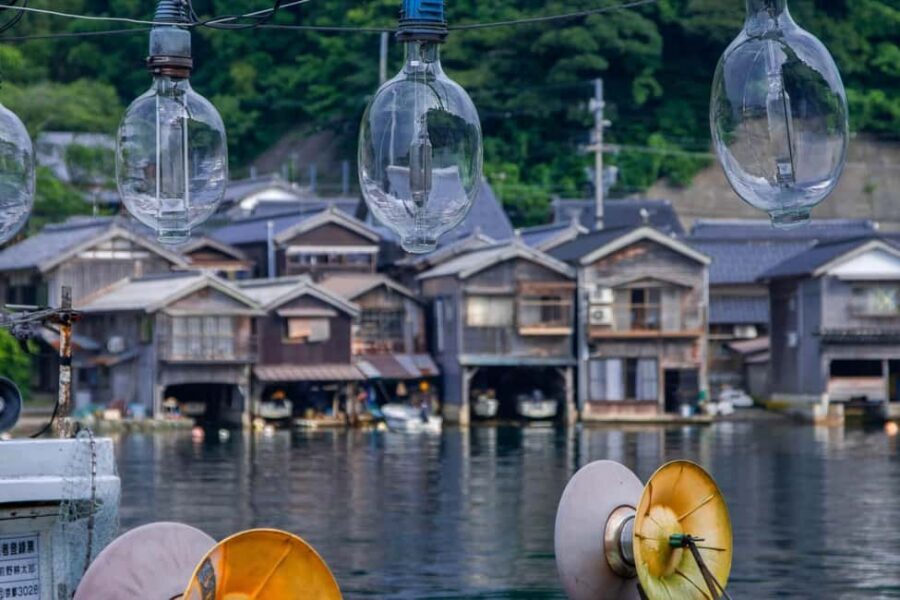
After the iconic shoreline views, you’ll spend time around Ine Town and the areas where the fishing culture shows up in details. Wooden boat houses remain visible, and the streets feel quieter than the headline attractions. This is where the day becomes more than “look and move”—you get a chance to see the town in a more human scale.
What you’re really aiming for here is not a checklist. It’s atmosphere. When you walk through Ine Town, you get a better sense of why boat houses belong to the daily rhythm of a coastal community.
If you’re traveling with kids or anyone who likes photography but also wants breathing room, this part helps. Short walks, open views, and easy sightseeing generally work well for mixed groups.
The boat cruise on Ine Bay: birds, sea air, and a different viewpoint
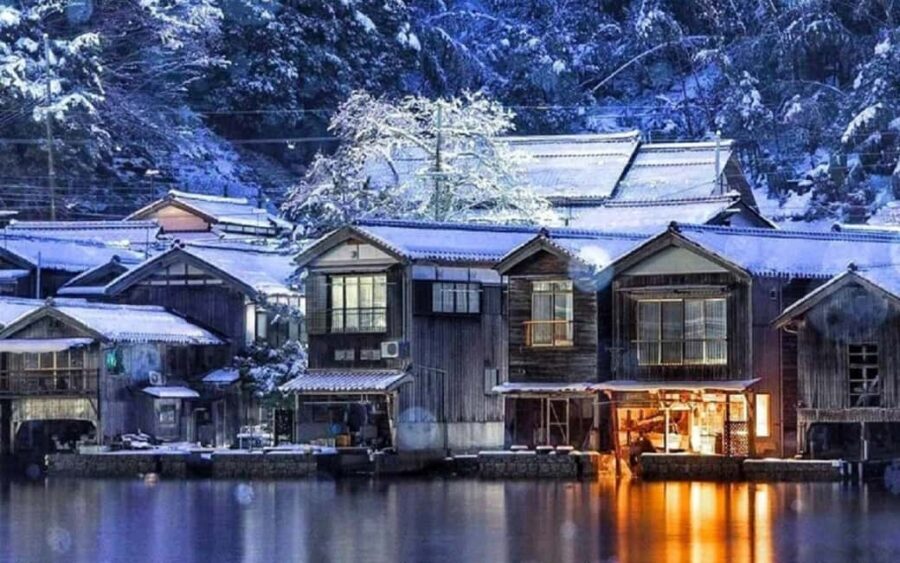
Then comes one of the best reasons to do this trip: a sightseeing boat ride on Ine Bay. From the water, the funaya line looks completely different. You’re lower than the houses, so the bay feels wider, the shore feels longer, and the whole coastline gets easier to read.
People also note the bird factor. Seagulls can circle closely, and there are accounts of birds becoming part of the show. If your guide allows it, you may even get a chance to feed seabirds from the boat—just follow whatever safety rules you’re given.
This is a good moment to step out of “museum brain.” The sea breeze hits, your ears hear the water, and you get movement. It’s also one of the stops that tends to deliver fun memories, even for people who don’t normally care about guided tours.
Amanohashidate Viewland option: the ropeway/cable car photo angle
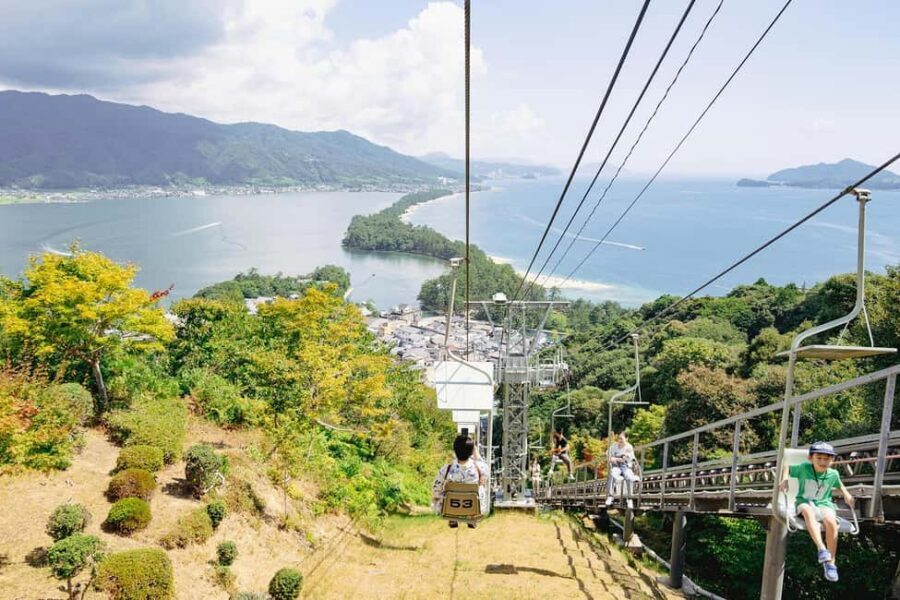
Amanohashidate’s sandbar is the kind of sight that looks dramatic from a distance and even better from above. That’s why the cable car/ropeway option is popular. If you choose it, you’ll rise slowly to Amanohashidate Viewland and reach an observatory with panoramic views over the bay.
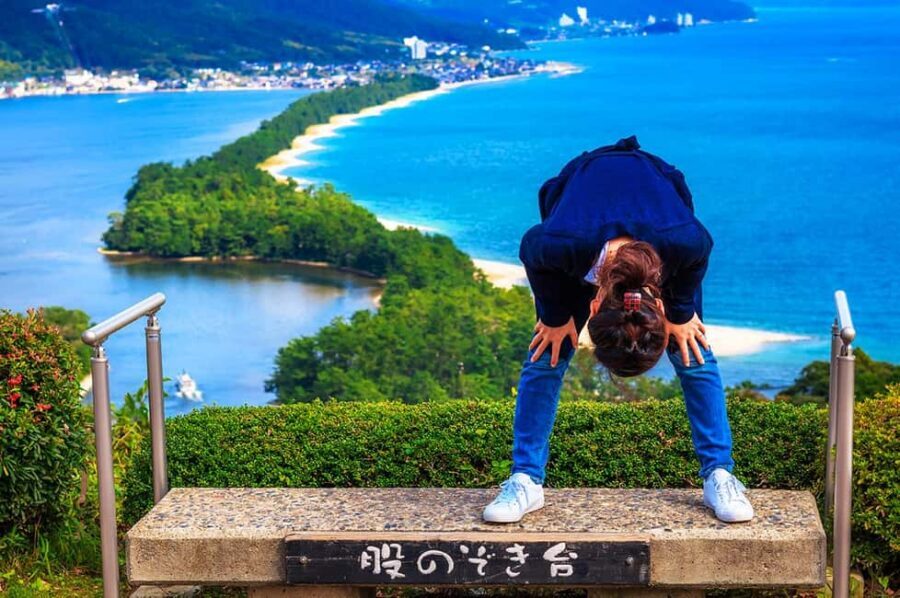
One of the most talked-about details here is the name image: the sandbar stretches across like a dragon flying through the sky. The photo opportunity is obvious, but the better value is how the view helps you understand the geography—why this thin strip of land became famous in the first place.
There’s also a fun “upside-down” viewing style described for the observatory. I’d treat that as optional entertainment, not a requirement. If you love photos, do it. If you just want the view, you can skip the trick and still get plenty.
Chionji Temple: fan-shaped omikuji for wisdom and career wishes
Right near the sandbar area is Chionji Temple, dedicated to Monju Bosatsu, tied to wisdom. In plain terms, people come here to ask for clarity of mind, academic success, and career progress.
The standout moment is the fan-shaped omikuji fortune. You draw one, and it becomes both a meaningful ritual and a small souvenir you can actually keep. It’s the kind of stop that doesn’t need a long time to be worthwhile—especially if you’re the kind of person who likes traditions you can participate in, not just watch.
Also: temple visits are usually easier for slowing down after transport and bus pacing. You get a short pause where the day turns quieter.
Rotating bridge and the Amanohashidate sandbar walk: pace it like a pro
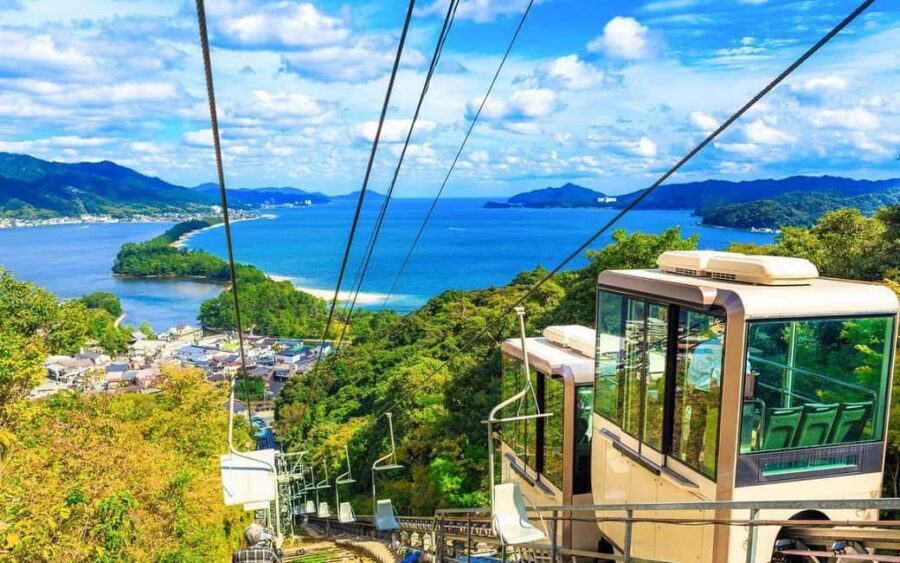
After Chionji, you cross the famous rotating bridge and continue onto the soft sandy path of Amanohashidate. This is the stretch you’ll want to experience slowly, even if you’re in a group.
It’s not just walking for the sake of walking. The sound of waves and sea breeze gives you a reset. You’re turning the trip from “sightseeing stops” into a single coastal experience.
A practical note: this is also a place for careful footing. The sand can be uneven, and you’ll be mixing casual strollers with people racing for the best photo angles. If you want nice photos, step aside to avoid being in the traffic flow.
Eagles, seabirds, and a few real-world safety habits
There’s a heads-up about eagles and seabirds, especially during time around Ine’s waterfront and the surrounding airspace. It doesn’t mean panic. It means you should keep your head up and avoid sudden movements, especially with food in hand.
If you plan to feed birds (if your guide encourages it), follow your guide’s instructions exactly. Don’t improvise. The point is to enjoy the moment safely, not to chase birds closer.
Price and value: what you’re paying for in this 10-hour format
At about $63 per person for a 10-hour day, the value isn’t just the attractions. It’s the logistics package: pickup and drop-off, an air-conditioned bus, a multilingual live guide, expressway tolls, parking fees, and a professional driver.
That matters because transportation in Japan can be time-consuming to piece together. Paying for an organized day trip is often the smartest move when you want scenic wins without spending your day on transfers.
What’s not included is also important: food and drinks. This is one of the few weak spots. Food options near famous scenic stops can be hit-or-miss, and one experience described the restaurants as mediocre and the convenience store as too small for a proper restock.
So here’s my practical advice: treat this like a long outing. Bring water, add cash for places that don’t take cards, and pack snacks if you’re picky. That’s how you protect the overall day quality.
Guide quality: why names like Jay and Liu keep coming up
The tour experience is heavily shaped by the guide. People named guides such as Jay, Liu, Matthew, Maxey, and Amy San, and they consistently describe the same strength: clear explanations plus keeping things on track.
I’d use that as a deciding factor. If you get a guide who can translate the “why” behind the sights and also manage timing, you feel smarter as you go. If you get a guide who struggles, you might still see the places, but the day can feel more stressful.
One more bonus detail: some guides provided extra support through messaging to help you find the group and stay updated. On a busy day trip, that can prevent wasted minutes.
Who this trip is best for (and who should rethink it)
This tour is a good fit if you want:
- A guided coastal day from Kyoto/Osaka without planning transit yourself
- Funaya architecture and sea views more than shopping
- A mix of free time and structured stops
- To add an observatory view via cable car option if you like photo angles
You might want to rethink it if:
- You hate long bus rides and prefer short local loops
- You expect this to be a food-focused day (it isn’t)
- You need a long, sit-down break at each stop. The time at Ine can feel tight, and you’ll likely move on with the group.
Should you book it? My straight answer
Book it if your dream day includes Ine Bay’s funaya, a boat ride, and a walk on Amanohashidate—and you’re okay bringing your own snacks and managing a travel-heavy schedule. At this price, you’re buying transport and interpretation, not a slow, leisurely vacation pace.
Skip (or choose a different format) if you want a food-and-café day, or if you’re sensitive to tight timing. This is a “see the sights, get the views” day trip, not a linger-and-luxury experience.
If you go, do two things that make it work better: wear comfortable shoes (you’ll be walking), and bring some cash and water so you’re never stuck deciding on the spot.
FAQ
How long is the Kyoto, Ine Bay, and Amanohashidate day trip?
The total duration is about 10 hours.
Where are the pickup and drop-off locations?
Pickup and drop-off are offered at two designated meeting points: Kyoto Station (Hachijoguchi) and Nipponbashi Station (exit 2). The exact meeting point can vary based on the option you booked.
Is food included in the price?
No. Food and drinks are not included, so plan for lunch/snacks on your own.
Do I need cash during the tour?
Yes, bring cash. Some locations may not accept credit cards.
Is the cable car/ropeway part of the tour?
The cable car/ropeway to Amanohashidate Viewland is listed as an optional activity.
What languages is the live guide available in?
The live guide is available in English, Japanese, and Traditional Chinese.