REVIEW · MIYAZU
Kyoto: Miyama Village, Amanohashidate & Ine Bay Day Trip
Book on GetYourGuide →Operated by TAIHOU CO,LTD · Bookable on GetYourGuide
Three shorelines and a thatched village in one day. I love the funaya boat houses at Ine Bay, and I love ending at Miyama Kayabuki no Sato, where over 40 Edo-style thatched houses feel like you stepped into another pace of life. What makes this tour especially interesting is that it strings together big-name scenery and quieter mountain village life in one smooth, guided day.
My second big win is the rhythm: you get guided context at key sights, then real free time to wander, shoot photos, and snack on whatever you find nearby. The main drawback to consider is the tempo—this is a full-day loop with long transfers, so if you want to linger for hours at one place, you might feel the time squeeze and there are extra-paid options along the way like the Amanohashidate cable car.
In This Review
- Key highlights in plain terms
- Why Ine Bay, Amanohashidate, and Miyama work as one day trip
- Leaving Osaka early: how the day actually starts
- Ine Bay funaya: 230 boat houses and the calm rhythm of the sea
- Amanohashidate: walking the bridge-to-heaven views and praying with purpose
- Miyama Kayabuki no Sato: thatched-roof village where you can spot the old design
- Price and value: does $63 make sense for this 10-hour route
- Timing and pacing: how much time you really get at each place
- What to pack and how to handle the small rules
- Who should book this trip, and who should skip it
- So, should you book it?
- FAQ
- What’s the meeting point in Osaka?
- How long is the day trip?
- Are the cable car and boat experiences included?
- What’s included in the price?
- Is lunch included?
- Is this tour suitable for mobility impairments?
Key highlights in plain terms
- Ine Bay’s funaya boat houses: about 230 traditional two-story boat homes sitting over the water, still used for daily life
- Amanohashidate views that actually earn their hype: pine-lined sandbar plus the cable car option to reach View Land
- Temple stops with a purpose: Chion-ji Temple and Monju-do Hall, plus prayer spots for academic success
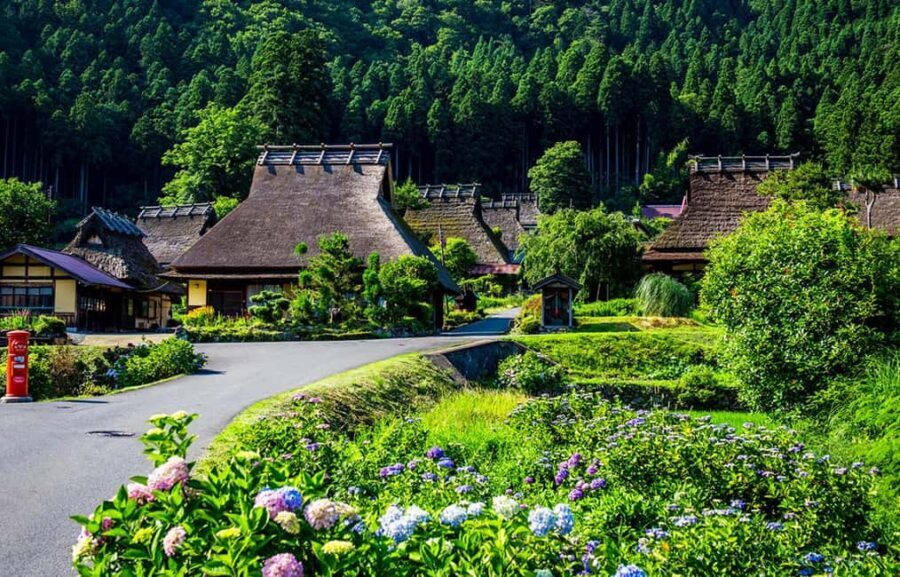
- Miyama Kayabuki no Sato: one of Japan’s remaining thatched-roof villages, with Edo-period architecture details you can spot in person
- Time for you: each major stop mixes guided storytelling with open walking time
Why Ine Bay, Amanohashidate, and Miyama work as one day trip
This tour is built around contrast, and that’s the value. You start with the seaside world of Ine Bay, where houses face the water and tides still matter. Then you pivot to Amanohashidate’s pine-covered sandbar and temple prayers, before finishing in Kyoto’s northern mountains among thatched homes.
The best part is you don’t have to stitch together multiple train transfers and schedules. A comfortable, air-conditioned bus handles the between-spot driving, and the guide keeps the day coherent so you’re not just moving from one photo stop to the next.
A few more Miyazu tours and experiences worth a look
Leaving Osaka early: how the day actually starts
Meet at Nipponbashi Station Exit 2 around 7:05 AM, then the bus departs at 7:20 AM. The key logistics point is simple: arrive about 15 minutes early. The bus leaves on time and won’t wait for latecomers, so set yourself up for an easy start.
Once you’re on board, the ride does two things for you. First, it compresses travel time that would take multiple hops by public transit. Second, it gives you a “buffer brain” for the day: you can relax before the sightseeing starts, not scramble to figure out where you are.
The schedule drives you to Ine first, with roughly 2.5 hours on the road. That early head start also helps you arrive before the biggest crowds build at the coastal spots.
Ine Bay funaya: 230 boat houses and the calm rhythm of the sea
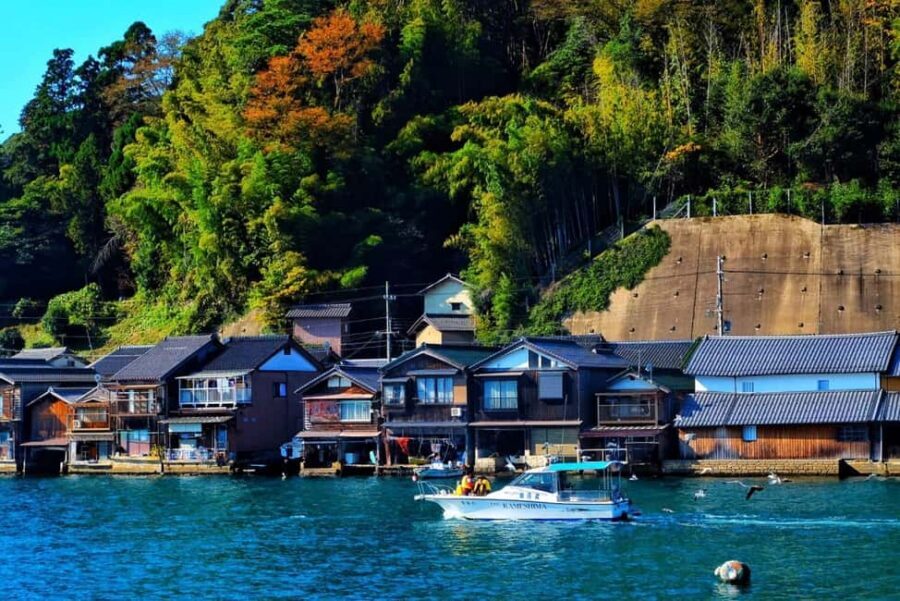
Ine Bay is the kind of place where your brain has to adjust from city life to water life. You’re looking at around 230 funaya, traditional boat houses that sit right above the sea. The tour gives you a guided introduction first, then you get time to walk, look closely, and take photos.
Here’s what makes the funaya more than just pretty architecture:
- Many are built as two-story homes where fishing boats connect to daily life.
- The first floor is used for boat storage, while the second floor is lived in.
- The village has kept its rhythm for centuries, shaped by tide and the bay.
In the allotted time, you also get chances to slow down with small details. There’s time for a photo stop and short guided sightseeing, and you may have the option to add an extra boat experience on the bay (some departures include it for an extra fee). Even without that, just seeing the houses from the lanes and viewpoints gives you a strong sense of how life fits the water.
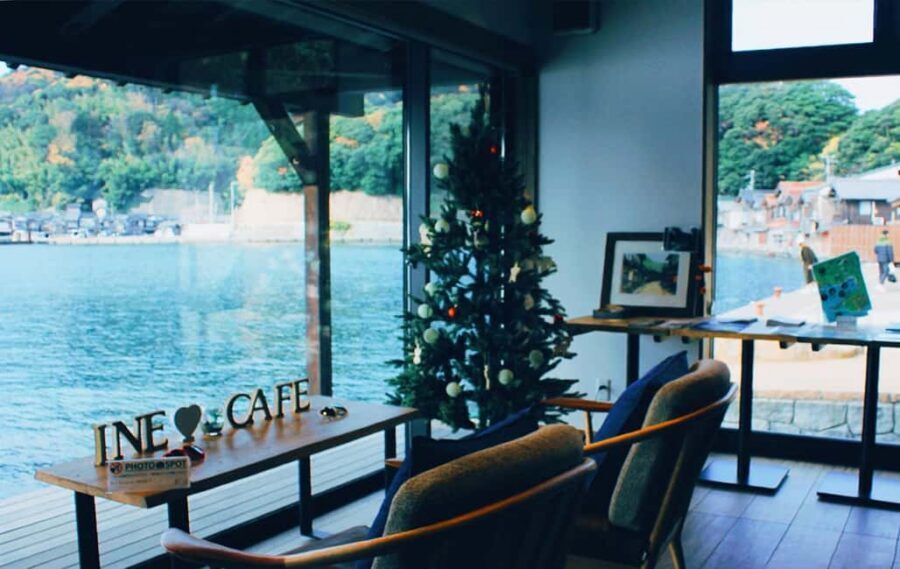
A practical tip: bring cash if you plan to buy drinks or snacks at seaside cafés. Some places may not take cards.
Amanohashidate: walking the bridge-to-heaven views and praying with purpose
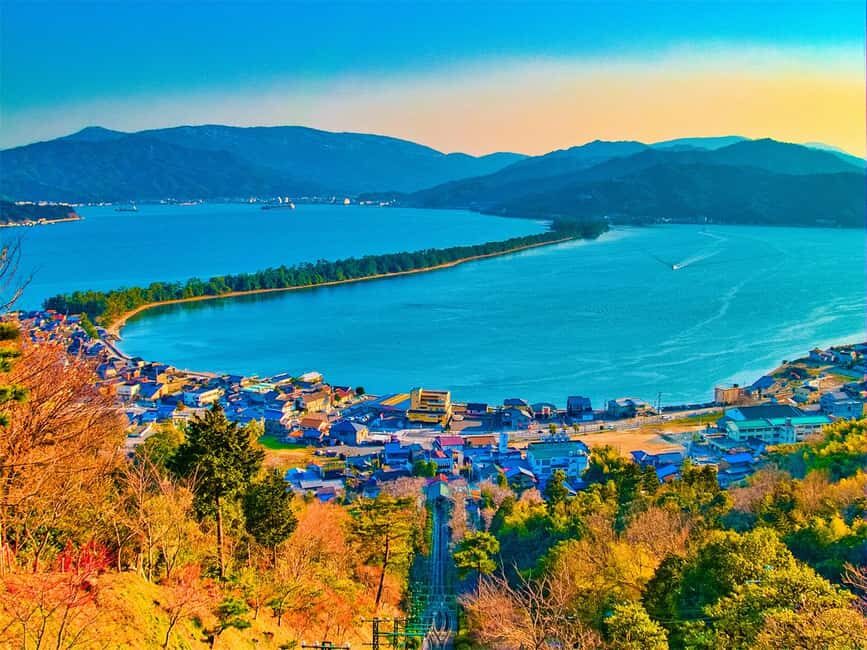
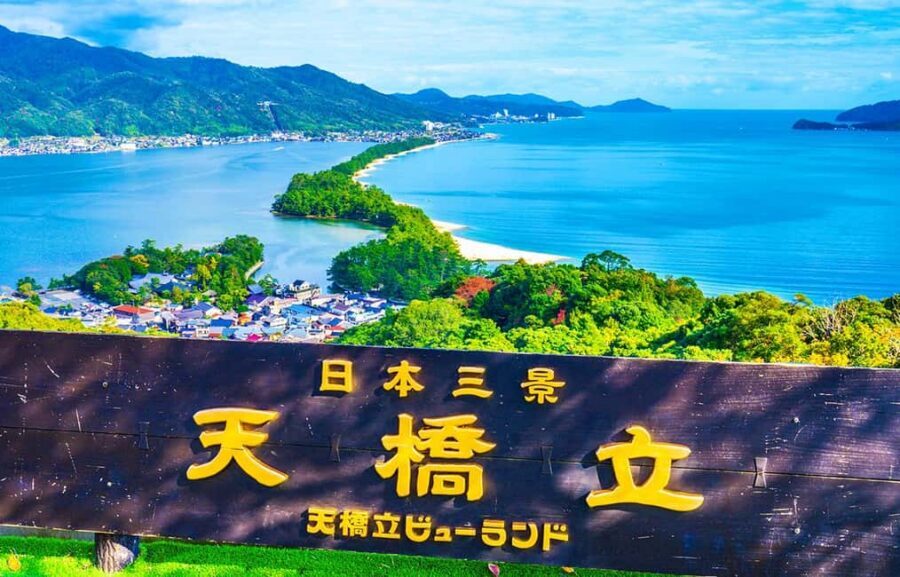
Next comes Amanohashidate, one of Japan’s three most iconic scenic spots. The main feature is a natural 3.6-kilometer sandbar lined with over 8,000 pine trees, stretching across the bay like a green spine.
Amanohashidate is also a “choose your angle” sight. You can view it from ground level, but the tour includes the option to take the cable car (self-paid) to View Land. That top perspective is commonly described as the best panoramic look—think of it as getting the full picture of the pine-lined sweep.
The fun cultural stops are part of why this stop feels complete:
- You’ll visit Chion-ji Temple and the Monju-do Hall, sacred spots tied to hopes for academic success.
- You’ll get chances for classic snapshot points, including Amanohashidate Shrine and Isoshimizu Spring, listed among Japan’s top 100 natural waters.
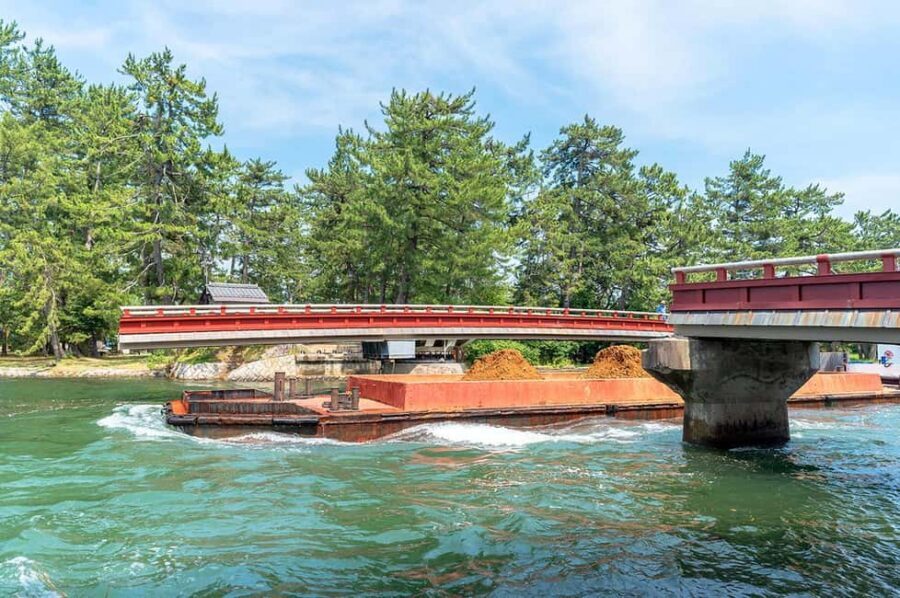
- The guide may point out the rotating bridge—a rare visual treat when ships pass.
Don’t skip the small ritual time. The Isoshimizu Spring scene includes hand-cleansing before making a wish, and it’s the kind of simple action that makes the spiritual angle feel real instead of staged.
There’s also time at the beach area for freer wandering. So even if you’re temple-leaning or view-leaning, the tour won’t force you into one mode the entire time.
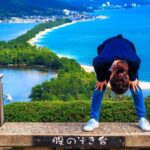
One more thing: there’s a playful local fortune practice mentioned with Amanohashidate—viewing the sandbar upside down between your legs. It’s silly, quick, and very on-brand for this kind of iconic Japanese sight.
Miyama Kayabuki no Sato: thatched-roof village where you can spot the old design
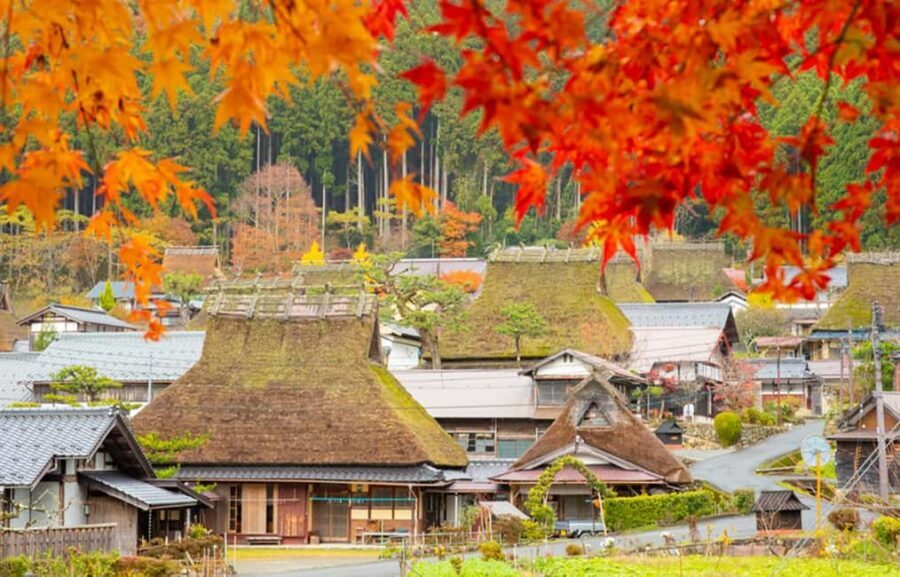
The final stop is Miyama Kayabuki no Sato in Kyoto’s northern mountains. This is where the day turns quieter. The village includes over 40 Edo-period style houses that remain remarkably intact, built in the traditional thatched-roof style.
What to look for as you walk:
- Chigi, the crisscrossed beams that you can actually see on the exteriors.
- Yukiwari, snow-cutting rods designed to handle heavy winter conditions.
Those aren’t just trivia. When you can point to real construction details, the village stops being a background photo set and becomes a place with working design logic.
You’ll get guided sightseeing plus a shorter dedicated time window for browsing. Inside preserved homes and around village artifacts, you get a glimpse of rural life and how people lived before modern conveniences took over.
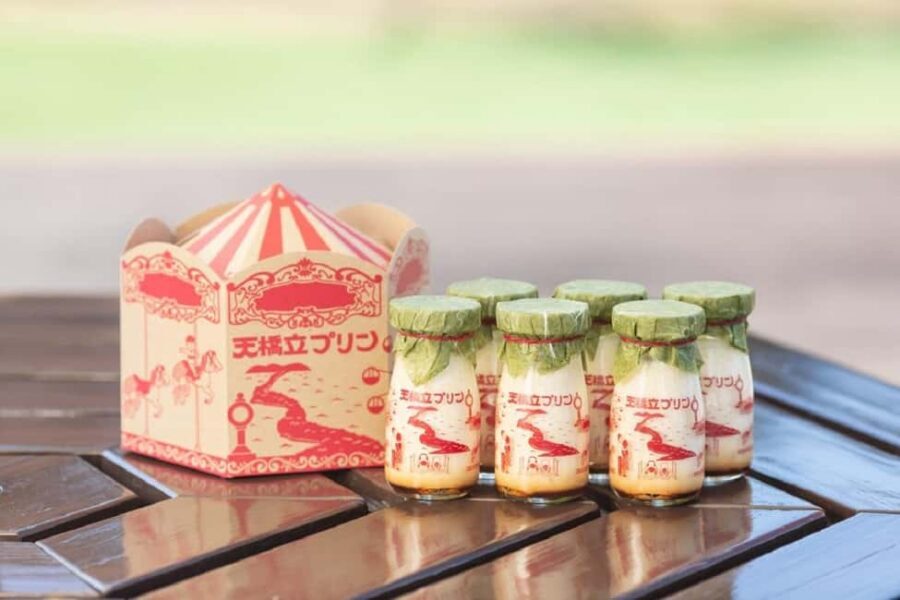
And yes, there’s a food moment. A stop at Café Gallery Saika often includes time for local treats like creamy ice cream, with views over the village. It’s one of those pauses that makes the earlier long day feel worth it.
If you’re a slower walker or a person who loves reading architecture, Miyama can be the most satisfying stop—even with limited time, the atmosphere does the heavy lifting.
Price and value: does $63 make sense for this 10-hour route
At about $63 per person for a 10-hour day trip, the value mostly comes from what’s included, not what’s optional. You’re paying for:
- Round-trip bus transport from central Osaka
- A comfortable vehicle and driver
- A multilingual guide (English, Japanese, and Traditional Chinese)
- Parking fees
That package matters if you don’t want to spend your morning figuring out trains, transfers, and return timing across multiple locations. It also matters because you’re visiting a mix of scenic sites and specific temple locations—having someone explain what you’re seeing saves time and helps you not miss the meaning behind each stop.
What’s not included is equally important for your budget. Lunch isn’t included, and you’ll likely spend extra on optional add-ons during the day. The Amanohashidate cable car is explicitly self-paid, and some groups also add extra experiences tied to the bay area (depending on what’s offered).
One smart strategy: keep a small plan for lunch and snacks before you go. Bring cash for places that may not take cards, and keep some money set aside for the cable car or any bay cruise add-on.
Timing and pacing: how much time you really get at each place
This itinerary is structured like most “three highlights in one day” tours: short guided segments, then free time, then another transfer. In total, you’re out for about 10 hours, so you should expect a brisk but not chaotic flow.
A few pacing notes that help you set expectations:
- Ine Bay is a shorter stop (about 40 minutes for photo stop and guided sightseeing). You’re mainly there to absorb the funaya and take in bay views, not to do a long meal-and-linger day.
- Amanohashidate gets more time, with guided sightseeing and additional viewing time (about 2 hours at that broad stop). This is where the cable car option can change your experience a lot—if you want the best panoramic view, treat that as a must-do.
- Temples and prayer spots in the Amanohashidate area take time, too, so your beach wandering is balanced against those cultural stops.
- Miyama Kayabuki no Sato is also around 40 minutes for visiting and guided highlights. It’s enough to walk the core areas and catch interior glimpses if you move with purpose.
There’s also a reality check: return time can shift on bad weather, traffic, or holiday crowding. Some attractions could be shortened, rescheduled, or canceled if conditions get messy. It’s not the kind of trip I’d pair with another same-day train booking or tight appointment.
What to pack and how to handle the small rules
This trip is very walk-and-stand. Bring comfortable shoes because you’ll be moving between photo spots, lanes, viewpoints, and village walkways.
Other practical items:
- Sunglasses and a camera for the seaside and pine-lined sandbar views
- Weather-appropriate clothing since you’ll be outside for long stretches
- Cash for places that might only accept cash payments
- Be mindful of the note about eagles in the area. It’s not panic mode, but it is worth paying attention while you’re looking around outside.
Rule-wise, keep it simple: don’t feed animals. It’s clearly stated as not allowed, and it’s also just good sense around wildlife and nature areas.
Who should book this trip, and who should skip it
This day trip is ideal if you want an efficient “Kyoto region highlights” sampler with strong visual payoffs. It’s a good fit for:
- Nature lovers who want iconic scenery plus a calmer coastal village
- Culture seekers who care about temple stops and local practices
- Photographers who like variety—water houses, pine sandbar, thatched roofs
- Solo travelers and groups who want the logistics handled
It’s also good if you don’t want to deal with multiple tickets and complicated timing. The guide helps keep you on track, and the multilingual support makes each stop feel more understandable.
The one clear “skip” category: it’s not suitable for people with mobility impairments, based on the information provided.
So, should you book it?
I’d book this tour if you’re craving variety in one day: Ine Bay funaya, Amanohashidate’s iconic views with temple context, and Miyama’s thatched village atmosphere. The included transport and multilingual guide are the core reason it feels worth it, especially if your Japanese is limited.
I’d hesitate if you’re the type who needs lots of slow time in just one place. The schedule gives you a taste, not a long stay, and you’ll likely spend a little extra if you add the cable car or optional bay experiences. If you can handle a “see a lot” day, this one hits the sweet spot.
FAQ
What’s the meeting point in Osaka?
Meet at Nipponbashi Station Exit 2 (Namba Shinsaibashi area) at 7:05 AM, then the tour departs at 7:20 AM.
How long is the day trip?
The tour runs for about 10 hours.
Are the cable car and boat experiences included?
The Amanohashidate cable car ride is self-paid. Any boat-related experience on the bay is not listed as included, so plan for potential extra charges.
What’s included in the price?
Included are the multilingual guide (English/Japanese/Traditional Chinese), comfortable bus transport, the driver, and parking fees.
Is lunch included?
No. Lunch is not included.
Is this tour suitable for mobility impairments?
No, it is listed as not suitable for people with mobility impairments.