REVIEW · KANAZAWA
From Kanazawa: Shirakawa-go, Gokayama and Wood Carving Village
Book on Viator →Operated by Snow Monkey Resorts Tours (Machinovate Japan Ltd.) · Bookable on Viator
Thatch-roof villages and crafts in one tight day. This Kanazawa-area tour strings together Inami wood carving, Gokayama’s gassho-zukuri villages, and UNESCO-listed Shirakawa-go, with a hands-on washi workshop. It is built for people who want rural Japan without spending extra days on the road.
I love the real craft focus at the start and mid-day. Inami puts you in front of wood carvers and their work, and the washi session gives you something tangible to take home.
One thing to consider: the schedule is full, and lunch is on your own. If you want a slow, unstructured day, you might feel a bit pressed between stops.
In This Review
- Key highlights you will actually notice
- Why this Toyama day trip makes sense from Kanazawa
- A quick note on timing
- Inami wood carving village: craft street energy and Zuisenji Temple
- What I like about the Inami pacing
- One practical consideration
- Gokayama’s Ainokura: thatched roofs plus a guide for the best photo angles
- What you should expect
- Drawback to keep in mind
- Gokayama Washi paper-making: how the workshop turns into a souvenir
- What you leave with
- New Year heads-up
- Shirakawa-go UNESCO: the walk that includes learning and going inside
- How to enjoy the 2 hours
- What I like about saving Shirakawa-go for later
- Pace, group size, and the van reality check
- Breaks and timing
- Price value: what you get for about $202 per person
- My money advice for this day
- Who this tour fits best
- Should you book this Kanazawa rural craft tour?
- FAQ
- How long is the tour from Kanazawa?
- Where do you meet and how does it end?
- What is included in the price?
- Is lunch included?
- How big is the group?
- Can I cancel for a full refund?
Key highlights you will actually notice
- Small group size (max 17) keeps the day from feeling like a cattle run
- Inami + Zuisenji Temple adds a calm, arts-first start before the big-name village
- Ainokura in Gokayama gives quick access to classic gassho-roof photos
- Washi workshop lets you choose inserts and dry your paper for a postcard-size souvenir
- Shirakawa-go includes a guided walk and entry into one house (not just looking from outside)
- Plenty of built-in craft-shopping time for wood carvings and paper goods
Why this Toyama day trip makes sense from Kanazawa
Kanazawa is a great base, but you still need a way to reach the mountains and remote villages of Toyama Prefecture. This tour does that in one go: transport, guide, and the paid bits are wrapped into a single day.
The value part is not only the sights. You also get structured access to three different types of culture: craft (wood carving), local heritage architecture (gassho-zukuri), and hands-on making (washi paper). You finish the day with photos, knowledge, and an actual souvenir you made yourself.
You can also read our reviews of more tours and experiences in Kanazawa.



A quick note on timing
The tour runs about 9 hours. After June 1, the start time is 08:30 A.M. The meeting point is Kanazawa Station, and it’s set up for people to join using public transport. It also uses a mobile ticket, which helps on a day when you’re hopping between towns.
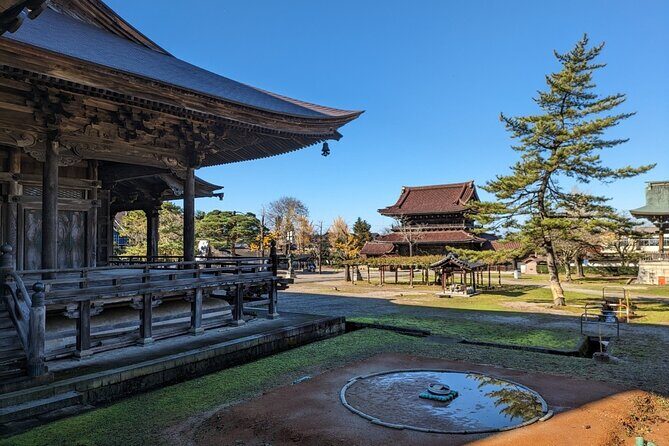
Inami wood carving village: craft street energy and Zuisenji Temple
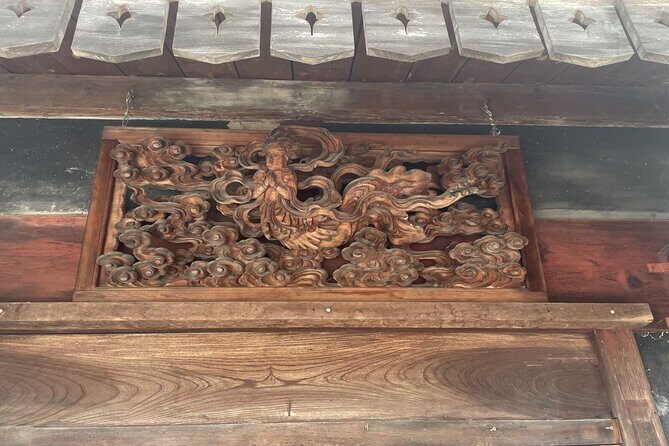
Inami is where the day starts to feel grounded. Instead of heading straight to the famous village, you begin in a small town known for wood carving, with a main street lined by carvers and their creations. This is the kind of place where you can actually slow down and look closely at details, because you are not competing with the full tourism wave yet.
The tour includes time for a guided walk around Zuisenji Temple (entry included). Even if you are not a temple person, this stop helps connect the craft to the local way of life. You get a sense of why woodworking traditions matter beyond souvenirs: they are part of how communities make, repair, and honor spaces over time.
What I like about the Inami pacing
Two hours sounds short on paper, but it works here. It gives you enough time to:
- wander the wood-carving street,
- take photos without rushing,
- and still arrive at the next stop feeling you had a real start, not just a transfer.
If you care about craftsmanship, Inami is the part where you can ask smarter questions. When you see the tools and finished pieces in the same area, explanations land faster.
One practical consideration
This is a full-day itinerary, so comfort matters. Wear shoes you can walk in for stretches of uneven paths, and bring layers. In mountain regions, weather can change fast, and one cold or rainy moment can make long sightseeing less fun than you planned.

Gokayama’s Ainokura: thatched roofs plus a guide for the best photo angles
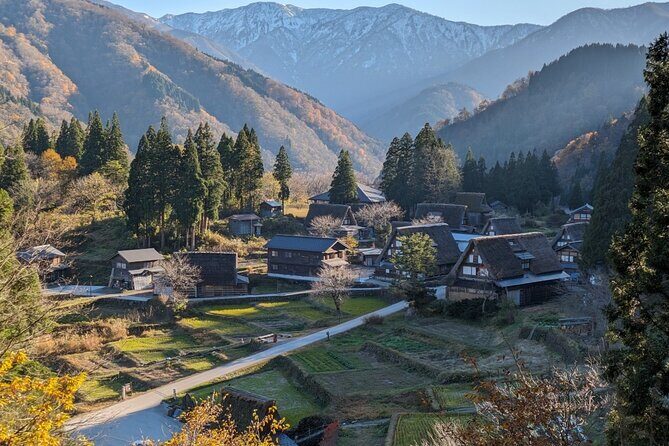
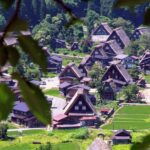
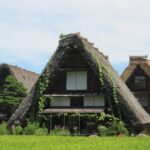
Then you head to Gokayama for a stop at Ainokura Village, where the gassho-zukuri houses sit in the valley like they grew out of the terrain. You get about 1 hour here, and while the entry is listed as free, the value is in how the guide helps you spend that hour well.
This is not about hitting dozens of spots. It’s about choosing a few good viewpoints and walking the village at a pace that does not drain you before Shirakawa-go. If you’re the type who wants that classic thatched-roof shot without the stress, this timing helps.
What you should expect
- A short village walk for photos and orientation
- Plenty of chances to look at roof construction from different angles
- Enough time to regroup before the next activity
Drawback to keep in mind
With only one hour, you will not feel like you fully explored. This stop is more like a highlight sampler. If you want a longer, slower gassho-roof experience, you may find yourself wanting to linger. The trade-off is that the tour keeps the day compact and keeps you on schedule for Shirakawa-go.
Gokayama Washi paper-making: how the workshop turns into a souvenir
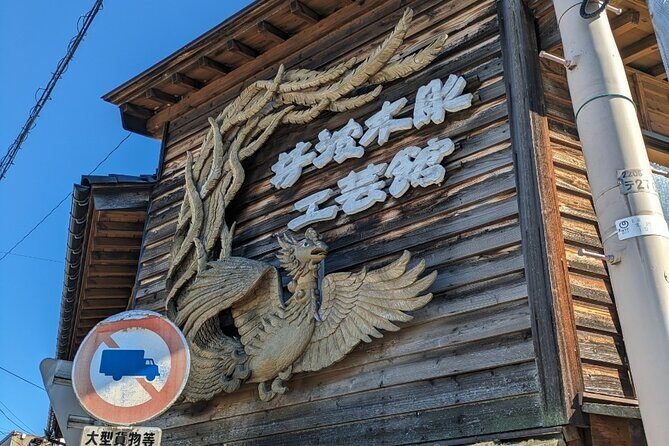
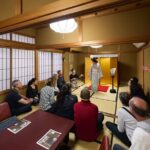
Next comes the hands-on part: Gokayama Washi. You spend about 30 minutes in the Japanese paper-making experience, and the session is included.
What I find smart about this workshop is that it is not just watching and stamping. You can choose paper inserts to put into your paper before you make your own piece. Then you wait while it dries. The itinerary notes about 10 to 15 minutes of drying, which is just long enough to make the moment feel real, not dragged.
What you leave with
You make a small souvenir in postcard form. The description indicates a souvenir made of three postcard-size pieces, which is a handy size for travel. It also gives you something personal, not just a purchased craft.
New Year heads-up
There’s an important seasonal note. During 12/28 to 1/5 (New Year period), many stores in Inami and Gokayama are closed. In that window, paper making is not available, and while Shirakawa-go is mostly open, you may need to adjust expectations for that workshop.
If you are traveling around late December or early January, double-check what will be offered on your specific date.
Shirakawa-go UNESCO: the walk that includes learning and going inside
This is the big-name finale: Shirakawa-go, UNESCO-listed for its distinctive gassho-zukuri houses. You arrive at an observation point first, then you go into the village with the guide for history and house details.
The tour allots about 2 hours here, including admission. You also get to enter one of the houses (included). That matters. Looking at thatched roofs from outside is only half the story. When you go inside, you get a more grounded sense of why the houses were built the way they were and how people lived in structures adapted to heavy snowfall.
How to enjoy the 2 hours
- Start by using the observation point to understand the layout
- Then walk slowly enough to spot rooflines and construction details
- Pause when the guide points out specific building features
- Go inside once, and treat it like a real visit, not a quick stop
What I like about saving Shirakawa-go for later
Starting with craft and rural quiet first changes the whole day. By the time you reach Shirakawa-go, you are already primed to notice details, and you are not arriving mentally tired from a long transit day with nothing to break it up.
Pace, group size, and the van reality check
The tour caps at 17 travelers. That helps a lot. With a smaller group, the guide can manage questions and keep everyone moving without feeling chaotic.
Still, the day is long enough that comfort is a factor. One practical theme from the experience: the transportation is typically a shared vehicle, and it can feel tight for longer stretches. If you are taller or prefer extra legroom, you might want to bring a small comfort item (a light layer, a neck pillow, anything that helps you settle in).
Breaks and timing
The schedule includes multiple activities with set durations, so you are not guessing what comes next. It also generally keeps a steady rhythm: craft, village walk, workshop, then UNESCO village. That structure is good for people who like clear plans.
The trade-off is that this is not a slow wander day. If you want to spend extra time in one village, you may not get that chance unless you buy time carefully at each stop.
Price value: what you get for about $202 per person
At $202.17 per person, this is not a budget throwaway. But in Japan, day tours that bundle transport plus multiple paid entries usually cost more than you expect.
Here, the value comes from the mix of included items:
- transport to and from Shirakawa-go and all other destinations
- an English-speaking guide
- entry at Zuisenji Temple
- guided touring at Inami and the Shirakawa-go UNESCO site
- the Japanese washi paper-making experience fee
Lunch and accommodation are not included, so you should plan your meals separately. That said, you also get time at the sites where you can grab something simple without feeling locked into one restaurant.
My money advice for this day
- Budget for snacks and lunch on the go
- Plan a souvenir budget that matches your interests
- If you love woodwork, Inami is where you can spend
- If paper is your thing, the washi souvenir is already part of the price, and you can add extras if you want
Who this tour fits best
This is a strong match for:
- people based in Kanazawa who want a mountain day without planning transfers
- travelers who like crafts and not only big sightseeing names
- anyone who enjoys a guided walk where architecture details come with context
- families too, as long as everyone can handle a long day and some walking
It may be less ideal if:
- you dislike structured schedules and prefer free time
- you want a deep, unhurried exploration of only one village
- you are highly sensitive to seating comfort during a long day in a shared vehicle
Should you book this Kanazawa rural craft tour?
Yes, if you want one day to cover three major rural experiences in Toyama: wood carving in Inami, gassho-roof villages in Gokayama, and UNESCO Shirakawa-go, plus a workshop you can carry home. The included guide and paid admissions help justify the price, and the washi session turns the day from sightseeing into an actual making experience.
If you are traveling around New Year (late December into early January), treat the washi workshop as a question mark because paper making may not run. And if you need lots of room in transportation, think ahead.
If you want, tell me your travel month and whether you plan to shop for crafts. I can suggest how to prioritize time at Inami and how to plan your lunch so you do not feel rushed.
FAQ
How long is the tour from Kanazawa?
The duration is listed as about 9 hours.
Where do you meet and how does it end?
You start at Kanazawa Station (Japan, 920-0858 Ishikawa, Kanazawa-shi) and the activity ends back at the meeting point.
What is included in the price?
Included are transportation to and from Shirakawa-go and the other destinations, an English-speaking guide, entry at Zuisenji Temple, guided tour components at Inami and the Shirakawa-go UNESCO site, and the Japanese paper-making (washi) experience fee.
Is lunch included?
No. Lunch is not included.
How big is the group?
The tour has a maximum of 17 travelers.
Can I cancel for a full refund?
Yes. You can cancel up to 24 hours in advance for a full refund.