REVIEW · OSAKA
Kyoto Full Day Sightseeing Tour from Osaka or Kyoto
Book on Viator →Operated by F Trip · Bookable on Viator
Kyoto can feel like three different cities in one day. I like how this tour stacks Nijo Castle and Arashiyama’s bamboo area in the same schedule, then finishes with two of Kyoto’s biggest nameplates: Kinkaku-ji and Fushimi Inari. My favorite part is the structure—air-conditioned transport plus a guide—so you’re not spending your time figuring out transit between distant sights.
I also like that Arashiyama isn’t just one quick photo stop. You get multiple short blocks there: bamboo forest time, Nonomiya Shrine, Togetsukyo Bridge, and the Kimono Forest installation. The main drawback to consider is pacing and guidance style: some people felt certain stops were more self-guided than fully guided, so if you want a hand-holding tour inside every gate, this may not feel like that.
In This Review
- Key Points Before You Go
- How Much You Really Get for $67
- Nijo Castle: Tokugawa-Era Power Up Close (Not Included Admission)
- Arashiyama in Slices: Bamboo Forest, Nonomiya Shrine, Togetsukyo Bridge
- The Kimono Forest Installation: Fun Photos, Short Time Budget
- Kinkaku-ji Golden Pavilion: Pay the ¥500 and Go for the Garden Feel
- Fushimi Inari Taisha: Senbon Torii on a One-Hour Block
- Transportation, Timing, and Why the Day Can Feel Rushed
- Guide Quality: The Big Variable You Should Actually Care About
- What to Bring for a Kyoto Full Day (Comfort Wins)
- Value Checklist: When This Tour Is a Smart Buy
- Who Should Book This Kyoto Tour From Osaka or Kyoto?
- Should You Book This Kyoto Full Day Sightseeing Tour?
- FAQ
- How long is the Kyoto full day sightseeing tour?
- Is lunch included?
- What admissions are not included?
- What’s included in the tour price?
- Where does the tour start?
- Are there mobile tickets?
- How large are the groups?
- Can I cancel for a full refund?
Key Points Before You Go
- A $67 day with air-conditioned transport + a guide saves real effort on a Kyoto highlight circuit
- Arashiyama gets multiple mini-stops, not just one quick drive-by
- Kinkaku-ji and Nijo Castle admissions cost extra (budget for ¥1,300 + ¥500)
- Group size caps at 45, which can still feel large in crowded temple areas
- Guide experience varies, and the best days come with more active escorting and clear communication
- Plan for weather since you’ll be outside for long stretches
How Much You Really Get for $67
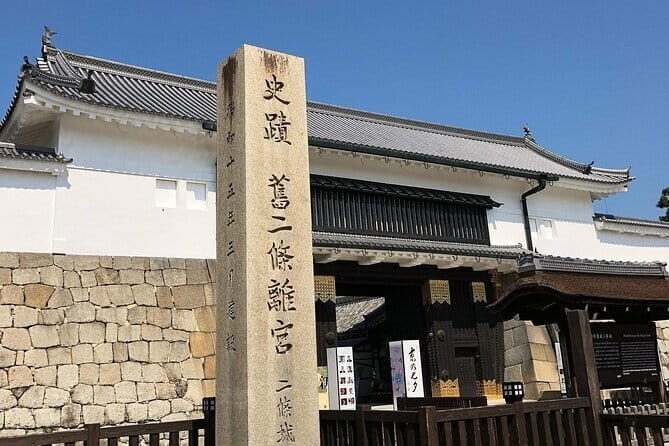
At $67 per person, this tour is priced like a value-focused “great hits” day. You’re paying for logistics: transport with air-conditioning and a guide to help you move through a very spread-out route. Then you pay a bit extra for two major sights—Nijo Castle (and Ninomaru Goten Palace) and Kinkaku-ji—plus you’ll handle lunch on your own.
The time math also matters. A 9-hour day usually means you’ll spend several hours actually walking the sights, and the rest is travel, queueing, and regrouping. Most of the stop blocks range from 20 minutes to about an hour, so this isn’t a slow, lingering Kyoto day. It’s a “see a lot without getting lost” day—exactly what many people want on limited time.
A few more Osaka tours and experiences worth a look
Nijo Castle: Tokugawa-Era Power Up Close (Not Included Admission)
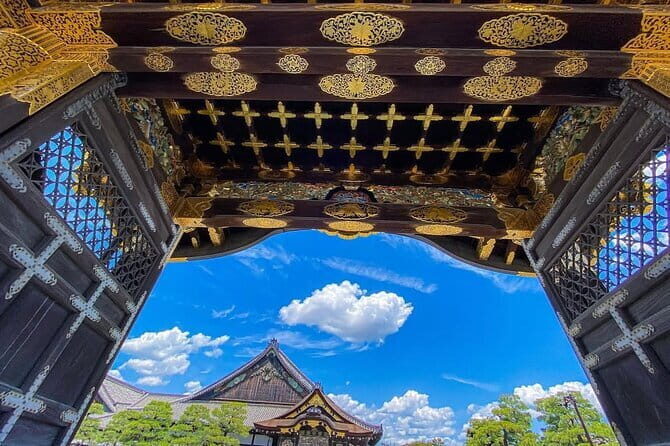
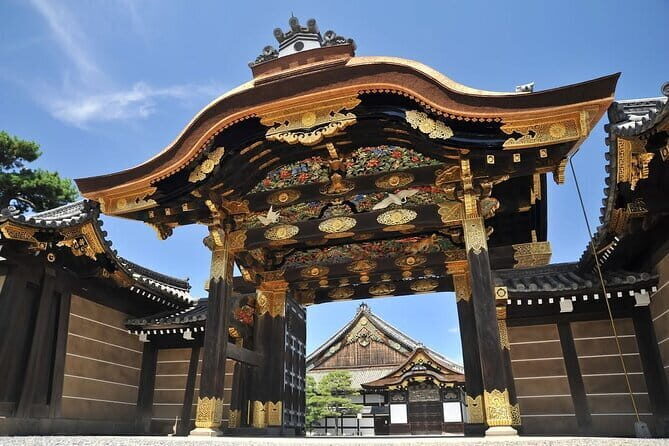
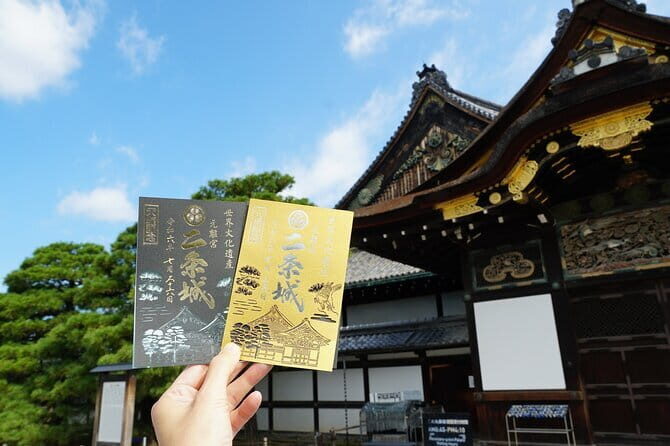
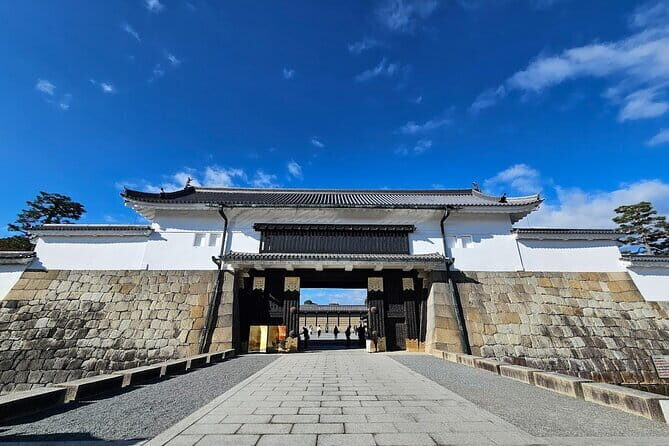
Nijo-jo Castle is the kind of place where the architecture does the talking. Built in 1603 as the Kyoto residence of Tokugawa Ieyasu, it’s one of the best-known castles in Japan, and it’s tied to centuries of major events—plus UNESCO status since 1994.
Practically, you get about 1 hour here, and admission isn’t included. The added cost is ¥1,300 per person for Nijo Castle and Ninomaru Goten Palace. If you’re the type who enjoys feudal-era design details, don’t treat this as a quick exterior moment. Use your hour to focus on the palace buildings, and then step back to see the place as a whole—castle + residence + power symbol.
One thing to keep in mind: if you prefer a guide walking you inside every room and explaining more than the basics, guidance quality may vary. Some groups reported the guide escorting to entrances more than staying through the exhibits. So if deep interpretation is your priority, arrive ready to read signs and take your time with what’s available inside.
Arashiyama in Slices: Bamboo Forest, Nonomiya Shrine, Togetsukyo Bridge
Arashiyama is the heart of this day’s “Kyoto nature” side, and the schedule is built like a sequence of short chapters. You start with an area overview, then the itinerary moves into the bamboo forest block, with additional shrine and bridge stops layered in.
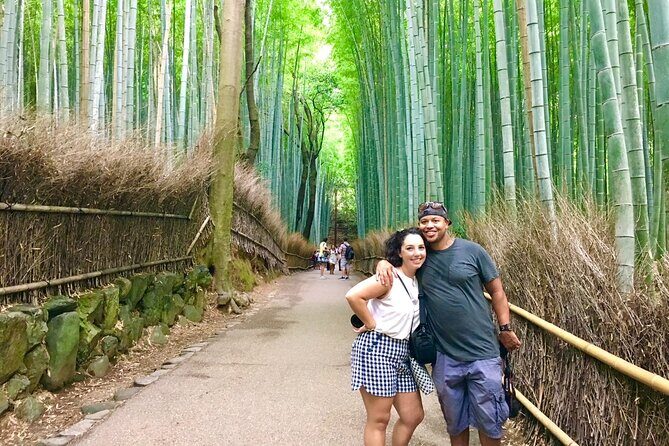
You’re given 40 minutes in the Arashiyama Bamboo Forest area, which is long enough to walk in, take pictures, and still have time to step aside when crowds feel tight. The bamboo forest is famous because it’s immediately atmospheric, even on a normal day. If it’s raining, you’ll feel it here because you’re outside under open sky. Bring a light rain layer, and accept you’ll be walking through the same damp air with everyone else.
Then you visit Nonomiya Shrine for about 20 minutes. One detail I love from the description is the shrine gate: unlike many vermilion torii gates, Nonomiya Shrine is known for its distinctive black torii. It’s a small tonal shift, and it helps break up the bamboo and bridge photo energy.
Togetsukyo Bridge follows with about 20 minutes. This is one of Arashiyama’s most iconic landmarks, with a history stretching back to the Heian period and a more recent reconstruction in the 1930s. Even if you’ve seen photos before, standing there lets you understand why people keep returning: it frames the area and pulls your eye across the river and surrounding scenery.
The Kimono Forest Installation: Fun Photos, Short Time Budget
Between bamboo and bridge, you get the Kimono Forest stop: an installation made of 600 clear acrylic cylinders, each about 2 meters tall, decorated with vibrant kimono fabrics. It’s playful, very photogenic, and it offers a break from traditional temple architecture.
You only have about 20 minutes there. That’s enough for photos from a few angles and a quick look around. It’s also enough time that you can treat it as a stretch-stop rather than a major commitment. If you’re the type who wants to linger over art installations, you might feel a little rushed here compared with the time you can spend at the bamboo forest or Fushimi Inari.
Kinkaku-ji Golden Pavilion: Pay the ¥500 and Go for the Garden Feel

Kinkaku-ji, the Golden Pavilion, is one of the headline Kyoto experiences for a reason. It’s a Zen Buddhist temple and a UNESCO World Heritage site, known for the shimmering golden exterior and its gardens. Your time here is about 40 minutes, and admission isn’t included.
The added admission cost is ¥500 per person. If you’re paying extra already, make the most of it: don’t just aim for the most famous view. Spend part of your time looking outward into the garden composition—Kyoto temple photography tends to look best when you pause and observe how paths and water reflect the architecture.
Crowds are usually part of the deal at Kinkaku-ji. That’s where guided support can matter: you want someone helping you manage timing, queues, and where to stand for photos that don’t feel like you’re trapped behind shoulders. Some reviews praised guides who gave direction on what to miss and where to go next; others complained about not getting the level of escort they expected. So if you’re sensitive to that difference, treat your 40 minutes as “organized access,” not “private tour.”



Fushimi Inari Taisha: Senbon Torii on a One-Hour Block
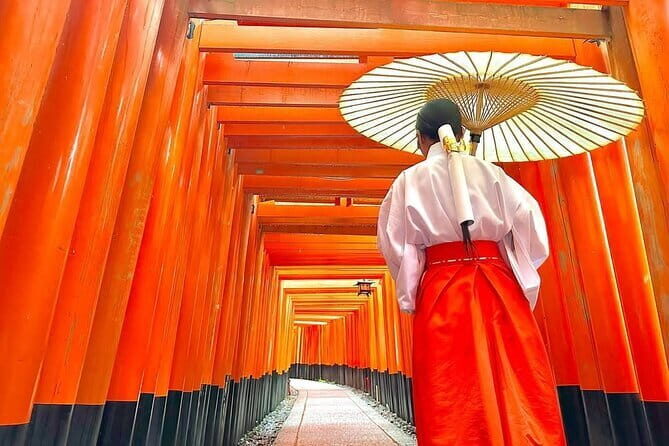
Fushimi Inari Taisha is the dramatic finale vibe of Kyoto. It’s the head shrine dedicated to Inari, the Shinto god associated with rice, and it’s known for Senbon Torii—thousands of vermilion torii gates.
You get about 1 hour 10 minutes here, and admission is listed as free. That time is great for a real walk, not just a checkpoint photo. If you want the gates experience to feel more than a view from the entrance, use the full block and go deeper enough that you feel the shift from street-level crowds to the quieter rhythm inside the torii corridors.
Also, expect people. This is one of the most visited places in Japan for a reason. If you’re not into tight spaces, keep moving steadily, and don’t stop dead in the narrow lanes for long. Aim for a pace that keeps you from getting stuck in someone else’s photo timing.
Transportation, Timing, and Why the Day Can Feel Rushed
This tour is built around a full-day route with multiple pickups and drop-offs (the day can include waiting around for others to arrive). That’s why the actual “sight time” won’t equal the full 9 hours. You’ll likely feel that in two ways:
1) Short blocks at several stops
2) Less flexibility if you want to slow down when something grabs you
Some people loved seeing four big Kyoto attractions without the stress of planning. Others felt rushed because the itinerary packs a lot into limited time and group size can be large. Your best strategy is to decide what matters most to you ahead of time. If you’re serious about Kinkaku-ji or the torii walk at Fushimi Inari, you’ll want to treat those as your main targets. For the bamboo forest and Arashiyama stops, think in terms of a “good look + great photos + move on” rather than hours of wandering.
Guide Quality: The Big Variable You Should Actually Care About
The tour includes a guide, but the amount of active guiding can vary from person to person and from stop to stop. In some write-ups, guides like Jackson and Allan were praised for being organized, giving helpful tips on photo spots and lunch options, and handling timing smoothly. There were also mentions of guides using WhatsApp communication to confirm meeting points and helping when someone couldn’t find the bus.
At the same time, other feedback criticized the day when the guide didn’t stay with the group inside certain locations and when stops felt more like “go in and figure it out.” The difference usually comes down to how present the guide is at each site and how clearly they manage the group.
So here’s my practical advice: if you care about commentary, ask yourself what you want out of the day. If you mostly want someone to get you from highlight to highlight reliably, you’ll likely enjoy the tour’s structure. If you want a very interpretive experience at every stop, you should go in with the understanding that some blocks may be mostly self-paced.
What to Bring for a Kyoto Full Day (Comfort Wins)
Because this is a day with several outdoor segments, comfort gear matters. Wear shoes you can walk in for hours, because even the shorter blocks add up once you include getting to the entrance, waiting, and moving between regroup points.
Bring:
- A compact rain layer or umbrella that you’re comfortable carrying (weather can turn a Kyoto day fast)
- A small snack or water option since lunch isn’t included
- A charged phone for the mobile ticket and for quick meeting-point checks
And yes—Kyoto temples can be crowded. So pack for real life: breathable clothes, sun protection if it’s clear, and a plan to move efficiently through narrow areas.
Value Checklist: When This Tour Is a Smart Buy
This tour is a good value if you:
- Have limited time and want the best-known Kyoto highlights without transit stress
- Prefer organized routes and don’t want to coordinate tickets across multiple neighborhoods
- Are happy with short, focused stop windows rather than long hangs in one place
It may not be the best fit if you:
- Expect a fully guided experience inside every attraction for the entire visit time
- Want slow pacing and lots of flexibility to wander wherever the mood takes you
- Get impatient with groups and queue flow in very popular sites
Also note the max group size of 45 travelers. That sounds manageable, but popular Kyoto spots compress everyone into the same lanes and photo viewpoints.
Who Should Book This Kyoto Tour From Osaka or Kyoto?
This is ideal for first-timers who want a practical overview day. It’s also a strong option for couples or friends traveling together who prefer a structured plan more than DIY touring.
If you’re traveling with kids, note that the tour has multiple varied stops—castle architecture, nature walks, shrine gates, and an installation photo moment—so the day has built-in variety. If you’re traveling with a stroller or large luggage, you’ll want to indicate it when booking, since the operator asks for that detail in advance.
If mobility is a concern, the best move is to communicate clearly ahead of time. The information you have here says you should let them know during booking if you have stroller or large luggage, and the tour company has shown in responses that they try to accommodate needs when possible. Still, this is a walking-heavy city day with crowds, so manage expectations.
Should You Book This Kyoto Full Day Sightseeing Tour?
If your goal is seeing Nijo Castle, Arashiyama bamboo area, Kinkaku-ji, and Fushimi Inari in one day, this tour is a reasonable buy. You’re paying for organization, air-conditioned transport, and a guide to help you connect the dots between distant districts. For $67, it’s hard to beat the time saved—especially on a first visit.
My call: book it if you want a highlight sprint with solid logistics, and you can accept some stops being more self-paced than deeply guided. Pass or choose a different format if you want a long, slow, interpretation-heavy day where you’re guided inside every site with the same level of detail the whole time.
FAQ
How long is the Kyoto full day sightseeing tour?
It runs about 9 hours.
Is lunch included?
No, lunch isn’t included.
What admissions are not included?
Nijo Castle & Ninomaru Goten Palace cost ¥1,300 per person, and Kinkaku-ji costs ¥500 per person.
What’s included in the tour price?
You get air-conditioned transportation and a guide.
Where does the tour start?
It departs from Osaka or Kyoto.
Are there mobile tickets?
Yes, the tour includes a mobile ticket.
How large are the groups?
The tour has a maximum of 45 travelers.
Can I cancel for a full refund?
Yes. You can cancel up to 24 hours in advance for a full refund.