Kyoto can feel far away until it isn’t. This full-day tour links three headline Kyoto sights with comfy transport from Osaka, plus guided storytelling along the way. The pace is designed for first-timers: walk in memorable places, get context fast, and still have time to breathe.
What I love most is the small group size (max 11), which makes it easier to hear your guide and keep up when crowds surge. I also like that most people’s tickets are handled for you: entry tickets are included, so you’re not hunting for counters while other people line up.
One thing to consider: this is not a sit-and-watch day. You’ll do walking with stairs and hills at multiple stops, and the schedule can shift due to traffic or weather.
In This Review
- Key things to know before you go
- From Osaka pickup to Arashiyama: a fast start you can actually manage
- Arashiyama: Togetsukyo Bridge, bamboo trail, and why the order works
- Arashiyama free time: lunch break, shopping pockets, and making it count
- Kinkakuji Golden Pavilion: the iconic stop with guide-led focus
- Fushimi Inari’s red gates: how to handle a 2-hour climb mindset
- The guides and drivers: what makes the day feel smooth
- Price and value: what $105.71 is really buying you
- Walking, timing, and weather: the practical realities to plan around
- Who should book this Kyoto day trip from Osaka
- Should you book this Full Day Kyoto Tour?
- FAQ
- What time does the tour start?
- Where do we meet the guide in Osaka?
- How long is the full day tour?
- What’s included in the tour price?
- Is lunch included?
- Is the itinerary customizable?
- Is this tour suitable if I can’t walk long distances?
Key things to know before you go
- Small group (up to 11) means less chaos at busy sights like Fushimi Inari
- Entry tickets included, so you focus on walking and listening, not lines
- Bilingual support is built in with an English-speaking and Mandarin-speaking conductor
- Arashiyama + bamboo + bridge gives you a classic Kyoto nature hit in under a morning
- Kinkakuji + Fushimi Inari in one day is efficient without feeling like a blur
- No lunch included, so you’ll need a plan for your Arashiyama free hour
From Osaka pickup to Arashiyama: a fast start you can actually manage
This tour begins in Osaka at either Shinsaibashi or Umeda DT Tower, with a start time of 9:45am. From there, you board an air-conditioned private vehicle and travel about 1.2 hours toward Arashiyama.
Why that matters: if you try to piece this day together on your own, the real time sink is usually transit plus the stress of timing. Here, you get a scheduled route and a guide who keeps the day moving. Also, the vehicle includes WiFi and bottled water, which sounds small until you’re sweating on stair-heavy shrine paths and realize you’re not scrambling for a drink.
The tour is also clearly set up to be low-friction. It’s not customizable, and there’s no extra pickup/drop-off beyond the set meeting points. You’ll be brought back to Osaka at the end, with an option to disembark in Shinsaibashi RIMOWA or UMEDA DT Tower.
The vibe is practical, not fancy. You’re paying for a guided, ticketed day that strings together three of Kyoto’s biggest icons without turning it into a private driver’s car ride.
A few more Osaka tours and experiences worth a look
Arashiyama: Togetsukyo Bridge, bamboo trail, and why the order works
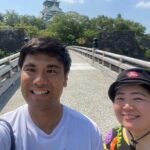
Arashiyama is the Kyoto stop that instantly shifts the mood. After arriving, you start with Togetsukyo Bridge for about 50 minutes. This is a good buffer. Before you enter the most famous bamboo sections, you get river-and-mountain scenery and a chance to reset from the bus ride.
Then you cross into the Arashiyama area and head toward the bamboo forest trail for about 50 minutes. This bamboo spot isn’t just pretty for photos. It’s described as culturally significant for over 1000 years, and the bamboo cultivated by Heian era nobles is part of the story. That context changes how you look at it. You stop thinking of bamboo as a backdrop and start noticing it as a living, managed tradition.
Practical tip: bamboo areas can feel slippery if the ground is damp. Wear shoes that can handle light uneven pavement. And since you’ll be walking on and off different surfaces, bring your comfort-first footwear. You’ll thank yourself later.
One more smart thing: the day doesn’t cram the bamboo trail too long. You get the iconic walk, then you move on before fatigue kicks in hard.
Arashiyama free time: lunch break, shopping pockets, and making it count
Next comes about 1 hour in Arashiyama for lunch and browsing. This is the moment you control: grab local food, find a snack, or keep it simple and use the time to recover your energy.
Since lunch isn’t included, you’ll want to decide ahead of time what kind of meal you’re after—something sit-down, or quick and portable. The tour’s value is that it positions you in a high-density area for easy eating without losing you to long side streets.
Also, this is where shopping makes sense. Souvenir shops and small storefronts cluster around the Arashiyama strolling zone. If you’re the type who likes a small gift that isn’t mass-produced, you’ll usually find options in the area.
The main tradeoff: because you’re traveling full-day, this lunch hour is useful but not huge. If you want a long sit-down meal with a slow dessert course, you might feel time pressure. Think of it as a solid, practical break, not a dining detour day.
Kinkakuji Golden Pavilion: the iconic stop with guide-led focus
After Arashiyama, you’ll drive around 25 minutes to Kinkakuji Temple, also called the Golden Pavilion. You get about 1 hour 30 minutes here.
Why this time block is a good fit: Kinkakuji isn’t just one view. There’s the pavilion itself and then the surrounding garden space that people linger around. With a guided group, you can move with purpose instead of spending the whole time orbiting the same angles.
This stop is included with admission ticket in the tour price. That’s helpful because temple entry can add a small layer of logistics if you’re doing things independently.
What to expect on the ground: you’ll be walking through temple grounds and moving along pathways while other visitors flow around you. The key is to listen for the guide’s context, because you’ll get more out of it than just spotting gold in the distance.
Also, if you’re someone who likes photos but hates standing in one exact spot for 20 minutes, a guide can help you pick viewpoints efficiently. You’ll spend your time where it actually pays off.
Fushimi Inari’s red gates: how to handle a 2-hour climb mindset
Then comes Fushimi Inari-taisha Shrine, about a 50-minute drive from Kinkakuji. You’ll have around 2 hours at the shrine.
This is the Kyoto experience that most people dream about: the “endless” feeling of red gates. The shrine is described as founded over 1300 years ago for Inari Okami, connected to the peaks of Mt. Inari. That religious and historical framing matters because Fushimi Inari isn’t only a photo loop—it’s a place with real devotional rhythms.
Two hours can sound generous until you factor in stairs, crowds, and the fact that the gates stretch uphill. My advice: don’t force yourself to “finish everything.” Use your time like a smart sampler:
- Pick a target point on the uphill path where you’ll turn around.
- Take a short break before you feel tired, not after.
- Leave a little cushion for the bus to keep the day smooth.
A caution that’s worth taking seriously: this stop can feel rushed for some people simply because the shrine’s scale eats time. If you know you love long climbs and don’t want to stop early, you might wish you had more than a 2-hour window. But if you want the best highlights without turning Kyoto into a marathon, the time is workable.
Crowds also move in waves. The guide’s job is to help you flow with the group so you’re not constantly losing your bearings. Small-group format helps here.



The guides and drivers: what makes the day feel smooth
The strongest recurring theme in the tour experience is how the day is handled by the team. Names that come up include Taka and Tom, and also Woody and Toru, plus Jin. The common thread is clear: the guides explain not just what you’re seeing, but why it matters, and they keep the mood friendly.
That matters more than you might think. In Kyoto, it’s easy to feel like you’re ticking boxes while the “why” floats away. A good guide keeps the connections tight—temple context while you’re still standing in the courtyard, shrine context while you’re walking between gates.
Also, because it’s a private vehicle with an English-speaking conductor and a Mandarin-speaking conductor, you’re less likely to end up with half the group lost in translation. Language coverage may vary by day, but the structure is there to support you.
One more subtle win: the guide and driver make the transit portion calmer. The day includes long drives between cities’ zones and you’re also dealing with weather and traffic. The tour notes that schedules can change, and when that happens, a solid team helps keep it from turning into stress.
Price and value: what $105.71 is really buying you
At $105.71 per person, you’re paying for more than transport between famous Kyoto stops. The big value drivers are these:
Entry tickets included. That’s a real cost saver, and it also saves time. Instead of building your day around ticket lines, you’re building it around walking and seeing.
Private, air-conditioned vehicle. This isn’t a packed bus. You get a more comfortable ride from Osaka to Kyoto and back, plus WiFi and bottled water.
Guided interpretation. A tour like this isn’t just about being in the right place. The quality of the explanations changes how meaningful the time feels, especially for Kinkakuji and Fushimi Inari.
Small group cap (max 11). You get a balance: not so small that it’s awkward, not so big that it’s hard to move.
Now, the tradeoff: lunch isn’t included, and the tour isn’t customizable. So you can’t treat this like a “choose-your-own-adventure” day. It’s a planned route designed to hit major sights efficiently. If you want maximum flexibility, you might need a different style of tour.
Walking, timing, and weather: the practical realities to plan around
This tour includes walking at each main stop, and it explicitly notes stairs and hills. That means you should assume some leg work, even if you’re a regular walker. Also, your schedule might shift due to weather and traffic conditions.
So pack like you’ll actually be outside. Comfortable shoes are non-negotiable. If it’s rainy, you’ll want traction. If it’s hot, you’ll want light layers and a plan to cool down inside shaded temple areas.
Time allocation is generally built in, but here’s the reality check: bamboo and Arashiyama have relatively tight windows, and the shrine has a scale that can swallow more time than you expect. That’s why a guide’s route planning matters.
Also, because the tour runs 8 to 9 hours, you’ll want to eat earlier or plan a snack before you meet at 9:45am. Waiting until you arrive in Kyoto can make the day feel longer than it needs to.
Who should book this Kyoto day trip from Osaka
I’d point this tour at you if you want a high-impact Kyoto day without the stress of planning multiple legs across town. It’s especially good for:
- First-time Kyoto visitors who want bamboo, Golden Pavilion, and Fushimi Inari in one shot
- People who like guided context and want a calmer day than DIY
- Anyone traveling in a small group who values comfort (air-con vehicle, bottled water, WiFi)
It’s probably not your best match if:
- You can’t handle stairs and hills
- You want a slower pace with lots of free time at only one site
- You need a fully flexible itinerary
If you’re the type who loves to wander without a clock, this tour can feel structured. But if you’re okay with a guided route that hits the famous highlights, it’s a smart way to spend the day.
Should you book this Full Day Kyoto Tour?
If your goal is to see Kyoto’s most famous sights from Osaka with a guide, included entry, and a small group, I think this is a strong booking. The best part is the combination: ticketed stops + guided context + a comfortable private vehicle. You get the headline sights without turning your day into logistics.
Book it if you:
- Want a practical one-day itinerary
- Enjoy hearing the meaning behind famous sites
- Can handle walking and uneven ground
Skip or switch plans if:
- You have limited mobility or struggle with hills and stairs
- You want extra time at Fushimi Inari beyond a basic highlight path
Bottom line: this is a well-structured Kyoto day trip for people who want maximum payoff with minimal planning, and who are ready to walk.
FAQ
What time does the tour start?
The tour start time is 9:45am.
Where do we meet the guide in Osaka?
You meet at either Shinsaibashi or Umeda DT Tower.
How long is the full day tour?
The duration is about 8 to 9 hours.
What’s included in the tour price?
The price includes an English-speaking conductor, Mandarin-speaking conductor, air-conditioned vehicle, WiFi on board, all fees and taxes, bottled water, and entry tickets for the stops listed.
Is lunch included?
No. Lunch is not included.
Is the itinerary customizable?
No. The tour is not customizable.
Is this tour suitable if I can’t walk long distances?
It’s not recommended if you can’t walk long distances, since the tour includes walking, including stairs and hills at the sites.
You Might Also Enjoy
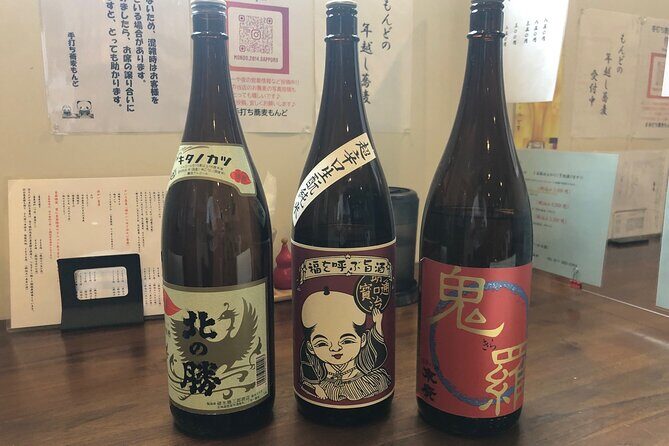 A pairing experience in Sapporo where you can enjoy tempura and 3 kinds of Hokkaido-only sake, along with a soba-noodle making experience!
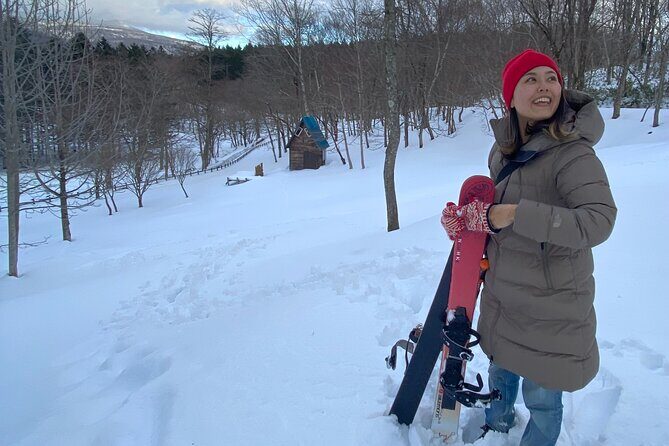 Full Day Private Skiing / Snowboarding Tour in Sapporo
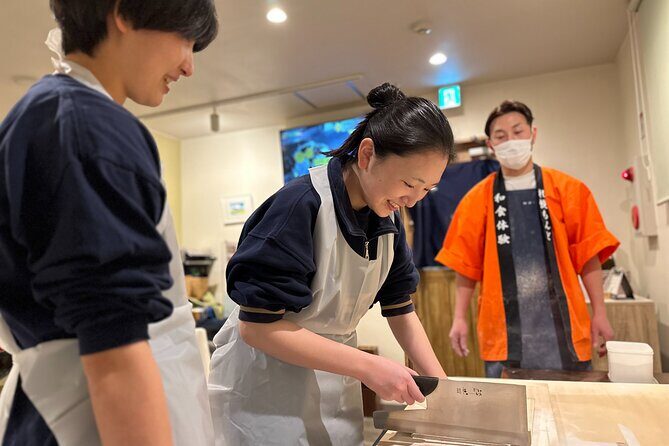 Popular in SapporoExperience authentic hand-made soba at a real soba shop!
 Kyoto: Discover Every Bit of Kyoto Imperial Palace