REVIEW · KYOTO
Nerikiri and Matcha Making Class in Kyoto
Book on Viator →Operated by Nariko's Kitchen · Bookable on Viator
It feels like slow craft therapy. This Kyoto class teaches you how to make Nerikiri (tea ceremony sweets) step by step, then you make and taste matcha in a focused, peaceful session. It’s hands-on, small-group, and built around technique—so it’s not just a photo stop.
Two things I really like: you’ll learn by doing five different Nerikiri designs, and the instructor keeps the process organized and doable, even if you’re new to Japanese sweets. One possible consideration: the dough is prepared before class, so you’ll shape and finish more than you’ll start from raw ingredients in front of you.
In This Review
- What makes this class worth your time
- Quick hits before you go
- Kyoto’s Matsugasaki start: easy meet-up, real neighborhood feel
- Nerikiri dough to finished sweets: learning the “how,” not just the look
- Tools, technique, and why this craft feels peaceful
- Making matcha table-style: taste is part of the lesson
- Take-home container and emailed recipes: extending the class beyond 2.5 hours
- Price and value: is $84.92 fair for nerikiri + matcha?
- Who should book this Nerikiri and matcha class?
- Should you book Nariko’s Kitchen in Matsugasaki?
- FAQ
- FAQ
- Where is the Nerikiri and matcha class in Kyoto located?
- What time does the class start and how long does it last?
- How many Nerikiri designs will I make?
- What is included in the price?
- Can I take the Nerikiri home after the class?
- Will I get matcha to taste during the session?
- Are Nerikiri dough recipes provided after the class?
- Is the class appropriate for children?
- Is private transportation included?
- Are spectators allowed to watch?
- What is the cancellation policy?
What makes this class worth your time
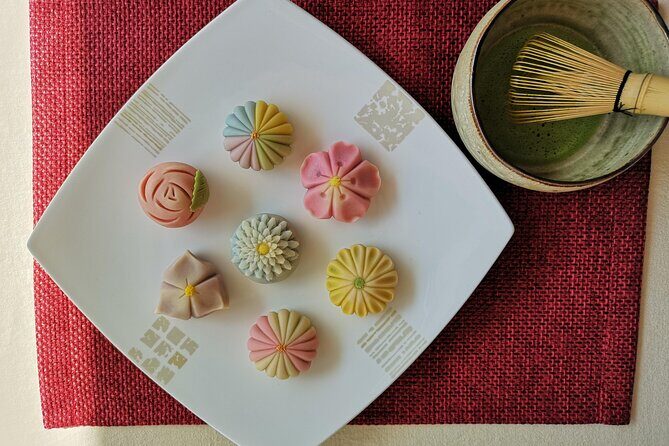
The vibe is calm and practical. You’ll get instruction on shaping with tools, then you’ll make matcha table-style and taste what you made, which ties the craft to the tea culture instead of feeling random. The main drawback to keep in mind is the pace—this is detail work, so if you prefer fast, loud activities, your hands might not agree with you.
Quick hits before you go
- Small group (max 8): more help while you shape your Nerikiri.
- Five Nerikiri designs: enough variety to feel like you learned real technique.
- Table-style matcha: a break where you taste what you created.
- Take-home container included: bring your sweets home after class.
- Recipe emails after class: you can repeat the process later with two dough versions.
- Age 10+ only: plan this as an adult-friendly craft experience.
A few more Kyoto tours and experiences worth a look

Kyoto’s Matsugasaki start: easy meet-up, real neighborhood feel
You start at Matsugasaki Station (Matsugasaki Rokunotsubocho, Sakyo Ward). It’s a smart pick in Kyoto because you’re not trapped in the busiest tourist clusters, and it’s close to public transportation. You also end right back at the meeting point, so you’re not guessing how to get home with a bag full of sweets.
Class time is 10:00 am, and the session runs about 2 hours 30 minutes. That length matters. Too-short classes can feel like you barely touched the craft. Too-long ones can burn your hands and patience. This one lands in the sweet spot: enough time to learn shaping, make matcha, and actually enjoy tasting.
The group stays small, with a maximum of 8 travelers. That changes everything when you’re working with delicate confection shaping tools. Instead of watching from the sidelines, you get guidance as your hands figure out what the instructor is asking for.
Nerikiri dough to finished sweets: learning the “how,” not just the look
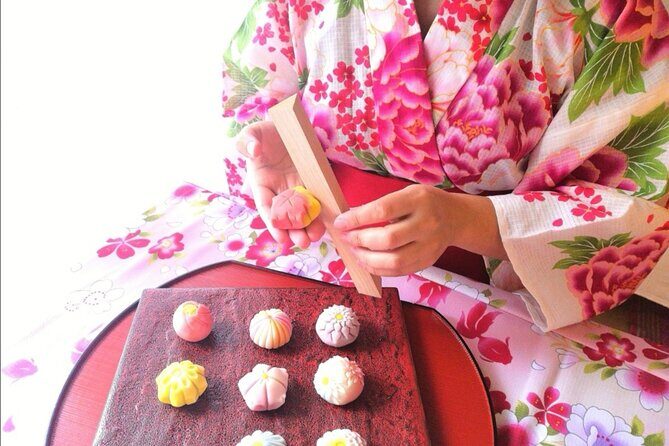
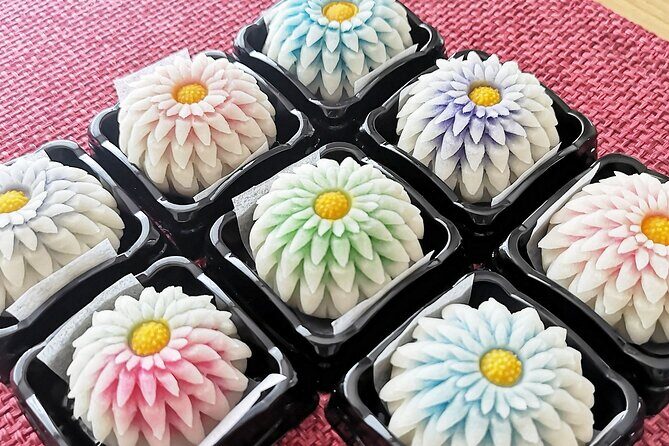
Here’s the practical core of the class: you learn Nerikiri shaping using step-by-step instruction, tools, and technique practice. Nerikiri are Japanese sweets traditionally served with tea ceremony. They’re usually made from sweet white bean, then carefully shaped into designs that look almost too pretty to eat.
You’ll start with a dough lesson. The instructor explains and demonstrates how to make the Nerikiri dough, but one important note makes this class less stressful: the dough will already be prepared before you arrive. So while you learn the method, your in-class work focuses on shaping and finishing.
Then comes the part you’ll remember. You make five Nerikiri designs and practice different shaping techniques using various tools. That’s a big deal for beginners. If you only make one design, you can leave thinking you got lucky. Five designs means you actually see how technique changes the final form—what works, what takes practice, and how to fix small issues before they snowball.
The teaching style also helps. The class is precise and well organized. That matters because Nerikiri work is detail work. If instructions are vague, you’ll spend the time fighting the materials instead of learning from them.
Tools, technique, and why this craft feels peaceful
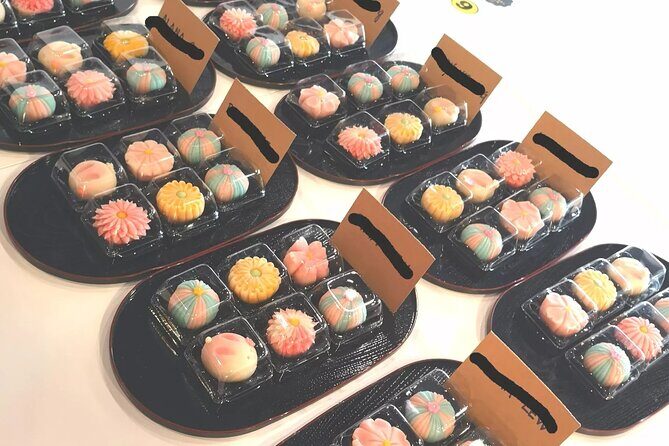
Nerikiri shaping looks delicate, but it’s very doable with guidance—and you’ll feel that during the session. The tools help you control edges, curves, and texture. As you move through the five designs, you’re training your hands like you would in a pottery studio: small adjustments, repeated practice, and a steady pace that prevents rushed mistakes.
This is also where the class gets therapeutic. You’re not trying to speed-run art. You’re doing slow, careful work with a clear sequence: dough, shaping steps, refinement, then the next design. That kind of focus naturally quiets the mental noise. It’s craft time where you stop checking your phone every five minutes.
One more subtle value: you’re learning how tea ceremony sweets are built around presentation. The point isn’t only flavor—it’s the shape, the finish, and the sense of care. When you make five different designs, you start understanding what “beautiful” means in this context. It’s not random decoration. It’s controlled shaping.
Making matcha table-style: taste is part of the lesson
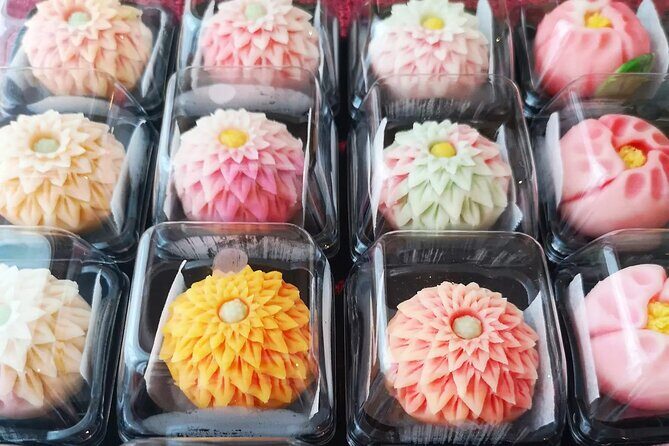
After your Nerikiri shaping, you make matcha tea. The class describes it as table-style matcha, meaning you’re not only mixing for the sake of mixing. You’re set up to make the tea and then enjoy your matcha alongside the sweets you created.
This pairing is smart for two reasons. First, matcha is the cultural companion to Nerikiri in tea service. Second, tasting while your hands are still warm from the work helps you connect effort to result. You get to ask yourself: Does the sweetness and texture of your Nerikiri change how the matcha tastes? How does the balance feel when you made the sweet yourself?
If you’re a coffee person, you’ll notice the rhythm difference. Matcha encourages attention. The goal is not speed or volume. It’s a small, calm moment with your own food.




Take-home container and emailed recipes: extending the class beyond 2.5 hours
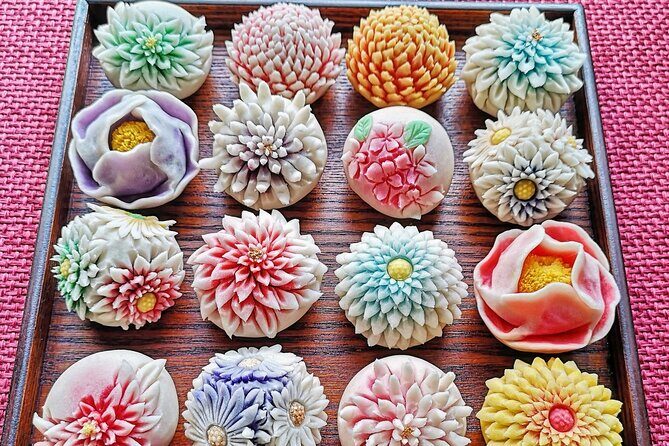
You don’t leave empty-handed. A container to take the rest of the Nerikiri home is provided, so you can keep tasting (and sharing) after the class. That’s not just convenience. It turns the lesson into something you can carry into your next meal or your next quiet evening.
Even better, the instructor sends follow-up support after class. The Nerikiri dough recipes are sent via email after the session, and you can receive two versions. There’s also a note that you’ll need to provide your email if you want them. That post-class message is where real practice happens. You’re not limited to what you remember from a single sitting.
This matters if you’re the kind of traveler who likes to bring a skill home, not just souvenirs. With recipes in hand, you can try the technique again. And since you made five designs in one class, you’ll have enough reference to pick a favorite shape and repeat it.
Price and value: is $84.92 fair for nerikiri + matcha?
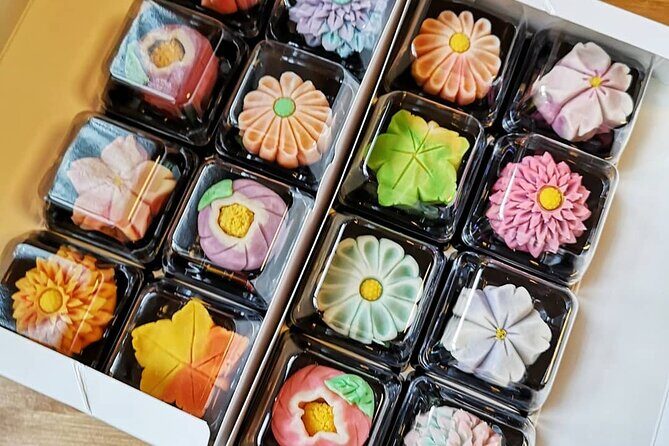
The price is $84.92 per person, for about 2 hours 30 minutes. That might sound like a lot until you break down what’s included.
You get:
- 5 Nerikiri (what you make and take home in part)
- Matcha (and the tasting experience)
- Container to take the rest home
- Post-class email recipes (two dough versions)
- Instruction that covers dough explanation, then shaping with tools, then matcha making
In Kyoto, craft workshops often compete on vibe and scenery. This one competes on skill. Five designs plus matcha plus take-home sweets means you leave with both something edible now and guidance you can use later.
If you prefer hands-on learning and you like the idea of making something technical but not intimidating, the value is strong. If you’re only looking for a quick taste or a simple demonstration, you might decide it’s pricier than you need. But if you want the technique, this class is built for that.
Who should book this Nerikiri and matcha class?
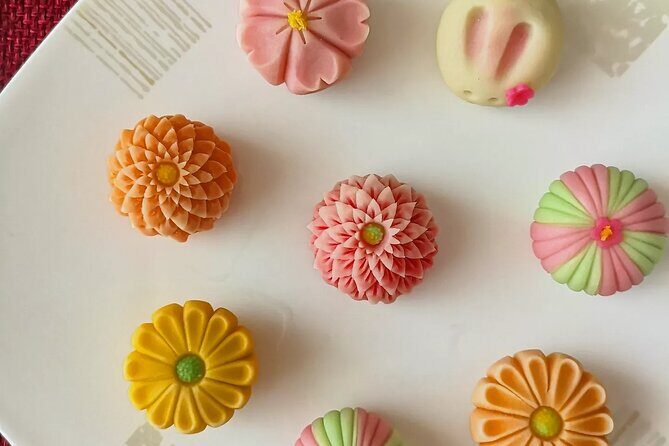
This works best for:
- You if you want a unique Kyoto experience that’s calm and hands-on.
- You if you enjoy technique-based activities where guidance reduces the guesswork.
- You if you like making food you can actually take home and repeat.
It may be less ideal if:
- You hate slow, careful work and want lots of movement.
- You’re traveling as a group that expects spectators. The class has limited space, and only participants can attend—no spectators.
It’s also age-limited: participants must be older than 10. That makes it suitable for older kids and teens who enjoy craft. For younger children, you may need another type of activity.
And one more practical detail: it’s near public transportation, and the class is small. That means it fits well into a typical Kyoto day without needing a private driver.
Should you book Nariko’s Kitchen in Matsugasaki?
I think it’s a strong booking if you want a calmer side of Kyoto—one where you learn by shaping, not just by looking. The class gives you a satisfying structure: dough instruction, five designs, matcha, and then a chance to take your work home. Add the email recipes afterward, and you’re not stuck wondering how you could ever recreate what you made.
Skip it only if your travel style is mostly fast-paced sightseeing, or if you need a setting where friends can watch from the sidelines. Otherwise, this is the kind of workshop that makes you feel useful with your hands—and a little quieter inside by the time you leave.
FAQ
FAQ
Where is the Nerikiri and matcha class in Kyoto located?
The meeting point is Matsugasaki Station in Sakyo Ward, Kyoto (Matsugasaki Rokunotsubocho, Sakyo Ward, Kyoto, 606-0915, Japan).
What time does the class start and how long does it last?
It starts at 10:00 am and lasts about 2 hours 30 minutes.
How many Nerikiri designs will I make?
You will learn and make 5 Nerikiri designs during the class.
What is included in the price?
The price includes 5 Nerikiri, matcha, and a container to take the remaining Nerikiri home.
Can I take the Nerikiri home after the class?
Yes. You’ll receive a container and you can take the rest of the Nerikiri home.
Will I get matcha to taste during the session?
Yes. You make and enjoy matcha tea as part of the class.
Are Nerikiri dough recipes provided after the class?
Yes. After the class, the instructor will email two versions of Nerikiri dough recipes if you provide your email address.
Is the class appropriate for children?
Participants must be older than 10.
Is private transportation included?
No. Private transportation is not included.
Are spectators allowed to watch?
No. Only people participating in the class may attend due to limited space, and there are no spectators.
What is the cancellation policy?
This experience is non-refundable and cannot be changed for any reason. If you cancel or ask for an amendment, the amount you paid will not be refunded.