REVIEW · KYOTO
Geisha at Dusk: A Stroll Through Old Kyoto
Book on GetYourGuide →Operated by Reelu inc · Bookable on GetYourGuide
Dusk makes Kyoto feel like a film. This Geisha at Dusk walk ties together an Ebisu coin ritual for luck and the after-dark lanes of Gion Shirakawa by the river—guided in English by Romi.
I especially liked how the tour mixes big Kyoto landmarks with small details you’d miss on your own. You’ll get grounded at the start, then flow through wooden townhouses, temple grounds, and atmospheric streets at the exact hour they look best.
One thing to weigh: you’re not guaranteed to spot a maiko or geiko. If you’re coming purely for that, adjust expectations and focus on the streets, architecture, and the cultural stops instead.
In This Review
- Key Highlights You’ll Actually Care About
- Why This Dusk Walk Starts at Ebisu
- Kennin-ji Temple: Calm Grounds and Wind-Thunder Gods Visual Culture
- Hanamikoji Street: Traditional Wooden Townhouses and the Geiko-Maiko Moment
- Gion Shirakawa at Dusk: River Lanes, Cobblestones, and Wooden Facades
- Pace, Timing, and Meeting Point Reality Check
- Price and Value: Is $20 Worth It?
- Who Should Book This Tour (and Who Might Skip It)
- Should You Book Geisha at Dusk?
- FAQ
- How long is the Geisha at Dusk tour?
- What does it cost?
- Where do I meet the guide?
- What language is the tour guide?
- Is food included?
- What is included in the price?
- Is the tour wheelchair accessible?
- What should I bring?
- Will I definitely see a maiko or geiko?
- Is there free cancellation?
Key Highlights You’ll Actually Care About
- Ebisu shrine coin toss: a fun ritual at Ebisu’s smiling face that’s different from the usual bow-and-walk approach
- Kennin-ji Temple grounds: a peaceful pause and a chance to see cultural treasures tied to the Wind and Thunder Gods imagery
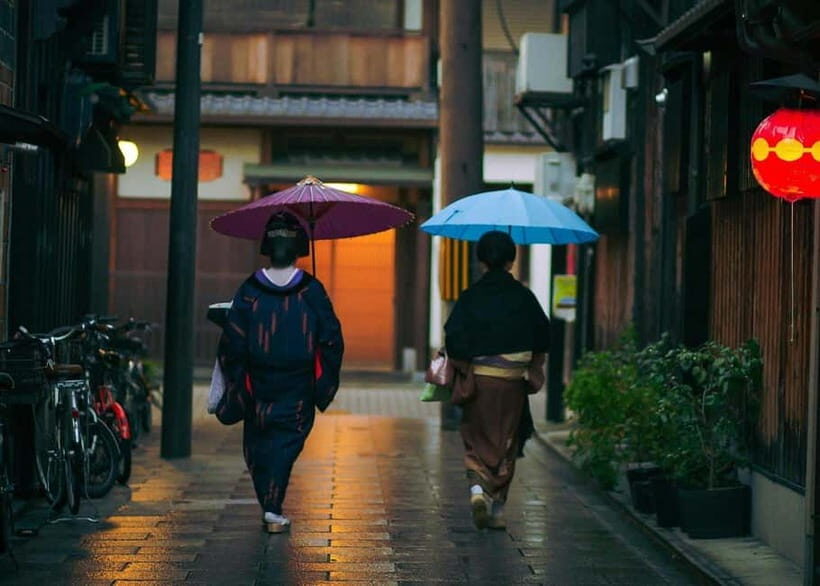
- Hanamikoji Street strolling: preserved townhouses with a real chance of seeing a maiko or geiko passing by
- Gion Shirakawa at dusk: cobblestone paths lined with traditional wooden homes along the Shirakawa River
- Small-group energy with Romi: warm, friendly guidance with time for questions
Why This Dusk Walk Starts at Ebisu
The tour begins at Donguri-bashi Park (団栗橋公園), near the riverside. This is a smart starting point because the route quickly gets you into the traditional Kyoto mood, rather than just lining you up for the most photographed areas.
From there, you head to the Kyoto Ebisu Shrine, dedicated to Ebisu—one of Japan’s Seven Lucky Gods and the deity associated with prosperity. The guide explains who Ebisu is and why people connect this shrine to good fortune, so you’re not just watching a ritual. You understand what you’re doing and why it matters.
The standout moment is the coin-toss ritual. You’ll throw a coin into a box beneath Ebisu’s smiling face. It’s playful, a little suspenseful, and easy to remember—exactly the kind of hands-on moment that turns a sightseeing walk into a story you can repeat later.
You can also read our reviews of more tours and experiences in Kyoto.


Kennin-ji Temple: Calm Grounds and Wind-Thunder Gods Visual Culture
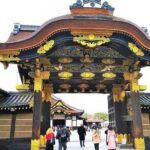
After Ebisu, you move on to Kennin-ji Temple. The main gate is a great first visual cue: you immediately feel like you’ve stepped into another tempo. Kyoto temples can be crowded, but the walking route and the pace help keep it from feeling like you’re just rushing through.
Inside the grounds, the guide points out cultural treasures, including the famous Wind and Thunder Gods picture. Even if you only catch it briefly, the explanation helps you connect the imagery to Japanese visual culture—how people use bold, symbolic figures to talk about forces they can’t control, like weather and power.
This stop is valuable for two reasons. First, it gives your eyes a reset after street-level walking. Second, it helps you see Kyoto as more than postcard scenes. The temple grounds add meaning to the rest of the route, especially once you’re back out among townhouses and shrine-adjacent streets.
Hanamikoji Street: Traditional Wooden Townhouses and the Geiko-Maiko Moment
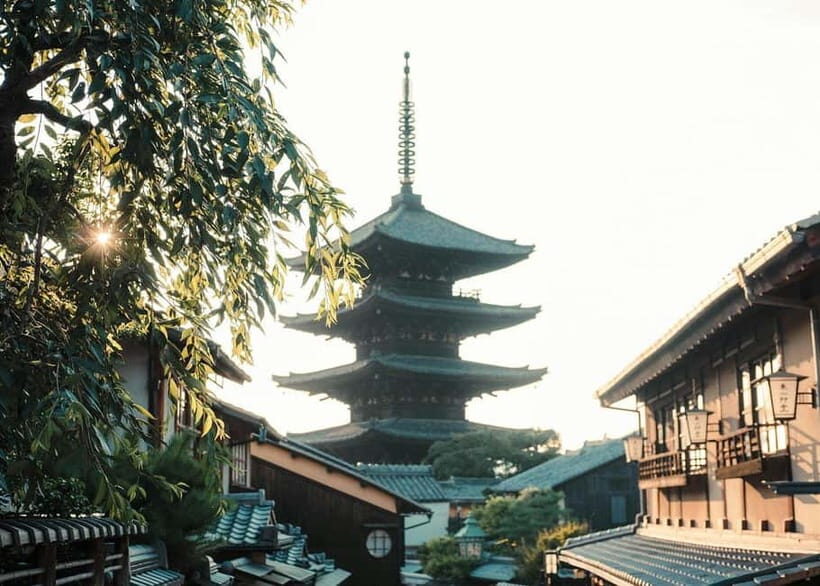
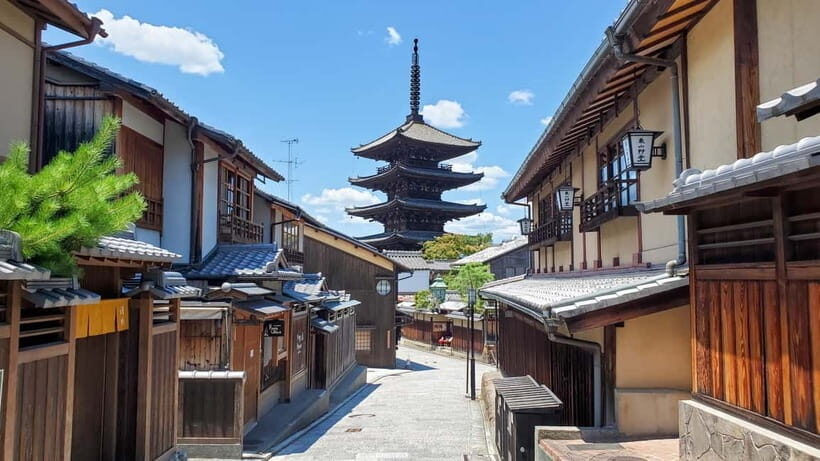
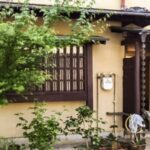
Then comes the street that feels like Kyoto in one concentrated dose: Hanamikoji Street. One minute you’re walking through the transition zone; the next, the atmosphere snaps into place—lively, narrow, and full of preserved wooden townhouses.
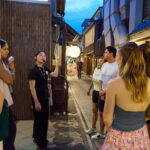
Here’s where the tour earns its name. As you stroll, the guide explains what you’re looking at and why these buildings and streets matter in Kyoto’s identity. The street is also the kind of place where you might catch sight of a maiko or geiko moving through the area.
Do go in with flexibility. The tour does its best, but you should assume encounters aren’t guaranteed. That’s not a problem if you’re there for more than a photo. If you’re paying attention, Hanamikoji Street delivers plenty: the feel of the architecture, the rhythm of pedestrian traffic, and the way dusk changes the look of wood and paper lantern light.
Tip that helps: walk slowly. You’ll get better sightlines and you’ll have time to register details the guide points out—doors, signage, and townhouse frontage that blend into the background unless someone teaches you what to notice.
Gion Shirakawa at Dusk: River Lanes, Cobblestones, and Wooden Facades
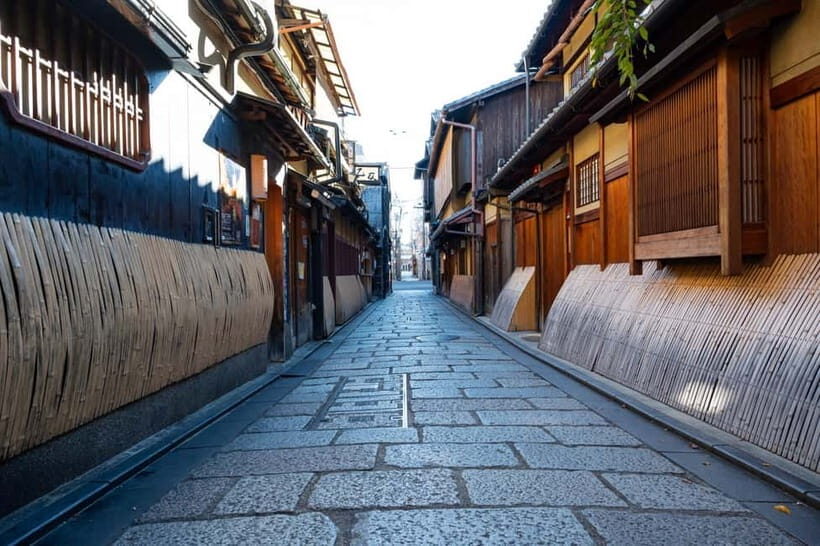
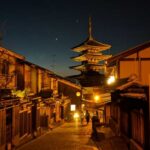
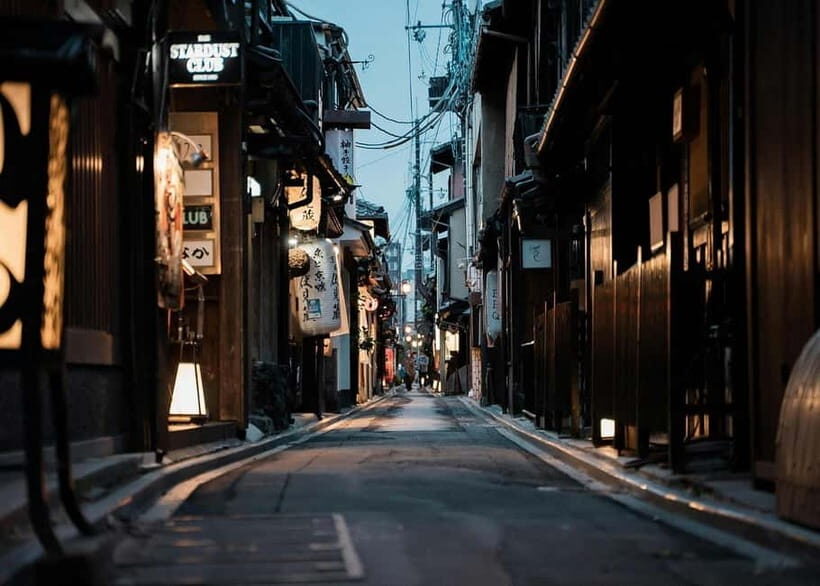
Next is Gion Shirakawa, built around cobblestone paths and traditional wooden townhouses that line the Shirakawa River. This is where the tour timing pays off. Dusk is the sweet spot because daylight fades, surfaces warm up, and the area starts to feel cinematic without turning into a chaotic rush.
As you walk, expect a mix of photo stops and guided commentary, including time along the riverside canal stretch. The guide keeps you moving, but not at a sprint—there’s room to slow down, look, and absorb what makes this district different from other Kyoto street scenes.
What I liked most here was the contrast. You’re in the middle of one of Kyoto’s best-known entertainment districts, but the river lanes give you a quieter feeling than the broader Gion areas. The wooden facades and the water’s reflection effect help the whole setting feel more layered than simple sightseeing.
If you love architecture, this is your moment. The route emphasizes what the townhouses look like at street level and how the lane design shapes your perspective. That’s a big part of why this works as a dusk experience, not just a daytime walk.
Pace, Timing, and Meeting Point Reality Check
This is a 2-hour walk, so it’s paced for seeing a lot without dragging. There are multiple quick stops—photo moments, short walks, and guided segments—so you’ll feel progress the whole time.
The meeting point is clear: Donguri-bashi Park (団栗橋公園). The provided coordinates are 35.0018215, 135.771567, which can help if you’re using a map app and want to confirm you’re at the right spot.
You should wear comfortable shoes. The route includes streets with cobbles and temple grounds. Even if you’re a confident walker, your feet will thank you for cushioning and good grip.
Also bring a camera. This tour is built around dusk lighting and architectural lines, so you’ll want to capture it before dark settles fully in. And since you may or may not see a maiko or geiko, it’s smart to frame your photos around the street scenes themselves, not only expecting one perfect subject.

Price and Value: Is $20 Worth It?
At $20 per person, this tour is priced like a solid “pay for guidance” experience, not like a long, high-cost private day. Two hours can sound short, but Kyoto can be one of those places where a guide changes everything—what you notice, how you understand what you’re seeing, and how you interpret the details.
You’re getting a local guide (English) who helps connect the dots between the shrine ritual, the temple treasure references, and the street architecture. That guidance matters most at stops like Ebisu, where the ritual is fun, but the meaning can still be mysterious if you don’t get the context.
The value also comes from how the tour is experienced. In my conversations with people who’ve done it, a theme shows up: Romi’s communication and warmth make the walk feel relaxed, and the group dynamic stays friendly. One person even noted that the small group helped the guide answer lots of questions. That’s exactly what you want for a short 2-hour format.
If your goal is simply to wander Gion on your own, you can do that. But if you want a guided line through Kyoto that hits both sights and culture—without taking over your whole afternoon—this price lands in a sensible zone.
Who Should Book This Tour (and Who Might Skip It)
This tour is a great fit if you:
- Want a dusk-timed walking experience in Gion and Higashiyama-area neighborhoods
- Like cultural context, not just photos
- Enjoy short, well-paced tours that keep you moving while still letting you stop and look
- Prefer a guide who can answer questions and keep things friendly
It may be less ideal if you:
- Only care about guaranteed maiko or geiko sightings. You might see one, but you might not
- Want a longer deep study of Kyoto’s history and religion. This is focused, and it stays moving
The good news: even without a guaranteed sighting, you still get a structured route through places that feel distinctly Kyoto—Ebisu shrine luck rituals, temple calm, historic streets, and dusk river lanes.
Should You Book Geisha at Dusk?
I’d book it if you’re planning a Kyoto day and want a compact route that feels culturally grounded. The Ebisu coin ritual, the Kennin-ji temple stop, and the dusk walk through Hanamikoji and Gion Shirakawa give you variety in a short time—and Romi’s English guidance makes it easy to get meaning out of what you see.
I’d hesitate only if your trip is built around one single expectation: spotting a maiko or geiko on demand. Since encounters aren’t guaranteed, make sure you’re there for the broader experience—the streets, the architecture, and the way Kyoto looks and feels after sunset.
If that’s your vibe, this one’s a strong choice.
FAQ
How long is the Geisha at Dusk tour?
It lasts 2 hours.
What does it cost?
The price is $20 per person.
Where do I meet the guide?
Meet at Donguri-bashi Park (団栗橋公園). The provided coordinates are 35.0018215, 135.771567.
What language is the tour guide?
The tour is guided in English.
Is food included?
No meal is included.
What is included in the price?
A local guide is included.
Is the tour wheelchair accessible?
Yes, it’s listed as wheelchair accessible.
What should I bring?
Bring comfortable shoes and a camera.
Will I definitely see a maiko or geiko?
No. You may not always encounter a maiko or geiko during the tour.
Is there free cancellation?
Yes—free cancellation up to 24 hours in advance for a full refund.