REVIEW · OSAKA
Osaka: Explore Every Bit of Osaka Castle in 3 Hours
Book on GetYourGuide →Operated by DeepExperience, Inc. · Bookable on GetYourGuide
Samurai stories live in the stone walls. This 3-hour tour gives you Osaka Castle Tower access plus guided explanations that make the displays feel like a real timeline, not just room after room. I also like how it gets you walking beyond the main photo spots, with the castle park loop that helps Osaka Castle earn its reputation.
You should know one trade-off: participation can be difficult for wheelchair users, even though it’s described as wheelchair accessible.
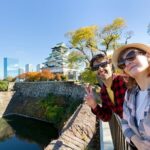
If you’re lucky with your guide, you’ll notice the difference fast. The English guiding here is praised for clear explanations of the fudal system and the building of the castle, and one guide named Yoshie specifically stands out for being friendly and professional. A simple self-walk is fine, but this tour is built for people who want the story behind what they’re looking at.
In This Review
- Key Highlights You Should Not Miss
- Entering the Castle Grounds: The 3-Hour Pace That Works
- Osaka Castle Tower: What the Exhibits Are Really For
- Otemon Gate: The Fortress Entrance You’ll Want to Look Up At
- Tamon-yagura and the Feeling of a Real Defensive System
- Japanese Garden Stop: A Break That Still Fits the Story
- Miraiza Osaka-Jo: Context in a Short Time Window
- Osaka Castle Main Tower and Museum Time: The Wow Factor Portion
- Gokuraku-bashi Bridge: Closing the Loop With a Final View
- Price and Value: Is $64 Worth It?
- Who This Tour Fits Best (And Who Might Want a Different Plan)
- Final Call: Should You Book the Osaka Castle 3-Hour Tour?
- FAQ
- How long is the Osaka Castle tour?
- How much does it cost?
- What language is the live guide?
- What is included in the price?
- What is not included?
- Where do we meet?
- Where does the tour end?
- Is wheelchair access available?
- Can I cancel for a refund?
- Are private or small groups available?
Key Highlights You Should Not Miss
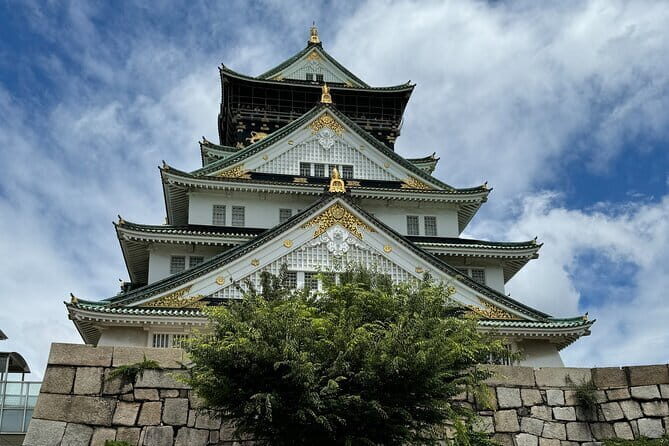
- Osaka Castle Tower exhibits that connect the battles to the buildings
- A guided park walk that points out details most people skip
- Otemon Gate and Tamon-yagura stops for a more complete fortress feel
- Japanese garden time that breaks up the hard walking
- Miraiza Osaka-Jo as a compact context stop before the museum
- Gokuraku-bashi Bridge photos with an explanation of why it matters
Entering the Castle Grounds: The 3-Hour Pace That Works
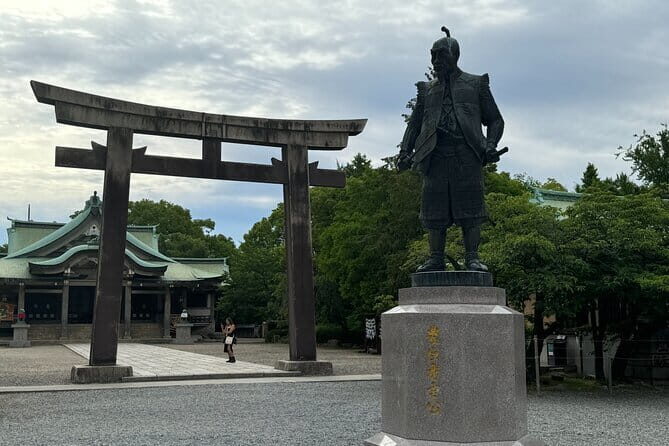
Osaka Castle isn’t a place you can fully understand from one quick pass. This tour is timed to keep you moving without turning it into a sprint. You get a guided loop through the park and then the tower portion, so you’re not stuck wandering and guessing what to prioritize.
The walking portion is laid out as a leisurely route rather than a hardcore hike. That’s especially helpful if it’s warm or you’re coming off other Osaka sightseeing. You’ll also get the benefit of someone on hand to explain what you’re seeing as you see it, which is where a guided experience pays off.
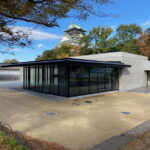
One practical note: the tour meeting point can vary depending on which starting option you book. You can start at a Lawson S Otemae Rest House area, or at a public restroom location inside Osaka Castle Park (South West). Either way, you’ll be moving quickly toward the key fortress areas.
A few more Osaka tours and experiences worth a look


Osaka Castle Tower: What the Exhibits Are Really For
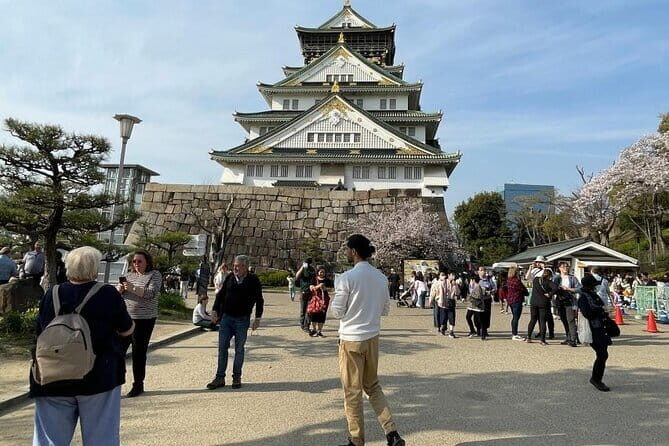
The star of this experience is the castle tower museum time, and it’s not just for history buffs. The tower’s displays are designed to help you connect the physical structure of the castle with the political and military forces around it. If you care about samurai-era power struggles, you’ll get a cleaner picture of why the castle looked and functioned the way it did.
I love that the tour frames the tower stops as part of one story arc rather than isolated facts. The guide’s explanations of the fudal system (as it impacts conflicts and control) helps you read the displays with context. Without that, you can end up seeing artifacts and diagrams and still not know what mattered most.
What to expect: you’ll have guided time at the tower and later inside the main tower museum portion as well. This split matters because it gives you time to absorb the story while you’re still in the right setting—right there at the castle, not trying to remember details later.
Otemon Gate: The Fortress Entrance You’ll Want to Look Up At
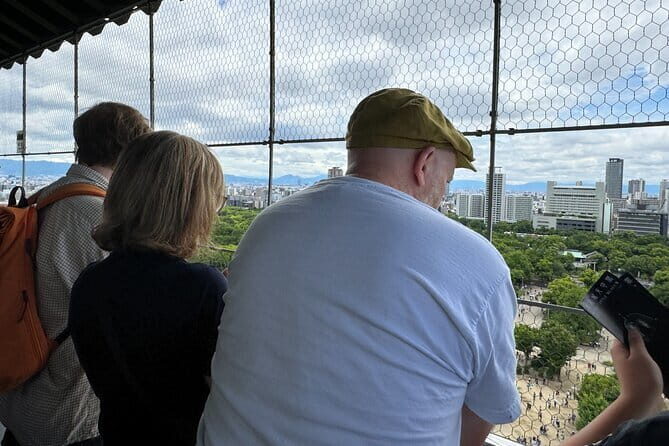
A lot of castle tours jump straight to the main structure. Here, you’ll get a short guided stop at Osaka Castle Otemon Gate, and that’s a smart move.
Gates in Japanese castles aren’t just decoration. They help show how people thought about defense, movement, and control. Standing near Otemon Gate with guidance makes the area feel more purposeful, especially if you’re also into stonework and defensive architecture.
The guided time here is brief—about 10 minutes—but it works like a checkpoint. You’re given a way to notice what you might otherwise overlook: the gate as a transition from open park space into a more controlled fortress mindset.
If you’re photographing, consider taking a moment before the guide moves you on. Castle gates look different depending on height and angle, and a short pause can give you the picture you actually want.
Tamon-yagura and the Feeling of a Real Defensive System
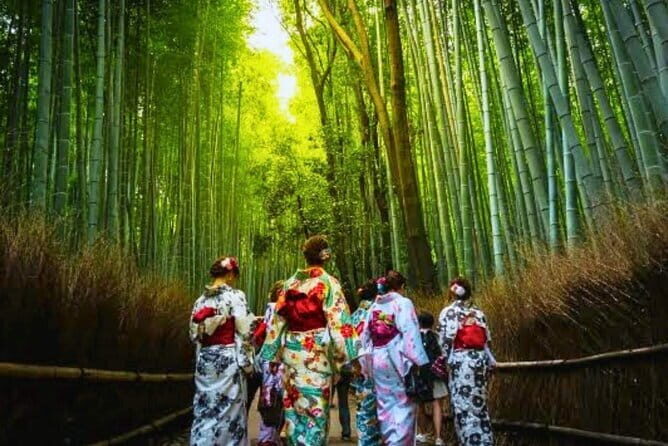
Next up is Tamon-yagura, another short but meaningful stop. This is where the tour starts to feel more like walking through a fortified system than a sightseeing park.
Yagura structures (tower-like defensive elements) help you understand how castles were built to cover key areas. Even when some parts are modern reconstructions, you can still learn what people intended the layout to do. With guidance, you’re less likely to treat it like scenery and more likely to see it as strategy.
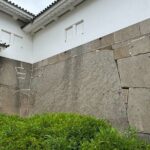
The pacing is tight here—around 10 minutes—so you’ll want to stay mentally switched on. I recommend looking at the surrounding walls and not just the yagura itself. The stone-and-wall environment is often where the story clicks for people who care about defense and structure.
Japanese Garden Stop: A Break That Still Fits the Story
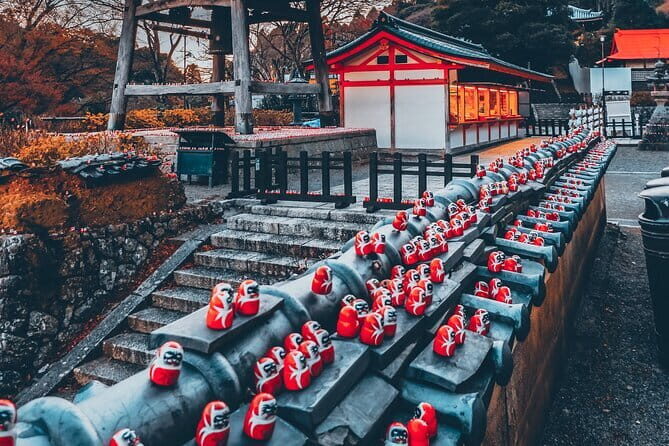
One stop that surprised me in how well it fits the route is the Japanese garden. It’s guided for about 10 minutes, and that’s just long enough to reset your brain.
This kind of pause matters because castle grounds can feel like a loop of heavy structure. A garden stop gives you a calmer view, and it also helps you notice how different parts of castle space served different purposes—defense and residence, ceremony and observation.
You won’t get a long meditation session, but you’ll get a chance to slow down. Use it to look at how the garden is positioned relative to the castle structures around it. That placement often helps you understand why castles were not only military sites.






Miraiza Osaka-Jo: Context in a Short Time Window

Miraiza Osaka-Jo gets about 15 minutes of guided time. Think of it as a stepping-stone between outdoor viewpoints and deeper museum content.
This is the kind of stop that helps you make sense of what you’re about to enter. If your goal is to leave with a clear understanding, these “context” stops prevent museum time from becoming disconnected reading.
During this segment, you’ll likely get a quick framing of the castle’s importance in Osaka and the way the site is presented today. Even if you’re not into exhibits, the guide’s explanations can turn this into a useful orientation moment.
If you’re the type who likes to read before you look, arrive with a slightly curious mindset. You’ll get more out of short guided time when you’re actively listening for what connects later stops.
Osaka Castle Main Tower and Museum Time: The Wow Factor Portion
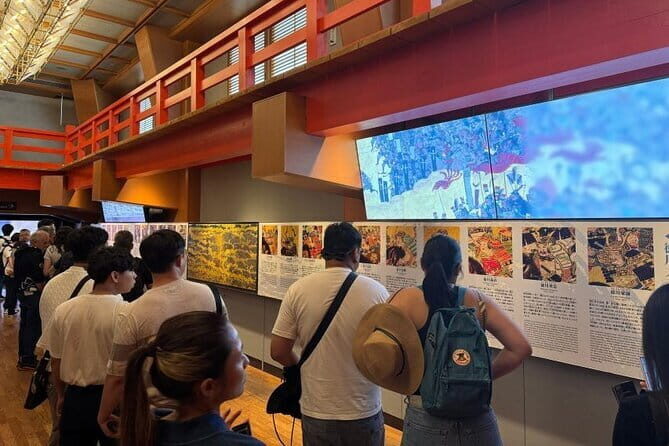
This is the bulk of the indoor experience: you’ll spend about 1.5 hours at Osaka Castle Main Tower, including guided time through the Osaka Castle Museum portion.
For me, this is where the tour earns its price. The tower is the place where explanations turn into something you can point at: maps, displays, and historical context tied directly to the castle itself. If you’re into Japanese castles, samurai, shoguns, or even katanas and the culture around warriors, this is the moment that feels like it’s built for you.
What I like about having guided time here is that you’re not left to figure out the logic of what you’re seeing. The guide helps you understand why certain themes appear, and it keeps you from spending energy searching for meaning.
A practical tip: wear comfortable shoes and plan to look up. Castle museums often mix written labels with visual material, and it’s easy to miss key parts if you move too fast. The guided pace here gives you the chance to stop where it matters.
Gokuraku-bashi Bridge: Closing the Loop With a Final View
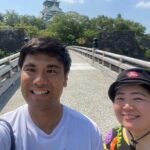
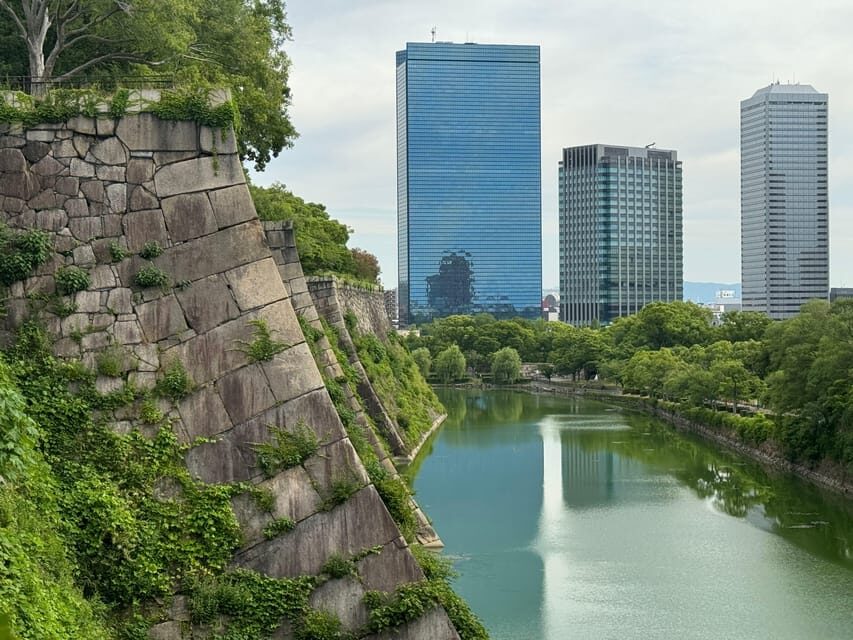
After the museum, you’ll circle back outside with a stop at Gokuraku-bashi Bridge. This one is shorter—about 15 minutes—but it’s a satisfying finish.
Bridges like this are part of how the castle site connects water, movement, and atmosphere. With guidance, you’ll notice details you might not catch on your own, like how the bridge fits into the grounds and how it changes the feel of the space.
This segment also helps your brain connect the dots. You’ve spent a big chunk of time inside learning the fortress story. The bridge stop is the reminder that this isn’t just a museum building—it’s a lived-in environment, built to be approached and seen in sequence.
The tour ends at Osaka-jo Park Station, which makes your exit plan easier. You won’t be left improvising the last step.
Price and Value: Is $64 Worth It?
At $64 per person for about 3 hours, the value comes from two things: guidance plus admission to the tower.
If you’re considering doing this on your own, you’d have to solve two problems: figuring out what to prioritize and translating what you’re looking at into context. This tour handles both. You’re paying for someone to point you toward the most meaningful parts—Otemon Gate, Tamon-yagura, the tower exhibits, and the museum—so you spend your time seeing rather than hunting.
Also, the pacing is built around comfort. You get a long enough museum experience that it doesn’t feel rushed, and you still get the outdoor park route that makes Osaka Castle feel like a complete site.
For the kind of traveler who likes castles as more than photos—someone who enjoys samurai-era political context—this pricing tends to feel fair. For a “see it once and move on” traveler, it might feel like too much structure. You’ll know where you fall once you think about how you like to learn while traveling.
Who This Tour Fits Best (And Who Might Want a Different Plan)
This is a great match if you:
- Want English explanations tied directly to the places you’re standing in
- Like Japanese castles, samurai stories, shoguns, and stone-wall architecture
- Prefer a guided route that helps you cover the important areas in one go
- Appreciate a route that includes both tower exhibits and outdoor garden time
It may be less ideal if you:
- Want a fully independent pace with no structured stops
- Have limited mobility and need a route that’s easy to navigate end-to-end (the tour notes that wheelchair participation can be difficult, even while describing wheelchair accessibility)
- Prefer only the tower and don’t care about the park and bridge stops
If you’re traveling with kids, this can work too, but you’ll want to check how your group handles museum time. The guided flow can be a hit with curious kids, but it’s still a castle history experience.
Final Call: Should You Book the Osaka Castle 3-Hour Tour?
My take: if you care about the story behind Osaka Castle and you want the tower museum to actually make sense, this is an easy yes. The combination of guided park walking plus Osaka Castle Tower entry and museum time is what turns it from sightseeing into understanding.
Book it especially if you’ll enjoy short, targeted stops like Otemon Gate and Tamon-yagura. Those quick segments often become the difference between seeing a castle and really grasping why it was built the way it was.
If you’re mainly chasing photos or you’re happy reading on your own, you might skip the guide. But if you like learning while you walk, this tour is built for exactly that pace.
FAQ
How long is the Osaka Castle tour?
The tour runs for about 3 hours.
How much does it cost?
It’s listed at $64 per person.
What language is the live guide?
The tour offers a live English tour guide.
What is included in the price?
The included items are the guide, admission to Osaka Castle Tower, and a walking tour of the castle park.
What is not included?
Admission to the rest of the site outside what’s specified is not listed as included, and no other items are mentioned as included beyond the tower admission and park walking tour.
Where do we meet?
Meeting points may vary depending on the option booked, with starting options including Lawson S Otemae Rest House and a public restroom in Osaka Castle Park (South West).
Where does the tour end?
The tour finishes at Osaka-jo Park Station.
Is wheelchair access available?
The activity is described as wheelchair accessible, but it also notes that participation can be difficult for wheelchair users.
Can I cancel for a refund?
Yes. Free cancellation is available up to 24 hours in advance for a full refund.
Are private or small groups available?
Yes, private or small groups are available.