REVIEW · TOKYO
Tokyo: Instagram-Worthy Mt Fuji & Lake Kawaguchiko Day Trip
Book on Viator →Operated by Hakuu · Bookable on Viator
Fuji photos start with a smart plan. This day trip is built around photography, with stops chosen for clear sightlines of Mt. Fuji and quick access from Tokyo Station.
I like the hassle-free morning pickup in Marunouchi, and I also like that the route spreads out multiple Fuji-friendly backdrops in one long day. One possible drawback: the schedule can feel fast, and if you end up with a cloudy sky you may get only short windows to see the mountain clearly.
In This Review
- Key takeaways before you go
- Why a Mt. Fuji day trip starts in Marunouchi
- Morning logistics: pickup, mobile tickets, and how the day flows
- Arakurayama Sengen Park: the Chureito Pagoda view and the stair reality
- What can go wrong
- Oshino Hakkai: eight springs near Mt. Fuji, and why it’s a good reset
- Drawback to consider
- The convenience-store Fuji shot at LAWSON Kawaguchiko Station
- A small tip
- Lake Kawaguchiko timing: Ohashi Bridge and the Oishi Park flower season
- The drawback here is timing
- Maple Corridor vs Oishi Park: how autumn reshapes the whole day
- One consideration
- Your guide and group energy: Hikari, Sakura, and the pace question
- Weather reality: cloudy days and short clear-ups
- Price and value: what $161 gets you (and what it doesn’t)
- Who this tour fits best (and who should skip it)
- Should you book this Mt. Fuji and Lake Kawaguchiko day trip?
- FAQ
- Where is the meeting point?
- When does the tour end?
- How long is the tour?
- Is the ticket mobile?
- What is included in the price?
- Are admission tickets included?
- What are the main stops during the day?
- Does the itinerary change for autumn?
- Does the tour skip any stops in cherry blossom season?
- How big is the group?
- Is there free cancellation?
Key takeaways before you go
- Tokyo Station pickup, simple start: fewer moving parts before the bus even leaves.
- Photo-first stop selection: every stop is aimed at getting you the shot.
- Seasonal swaps for the best colors: Oishi Park vs Maple Corridor depending on dates.
- Arakurayama Park includes the Chureito Pagoda view: plus a bit of stair climbing.
- Oshino Hakkai’s eight springs: a calmer, scenic break from the bus-and-camera rhythm.
- Up to 21 people: small enough to manage, big enough to keep energy going.
Why a Mt. Fuji day trip starts in Marunouchi
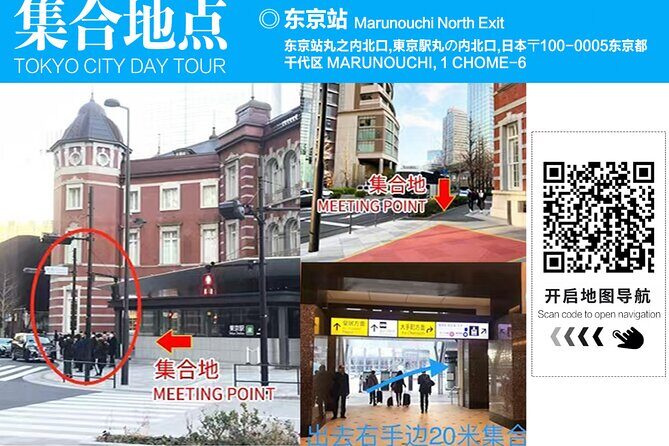
A lot of people think you just need to buy a ticket and hope for a clear sky. This tour works differently. You start in a place that makes sense: Tokyo Station, near Marunouchi. That matters because Fuji-area planning can get annoying fast—trains, bus transfers, and figuring out where to stand once you arrive.
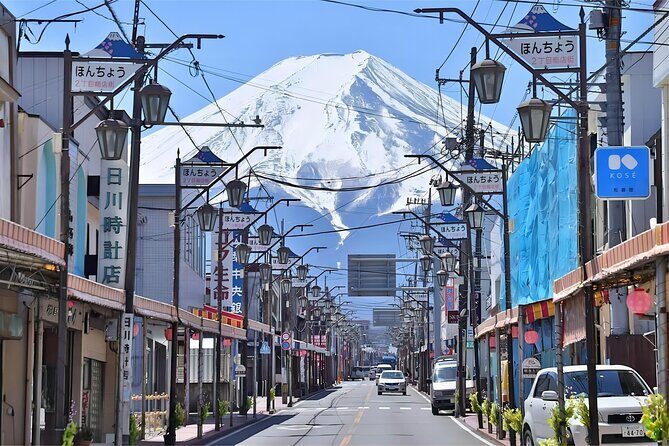
The day is also explicitly aimed at photos, not just sightseeing. You’re taken to well-known viewpoints like Arakurayama Sengen Park and Oshino Hakkai, plus practical “camera moments” where composition is the point, like the famous convenience-store view near Kawaguchiko Station.
The best part for me is how the pacing supports actual photography. You’re not stuck for hours at one spot with no options if the weather shifts. Instead, you get a sequence of chances across the morning and lake area.
A few more Tokyo tours and experiences worth a look



Morning logistics: pickup, mobile tickets, and how the day flows
You meet at Tokyo Station at 8:00 am, and the tour runs about 10 hours including travel time. The ride is set up for group touring, and the format is designed so you aren’t spending your day solving transport problems.
You’ll also use a mobile ticket. That helps if you don’t want to track printed vouchers. And because there’s a driver and guide included, you’re not left figuring out parking, timing, or where the group should regroup.
Group size is capped at 21 travelers, which is a sweet spot. You’ll still feel like a group, but you’re less likely to get lost in a crowd. One thing to keep in mind: reviews point out that some guides are more talkative and others move faster, so you should treat the tour as a guided route with photo stops, not a slow, classroom-style history lesson.
If you’re hoping for lots of cultural context at every stop, know that the tour emphasizes viewpoints and getting you time outside with the camera.
Arakurayama Sengen Park: the Chureito Pagoda view and the stair reality
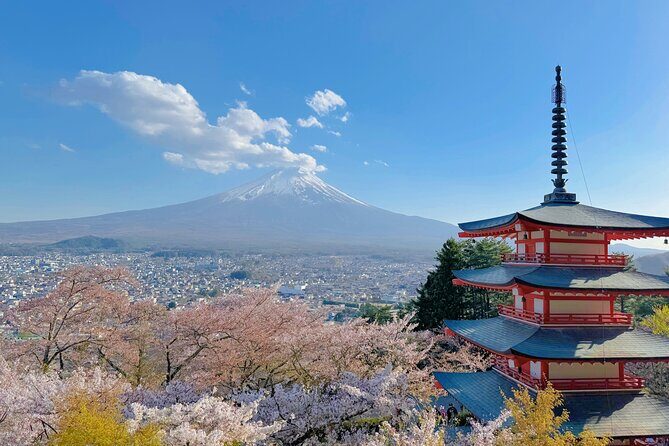
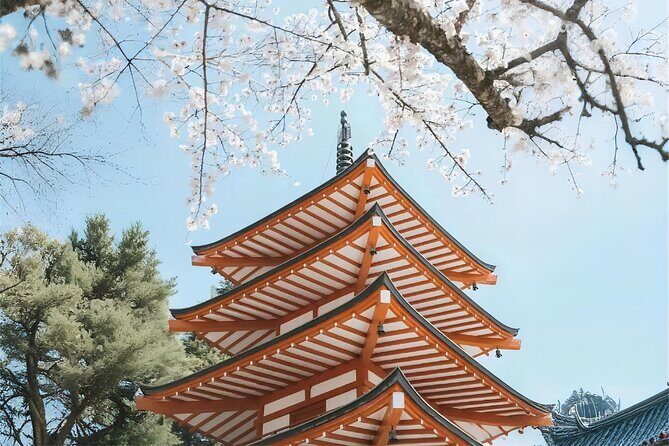
This is the headline stop. Arakurayama Sengen Park is where the iconic Chureito Pagoda shot comes from, with peak scenery during cherry blossom season (mid-April) and again when autumn leaves peak (November).
The important part for you: the view is worth it, but you should plan for effort. The park involves a short hike and, in practice, there are steps involved. One reviewer noted a 400-step climb to a shrine and said it was doable within the time given and worth the view. That’s the kind of real-world expectation you want.
The tour gives you about 1 hour here, and includes the admission ticket. That hour needs to cover a few tasks at once: walking to the viewpoint, finding a spot for photos, and regrouping without stressing the group.
What can go wrong
If clouds are low, you might not get the full Fuji framing you came for. Still, the pagoda views and seasonal colors can remain photogenic even when Mt. Fuji is partially hidden. This is one of those stops where timing and regrouping matter more than you’d think.
Oshino Hakkai: eight springs near Mt. Fuji, and why it’s a good reset
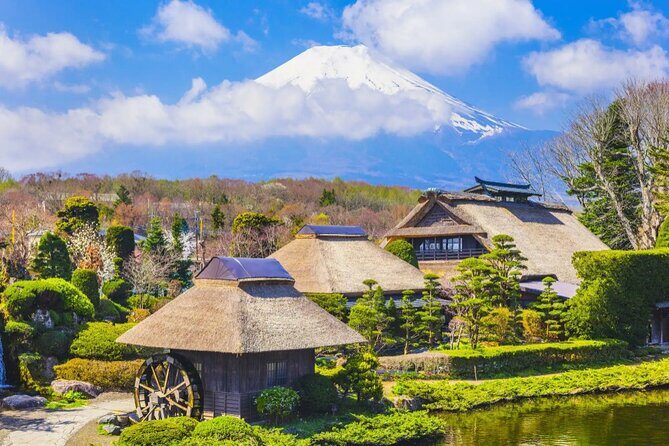
After the first big viewpoint, you head to Oshino Hakkai, the natural monument made up of eight springs fed by snowmelt from Mt. Fuji. This stop is free and lasts about 1 hour 20 minutes, which gives you breathing room compared with the shorter camera dashes.
Why I like this part of the day: it’s less about chasing angles and more about slowing down for a quiet scene. The water is described as crystal-clear and reflective, which means your photos can shift from “Fuji framed with landmarks” to “texture and atmosphere.” It’s a nice contrast after bus rides and camera planning.
One practical note: Oshino Hakkai is a place where you can actually wander a bit inside the time limit. You’ll likely want to spend the first chunk looking for angles where the water reflects the mountain, then save a second pass for details.






Drawback to consider
Because the tour is time-structured, you don’t have unlimited wandering time. If you’re the kind of person who could happily stay for two hours, you’ll need to pick what matters most: reflections, walking paths, or small scenic corners.
The convenience-store Fuji shot at LAWSON Kawaguchiko Station
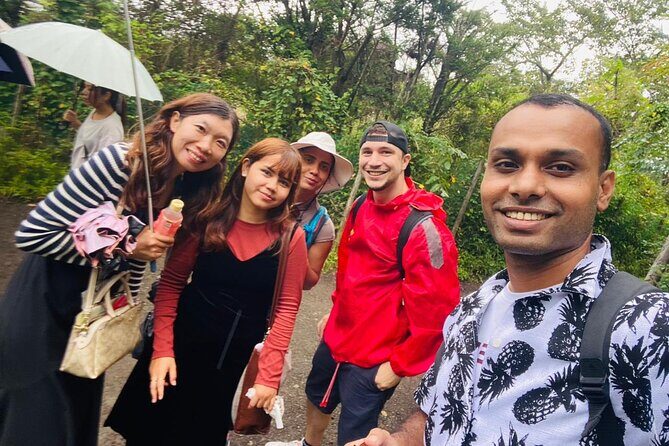
This is one of the most fun stops on the whole route. LAWSON Kawaguchiko Station is basically an Instagram-famous Fuji viewpoint disguised as a convenience store stop. It’s free, and you get about 20 minutes.
Here’s why it works for you: it’s easy to do quickly, and the view tends to be framed in a way that feels immediate. You’re not building a long hike into the schedule. You’re getting a “gotta-stand-here” moment with a practical place to reset—snacks, water, and a quick regroup without scrambling.
Reviews also highlight guides like Hikari as helpful with timing and angles, including pointing out the best place to stand. That makes sense on a stop like this: the exact location and direction matter, and a guide can help you avoid wasting time.
A small tip
Even if you’re not buying anything, plan to use the short window to set your framing and then take your photos fast. The group won’t hang out forever, and that’s where good guidance becomes useful.
Lake Kawaguchiko timing: Ohashi Bridge and the Oishi Park flower season
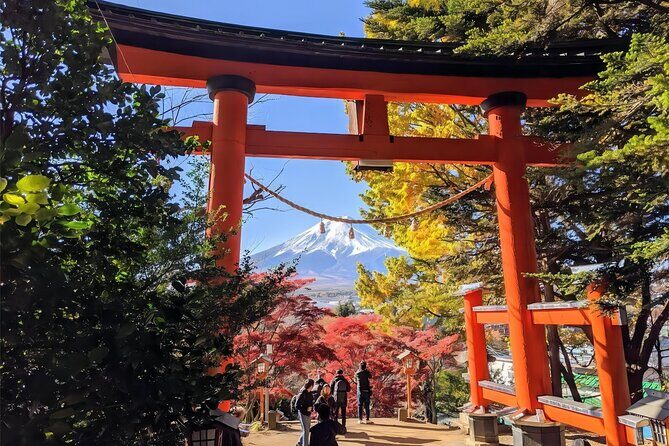
Next you reach the lake area, with a stop at Lake Kawaguchi Ohashi Bridge. It’s part of the lake photo sequence, and it typically sets you up for your final scenic time.
In most of the year, the tour finishes with time at Oishi Park, which is known for flower fields. The tour highlights flowers like lavender, begonia, cosmos, and Japanese blood grass. That’s a great match for photographers because it gives you foreground color. Even if the mountain is only partly visible, colorful fields can still produce strong “postcard” images.
You’ll get about 50 minutes in this lake/park block. That sounds short until you remember it’s not just walking—it’s moving between photo angles and taking turns without losing the group rhythm.
The drawback here is timing
Lake views depend on weather. If Fuji is hidden by cloud, flowers and lake scenes become more about color than the full “mountain + nature” combo. Still, you’ll come home with real variety: pagoda view, spring reflections, and lake foregrounds.
Maple Corridor vs Oishi Park: how autumn reshapes the whole day
Autumn is where this tour can feel like it was designed specifically for your camera. From around late October into November, the itinerary shifts.
During the maple season (about Oct 30 to Nov 20), the tour visits the Kawaguchiko Maple Corridor instead of Oishi Park. There’s also a seasonal note indicating the Maple Corridor period begins around Oct 20 to Nov 20. The idea is consistent: you trade flower fields for red maple scenes with Fuji in the background when conditions line up.
The Maple Corridor stop lasts about 50 minutes. The highlight you’re chasing is a view of snow-capped Mt. Fuji against fiery red maple leaves. When that comes together, it’s the kind of image you’ll recognize even if you’ve never been to Japan.
One consideration
Maples don’t guarantee Fuji. Even in autumn, the mountain can stay hidden in cloud. But your odds improve when you’re given multiple stops across the day rather than betting everything on one viewpoint.
Your guide and group energy: Hikari, Sakura, and the pace question
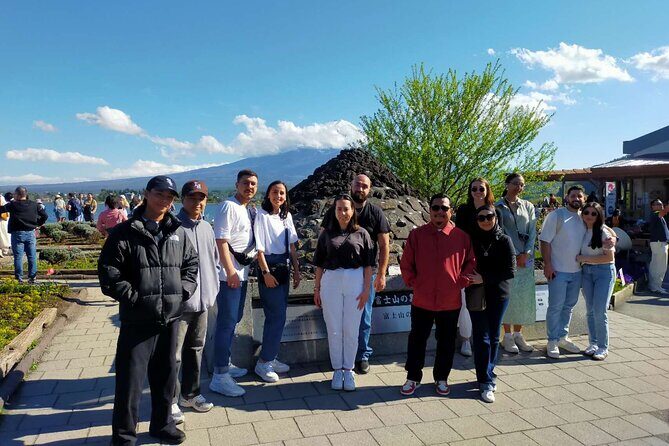
The most repeated theme in the guide-related feedback is simple: the guide can make the day feel smooth or rushed. Names come up in reviews, like Hikari and Sakura, and the positive notes are consistent: good English, humor, clear explanations, patience with the group, and help finding the best angles for Mt. Fuji.
At least one review also points out the opposite experience. With a different guide (named Bruce), the pace felt rushed and explanations felt limited, making it more of a transport-and-photo run than a deeper guided experience.
So here’s how you should interpret this as a buyer:
- If you want your day to feel like a guided photo walk with lots of context, focus on reviewers who mention clear explanations and active guidance.
- If you’re mainly here for the viewpoints and you’ll enjoy the day even with less chatter, the route itself still delivers variety.
Weather reality: cloudy days and short clear-ups
Fuji is famous for being moody. You can’t control clouds. What you can control is your flexibility, and a multi-stop day trip helps.
Some reviewers describe seeing Fuji only briefly because of cloud cover. That’s not failure. That’s Fuji behavior. The value in this tour is that you’re not locked into a single spot for hours. You get repeated chances to catch Mt. Fuji in better conditions.
If you want photos that look like the posters, arrive mentally ready for version two: Fuji may appear partially, or only for seconds. The best strategy is to be ready early at each stop, take your first shots quickly, and then adjust once your guide confirms the best angle.
Price and value: what $161 gets you (and what it doesn’t)
At $161 for about 10 hours, this isn’t the cheapest way to reach Lake Kawaguchiko. But it’s also not just a seat on a bus. The price includes:
- Parking fees
- Driver and guide service
- A group-based route with multiple stops
- Admission at Arakurayama Sengen Park (while other listed stops are free)
What isn’t included is dinner and other personal spending, plus any admission tickets not covered. In the real world, that means your extra costs may be modest, depending on what you choose to buy during the day.
Is it good value? For me, yes—if you want to save time planning and you prefer a guided route where someone handles the timing. If you’d rather build your own itinerary, catch local buses yourself, and spend longer at fewer spots, you might do better going independent.
But if your trip has limited time and you want to maximize the odds of seeing Mt. Fuji from several classic angles, the structure makes sense.
Who this tour fits best (and who should skip it)
This is a good match if you:
- Love photography and want multiple Fuji photo opportunities in one day
- Want a simple start at Tokyo Station with pickup and return
- Prefer a guided group route to spending hours building an itinerary
- Like seasonal scenery, especially cherry blossoms and autumn reds
It may be less ideal if you:
- Want a slow pace with lots of deep cultural stops
- Get stressed when schedules move quickly
- Need constant mental health supervision, since the format is a busy group day
Also, if you’re worried about stairs, remember Arakurayama involves a hike and steps. It’s manageable for many people, but you should take it seriously if mobility is an issue for you.
Should you book this Mt. Fuji and Lake Kawaguchiko day trip?
Book it if you want a guided photo day with a smooth Tokyo start, multiple chances at Mt. Fuji, and seasonal scenery that changes your route in autumn. The best reason to book is simple: you’re not trying to guess the logistics while also chasing good light.
Skip it if you’re hoping for a calm, slow cultural tour with lots of time at one place. This day is built for movement and pictures, and while some guides (like Hikari and Sakura in feedback) make it feel lively and helpful, the structure still means you’ll likely feel some time pressure.
If your goal is iconic views with minimal planning, this tour is a solid choice.
FAQ
Where is the meeting point?
The tour starts at Tokyo Station (1 Chome-9 Marunouchi, Chiyoda City, Tokyo 100-0005, Japan) at 8:00 am.
When does the tour end?
It ends back at the meeting point (Tokyo Station).
How long is the tour?
The duration is about 10 hours, including travel time.
Is the ticket mobile?
Yes, it uses a mobile ticket.
What is included in the price?
Parking fees and the driver and guide service fee are included. Children under 3 are free if they don’t occupy a seat.
Are admission tickets included?
Admission at Arakurayama Sengen Park is included, while other stops listed are free. Dinner and other personal expenses are not included.
What are the main stops during the day?
Key stops include Arakurayama Sengen Park, Oshino Hakkai, LAWSON Kawaguchiko Station, Lake Kawaguchi Ohashi Bridge, and either Oishi Park or the Maple Corridor depending on season.
Does the itinerary change for autumn?
Yes. From approximately Oct 30 to Nov 20, the tour visits the Kawaguchiko Maple Corridor instead of Oishi Park to show the best autumn colors.
Does the tour skip any stops in cherry blossom season?
Yes. During the 2025 cherry blossom traffic regulation period (Apr 1–18), it skips the Hikawa Clock Shop to maximize time at Arakurayama Park.
How big is the group?
The tour has a maximum of 21 travelers.
Is there free cancellation?
Yes. You can cancel up to 24 hours in advance for a full refund.