REVIEW · TOKYO
Mt Fuji and Kawaguchiko Private Tour
Book on Viator →Operated by Venture · Bookable on Viator
Seeing Fuji without transit stress changes the whole day. This private tour ties Tokyo convenience to a very classic Fuji route: Arakura Fuji Sengen Shrine, Mt. Fuji’s 5th Station, Oshino Hakkai, and Lake Kawaguchiko. You get an English-speaking guide in an air-conditioned vehicle, plus lunch, so you spend less time figuring things out and more time actually looking at Japan’s most famous mountain.
I especially like the hotel pickup. It’s the simple stuff that saves you: no train transfers, no bus timing math, and no language hassles when you just want to get moving.
I also like that lunch is included. In a long day, that means you’re not stuck hunting for food right when your energy dips.
One consideration: Fuji is weather-dependent. If clouds roll in or the 5th Station access is limited, you’ll go only as high as conditions allow, so you’ll want flexible expectations.
In This Review
- Key highlights worth planning around
- Why this Fuji day feels different: private pickup + real context
- The morning rhythm: Arakura Fuji Sengen Shrine and smart photo stops
- Mt. Fuji 5th Station: the altitude wow (and the seasonal reality)
- Oshino Hakkai: spring water ponds and thatched-roof contrast
- Lake Kawaguchiko: choose your style with ropeway, art, or sake
- Lunch at a local restaurant: why it’s a bigger deal than it sounds
- Comfort, walking, and clothing: small prep that prevents big headaches
- Price and value: what you’re really paying for at $846.98 per person
- Booking decision: who should book this tour
- Should you book this Mt. Fuji and Kawaguchiko Private Tour?
- FAQ
- What time does the Mt. Fuji and Kawaguchiko private tour start?
- How long is the tour?
- Is hotel pickup and drop-off included?
- Is lunch included in the price?
- Does the tour include an English-speaking guide?
- Can I visit Mt. Fuji 5th Station?
- What happens if the 5th Station is closed due to weather?
- What are the options during the Lake Kawaguchiko part of the tour?
- Are there dress requirements for shrines and temples?
- Can I cancel for a full refund?
Key highlights worth planning around
- Hotel pickup and private vehicle means you start calm, not caffeinated with a map.
- Sengen Shrine at the foot of Fuji gives you the spiritual context before the big viewpoints.
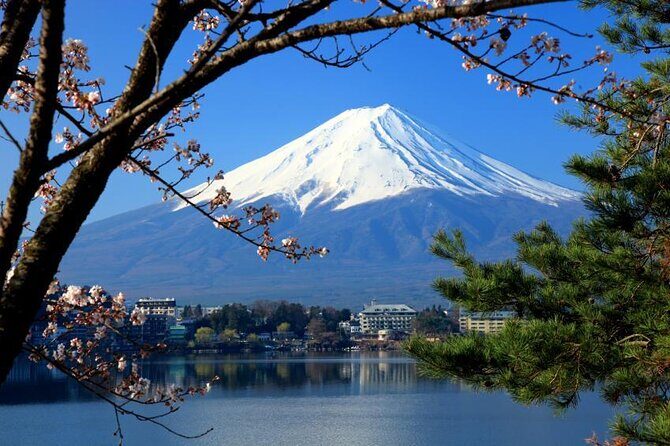
- Mt. Fuji’s 5th Station is seasonal and may be limited by snow or weather.
- Oshino Hakkai delivers that postcard “spring water + thatched roof” contrast.
- Lake Kawaguchiko has a choice: ropeway, art museum, or sake brewery.
- A good English-speaking guide can shift the day from sight-seeing to understanding.
Why this Fuji day feels different: private pickup + real context
A Mt. Fuji day trip sounds simple until you’re the one hauling bags, decoding signs, and watching the clock. This experience cuts that stress at the start: you leave your Tokyo hotel in a private, air-conditioned vehicle with pickup and drop-off handled for you.
That matters because the “Fuji day” is really two days mixed into one. First you travel, then you stand in cold air at high altitude trying to catch a view. When the transport part is sorted, you can focus on the moments that actually make the trip worth it.
You also get more than a scenic drive. The guide’s job isn’t just translation. You get explanations tied to what you’re seeing—shrine traditions at the mountain’s base, geology and history around Fuji, and local meaning behind the spots you stop at.
And yes, lunch is included. Not everyone thinks about meals until their 3 p.m. meltdown. Here, you have a solid chance of staying pleasant.
You can also read our reviews of more private tours in Tokyo

The morning rhythm: Arakura Fuji Sengen Shrine and smart photo stops
Your tour starts at 7:00 am, which is early enough to dodge late-morning crowds and late-afternoon fatigue. That timing helps, because Fuji visibility often plays games with the weather—morning is when you give it the best shot.
First stop is Arakura Fuji Sengen Shrine, known for that iconic view of Mt. Fuji framed by the shrine’s pagoda. Even if you’ve seen that picture a thousand times, it hits differently in person because you’re standing close to the viewpoint composition. You get a sense of why this spot became a pilgrimage starting point for so many people.
Practical detail: this stop includes admission, and your time there is about an hour. That’s enough time to walk up, catch photos, and still stay un-rushed.
Dress note: shrines and temples require covered knees and shoulders. It’s an easy rule, but it’s also the fastest way to ruin a smooth start if you forget. I’d pack a light layer even in warmer months, since shrine entrances don’t care about your vacation plans.
Mt. Fuji 5th Station: the altitude wow (and the seasonal reality)
Then comes the part most people come for: the climb to Mt. Fuji 5th Station. It sits around 2,300 meters (about 7,546 feet), and it’s one of the most popular starting points for climbers.
But here’s the key truth: access changes by season and weather. From May to October, you may be able to visit the 5th Station if conditions permit. During winter, it can be closed—specifically mid-December to late April—when snow shuts things down and the route shifts to alternatives such as the Fuji Panorama Ropeway.
On the day, the plan is built for flexibility. If the 5th Station isn’t reachable, you’ll ascend to the highest point allowed. That’s important. It’s the difference between a wasted trip and a “we still went for it” trip.
Also, get ready for the feel of altitude. Even without exact temperature numbers, you should assume it’s colder and windier at height than in Tokyo. The tour info explicitly suggests checking the weather the night before and bringing an extra jacket. I’m with that. Fuji doesn’t negotiate.
One more detail that’s worth knowing: some days include meaningful shrine interaction. At Sengen Shrine, you might be invited into a ceremony-type moment involving a priest and a blessing. That can be moving, especially for families. Just keep expectations flexible—think participation in a short ritual, not a long private chat.
Oshino Hakkai: spring water ponds and thatched-roof contrast
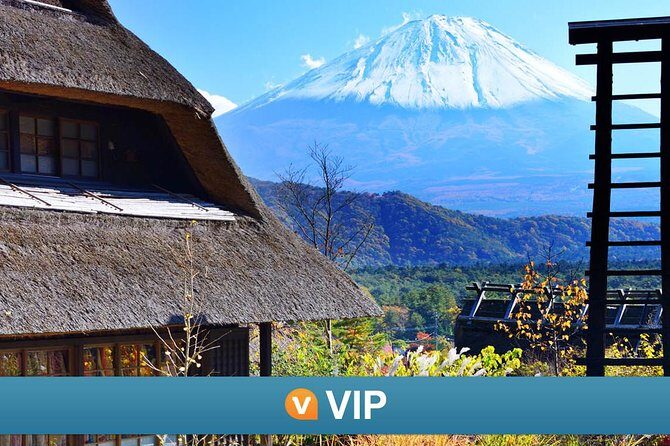
After high-altitude viewpoint time, you drop down to something calmer: Oshino Hakkai. This is the spring-water pond area tied to Fuji’s hydrology, with buildings in traditional thatched-roof farm style.
The contrast is the point. Mt. Fuji gives you scale and drama. Oshino Hakkai gives you texture: gentle water, quiet paths, and that “how did this survive modernization” feeling. If you like travel days that balance big views with human-scale details, this stop is a nice reset.
Your time here is about 30 minutes, and admission is free. That means it’s quick, but not rushed in a harsh way—just enough to walk the ponds area, look at the traditional buildings, and get photos that don’t look like a single viewpoint repeating itself.
If clouds have rolled in and you didn’t get much from the mountain, Oshino can still salvage the day visually. Water and traditional architecture hold up better than mountain silhouettes when visibility is low.
Lake Kawaguchiko: choose your style with ropeway, art, or sake
Next you head to Lake Kawaguchiko, one of the best places to see Fuji from below—when the mountain cooperates. This portion includes about an hour, and here’s the fun part: you choose one inclusion ahead of time.
Your options are:
- Fuji Panoramic Ropeway
- Ichibu Kubota Art Museum
- Ide Sake Brewery
If your goal is straight-up views, the ropeway is the most natural match. It’s also the sort of alternative that can keep the day feeling full when 5th Station access is limited.
If you’d rather slow down and do something more indoor/cultural, the art museum offers a different way to frame the Fuji region—less “peak chasing,” more “local perspective.”
And if you want a bite of regional flavor without needing to read menus, the sake brewery option makes the day feel more grounded. Even if you don’t drink heavily, it’s still a chance to learn how local products connect to place.
One note: when you’re traveling with a private guide, this choice is a real advantage. You can tune the day to your group’s pace instead of forcing everyone through the same checklist.





Lunch at a local restaurant: why it’s a bigger deal than it sounds
Lunch is included, and you’ll eat at a local restaurant. That sounds routine until you consider the alternatives on a Fuji day trip.
Public-transport options often turn lunch into a scramble. You’re stuck near a station, places are busy, and you end up choosing whatever’s closest rather than what fits the schedule. Here, lunch is part of the flow, not an afterthought.
It also means your guide can steer you toward food that works for the route—stuff that won’t upset your stomach before a viewpoint stop. You may not remember the exact dish a year from now, but you’ll remember how smoothly the day ran.
Comfort, walking, and clothing: small prep that prevents big headaches
This tour includes a moderate amount of walking, so comfortable walking shoes really matter. The stops are scenic, but they aren’t flat strolls the whole time—especially around shrine areas and viewpoints.
Plan for layered weather. Even if Tokyo is warm, Fuji region conditions can change quickly. The tour suggests checking the weather the night before and bringing an extra jacket.
Also, remember the shrine dress rule: knees and shoulders must be covered. If you’re traveling in shorts or a sleeveless outfit, you’ll want a light wrap or layer. It’s an easy fix, and it keeps you from having to decide whether to cover up on the spot.
Price and value: what you’re really paying for at $846.98 per person
The price is $846.98 per person, and at first glance it can feel steep compared to the budget way of going to Fuji. But this isn’t only transportation. You’re buying:
- Private pickup and drop-off in a vehicle
- An English-speaking guide
- Lunch included
- Timed stops that reduce wasted time
The economics get more logical when you remember the tour requires a minimum of 2 passengers per booking. With that minimum, the cost is often shared among the people you actually travel with. If you’re a couple, small family, or group of friends, that private convenience can become a bargain compared to DIY stress.
You also get flexibility. When 5th Station access is limited or closed—whether due to weather or the winter closure window—the day can adjust to the highest possible alternative. That adaptability is hard to replicate when you’re solo planning.
The most honest way I can frame value: if your goal is Fuji photos plus meaningful stops, and you hate logistics, this tour is worth considering. If your goal is purely cheapest transport and you’re happy to take the risk on weather while doing transfers, DIY can be cheaper—but it’s also more work.
Booking decision: who should book this tour
This is a great fit if you:
- Want a private, English-speaking guide and don’t want to manage transit
- Care about seeing multiple Fuji-region icons in one day
- Prefer lunch included so the day stays comfortable
- Have families or mixed ages who benefit from a slower, guided pacing
It’s less ideal if you:
- Love independent travel so much that you’d rather spend time planning than paying for convenience
- Are traveling with very limited walking tolerance, since there’s moderate walking on several stops
Also, keep your expectations tied to “attempting the best views,” not guaranteeing them. Weather controls Fuji’s mood. When conditions are worse, the tour’s flexibility helps you still get a satisfying day.
Should you book this Mt. Fuji and Kawaguchiko Private Tour?
I’d book it if you want the Fuji highlights without turning your trip into a logistics project. The combination of hotel pickup, a strong guide, shrine context, and a planned rhythm through Oshino Hakkai and Lake Kawaguchiko makes it feel like a real day, not a rushed checklist.
If you’re traveling in a season where 5th Station might be closed (roughly mid-December to late April), I’d still consider it—because the alternative plan via places like the ropeway can keep the day rewarding. Just dress for cold, plan for the mountain’s mood, and treat the day as a guided hunt for the best visibility.
FAQ
What time does the Mt. Fuji and Kawaguchiko private tour start?
The tour start time is 7:00 am.
How long is the tour?
It runs for about 10 hours.
Is hotel pickup and drop-off included?
Yes. Hotel pickup and drop-off are included.
Is lunch included in the price?
Yes. Lunch at a local restaurant is included.
Does the tour include an English-speaking guide?
Yes. The tour includes an English-speaking guide.
Can I visit Mt. Fuji 5th Station?
You may visit Mt. Fuji 5th Station depending on weather and season. It may be available from May to October if conditions permit.
What happens if the 5th Station is closed due to weather?
Access can be unavailable depending on conditions. The tour will ascend to the highest point allowed based on what’s open that day.
What are the options during the Lake Kawaguchiko part of the tour?
You can choose one: the Fuji Panoramic Ropeway, Ichibu Kubota Art Museum, or Ide Sake Brewery.
Are there dress requirements for shrines and temples?
Yes. You need moderate clothing, with knees and shoulders covered for entry.
Can I cancel for a full refund?
Yes. You can cancel up to 6 days in advance for a full refund (with the policy based on local time).