REVIEW · KYOTO
Kyoto Morning Highlights Tour: Fushimi, Kiyomizu-dera & Gion
Book on GetYourGuide →Operated by OTAKU hopper · Bookable on GetYourGuide
Kyoto mornings have a magic you only get early. This half-day tour strings together Kyoto’s biggest landmarks—Fushimi Inari and Kiyomizu-dera—before most day-trippers arrive, so you can actually take in the places instead of just dodging people. I like that it’s built around walking time and local context, not a rushed checklist.
Two things I especially liked: you get a real guide who explains how to behave at temples and shrines, and you finish with photo-ready moments (plus Kyoto sweets) that feel earned. The one drawback to plan around is the start time—this is a strict meeting window, and there’s a moderate amount of walking, so sleep-ins and slow walkers won’t love it.
In This Review
- Key things to know before you go
- Why a Kyoto morning walk beats the afternoon crowd surge
- Meeting at Kyoto Station: the easiest start, if you’re on time
- Fushimi Inari and thousands of torii gates, before the stampede
- Learning temple and shrine etiquette in a way that actually sticks
- Kiyomizu-dera: sweeping city views with time to breathe
- Kasuga Grand Shrine: a prestige Shinto stop that rounds out the morning
- Gion on foot: finishing with Kyoto’s historic streets
- Price and value: what $81 covers (and what it doesn’t)
- Pace, shoes, and common-sense prep for a comfortable morning
- Who should book this Kyoto Morning Highlights Tour
- Should you book it or skip it?
- FAQ
- How long is the tour?
- Where does the tour meet?
- Where does the tour end?
- Is Kiyomizu-dera entrance included in the price?
- Is public transportation included?
- Does the tour include photos?
- Is it suitable for wheelchair users or strollers?
- What happens if I arrive late?
Key things to know before you go
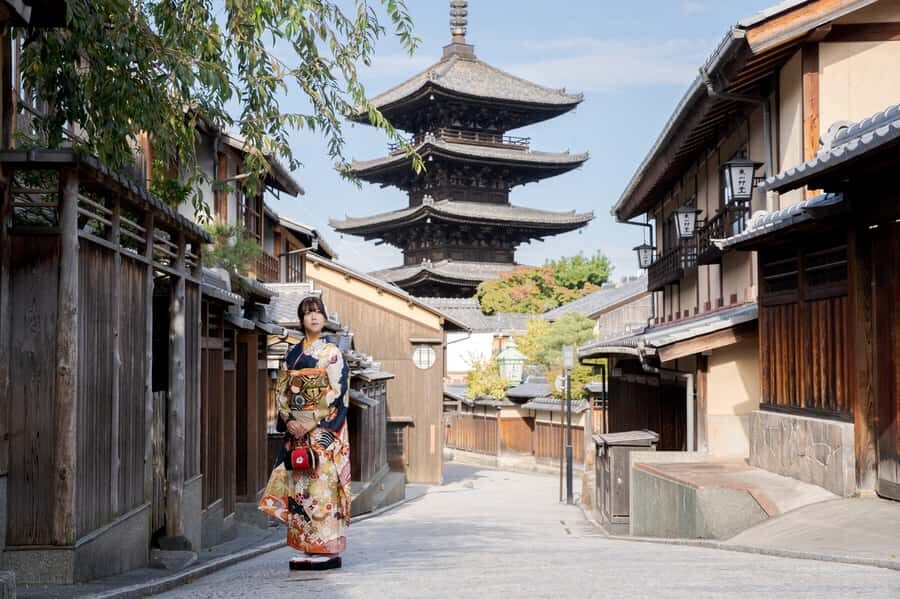
- Early start, fewer crowds: You’ll visit top sights in the quieter morning light.
- A walking-first route: Expect being on foot a lot, using public transportation along the way.
- Shrine and temple etiquette gets explained: You’ll learn what to do (and what to avoid) at Shinto and Buddhist sites.
- Kasuga Grand Shrine is part of the highlights: You’ll also see another major Shinto stop on the same morning.
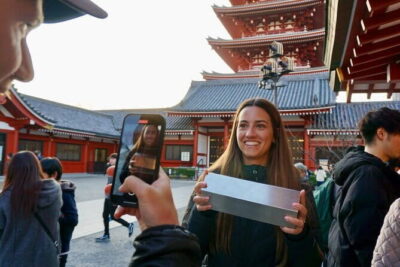
- Pro photos are included: Your guide takes stunning professional photos during the tour.
- You’ll pay some transit out of pocket: Public transport is not included, about 400 yen.
Why a Kyoto morning walk beats the afternoon crowd surge
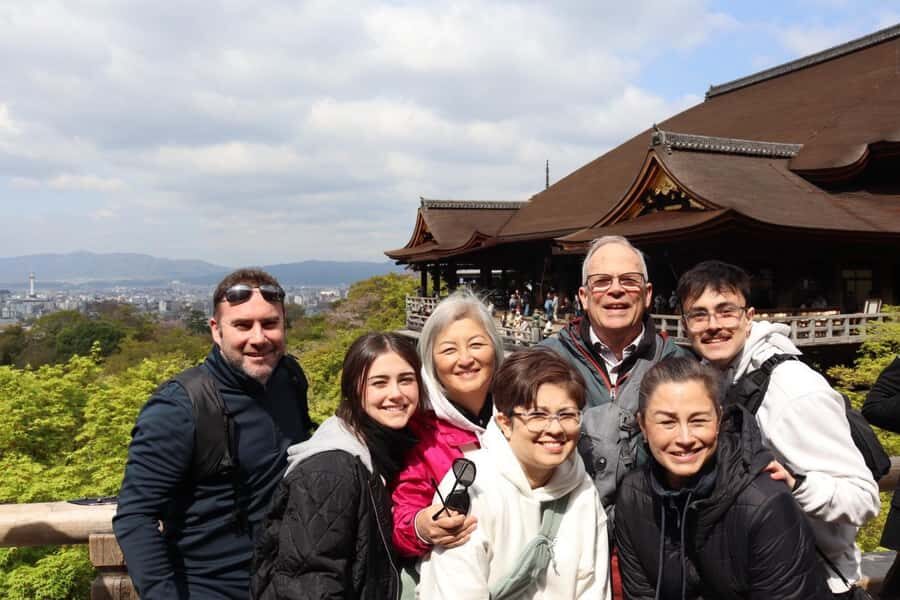
Kyoto’s famous sights are popular for a reason. Still, when you show up mid-morning, you often spend your trip in a human bottleneck. This tour flips the timing so you’re seeing iconic places when the light is softer and the crowds haven’t fully stacked up.
The second win is pacing. You’re not just hopping from point to point; you’re walking through areas long enough to notice details—signs of everyday ritual, the rhythm of shrine visits, and the way neighborhoods change from landmark streets to residential calm. In other words, it feels like Kyoto, not just a photo ops circuit.
If you like your sightseeing with breathing room (and you’re happy to be up early), you’re going to get a lot out of this.
A few more Kyoto tours and experiences worth a look

Meeting at Kyoto Station: the easiest start, if you’re on time
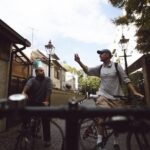
The tour begins at Kyoto Station’s central exit, with Kyoto Tower visible nearby. Your guide waits by a yellow map near the exit, next to a 7-Eleven, holding an OTAKU hopper sign.
This matters more than it sounds. The experience is designed around a tight schedule, and if you’re late for the meeting time, you won’t be able to join the tour and you won’t receive a refund. So build in a little cushion if you’re coming from another part of Kyoto or if trains are running weird that morning.
Also note: the tour is explicitly not set up for wheelchairs, and baby strollers and baby carriages aren’t allowed. If you’re traveling with anyone who needs extra support for walking distance, plan carefully.
Fushimi Inari and thousands of torii gates, before the stampede

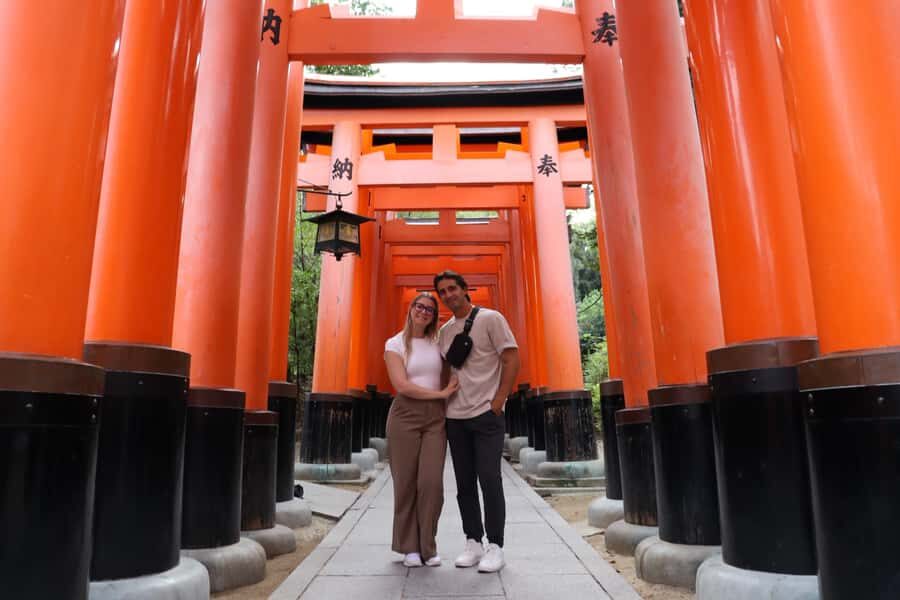
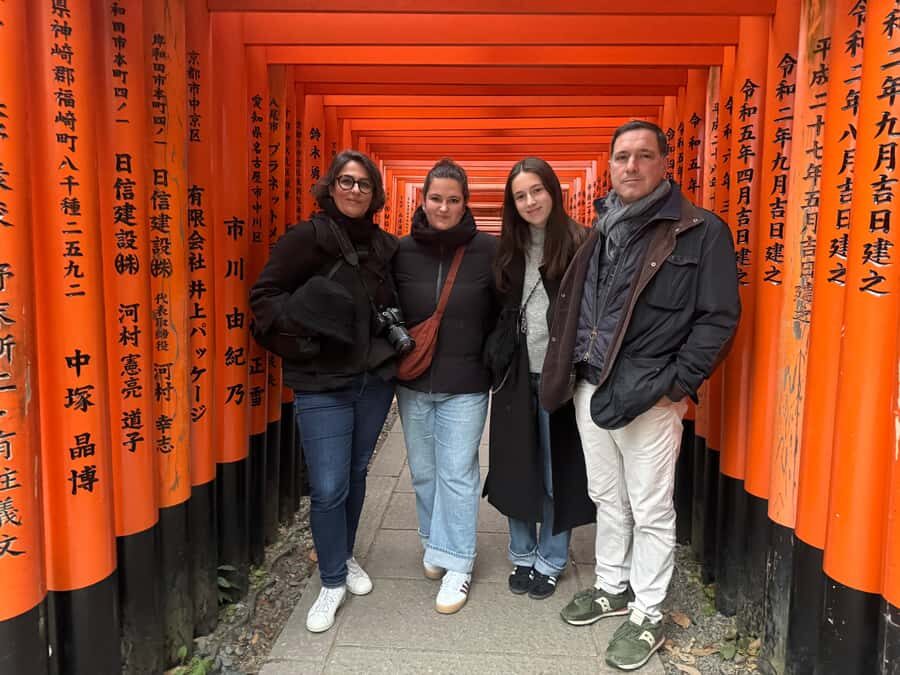
Fushimi Inari Shrine is the kind of place you think you know, until you’re there in the early hours. You’ll walk through the famous corridors of torii gates—on a route that’s best enjoyed when your attention isn’t fighting for space with everyone else’s cameras.
Going early changes the feel immediately. The gates and pathways don’t just look scenic; they look purposeful—like a shrine system that people use every day, not a theme park exhibit. And because you’re walking, you can enjoy the slow reveal: the views opening up, the path curving, and the shrine atmosphere shifting as you move.
What makes this stop especially good is the interpretation. You won’t just get facts from a distance; you get stories and guidance that help you understand what you’re seeing and how people approach the shrine.
Learning temple and shrine etiquette in a way that actually sticks
Kyoto can be intimidating if you’re not sure what’s expected. This is where the guide really earns their keep.
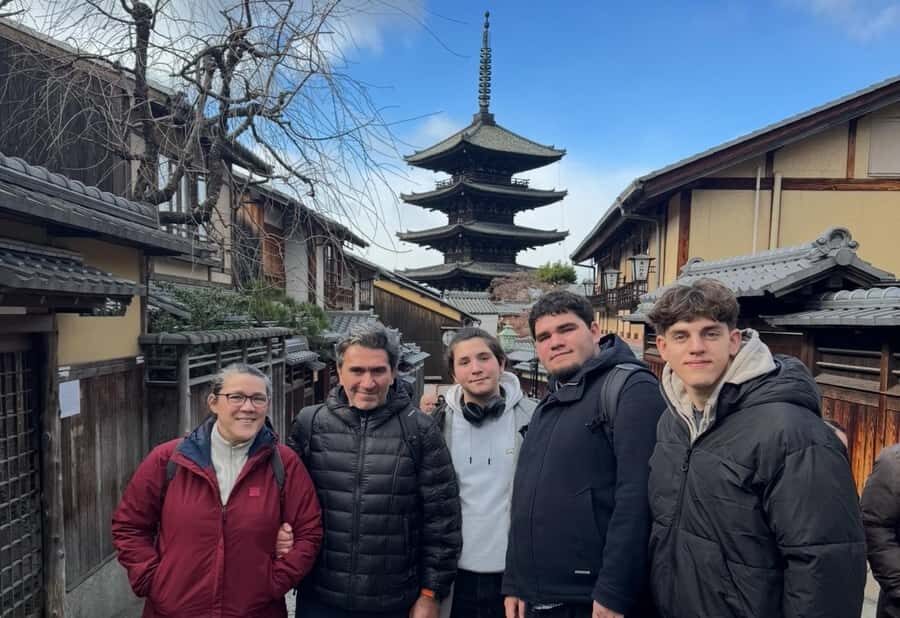
On this tour, you’ll learn how to act properly at temples, plus the basics of how to pray at Shinto shrines. That includes the practical do’s and don’ts that help you feel confident—things like where to stand, how to move, and how to avoid accidentally turning someone else’s ritual into your own weird tourist moment.
The guide on this tour is Ikki, and the recurring theme is that his English is clear and natural, with a friendly style that keeps the pace lively. He explains the purpose of places, the tradition behind the sights, and the little details you’d likely miss on your own. Even better, he’ll answer questions as you walk, so you don’t end up with a single giant lecture in one spot.
If you’ve ever felt like you were staring at buildings instead of understanding them, this is exactly the kind of tour that fixes that.
Kiyomizu-dera: sweeping city views with time to breathe
Kiyomizu-dera is one of those locations where the setting does half the work. You’ll have time to take in sweeping views from the temple area, and because you’re starting early, you’re more likely to enjoy the viewpoint without constant jostling.
This stop includes the temple entrance fee (500 yen). That’s a nice value detail because it means you’re not scrambling for tickets mid-tour, and it also signals the tour is built to cover the meaningful parts of the experience, not just the exterior.
The other reason this works in a morning format is your attention. In the first half of the day, you’re usually fresh enough to notice how the temple setting connects to the surrounding city—so when you look out over Kyoto, it feels like you’re getting a perspective, not just collecting one more skyline shot.
Wear shoes that can handle uneven stone and long walking stretches. Your feet will do most of the work here.

Kasuga Grand Shrine: a prestige Shinto stop that rounds out the morning
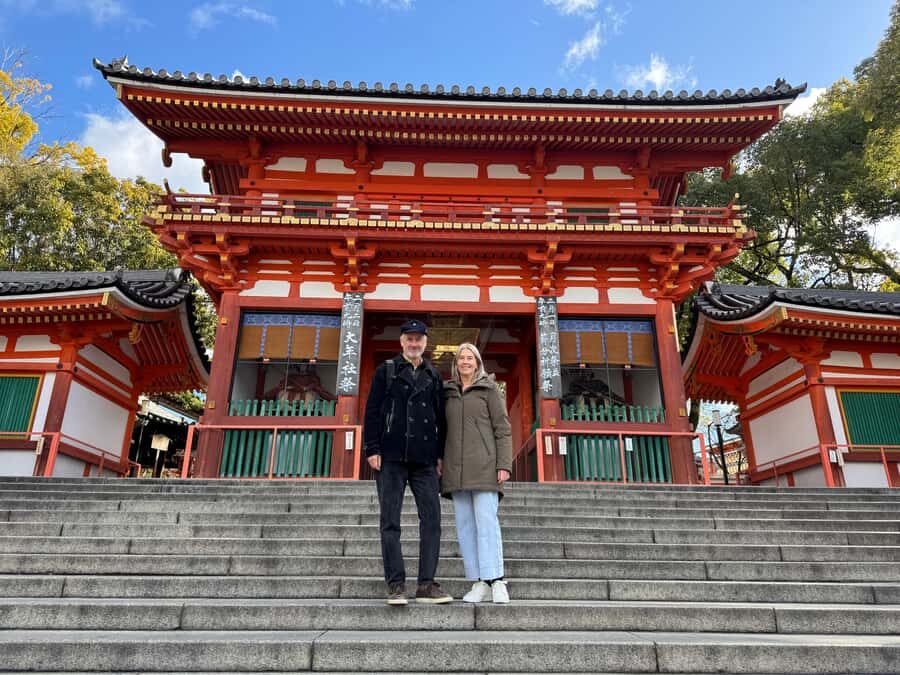
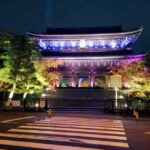
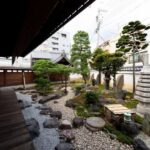
Beyond the headline attractions, you also get the beauty of Kasuga Grand Shrine, described as a prestigious Shinto site. This helps break up the day so you’re not just repeating the same type of sight back-to-back.
What I like about including a second major shrine stop is that it gives context. You get a stronger sense of how different sacred spaces can share themes while still feeling distinct. And with the guide coaching etiquette, you’re less likely to wander through on autopilot.
Even if you’re not a hardcore religion-history nerd, the tour’s value here is practical: you learn how to participate respectfully and how to recognize what matters to people who come for reasons beyond sightseeing.
Gion on foot: finishing with Kyoto’s historic streets
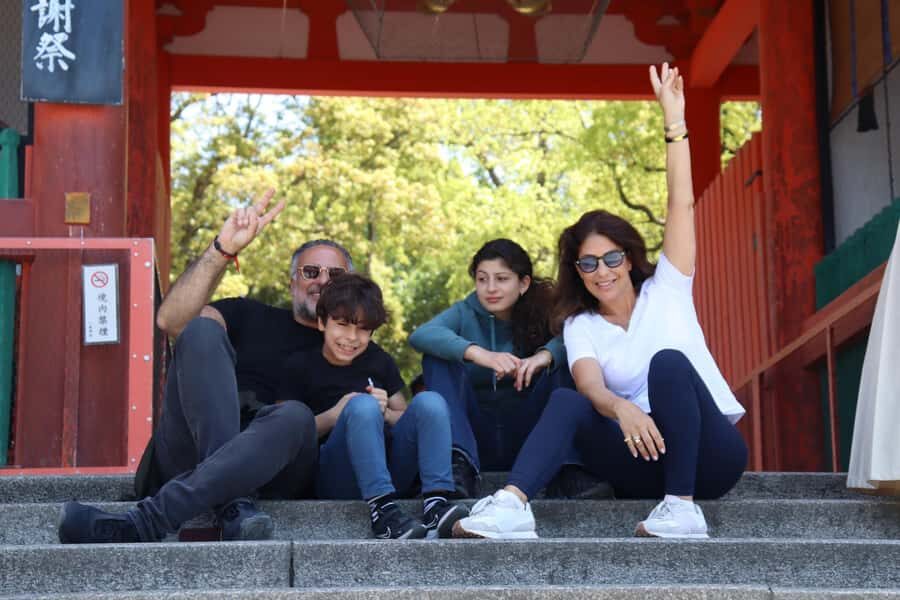
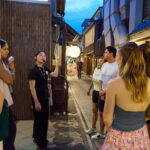
After Fushimi Inari and the temple viewpoints, you end the tour with a walk through Gion, Kyoto’s most historic and enchanting district. This is a smart ending. The energy shifts from shrine pathways and temple platforms to neighborhood streets with their own slower rhythm.
Gion works well in the morning because the area feels more human-scale before it gets fully packed. You can actually enjoy the walk—shops, narrow lanes, the sense of place—without feeling like you’re sprinting between photo spots.
If you’ve spent the first part of the morning learning how to observe shrines, Gion is a chance to observe a district. It’s a different kind of appreciation, more about atmosphere and everyday charm than ceremony.
And since this is a walking-and-public-transport style tour, you’ll feel like you moved through Kyoto, not like Kyoto moved you.
Price and value: what $81 covers (and what it doesn’t)
At $81 per person, this tour is priced for what you’re getting: a guided morning that covers major sights, includes entrance to Kiyomizu-dera (500 yen), and adds thoughtful extras like Kyoto traditional sweets and professional photos.
The included items are the kind that raise real value:
- A passionate English-speaking local guide (Ikki)
- Kiyomizu-dera entrance fee (500 yen)
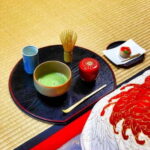
- A sample of traditional sweets
- Professional photos taken during the tour
- Free Wi-Fi
What’s not included:
- Public transportation fare, about 400 yen
- Meals and drinks
- Personal expenses
When I think about value, I look at time and uncertainty. A morning tour like this removes guesswork about where to go and how to behave at sacred sites. Then the photos remove a common headache: trying to juggle your camera while staying respectful and not blocking others.
The only caveat is that you still need to budget for transit and your morning snack/meal. Plan on eating after the tour, not during.
Pace, shoes, and common-sense prep for a comfortable morning
This tour is designed as a walking experience, using public transportation and plenty of time on foot. The walking is described as moderate, but moderate still means you should plan like it’s real walking—especially across temple approaches and shrine corridors.
Bring comfortable walking shoes you can rely on. If your feet start to get angry halfway through the morning, the tour won’t feel as magical, even if the sights are.
Also keep in mind the restrictions: no wheelchairs, and no baby strollers or baby carriages. If you’re traveling with mobility limitations, you’ll likely want a different format that avoids long stretches on foot.
One more practical tip: start your day with the mindset that you’re showing up early on purpose. The early hour is the whole point. When you stop fighting the morning, the tour becomes a lot more enjoyable.
Who should book this Kyoto Morning Highlights Tour
You’ll probably love this tour if:
- You want Kyoto’s top sights in a short window (half a day)
- You prefer fewer crowds and quieter atmosphere
- You care about doing shrine and temple etiquette correctly
- You want photos without having to manage everything yourself
- You enjoy guided explanations that connect stories to what you’re seeing
It may not be the best fit if:
- You need wheelchair accessibility
- You’re traveling with a baby stroller or carriage
- You’re likely to be late to a strict meeting point
- You don’t enjoy walking for a meaningful stretch
Should you book it or skip it?
Book it if you want an efficient morning that covers Kyoto’s most iconic experiences with a guide who helps you understand what you’re looking at. The combination of early timing, etiquette coaching, and professional photos is a strong package for the price.
Skip it if your biggest goal is to wander slowly on your own and you don’t want to follow a schedule, or if walking distance is a hard limit for you.
If you’re the type who likes getting to the good stuff before it gets crowded and you’re curious about how Japanese shrines and temples work, this tour is a smart bet.
FAQ
How long is the tour?
It’s a half-day morning tour designed to see Kyoto’s top highlights before crowds arrive.
Where does the tour meet?
The tour starts at the central exit of Kyoto Station, near a yellow map by the exit and next to a 7-Eleven, with an OTAKU hopper sign. Detailed meeting details are shared after booking.
Where does the tour end?
It ends back at the meeting point at Kyoto Station.
Is Kiyomizu-dera entrance included in the price?
Yes. Kiyomizu-dera Temple entrance is included, listed as 500 yen.
Is public transportation included?
No. Public transportation fare is not included and is about 400 yen.
Does the tour include photos?
Yes. Stunning professional photos are taken during the tour.
Is it suitable for wheelchair users or strollers?
No. It’s not suitable for wheelchair users, and baby strollers and baby carriages are not allowed.
What happens if I arrive late?
If you are late for the meeting time, you will not be able to join the tour and you will not receive a refund.