REVIEW · TOKYO
Shuffle Dance in Tokyo with a TikTok Star – Intermediate Level
Book on Viator →Operated by Shuffle Dance in Tokyo with a TikTok Star · Bookable on Viator
Shuffle dance in Tokyo is oddly freeing. You’re learning choreography from a real local pro while TikTok-style filming turns practice into something you can actually take home. I love that you get a 4K video keepsake and that the class includes a real chance to connect with local dancers before and after.
Two practical details make this work even for non-dancers: the lesson is tightly timed (warm-up, choreography, filming) and the teaching is described as clear and patient. One thing to consider is that it’s labeled intermediate and some prior dance experience is recommended, so you may feel the steps more if you’re brand-new and want to move at your own pace.
In This Review
- Key reasons this class is worth your time
- Why Shinjuku’s TikTok Shuffle Class is a smart Tokyo evening
- Intermediate level, but not intimidating: what you should expect
- Room 501, Studio Worcle Shinjuku: logistics that won’t eat your time
- The 10-40-10 lesson flow: how the class is actually structured
- 4K video keepsake: the part people remember later
- Meeting Tomo: how the teaching approach shapes the experience
- Cultural exchange in the lobby: the social part of dancing in Tokyo
- Price and value: what $35.83 gets you in plain terms
- What to bring (and what to skip) so you don’t feel rushed
- Timing and the easiest way to fit it into your trip
- Who should book this shuffle class in Tokyo
- FAQ
- What day is the shuffle dance class in Tokyo?
- What time does the class start?
- How long is the experience?
- Where do I meet the instructor?
- What should I bring?
- Is this class beginner-friendly?
- Does the price include the 4K video?
- Should you book this shuffle dance class?
Key reasons this class is worth your time
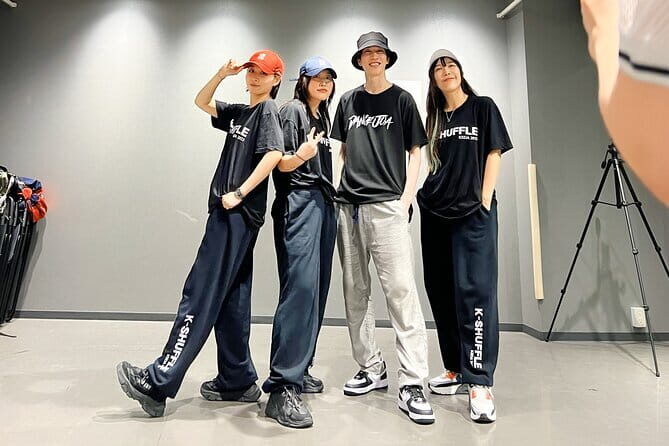
- 4K filming in the final 10 minutes so your practice turns into a shareable memory
- Small group size (max 10), which helps you stay focused and get corrections
- A teacher named Tomo with a calm, thorough style
- Shinjuku location near the west exit, easy to pair with an evening plan
- Warm-up + rhythm training, not just jumping straight into choreography
- You can request a favorite song, which makes the session feel more personal
Why Shinjuku’s TikTok Shuffle Class is a smart Tokyo evening
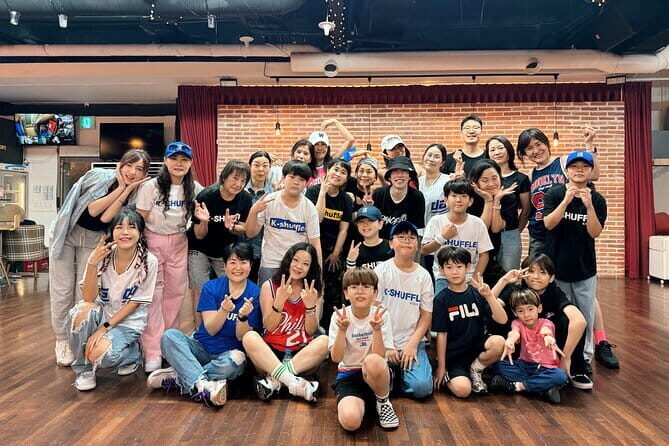
Tokyo has no shortage of busy, scripted activities. This one feels different because it’s centered on something you do, not just something you look at. You show up, learn steps, and then get filmed doing them. That mix is exactly why I think this is such a good use of one evening.
The setting also helps. You meet in Shinjuku, one of Tokyo’s most convenient hubs for transit, food, and late-night wandering. If your day is already full, a one-hour class keeps the schedule realistic.
You can also read our reviews of more tours and experiences in Tokyo.



Intermediate level, but not intimidating: what you should expect
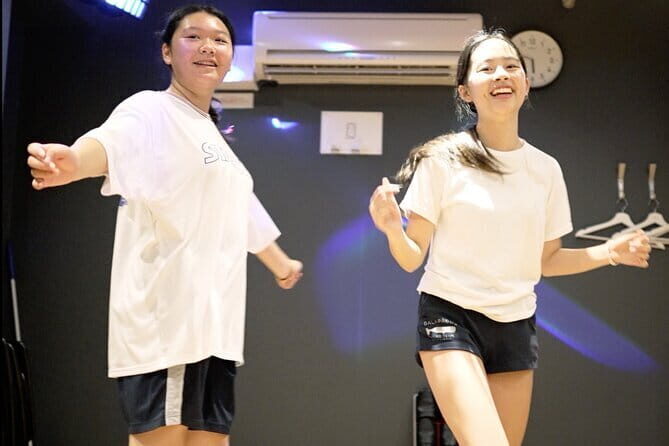
This is an intermediate shuffle dance session. The choreography is built from basics to intermediate moves, and the rhythm work matters. If you have even a little dance background, you’ll likely pick things up faster.
That said, the experience is also framed as fun even if you’ve never shuffle danced before. The key is pacing: you get a warm-up first, then 40 minutes of guided choreography, then a final stretch where you film the results. If you’re coming in nervous, you can treat it like a structured practice session rather than a performance test.
From the teaching style described, Tomo’s approach seems to focus on making instructions understandable and keeping the vibe relaxed. People also talk about learning new steps after trying a beginner class first, so there’s enough progression here to justify going even if you’ve already done shuffle in the past.
Room 501, Studio Worcle Shinjuku: logistics that won’t eat your time
Your meeting point is Studio Worcle Shinjuku, Room 501. It’s about a 7-minute walk from Shinjuku Station west exit. The address given is Nishishinjuku, 7-chōme, 16-7 (the building is listed as Dai 21 Fujibiru), so it’s worth pinning the location on your map before you leave.
A small but important detail: you prepare in the changing rooms before the class begins. That means you should dress so you’re comfortable moving—shuffle needs mobility in your legs and feet—and you’ll want to switch into indoor shoes.
Also, the start time and location can shift a bit based on studio availability. This is normal in studios with multiple classes, and the info says to check your messages for updates.
The 10-40-10 lesson flow: how the class is actually structured
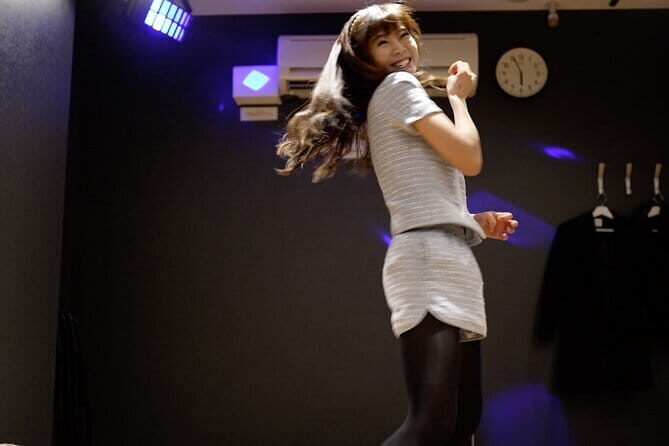
The session runs about one hour, with a clear sequence.
First comes a 10-minute warm-up. It includes stretching and rhythm training, which is more useful than it sounds. Shuffle dance is timing-heavy. Warming up your body and syncing to the beat helps you avoid the classic beginner problem: moving your feet correctly but losing the rhythm.
Next is the 40 minutes of choreography practice. This is where you go from basics into intermediate steps. For most people, this is the part where the teacher’s method matters most—clear breakdowns, repeatable steps, and corrections that keep you from getting lost.
Then the last 10 minutes are for 4K filming. The goal isn’t to make you nervous; it’s to capture what you learned. If you’re the type who likes having something tangible at the end of a class, this format delivers.
4K video keepsake: the part people remember later
A lot of dance classes are fun in the moment and then vanish. Here, the session ends with something you can keep. The included 4K videos are filmed during that final segment, and you receive your video afterward.
For value, that matters. You’re not just paying for an hour of instruction. You’re paying for studio time, filming, and an actual output. It also gives you something to practice afterward when you’re back in your room.
The practical side is this: during filming you’ll likely pay closer attention to your timing and placement. That can feel a little different from casual practice, but it’s also the fastest way to improve.
One more thing: you should come prepared to be on camera. Wear clothes you feel good moving in, and bring indoor shoes that let you pivot safely. If you’re unsure, comfortable basics are the safest bet.






Meeting Tomo: how the teaching approach shapes the experience
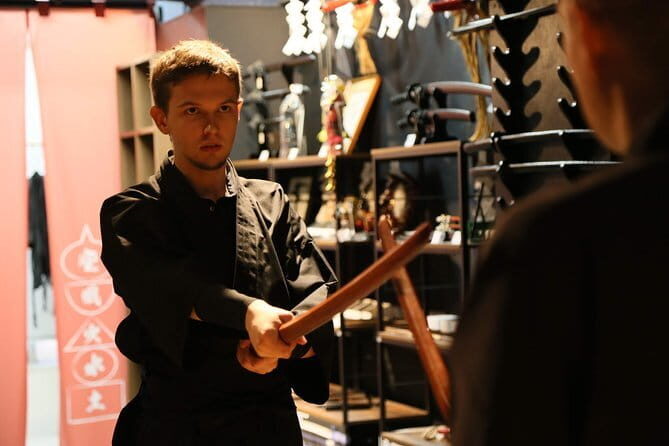
The teacher you’ll practice with is listed as a professional shuffle dancer, and the name that comes up clearly in the experience details is Tomo (sometimes written as Tomo-sensei in the context of his public videos).
What stands out in the teaching approach is the emphasis on clarity and patience. People describe instructions as easy to understand, even when the steps felt like a challenge. That’s exactly what you want in an intermediate class: enough structure to progress, but not so much pressure that you freeze.
There’s also mention that you can request a favorite song, which is a big deal for motivation. Shuffle dance is rhythm and attitude. If you dance to something you already like, the whole class feels more personal and less like homework.
Cultural exchange in the lobby: the social part of dancing in Tokyo
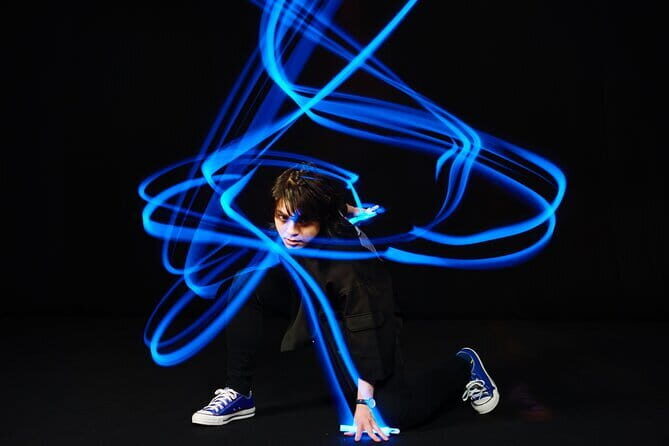
The session isn’t only about the steps. After filming, you spend time in the lobby and you get video distribution plus cultural exchange. The idea is that you connect with Japanese students who’ve been attending for over a year, which changes the vibe from random tourism to shared practice.
This is also where Tokyo’s dance culture feels real. You’re not only learning from a TikTok presence. You’re meeting people who actually show up, keep training, and care about the craft.
If you’re traveling solo, this kind of exchange can be a lifesaver. It gives you something to talk about that isn’t your hotel location or jet lag. Even if your Japanese is basic, dance is a universal language—plus you can point to the moves you just learned.
Price and value: what $35.83 gets you in plain terms
The cost is $35.83 per person. The class lasts about one hour, and it includes studio rental plus 4K videos and all fees and taxes. Bottled water is not included, but vending machines and a 7-Eleven are a short walk away.
So where’s the value? In Tokyo, you can pay for instruction. Here, you’re also paying for the recording and the studio setup that makes the final result real. If you like the idea of ending your trip with a polished video instead of just a vague memory, that’s a strong deal.
If you’re only looking for a casual workout and you don’t care about filming, you might feel the cost more. But the filming is part of the concept, and it’s built into the timing.
Also note the max group size of 10 travelers. In a small class, you get more attention and you’re less likely to blend into the background.
What to bring (and what to skip) so you don’t feel rushed
Here’s the practical checklist based on what’s specified.
Bring:
- Comfortable clothes for leg movement
- Indoor shoes (shuffle needs traction and safe footwork)
- A drink, since bottled water is not included
Skip surprises:
- Don’t count on water being provided. You’ll find vending machines right in front of the studio and a 7-Eleven about a minute away.
Also, consider bringing a small towel or extra socks if you tend to get warm with cardio-style movement. The class includes warm-up and choreography, so you’re using your body.
If you wear shoes that squeak or are slippery, you’ll feel it during practice and filming. Indoor shoes designed for studio use make the session smoother.
Timing and the easiest way to fit it into your trip
The class is held every Wednesday, and the listed start time is 8:00 pm. That timing is good if you want an evening activity that doesn’t take over your whole day.
Since you meet near Shinjuku Station, you can plan your day around the class and then keep walking afterward. Just remember the studio might update the exact details by message, so check your phone the day of.
The mobile ticket format is also convenient. It keeps you from hunting through paper bookings at the worst possible moment.
Who should book this shuffle class in Tokyo
Book it if:
- You want an activity that ends with a tangible keepsake
- You like TikTok culture but prefer to learn the skill behind the videos
- You’re curious about Tokyo’s youth dance scene
- You have at least some rhythm and you’re open to working a bit harder for improvement
You might skip it if:
- You’re expecting a purely beginner class with no intermediate choreography
- You dislike being filmed, even briefly
- You want a longer, slower lesson. This is about one hour total
The best fit is someone who wants to try a new skill in a structured setting and then leave with something you can practice at home.
FAQ
What day is the shuffle dance class in Tokyo?
The class is held every Wednesday.
What time does the class start?
The listed start time is 8:00 pm.
How long is the experience?
It lasts about 1 hour.
Where do I meet the instructor?
You meet at Room 501, Studio Worcle Shinjuku, near Shinjuku Station’s west exit.
What should I bring?
Wear comfortable clothes and bring indoor shoes. Bottled water is not included, so bring a drink.
Is this class beginner-friendly?
It’s labeled intermediate and previous dance experience is recommended, but it’s also described as fun even if you’ve never shuffle danced before.
Does the price include the 4K video?
Yes. The price includes 4K videos, plus studio rental fee and all fees and taxes.
Should you book this shuffle dance class?
If you want one Tokyo night that feels active, modern, and personally rewarding, I’d book it. The biggest reason is the combination of intermediate instruction with a real 4K video keepsake and a small group setup that supports learning.
Go for it if you’re even mildly curious about shuffle dance or TikTok performance culture. Bring indoor shoes, show up ready to move, and treat the filming as the point where your practice turns into something you can actually use afterward.