REVIEW · TOKYO
Private and Customisable Tokyo Tour with English Driver-guide
Book on Viator →Operated by Sakura Tokyo · Bookable on Viator
A private Tokyo day sounds simple, until you try threading trains, stairs, and timing. This one is built around a private car with onboard Wi‑Fi, so you can move fast and stay connected while you check off major sights. I love the small-group feel and the way the plan can flex with what you actually want to see. One thing to consider: admission tickets for some attractions aren’t included, so budget a bit extra.
You’ll spend about 9 hours with an English driver-guide, which is the sweet spot for hitting multiple neighborhoods without turning your day into nonstop metro transfers. I also like that you get bottled water and an air-conditioned vehicle, because Tokyo weather can be relentless. The main trade-off is that even with a car, you’ll still do short walks around temples, streets, and viewpoints.
If you want a day that feels organized but not robotic, this tour fits well. It’s ideal for families, couples, and small groups who’d rather pay for ease than battle crowds. Just keep your expectations realistic: it’s a classic highlight route, with flexibility to swap a few moments to match your interests.
In This Review
- Key highlights worth planning around
- A private car day that beats the Tokyo transit maze
- What $270 buys for a small group up to 3
- Skytree: the 634-meter viewpoint stop
- Asakusa’s Senso-ji and Nakamise street energy
- Ueno Park: your nature break without leaving the highlights
- Imperial Palace area and Ginza: the elegant Tokyo contrast
- Odaiba and Tokyo Station: modern views plus rail-architecture wow
- Tsukiji fish market to Shibuya Crossing: food alleys into neon chaos
- Harajuku Takeshita Street and Meiji Jingu: youth streets, then forest calm
- Tokyo Tower at 333 meters: a classic skyline finale
- Customization that actually helps (not just a nice promise)
- Is this the right fit for you?
- FAQ
- What’s included in the tour price?
- Is this tour private and customizable?
- Are admission fees included for Tokyo Skytree and Tokyo Tower?
- What are the key stops during the day?
- Is pickup available, and is there an extra charge for airports or Yokohama?
- What happens if the weather isn’t good or the minimum number of travelers isn’t met?
Key highlights worth planning around
- Private car + English driver-guide means less time in lines and more time seeing Tokyo
- Onboard Wi‑Fi and bottled water help you stay sane while moving between districts
- Flexible route lets you adjust the order or skip stops that aren’t your thing
- Big-name Tokyo sights in one day: Skytree, Asakusa, Imperial Palace area, Shibuya, Harajuku, and more
- Some admissions are extra (notably Tokyo Skytree and Tokyo Tower), so plan your budget
- Up to 3 people per group keeps the day personal instead of crowded
A private car day that beats the Tokyo transit maze
Tokyo is amazing, but moving around can feel like a game where the rules change every station transfer. This tour solves the part that usually drains your energy: you get private transportation so you can skip the crowded local trains and buses. You’re still walking and exploring at stops, but the heavy lifting of getting there is handled.
What I like most is the rhythm. Instead of rushing from platform to platform, you can keep a calmer pace and let your guide handle timing between neighborhoods. And because it’s an English driver-guide (not just a driver who drops you off), you get context in the moments that matter.
There’s also a practical bonus: Wi‑Fi on board. When you’re checking transit alternatives, searching a sign you noticed, or translating quickly, it makes the day feel less stressful. It’s the difference between “we’ll figure it out” and actually figuring it out.
You can also read our reviews of more guided tours in Tokyo

What $270 buys for a small group up to 3
This is $270 per group for up to 3 people, for about 9 hours. That pricing is often where the value becomes clear: you’re not paying per person for a tight, impersonal tour. In practice, it can work out well if you’re traveling as a couple plus one extra person, or a family of three.
Your money goes toward:
- Air-conditioned private vehicle
- Parking/fuel/toll fees
- Bottled water
- Onboard Wi‑Fi
- A flexible, custom route guided by an English driver-guide
The one “gotcha” is simple: admission fees are not included. Sights like Tokyo Skytree and Tokyo Tower specifically note admission not included. Other stops are free (Temple, parks, and several areas), which helps balance the budget. Just remember: you’re paying for transportation and guidance more than attraction entry.
Also note a small nuance: a dedicated walking guide isn’t included. The driver-guide provides intro info and insights while you’re in the vehicle and at your stops, but it’s not the same as a full-time walking escort everywhere.
Skytree: the 634-meter viewpoint stop
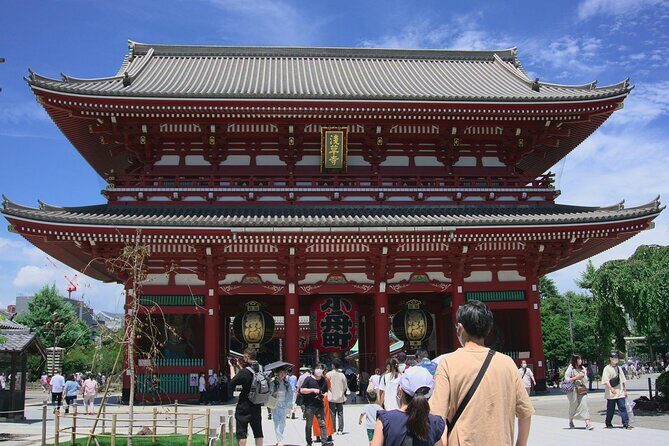
Tokyo Skytree is one of those places where you immediately understand the scale of the city. At 634 meters, it’s a major landmark and it’s built for panorama lovers. Your time here is about 1 hour, and the observation experience is where you’ll spend it.
Expect two big things:
- You’ll want time to look around, not just snap photos and run.
- Observation options vary, so decide ahead of time whether you want the top view experience or a lighter visit.
Admission isn’t included, so treat Skytree as a “pay once for the view” moment. If you love skyline viewpoints, it’s worth planning for. If you’re more into street-level Tokyo, you might still enjoy it, but you could decide to shorten this stop and use time elsewhere—this is where flexibility helps.
Asakusa’s Senso-ji and Nakamise street energy
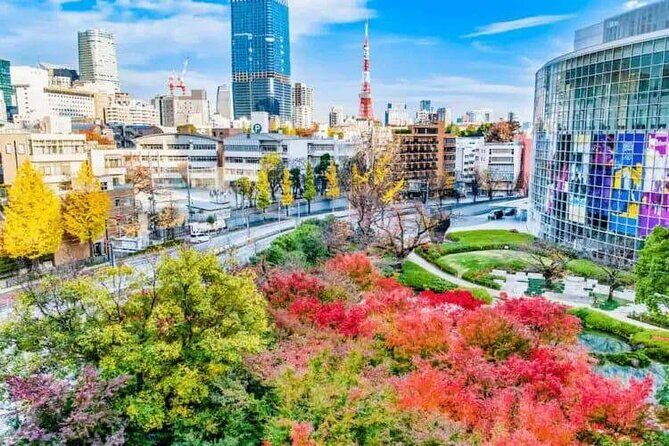
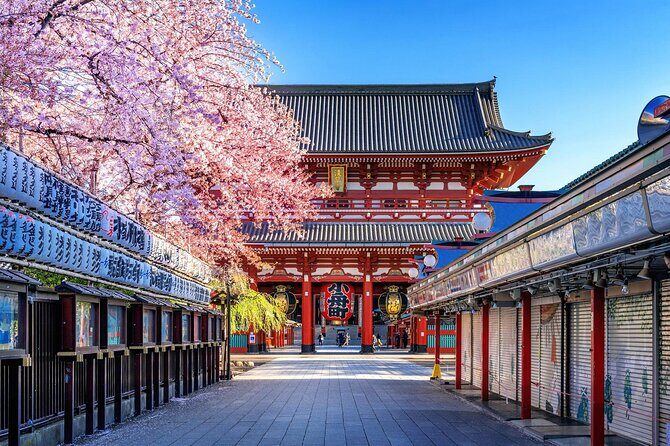
Senso-ji Temple in Asakusa is a classic for a reason. It’s Tokyo’s oldest and most famous Buddhist temple, and it has a signature entrance: Kaminarimon Gate. Your stop is about 1 hour, and admission here is free.
This is one of the best stops for people who want atmosphere. Around Senso-ji, the street scene tends to be part of the experience, not just background. You’ll also get a chance to see how the neighborhood feels before you jump to the next part of the city.
The main consideration is crowd flow. Even with a car, you’re entering one of Tokyo’s busiest temple areas. The upside is that the energy is real and memorable. The tip: keep your expectations flexible—this is a place where you might want to slow down, even if you planned to rush.
Ueno Park: your nature break without leaving the highlights
After temple intensity, Ueno Park gives you a pause. It’s one of Tokyo’s most popular green spaces and it’s especially known for cherry blossoms in spring, though it’s enjoyable year-round.
Your time here is about 30 minutes, and it’s free. You’re not trying to do every museum or every path in that window. Instead, use the time to reset: walk, breathe, and get a break from city angles and crowds.
If you’re traveling with kids or anyone who needs a breather, Ueno is a smart inclusion. It’s also a convenient “between zones” stop that keeps the day from becoming one long sprint.
You can also read our reviews of more private tours in Tokyo

Imperial Palace area and Ginza: the elegant Tokyo contrast
This is where your tour shows Tokyo’s two sides in one day: historic power center and modern shopping glamour.
The Imperial Palace area is surrounded by gardens and stone walls, and it sits in central Tokyo. Your stop is about 1 hour, and admission is free. Even if you don’t plan a deep garden tour, the setting helps you understand Tokyo’s structure—how monumental the center is, and how much green space exists right there.
Then you’ll head to Ginza, Tokyo’s premier shopping and entertainment district. It’s known for luxury boutiques, stylish cafés, and neon lighting. Your exact time here isn’t specified, but it’s built as a stop that lets you experience the feel of the district without getting lost in it.
Potential drawback? Ginza can be expensive and crowded in certain areas. If you’re not shopping-heavy, treat it like a “walk, window-shop, and grab a drink” stop. With a flexible guide, you can spend your time where it interests you.
Odaiba and Tokyo Station: modern views plus rail-architecture wow
Next comes the Tokyo Bay side with Odaiba, a futuristic entertainment and shopping island. Your time here is about 30 minutes, and it’s free. Odaiba is popular for waterfront views and for landmarks like Rainbow Bridge, plus a cluster of malls and attractions.
This is a good stop if you like the “new Tokyo” look—wider spaces, big buildings, and city views across the water. It also works as a mental break before you head back toward the densest neighborhoods.
After Odaiba, you’ll also stop at Tokyo Station, famous for its red-brick Marunouchi building. Even if you’re not a train buff, the architecture is worth a quick look. It’s one of those places that tells you Tokyo runs on systems—huge stations, major flow, and strict timing.
The time here isn’t specified, so don’t plan on shopping every shop in Marunouchi. Think of it as a photo-and-orientation pause—quick, effective, and part of how Tokyo feels.
Tsukiji fish market to Shibuya Crossing: food alleys into neon chaos
Tsukiji Fish Market is an iconic seafood destination, known for fresh sushi, bustling stalls, and lively alleys. You’ll get about 30 minutes, and admission is listed as free. This is a short taste of the market world: enough to feel the buzz and see what people do there, not enough to become a full food tour.
If you want to eat, plan for buying small things rather than sitting down for a long meal within the time window. Your guide can help you decide where it’s sensible to stop.
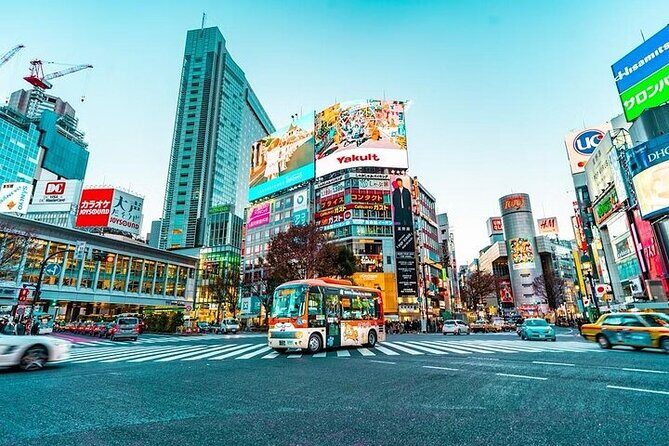
Then comes Shibuya Crossing, the world-famous intersection that many people associate with Tokyo’s energy. Your stop is about 30 minutes, and it’s free. This is a photo stop with payoff: you’ll see the choreography of crossing crowds and the neon edges of the neighborhood.
Consideration: Shibuya is busy. Even with a car dropping you nearby, you’ll still do some walking and weaving through crowds. The upside is that you get the full modern Tokyo vibe without needing to plan transit routes.
Harajuku Takeshita Street and Meiji Jingu: youth streets, then forest calm
Harajuku starts with Takeshita Street, the famous youth-culture strip. Your time here is about 1 hour, and admission is free. It’s known for colorful fashion, trendy cafés, and street food. If you want Tokyo that feels playful and slightly chaotic, this is the place.
One practical way to enjoy it: don’t try to see everything. Pick a lane (people-watching, snacks, or fashion shops) and stick to it. With an hour, you can do that comfortably.
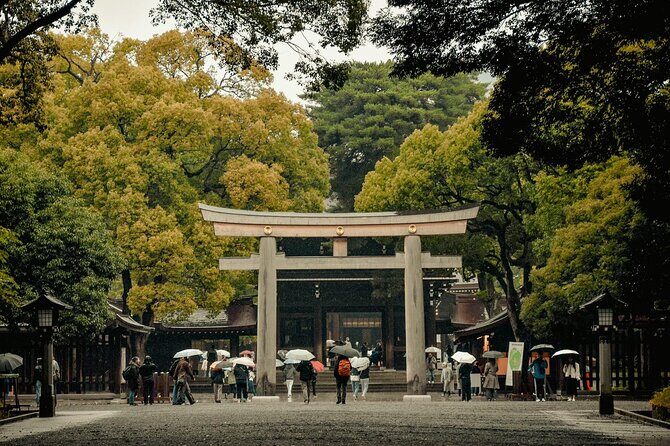
Then the tour swings to a totally different mood at Meiji Jingu Shrine. Your stop is about 30 minutes, and it’s free. Meiji Jingu is a Shinto sanctuary set in a lush wooded area, and the experience is about walking calm paths and stepping away from the city noise.
This pairing is smart. After the intensity of Harajuku streets, the shrine feels like a reset button. It’s also one of the better spots to slow down and actually take in what’s around you.
Tokyo Tower at 333 meters: a classic skyline finale
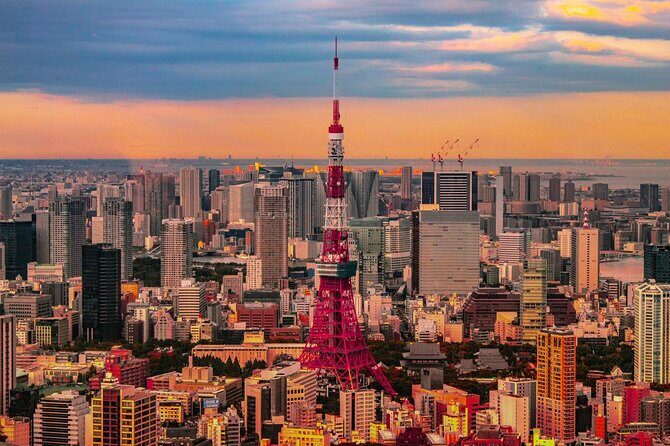
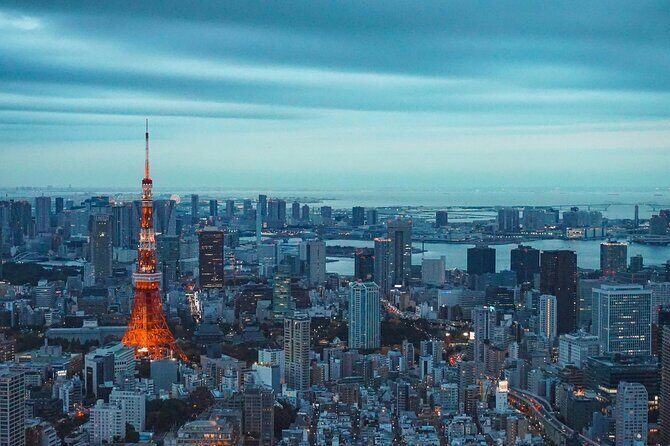
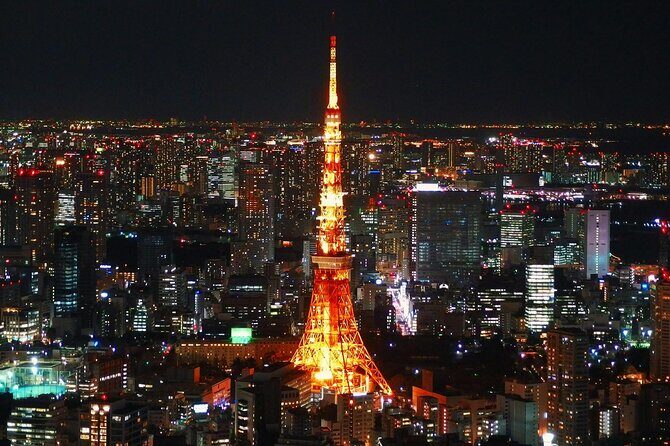
Tokyo ends on a high-visibility note with Tokyo Tower, inspired by the Eiffel Tower. It reaches 333 meters, and you’ll have about 30 minutes. Admission is listed as not included, so plan to pay if you want the observation decks.
This stop works best if you want a final skyline moment with a recognizable landmark silhouette. It’s also a nice bookend to the day since you’ve already seen Skytree earlier—two different styles of Tokyo views, both iconic.
If the weather isn’t cooperating, you might still enjoy the exterior views and the surrounding area, but your ability to see far will depend on conditions. That’s one reason the tour notes that it requires good weather.
Customization that actually helps (not just a nice promise)
The best part of a private day isn’t only comfort. It’s control. This tour is described as flexible and adjusted to your needs, which matters when you’re traveling with different energy levels.
Here’s what that flexibility can mean for you:
- If you’re not into shopping, you can shift time away from some shopping-heavy districts.
- If a viewpoint is your priority, you can spend your time where you’ll truly use it.
- If the day’s pace feels too fast, your guide can help you adjust the order and timing.
Guides in this program, such as Max and Jason, are described as listening and explaining clearly, then building the plan around family or personal interests. In real terms, it often means fewer moments where you feel like you’re just herded between checkboxes.
That’s the value you’re paying for: less stress, more intention.
Is this the right fit for you?
You should book this private Tokyo tour if:
- You hate crowded transit and want a car-based plan
- You want an English-speaking driver-guide to provide context
- You’re traveling with up to three people and want a personal pace
- You like a highlight route with room to adjust
You might think twice if:
- You want fully included attraction tickets from start to finish (Skytree and Tokyo Tower admissions aren’t included)
- You’re expecting a dedicated walking guide for every step on foot
- You’re visiting in conditions where the day might need to be adjusted for weather
FAQ
What’s included in the tour price?
The tour includes an air-conditioned vehicle, private transportation, Wi‑Fi on board, bottled water, and parking/fuel/toll fees.
Is this tour private and customizable?
Yes. It’s a private tour/activity for your group only, and the itinerary is flexible and adjusted to your needs.
Are admission fees included for Tokyo Skytree and Tokyo Tower?
No. Admission fees are not included, and Tokyo Skytree and Tokyo Tower specifically note admission is not included.
What are the key stops during the day?
The day includes stops at Tokyo Skytree, Senso-ji Temple, Ueno Park, the Imperial Palace area, Ginza, Odaiba, Tokyo Station, Tsukiji Fish Market, Shibuya Crossing, Takeshita Street, Meiji Jingu Shrine, and Tokyo Tower.
Is pickup available, and is there an extra charge for airports or Yokohama?
Pickup is offered. If pickup or drop-off is at Haneda, Narita, or Yokohama, there is an extra charge of ¥10,000 in cash per booking.
What happens if the weather isn’t good or the minimum number of travelers isn’t met?
The tour requires good weather. If it’s canceled due to poor weather, you’ll be offered a different date or a full refund. If the minimum number of travelers isn’t met, you’ll be offered a different date/experience or a full refund.