REVIEW · OSAKA
Allure of Osaka Walking Day Tour with a local guide
Book on Viator →Operated by Sparrow Travel · Bookable on Viator
Osaka on foot has a way of teaching you the city fast. This walking tour strings together classic sights and everyday neighborhoods with a local guide who keeps the pace practical and the story clear. I especially like the small group size (up to 8) and the mix of “big landmark” moments with street-level wandering, plus real talk on what you’re seeing as you go. One heads-up: it’s a walking tour with no Osaka Castle entry, so if you were hoping to go inside, this is more about seeing the castle from the outside.
You’ll start at the Osaka Museum of History and finish in Namba, with stops that shift from history to food streets to skyline views. If you’re the type who wants your day to feel like Osaka, not a checklist, this works. In one review, the guide Tomoki stood out for friendly, adaptable pacing, including tailoring the route for kids, which is exactly the kind of flexibility that makes a walking tour worth it.
In This Review
- Key Points You’ll Care About
- How This Osaka Walking Day Tour Really Feels
- Getting Started at Osaka Museum of History, Ending in Namba
- Osaka Castle From the Outside: The Big-Stop Start (Without the Ticket Rush)
- Osaka Tsuruhashi Ichiba: Koreatown Energy and Real Food Street Time
- Abeno Harukas and Tennoji: The 300-Meter Skyline Moment
- Shinsekai: Old-World Streets, Games, and Fashion That’s a Character
- Namba Finish: Your 30 Minutes to Choose Your Own Osaka
- Why the Local Guide Changes the Whole Day
- Price and Value: What $48.99 Buys You in Real Time
- Timing, Walking Pace, and the 4-Hour Reality
- What I’d Pack and Plan (So You Don’t Lose Time)
- Who Should Book This Tour
- Should You Book? My Practical Recommendation
- FAQ
- Is admission to Osaka Castle included?
- What’s the tour duration?
- How many people are in the group?
- Where does the tour start and end?
- What stops are included?
- Is food included?
- What about transportation costs?
- Is the tour ticket mobile?
- Can I book a private tour?
- Can I cancel and get a refund?
Key Points You’ll Care About
- Up to 8 people means you’re not swallowed by a crowd and you can ask questions as you walk
- No Osaka Castle entry keeps things moving and avoids ticket lines
- Stop-to-stop variety covers fortress vibes, Koreatown food energy, skyline height, and Shinsekai fun
- Namba is your playground at the end, with about 30 minutes to explore on your own
- A local guide can tailor the route and timing to your interests and your group’s needs
How This Osaka Walking Day Tour Really Feels
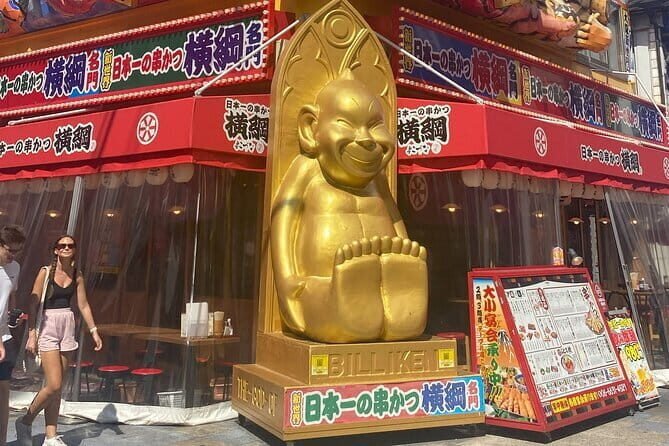
This tour is built for the way Osaka actually works: different neighborhoods, different moods, and very little time wasted. You’ll begin with Osaka Castle, then shift gears to Tennoji and Shinsekai-style street life, then land in Namba, where you can choose how you want to finish your day. It’s a smart rhythm for first-timers because it gives you context early, not after you’ve already missed the point.
The other thing I like is the guide factor. This isn’t a “stand here and read a plaque” situation. With Tomoki (a name that pops up in feedback), the approach is about answering questions and adjusting the pacing so the group stays together. That matters because Osaka can feel fast even when you’re not trying to rush.
And you’ll have a clear time block: about 4 hours. There are also longer options of 5 or 6 hours if you want more walking time and more neighborhood time to soak things in. If you’re traveling with kids or you simply hate the feeling of being dragged through stops, this format is usually a good match.
You can also read our reviews of more walking tours in Osaka


Getting Started at Osaka Museum of History, Ending in Namba
The meeting point is the Osaka Museum of History (4-chōme-1-32 Ōtemae, Chuo Ward). That’s a practical place to start because you’re already in an area that makes the rest of the day feel connected rather than scattered.
You’ll finish in Namba (Chuo Ward, Osaka 542-0076). Ending there is smart: Namba is one of those areas where your choices open up instantly. You can keep eating, people-watching, shopping, or grabbing a drink after the tour without needing more transit planning.
Also, it’s a group tour with a maximum of 8 travelers, and it’s near public transportation. That’s useful if you’re arriving from elsewhere in Osaka and want less stress before walking begins.
Osaka Castle From the Outside: The Big-Stop Start (Without the Ticket Rush)
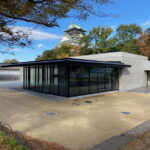
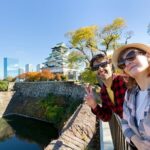
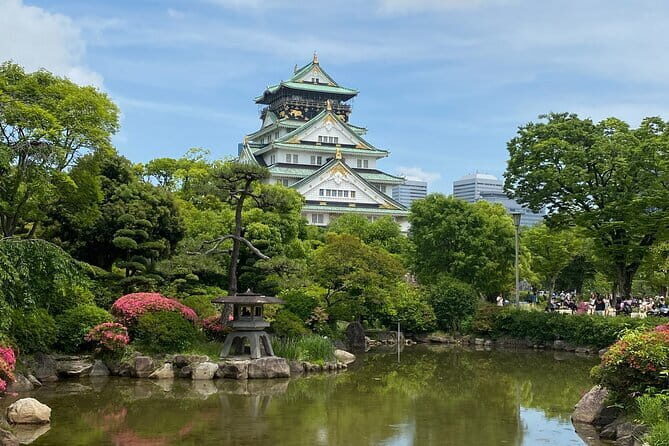
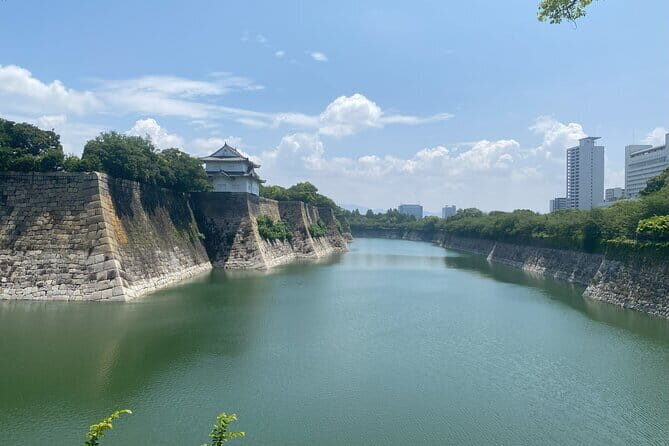
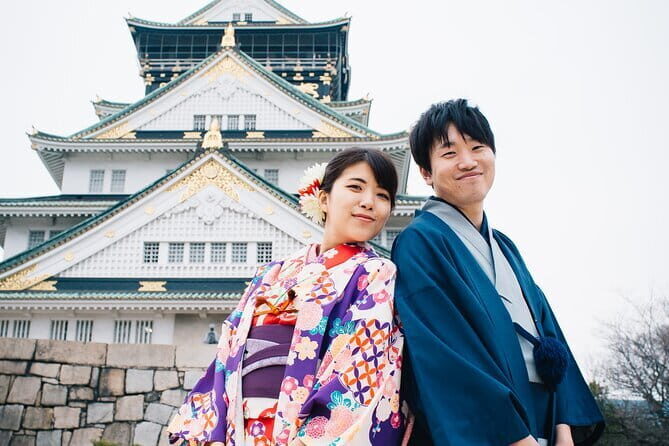
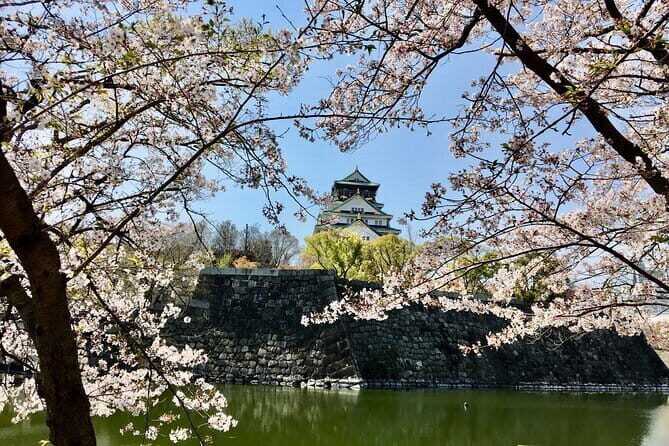
Stop 1 is Osaka Castle, starting right on schedule with about 1 hour 15 minutes allocated. The key detail here is that you won’t enter the castle. The tour visits outside, and the guide explains the place’s history and architecture as you walk the grounds.
Why that’s valuable: Osaka Castle is dramatic even when you’re just looking at it and circling the area. Starting here gives you a “sense of place” quickly. You also avoid the extra time that can come from ticket lines and inside routes. If you want a smooth morning or early afternoon that doesn’t collapse if you hit a wait, this outside-focused approach is a win.
What to watch for: bring your camera mindset. Even without entry, the castle area gives you strong angles, lots of photo points, and a clear first impression. Expect the guide to connect what you’re seeing to the bigger story of Osaka.
One consideration: admission is not included, but since the tour does not enter, this mainly matters if you personally decide you want to go in later on your own.
Osaka Tsuruhashi Ichiba: Koreatown Energy and Real Food Street Time
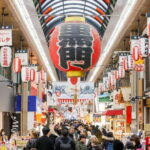
Next is Osaka Tsuruhashi Ichiba, about 30 minutes with admission free. This is the area known as Koreatown, and the famous draw is yakiniku, grilled meat enjoyed at the table. But the tour’s goal isn’t only restaurants. It’s about the feel of the maze-like streets: small shops, food stalls, and everyday hustle.
This stop is short by design, and that’s okay. You’re not being asked to “solve” a whole neighborhood in 30 minutes. Instead, you’re getting a taste of what makes Tsuruhashi distinctive so you know what you’re walking into if you return later.
Practical tip: if you have strong food preferences, consider using that stop time for a quick snack or a look around rather than committing to a long meal. The tour moves on, and you’ll want to keep energy for the next segments.
Abeno Harukas and Tennoji: The 300-Meter Skyline Moment
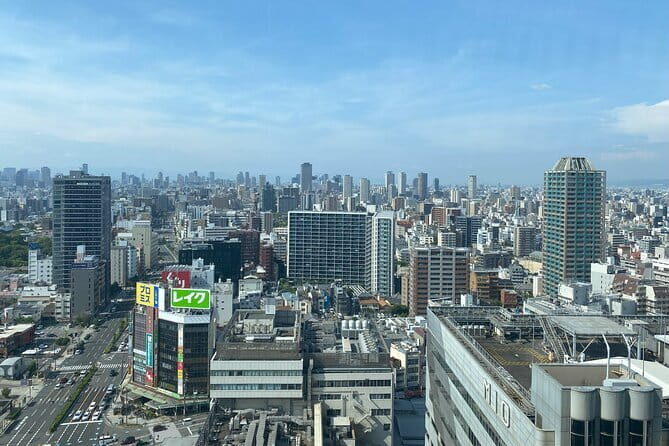
Stop 3 is ABENO HARUKAS in the Tennoji area, again about 30 minutes and admission free. This is where the tour shifts from street-level to “look up” Osaka. Harukas is described as the tallest non-tower building in Japan, at 300 meters, and the tour focuses on what that scale means for the city around it.
Even if you don’t go high, the area around Harukas gives you the feeling of modern Osaka. You’ll likely get skyline context from street sightlines and the guide’s explanation of why this part of the city matters now, not just in the past.
One consideration: if your main goal is a full observation-deck experience, this stop may feel more like a photo and orientation moment than a deep time commitment. The good news is you’ll be close enough to decide what you want to do afterward.
You can also read our reviews of more guided tours in Osaka



Shinsekai: Old-World Streets, Games, and Fashion That’s a Character
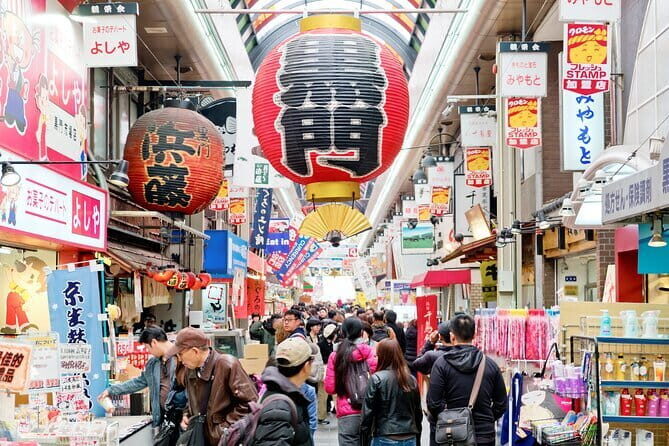
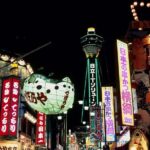
Stop 4 is Shinsekai, about 30 minutes, admission free. This is “fun for all ages” territory, and the vibe here is different from the business-heavy areas. You’ll see the old-world streetscape of Osaka, plus places with games, food, and fashion that can lean quirky and loud, depending on what you notice.
Why I like this stop on a walking day: Shinsekai is visual. You can look up at signage, scan for interesting storefronts, and just follow your curiosity for a short stretch without needing a strict plan. It’s the part of the day that feels playful, which balances the more structured history beginning.
Drawback to keep in mind: 30 minutes passes fast here. If Shinsekai is your must-see, the longer tour option (5 or 6 hours) can make it easier to spend extra time in this zone rather than keeping it strictly to the itinerary window.
Namba Finish: Your 30 Minutes to Choose Your Own Osaka
The last stop is Namba, with about 30 minutes on your own, admission free. This is the moment where the tour turns into personal freedom. You’ll know where you are, you’ll understand what you’ve already seen, and then you can steer your final hour toward what you actually want.
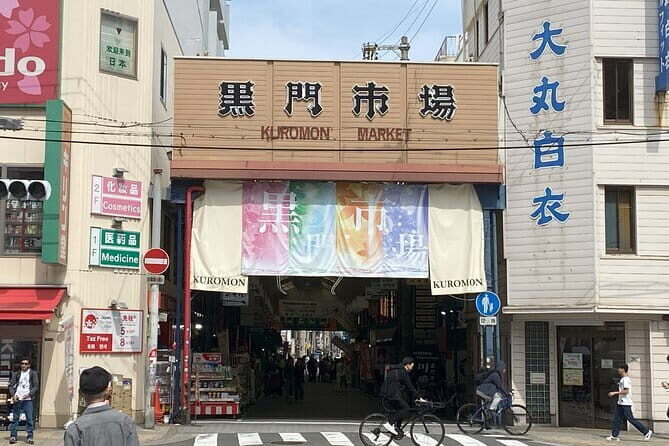
The tour notes that if you have interest in Kuromon Market, there’s sometimes flexibility depending on how you approach the time in Namba. The key is to have that conversation with your guide during the tour so you can make the best use of the final window.
Practical move: in your last 30 minutes, don’t try to do everything. Pick one lane. Snack lane, shopping lane, or just “walk until something smells amazing” lane. With Namba, that last one is often the best plan.
Why the Local Guide Changes the Whole Day
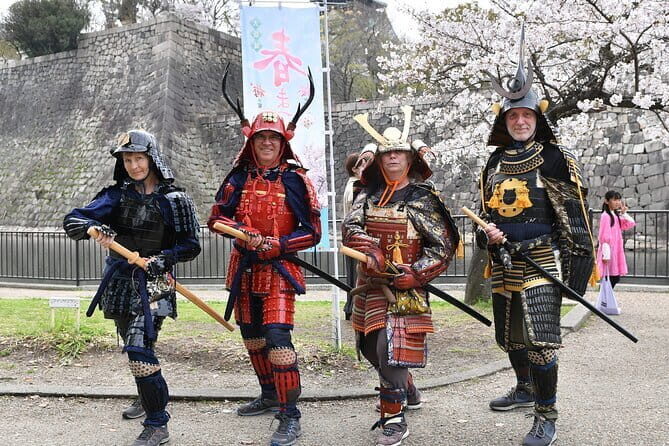
This is a walking tour where the guide really matters, and the structure supports that. You’re not just receiving a script; you’re getting explanations and answer-time. One review highlighted Tomoki adapting the tour to the group’s interests and needs, even with kids. That tells me the guide isn’t forcing a one-size schedule.
Here’s how that helps you as a visitor:
- You can ask what to prioritize if the city feels overwhelming.
- You can get guidance on where to spend your free time after the tour.
- You can keep the day flowing even if your group moves slower or wants extra questions.
Also, because the group is capped at 8, it’s easier for your guide to notice when someone’s getting tired or when the group is too scattered. That’s the difference between a tour and a march.
Price and Value: What $48.99 Buys You in Real Time
The price is $48.99 per person, and the tour often gets booked about 57 days in advance, which is a good sign that slots go fast.
Here’s the value logic I see:
- You’re paying for guide costs and a personal guide (not just a pre-recorded route).
- The itinerary covers multiple districts in one organized walk, so you’re buying time, not just information.
- The group size cap helps you feel less lost than on public transit alone.
What you need to add on your own:
- Transportation: the tour suggests a rough range of 600 to 930 yen per person.
- Food and drinks: not included.
- Osaka Castle admission: not included, and you don’t enter during the tour.
So the all-in cost depends on how you handle food and whether you pay for anything later. But even with that, it’s still a solid way to build confidence in Osaka quickly without spending your entire day figuring out logistics.
Timing, Walking Pace, and the 4-Hour Reality
The duration is about 4 hours, with optional extensions to 5 or 6 hours. That time shape is important. It means you’ll hit several key places without feeling like you’ve been out since breakfast.
A four-hour walking tour also has a psychological benefit: it ends while you still want more. You finish in Namba, which makes it easy to continue exploring after you’ve gotten your bearings.
If you choose the longer option, you can give Shinsekai and Namba a bit more breathing room. That’s the simplest upgrade if you know you’re going to want more time to wander and snack.
What I’d Pack and Plan (So You Don’t Lose Time)
This is a walking day through mixed neighborhoods. You should plan for comfort over style.
- Wear shoes you can handle on foot for a few hours.
- Bring a small water plan. Food stops can be tempting, but you’ll want energy for the next street.
- If you’re camera-first, keep your lens ready for castle views, skyline angles near Harukas, and the street vibe in Shinsekai.
And don’t over-pack your expectations. This tour is about guidance and orientation. It’s not promising a full-day museum binge.
Who Should Book This Tour
This one is a good fit if you:
- Want a first-pass Osaka day that links history, food area vibes, modern skyline, and street fun.
- Prefer a small-group pace with time to ask questions.
- Like tours that can adapt, especially if your group includes kids.
If you’re the kind of traveler who wants a strict schedule and zero walking after the tour, you might find Namba’s freedom a little too open-ended. But if you actually like choosing your own ending, that’s a plus.
Should You Book? My Practical Recommendation
Yes, I’d book it if you want an organized way to understand Osaka in half a day, then keep exploring on your own. The standout reason is the small group and the guide flexibility people highlight, including the experience of tailoring the day for kids. Starting at Osaka Castle outside gives you strong context without the friction of inside entry. And finishing in Namba means your day doesn’t end when the tour ends.
If your #1 goal is going inside Osaka Castle or spending a lot of time in observation spaces, you may want to plan those separately and use this tour as the “orientation and neighborhood connection” piece. For most visitors, though, this is a smart value way to see multiple faces of Osaka without getting overwhelmed.
FAQ
Is admission to Osaka Castle included?
No. Osaka Castle admission is not included, and the tour does not enter the castle. You’ll view it from outside while the guide explains it.
What’s the tour duration?
The tour is about 4 hours. There are also extended options of 5 or 6 hours if you want more time.
How many people are in the group?
The maximum group size is 8 travelers.
Where does the tour start and end?
It starts at the Osaka Museum of History (Chuo Ward) and ends in Namba (Chuo Ward).
What stops are included?
The tour includes Osaka Castle, Osaka Tsuruhashi Ichiba, Abeno Harukas (Tennoji area), Shinsekai, and Namba.
Is food included?
No. Food and drinks are not included.
What about transportation costs?
Your transportation is not included. The tour suggests budgeting roughly 600 to 930 yen per person.
Is the tour ticket mobile?
Yes. The tour uses a mobile ticket.
Can I book a private tour?
Private tours are mentioned as possible. You can send a message to request one.
Can I cancel and get a refund?
Yes. You can cancel for a full refund up to 24 hours in advance of the experience start time.