REVIEW · TOKYO
Time Travel in Tokyo Explore Old Town Asakusa and Local Food
Book on Viator →Operated by Pasuno Travel · Bookable on Viator
Old Tokyo feels close on foot. In this 2-hour Asakusa walk, I like the focus on Senso-ji and the chance to sample street snacks right in the flow of the old town. One consideration: it’s a crowd-and-walking style tour, so comfy shoes matter.
You start at the Asakusa Culture Tourist Information Center and get a guided route that covers the big sights first, then shifts into smaller lanes where the mood is quieter. The best part is that you’re not just looking at famous places—you’re learning the practical stuff too, like how people offer incense and prayers, plus a few useful Japanese phrases.
The tour ends at Don Quijote Asakusa, which is a fun, low-stress place to grab quirky souvenirs and snacks on your way back to your day.
In This Review
- Key things I’d bet on
- Asakusa in Two Hours: How the Walk Feels
- Meeting at Asakusa Culture Tourist Information Center
- Nakamise Shopping Street: Snacks, Smells, and Easy People-Watching
- Kaminarimon Gate: The Photo Moment That Teaches You Where to Look
- Sensō-ji: Incense, Prayers, and a 1,300-Year Legend
- Backstreets After the Big Sights: Quiet Corners and Useful Stories
- Ending at Don Quijote Asakusa: Souvenirs, Snacks, and Pop Culture Chaos
- Price and Group Value: Is $26.13 Worth It?
- Who This Tour Fits Best (And Who Might Want Something Else)
- Quick Practical Tips Before You Go
- Should You Book This Asakusa Old Town Tour?
- FAQ
- How long is the Asakusa old town walking tour?
- Where is the meeting point?
- Where does the tour end?
- Is this tour private?
- Do I need to pay entrance fees for the stops?
- Can I cancel for a refund?
- Are service animals allowed?
- FAQ
- How long is the Asakusa old town walking tour?
- Where is the meeting point?
- Where does the tour end?
- Is this tour private?
- Do I need to pay entrance fees for the stops?
- Can I cancel for a refund?
Key things I’d bet on
- Kaminarimon + Nakamise Street first: Get your bearings fast, then snack your way down the historic approach.
- Sensō-ji with real etiquette: You’re guided through what to do when offering incense and praying.
- Local food targets: You’ll have chances to try standouts like ningyo-yaki and senbei.
- Backstreets and photo spots: The route includes lesser-seen corners and easier angles for photos.
- A lively, practical finish at Don Quijote: Shopping is built into the end of the experience.
- Private-group feel: Only your group participates, so the pace can feel more personal.
Asakusa in Two Hours: How the Walk Feels
This is a short walking tour—about 2 hours—designed to give you an Asakusa “greatest hits” spine without turning into a marathon. The route is structured so you see the obvious landmarks early, when you’re freshest, then shift toward calmer streets where the neighborhood vibe kicks in.
The pacing also helps if you’re sightseeing on a full Tokyo schedule. Asakusa can eat up hours because it’s easy to wander, snack, and drift. This tour keeps you moving, but not rushed.
One more practical point: it’s a private tour/activity with only your group. That usually means less waiting around and a better chance to ask questions while you’re actually standing in front of the thing you’re learning about.
You can also read our reviews of more food & drink experiences in Tokyo

Meeting at Asakusa Culture Tourist Information Center
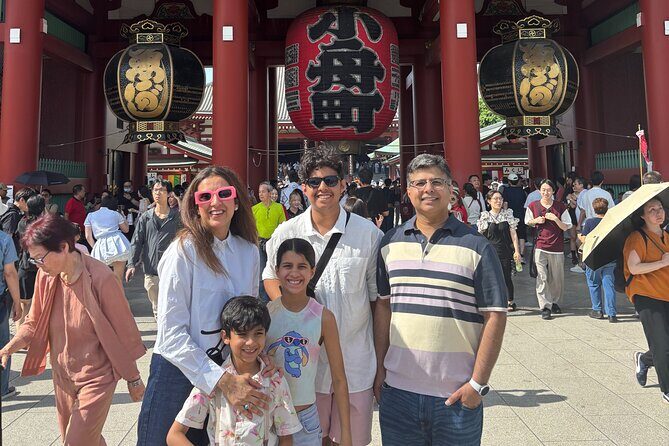
You’ll meet at the Asakusa Culture Tourist Information Center in Kaminarimon’s area. That’s a good starting choice because it puts you right where first-time visitors need to be: near the main entry to the historic core.
The tour ends in front of Don Quijote Asakusa. This is smart planning. Instead of ending at a random corner and hoping you can navigate back, you finish at a very visible landmark with lots of nearby food and shopping options.
Also, you get a mobile ticket, and you should receive confirmation at booking. In a city where trains and lines can be a puzzle, that kind of simplicity saves time.
Nakamise Shopping Street: Snacks, Smells, and Easy People-Watching
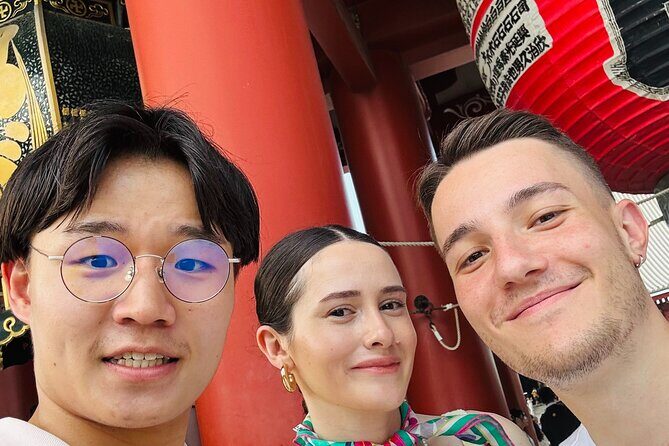
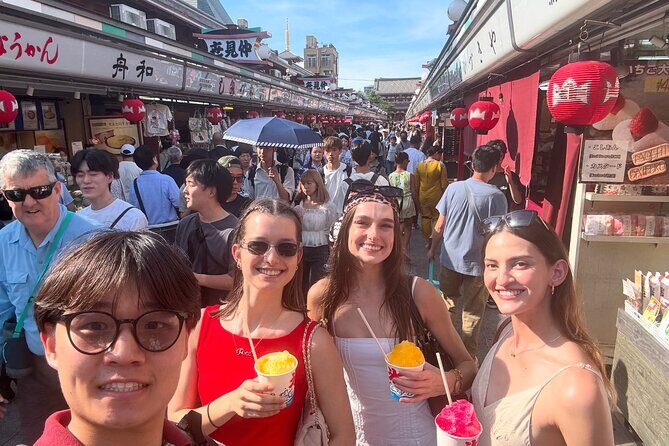
Nakamise Shopping Street is the “you are in Asakusa” moment. The idea here isn’t just to shop—it’s to get your senses switched on: you’ll notice the smell of freshly made rice crackers and sweet red bean snacks as you walk.
This is where you try local-style treats such as ningyo-yaki (the doll-shaped cakes) and senbei (rice crackers). These aren’t fancy museum snacks. They’re the kind of food you eat while wandering, so you taste the neighborhood rather than treating it like an errand.
What I like about this stop is the way it sets up the rest of the tour. Food first means your brain is in “experience mode,” and you’re more likely to actually enjoy the temple etiquette later instead of feeling like you’re rushing from sight to sight.
A small consideration: Nakamise is a busy shopping street in peak moments. If you don’t like crowds, go in with patience and plan to move slowly through the densest sections.
Kaminarimon Gate: The Photo Moment That Teaches You Where to Look
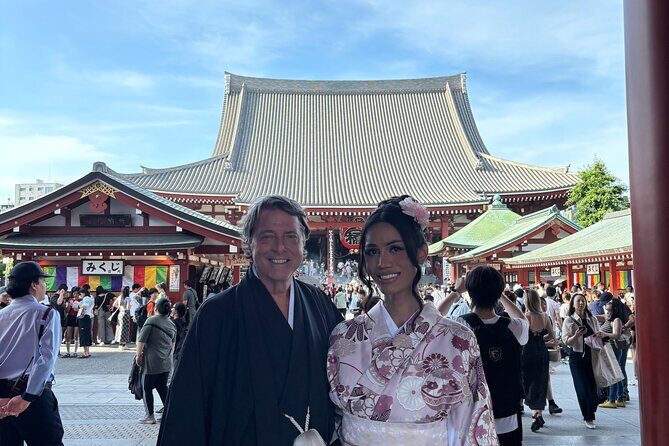
Even if you’ve seen pictures of Kaminarimon Gate, seeing it in person has a different effect. The massive lanterns and guardian statues make it feel like a threshold, not just an entrance.
This stop matters because the gate is where the tour’s energy turns from “walking down a shopping street” to “entering a sacred space with rules.” A guide can help you notice details you’d miss: the layout, where people pause, and what the site looks like from a practical walking perspective.
If you care about photos, this is also an early payoff. You’ll have a clear landmark to orient yourself, and the rest of the route makes more sense once you know exactly how the space is arranged.
Sensō-ji: Incense, Prayers, and a 1,300-Year Legend
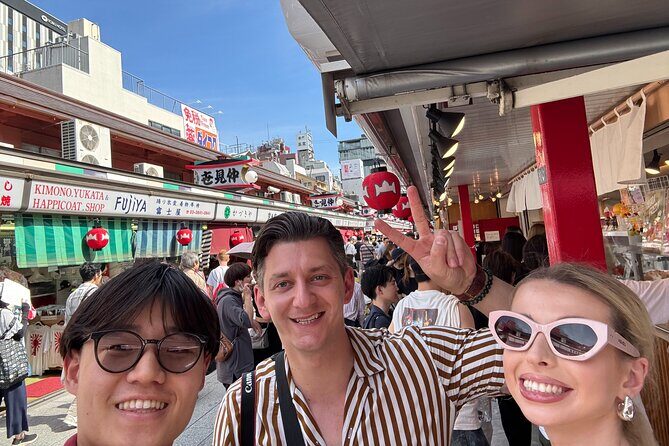
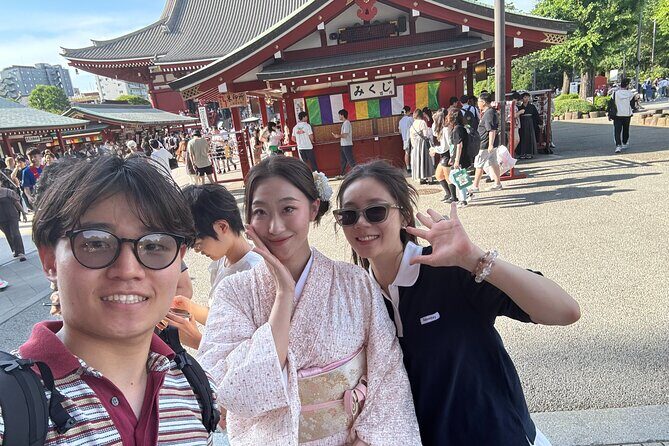
Sensō-ji is Tokyo’s oldest and most beloved Buddhist temple, and the tour makes sure you don’t just stroll through. You’ll learn the temple’s long legend—about 1,300 years old—which gives context for why the space feels so emotionally “busy,” even when you’re not doing anything but walking.
The tour also includes guided temple etiquette, including how to join locals in offering incense and prayers. That’s a real value. Most visitors understand the big idea, but etiquette details are where you can feel awkward. Getting that explained in plain steps means you can participate without guessing.
One of the biggest wins here is that the guide doesn’t treat the temple like a checklist item. You’re told what to do and why it matters, so it feels respectful, not performative.
Practical note: temple crowds can thicken around prayer areas. If you’re sensitive to close proximity, expect slower movement and consider giving yourself extra space when people are funneling through.
A few more Tokyo tours and experiences worth a look



Backstreets After the Big Sights: Quiet Corners and Useful Stories
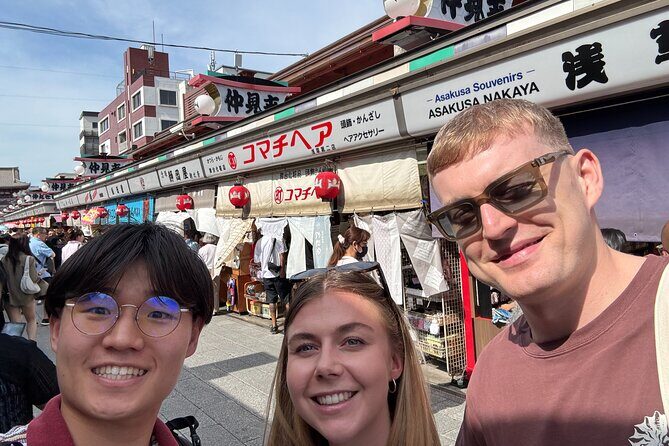
Once you’ve done the main sights, the tour shifts into backstreets. This is where Asakusa feels more lived-in. You’ll get chances to see “secret spots” and hidden photo spots that you’d be unlikely to find on your own during a first visit.
You’ll also hear unique local stories and cultural tips that connect the dots between what you’re seeing and how people actually experience it day-to-day. This is the difference between “I saw the temple” and “I understand how this neighborhood behaves around the temple.”
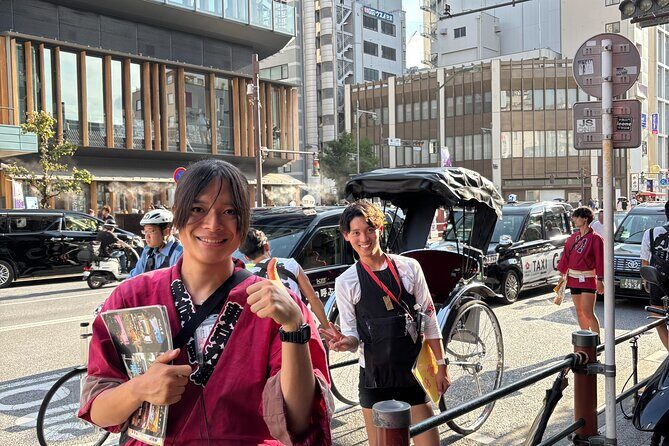
In the feedback connected to this tour, a guide named Suno is praised for a mix of knowledge, patience, and photo help—people appreciated that the guide gave clear rules and customs instead of leaving anyone to figure it out on their own. If you like guides who can both teach and take photos, that’s a good sign.
Ending at Don Quijote Asakusa: Souvenirs, Snacks, and Pop Culture Chaos
Don Quijote Asakusa is a fitting ending. It’s chaotic in the fun way, and it gives you a simple final mission: pick up quirky souvenirs, snacks, cosmetics, and pop-culture goods without having to plot your next stop from scratch.
This matters for value. When tours end far from major transit or obvious landmarks, you can spend the last 15–30 minutes scrambling. Here, the end point is easy to reach and easy to understand.
Also, it’s a good place to reset after a temple visit. If you’ve been in thoughtful mode, it’s a quick switch back to playful shopping.
Price and Group Value: Is $26.13 Worth It?
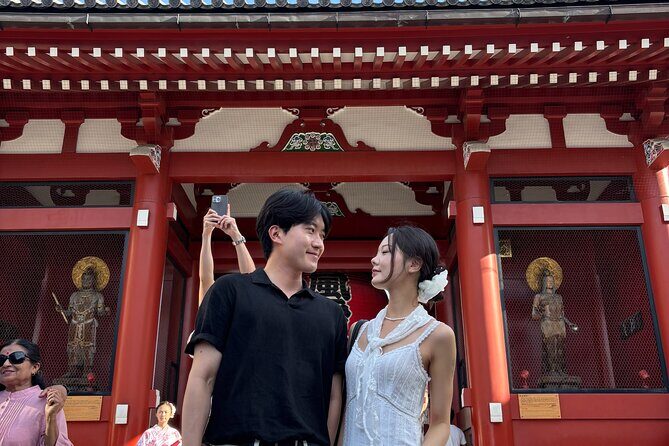
At about $26.13 per person for roughly 2 hours, you’re paying mainly for two things: a guided route and guidance that saves you time and uncertainty.
You’re not just paying for walking. You’re paying for:
- direction through the best-known Asakusa core
- etiquette coaching at Sensō-ji (the stuff that’s hard to figure out alone)
- targeted snack moments like ningyo-yaki and senbei
- photo help and backstreet guidance
The “private tour” angle also helps value if you’re traveling with a group and want a pace that fits your needs. Since you’re only with your group, you’re less likely to feel like you’re being shepherded into photo spots you don’t care about.
One thing to budget for: the tour highlights specific snacks, but the data doesn’t say whether tasting is fully included or just guided. If you’re a big snacker, bring some extra money so you can choose what you want to buy.
Who This Tour Fits Best (And Who Might Want Something Else)
This is ideal for:
- first-time visitors who want Asakusa’s main sights in a clean, efficient loop
- people who care about food you can actually eat while walking
- travelers who want cultural guidance, especially around temple etiquette
- anyone who appreciates photo-friendly guidance and a route that includes backstreets
You might prefer a different option if you want a long, slow food crawl or if you dislike crowds at major landmarks. With only about two hours, this tour gives you a taste of everything, not a day-long immersion.
Quick Practical Tips Before You Go
Here’s how to get the most from the experience:
- Wear comfortable shoes. It’s short, but it’s still a walking route through active areas.
- Expect people around Sensō-ji and Nakamise, especially during peak hours. Move with the flow.
- Bring water. Even if you’re eating snacks, hydration helps you enjoy the walking.
- If you’re sensitive to crowding, consider going earlier in the day when it may feel easier to navigate.
- Have your phone ready for the mobile ticket and photos, since the route includes clear photo moments.
Should You Book This Asakusa Old Town Tour?
If your goal is an efficient, friendly walk through old Tokyo with real cultural guidance and snack stops, I think this is a smart booking. The price is reasonable for the time, and the payoff is bigger than the landmark checklist: you get etiquette coaching, backstreet discoveries, and a fun ending at Don Quijote.
Book it if you want:
- Sensō-ji context plus incense/prayer guidance
- Nakamise Street snacks like ningyo-yaki and senbei
- photos that are easier to get because someone’s guiding you to good angles
- a finished route that doesn’t leave you stranded at the end
Skip it if you want a long, unstructured wander with no guidance. This is a guided route built for momentum, not for drifting for hours.
FAQ
How long is the Asakusa old town walking tour?
It’s about 2 hours.
Where is the meeting point?
You’ll meet at the Asakusa Culture Tourist Information Center at 2-chōme-18-9 Kaminarimon, Taito City.
Where does the tour end?
The tour ends in front of Don Quijote Asakusa (2 Chome-10 Asakusa), where you can shop for souvenirs and snacks.
Is this tour private?
Yes. It’s a private tour/activity, so only your group participates.
Do I need to pay entrance fees for the stops?
The stops listed for the tour show admission ticket free, including Sensō-ji.
Can I cancel for a refund?
Yes. You can cancel up to 24 hours in advance for a full refund.
Are service animals allowed?
Yes, service animals are allowed.
FAQ
How long is the Asakusa old town walking tour?
It’s about 2 hours.
Where is the meeting point?
You’ll meet at the Asakusa Culture Tourist Information Center at 2-chōme-18-9 Kaminarimon, Taito City.
Where does the tour end?
The tour ends in front of Don Quijote Asakusa (2 Chome-10 Asakusa), where you can shop for souvenirs and snacks.
Is this tour private?
Yes. It’s a private tour/activity, so only your group participates.
Do I need to pay entrance fees for the stops?
The stops listed for the tour show admission ticket free, including Sensō-ji.
Can I cancel for a refund?
Yes. You can cancel up to 24 hours in advance for a full refund.