REVIEW · OSAKA
Osaka: Sushi Making in Spacious Studio (SAME-DAY OK!)
Book on GetYourGuide →Operated by WILL Co.,Ltd. · Bookable on GetYourGuide
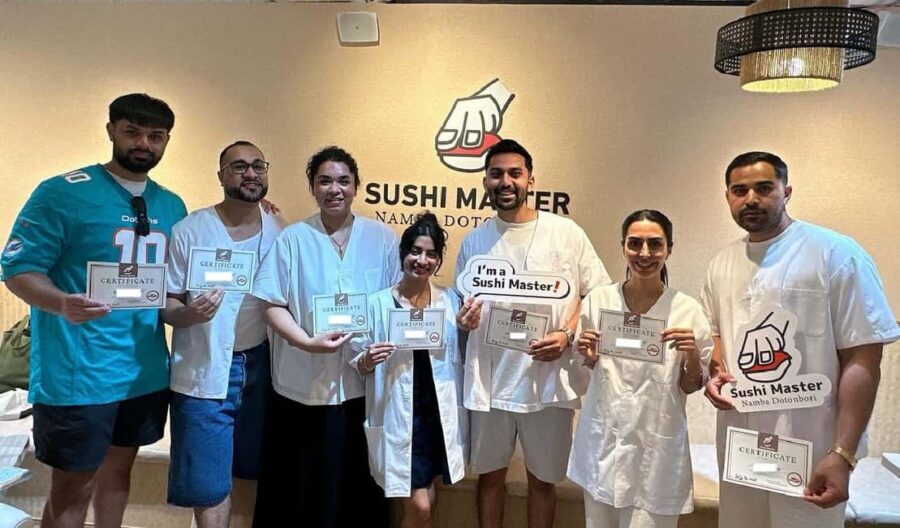
You can learn sushi without a single word of Japanese. In Namba, you’ll make sushi in a spacious studio, guided in English, with a Japanese instructor and food you eat right away. It’s practical, and the 90 minutes feels like a fun shortcut to real technique. The bonus is the small souvenirs and your Sushi Master Certificate at the end.
What I love most is how the class stays hands-on and not just a lecture. You’ll work on key skills like sushi rice and assembly, then sit down with the sushi you made. I also like that instructors such as Naho, Seina, Tsuki, and Aki (all cited by guests) keep things friendly, organized, and easy to follow in English.
A quick consideration: drinks are not included, so if you want alcohol or even soft drinks during the class, plan for extra spending. Also, you need to avoid outside food and drinks, and you’ll want to flag allergies in advance.
In This Review
- Key things you’ll notice in the studio
- Osaka Sushi Making in Namba: What 90 Minutes Actually Feels Like
- Finding the Orange Building Near Namba Station (and not getting lost)
- Your Class Flow: Rice First, Then Nigiri/Gunkan Assembly
- Two Different Portions: Standard vs Premium Courses
- What’s Included (and what you’ll pay extra for)
- The Instructor Factor: Why English Support Makes a Difference
- Sake and Drinks: How to Think About the Add-Ons
- Vegetarian Option: A Real Accommodation, Not a Last-Minute Swap
- Culture Intro: Why the Room Matters as Much as the Food
- Food You Make vs Food You Watch
- Who This Osaka Sushi Class Fits Best
- Quick Etiquette and Before-You-Go Notes
- Should You Book Sushi Master Namba in Osaka?
- FAQ
- How much does the sushi making class cost?
- How long is the experience?
- Where do I meet for the class?
- What languages are used during the class?
- Is there a vegetarian option?
- Do I get to eat the sushi I make?
- Do drinks come with the price?
- What do I take home?
- Is same-day booking possible, and can I cancel?
Key things you’ll notice in the studio
- Spacious classroom setup near Namba Station, so you’re not squeezed into a tiny space
- English instruction led by a Japanese instructor, with supportive teaching and patience
- You make your own sushi and eat it on the spot, rather than watching and hoping
- Sushi Master Certificate plus a small souvenir to take home
- Vegetarian-friendly option: fish toppings can be swapped for vegetables if you message ahead
Osaka Sushi Making in Namba: What 90 Minutes Actually Feels Like
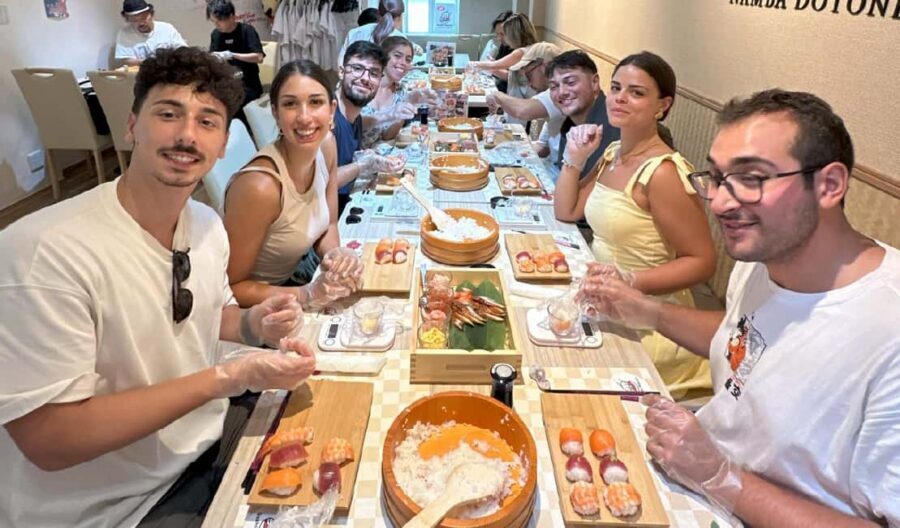
Osaka sushi classes can go two ways: either you do a couple of token steps, or you genuinely learn something repeatable. This one is built for the second option. You get a warm welcome and an intro to Japanese food culture, and then you move quickly into making sushi yourself.
The timing matters. At 90 minutes, you’re not stuck in “tour mode” for hours. You learn, you assemble, you eat, and you walk away with a new skill you can use again later (and with a certificate that makes you feel oddly proud).
You can also read our reviews of more tours and experiences in Osaka.

Finding the Orange Building Near Namba Station (and not getting lost)
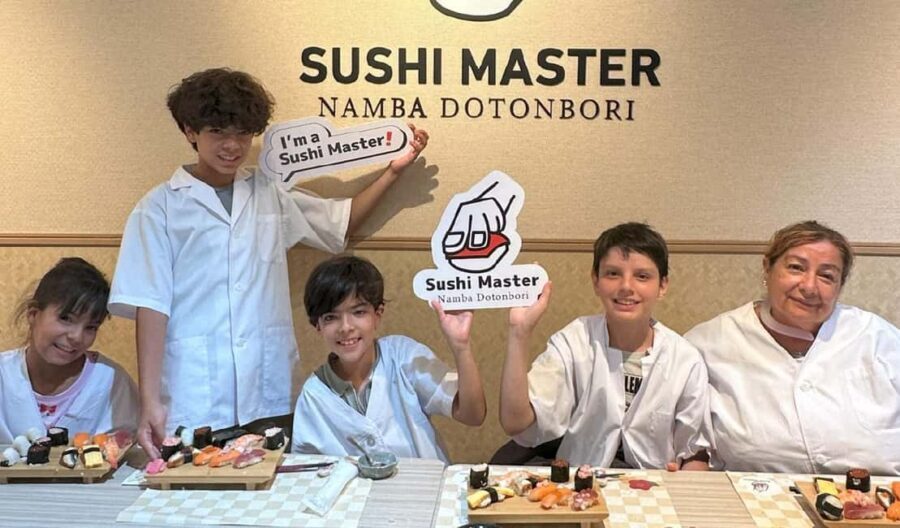
You meet by searching Sushi Master Namba on Google Maps and going in on your own. The map may be slightly off, and the location is in a narrow building colored orange, on the 2nd floor.
This is one of those “it’s easy once you know where it is” setups. The studio is about a 3-minute walk from Namba Station, so you’re not budgeting half a day just to commute. If anything feels confusing, you can call 0664848070.
My practical tip: on arrival, look for the building first, then climb to the 2nd floor. Don’t rely on the pin alone.
Your Class Flow: Rice First, Then Nigiri/Gunkan Assembly
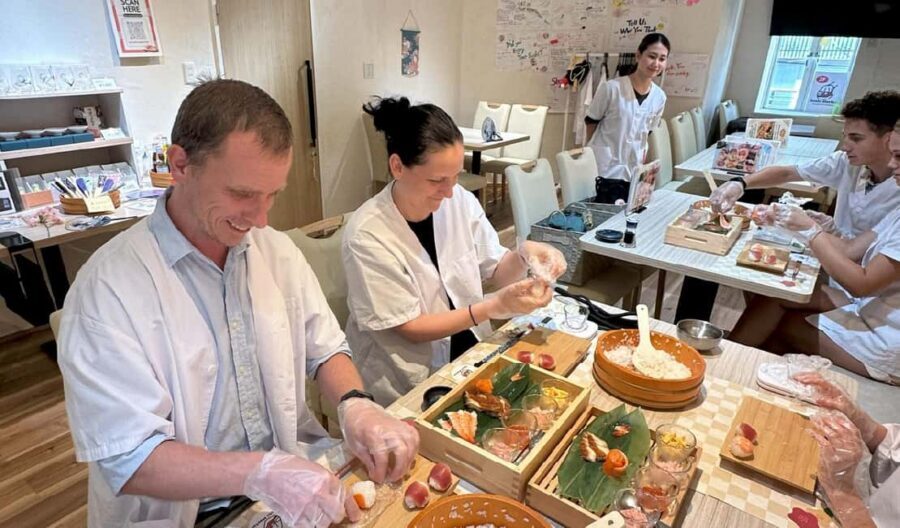
The experience is hands-on from the start. You’ll begin with a welcome in English, plus an intro to sushi and Japanese food culture. You’ll also learn what makes sushi rice work, which is the foundation for everything else you’ll shape later.
From the way instruction is described, the heavy prep is already handled for efficiency and food safety. In other words, you aren’t trying to cook raw rice from scratch while everyone watches. Guests describe that the rice and key components like fish, egg, and seaweed are prepared in advance, and you cool the rice and assemble your sushi.
Once you start building, you’re guided step-by-step. Many guests specifically mention making nigiri and gunkan. The key idea is technique: how to season and handle the rice, how to place toppings, and how to build with confidence instead of guessing.
Two Different Portions: Standard vs Premium Courses
You’ll choose between two versions of the class based on how much sushi you want to make and eat:
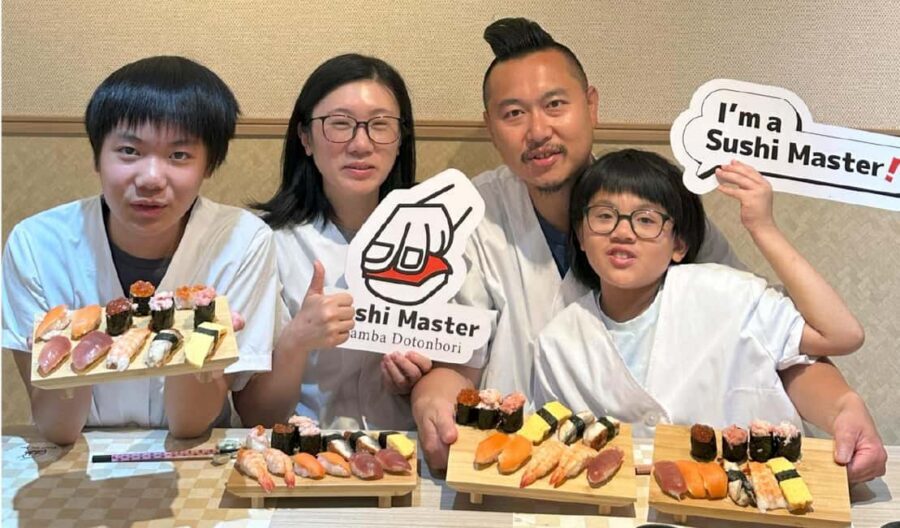
- Standard course: 8 pieces
- Premium course: 10 pieces
Either way, you’re working toward the same goal: learn the core sushi-making method and get a satisfying amount of food to take you from learning mode to eating mode. The “value” here isn’t just the final number of pieces. It’s the fact that you actually assemble what you eat.
If you’re the type who always wants to do more than the minimum, the Premium option tends to make sense. If you just want the skills and a solid meal without overpacking your stomach, Standard is plenty.
What’s Included (and what you’ll pay extra for)
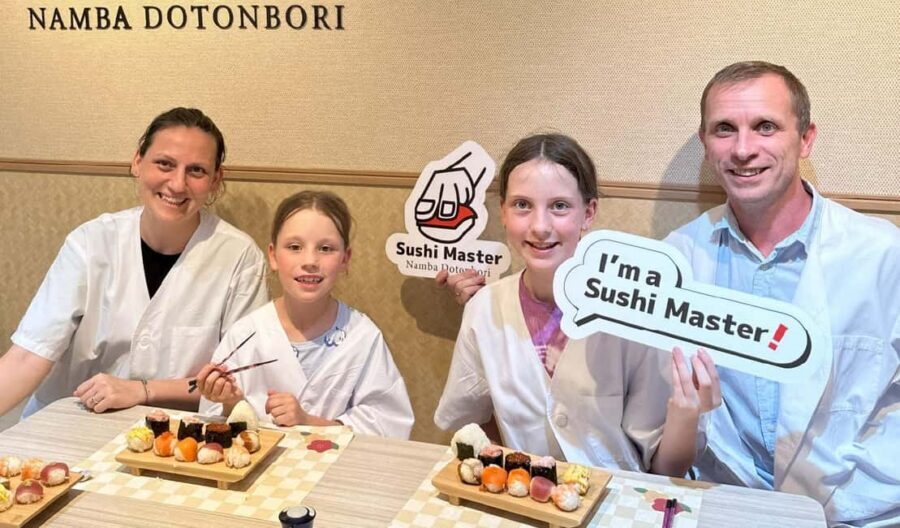
At $25 per person, you’re paying for far more than a photo-friendly activity. Included are sushi ingredients, the sushi meal made by you, a Sushi Master Certificate, and a cute Japanese souvenir.
What’s not included: drinks. You can order soft drinks and alcohol during the class, but you’ll handle that separately. So if you want sake with your meal, treat it as an add-on unless you specifically confirm it at booking.
This is where the class feels like good value. At this price, the meal is part of the experience, not just an afterthought. You’re basically paying for instruction, ingredients, and a fun structure that tells you what to do next.

The Instructor Factor: Why English Support Makes a Difference
Sushi is fussy. Rice temperature, texture, and seasoning matter. Handling matters too. That’s why instructor quality matters more here than it does in some other cooking experiences.
Guests consistently praise the instructors for being friendly, patient, and clear in English. Named instructors include Seina, Naho, Tsuki, Matsuri, and Aki—and the common thread is explanation that actually lands. One guest noted that the host spoke brilliant English and the course was very organized, with a video-style start and clear guidance during hands-on work.
What you should expect from this setup:
- you’ll get guidance you can follow without struggling through translation
- you can ask questions while you’re assembling
- you leave feeling like you learned something real, not just completed a task
Sake and Drinks: How to Think About the Add-Ons
You’ll likely enjoy your sushi with carefully selected sake as part of the experience flow. At the same time, since drinks aren’t listed as included, don’t assume your sake portion is automatically free. If you want alcohol, treat it like something you’ll order during class.
Also remember: outside drinks aren’t allowed. So if you’re thinking of bringing your own water bottle or snacks for comfort, skip it. The class expects you to eat what’s provided and purchase drinks on-site if you want them.
Practical move: if you’re sensitive to alcohol or just want a safer plan, order a soft drink. It’s there for a reason.
Vegetarian Option: A Real Accommodation, Not a Last-Minute Swap
If your group includes vegetarians, you’ll want to message ahead. The class states that fish toppings can be replaced with vegetable-based ingredients.
That matters, because sushi isn’t automatically veggie-friendly the way pasta or stir-fry can be. Toppings, texture, and seasoning all shift. The studio is telling you they can handle it, which makes this a much better choice than classes that only offer a sad side salad.
If you’re traveling with both meat-eaters and vegetarians, this is also a smoother group activity. Everyone can participate in the same hands-on workflow and build sushi you can actually eat.
Culture Intro: Why the Room Matters as Much as the Food
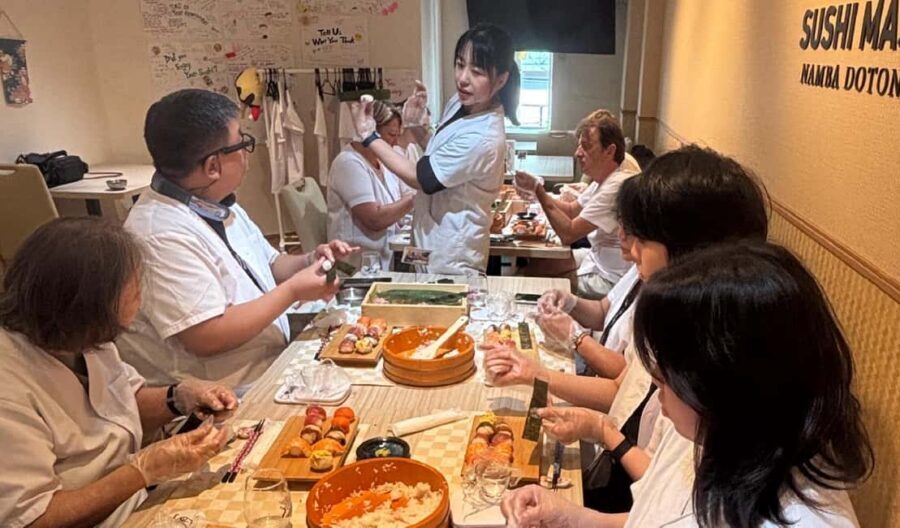
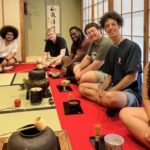
This class isn’t just “make food.” You start with a warm welcome and a mini intro to Japanese food culture in English. Guests also mention learning about sushi history and rice techniques as part of the early part of the lesson.
The studio being described as specious/spacious is more important than it sounds. When a class has room, it’s easier to move, watch, and assemble without bumping elbows. That tends to make the experience calmer, especially if you’re traveling alone or with family.
A small but real bonus: the studio setup supports photos. Guests describe staff being happy to take pictures while you make sushi, which is handy because sushi assembly is the kind of thing you’ll want to remember later.
Food You Make vs Food You Watch
Here’s the practical payoff: you don’t just learn how sushi works. You eat it, right there.
Many guests describe the result as delicious and enjoyable, with good quality ingredients. And the portions are meaningful. Even the Standard course gives you 8 pieces you made yourself, so you leave fed, not “a little nibble-fed.”
If you’ve ever taken a cooking class and felt like the best parts were still in someone else’s bowl, you’ll like this format. You’re building your own sushi from start to finish and then tasting it while it’s fresh.
Who This Osaka Sushi Class Fits Best
This is a strong match if you want:
- an easy, English-friendly cooking experience
- a hands-on way to learn sushi rice and basic assembly
- an activity that works for individuals, couples, or families
It can also be a good “first sushi class” if you’re new to Japanese food. The course structure is built to teach basics like nigiri and gunkan, not to assume you already know what sushi should look like.
If you want a deep, high-end omakase tasting, this isn’t that. It’s a class. The value is learning technique and leaving with a meal and a certificate.
Quick Etiquette and Before-You-Go Notes
A few rules are simple but worth knowing:
- No smoking is allowed.
- You should let the studio know in advance if you have allergies.
- Please don’t bring outside food or drinks.
If you have allergy concerns, don’t wait until you arrive. Message ahead so the instructor can account for it before ingredients are handled.
Should You Book Sushi Master Namba in Osaka?
Book it if you want a friendly, structured way to learn sushi in English, make real nigiri and gunkan (or similar sushi forms), and eat what you made. At $25 for 90 minutes with ingredients, your meal, a certificate, and a souvenir, it’s priced like a smart local experience, not a luxury gimmick.
Skip or reconsider if you’re only interested in drinks being included, or if you’re expecting an all-day deep tasting tour. Also, if you’re traveling with dietary needs, message about vegetarian swaps early so everyone gets the sushi they can enjoy.
If you’re in Namba and you want a hands-on Osaka memory you can replicate later, this is one of the better bets.
FAQ
How much does the sushi making class cost?
It costs $25 per person.
How long is the experience?
The class runs for 90 minutes.
Where do I meet for the class?
Search for Sushi Master Namba on Google Maps. The location is on the 2nd floor of an orange narrow building. The map pin may be slightly misaligned.
What languages are used during the class?
The class uses English and Japanese.
Is there a vegetarian option?
Yes. If your group includes vegetarians, you should message directly in advance, and fish toppings can be replaced with vegetable-based ingredients.
Do I get to eat the sushi I make?
Yes. The experience includes sushi meals made by you, and you enjoy what you create on the spot.
Do drinks come with the price?
No. Drinks are not included, but you can order soft drinks and alcohol during the class.
What do I take home?
You receive a Sushi Master Certificate and a small Japanese souvenir.
Is same-day booking possible, and can I cancel?
Same-day booking is listed as possible. Cancellation is free up to 24 hours in advance for a full refund.