REVIEW · NAGANO
Japanese Cooking Class at a Traditional House in Nagano
Book on Viator →Operated by Yuka's Japanese Culture Tour · Bookable on Viator
Cooking in a 130-year-old house feels special. This English class is taught in a Machiya-style home in Nagano, built over 130 years ago as the shopkeeper (Shoya) residence of the city’s biggest merchant. I especially love how you get a real sense of traditional life before you ever touch a cutting board, including seeing items kept in an old Kura storehouse. One consideration: the cooking space is on the second floor, so plan on stairs if that’s a factor for you.
Next, I like the hands-on format that makes Japanese food feel repeatable back home. You’ll learn basics like how to make Dashi broth, and you’ll work with local ingredients from Shinano-Ōmachi that you’re unlikely to spot in a regular supermarket. Plus, the class includes aprons and cooking tools, and you also get lunch made from what you cook, along with other dishes, rice or noodles, and dessert.
This is also a smart pick if you want local culture without a museum vibe. Yuka leads the class in the home setting, and the experience is designed so vegetarian and vegan versions are possible. For me, that blend of history, technique, and practical results is why this feels like a top experience in the area.
In This Review
- Key things that make this class worth your time
- Inside a Machiya merchant house in Nagano
- Choose your course: Local Food, Temari Sushi, or Shabushabu
- What you actually learn: Dashi and the logic behind the flavors
- The full cooking flow: tour, prep, then a lunch you help create
- Shinano-Ōmachi’s food story: cold climate, salt roads, and smarter diets
- Price and logistics that actually matter
- Who this class suits best (and who should think twice)
- Should you book Yuka’s Japanese Cooking Class in Nagano?
- FAQ
- Where is the meeting point?
- How long is the cooking class?
- Is the class taught in English?
- Is this a private experience?
- What’s included in the price?
- What do I need to bring?
- What course options can I choose?
- Do you adjust recipes for vegetarians or vegans?
- Are alcoholic drinks included?
- What is the cancellation policy?
Key things that make this class worth your time
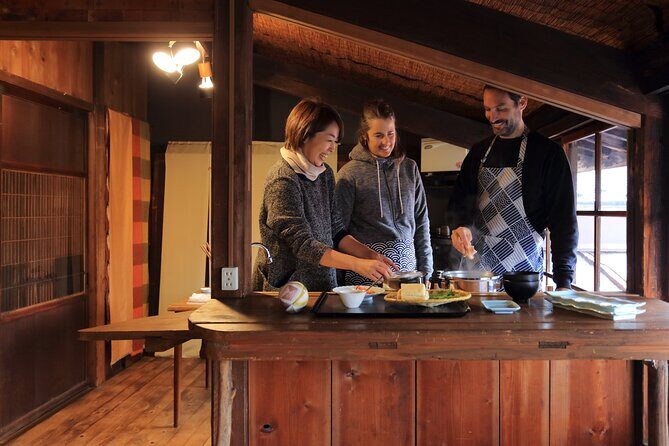
- A Machiya merchant home setup: Over 130 years old, with a layout that lets you see how people lived and worked.
- Kura storage artifacts: You get context around old tools and traditions that are carefully preserved.
- Second-floor cooking with garden views: You’re cooking while looking out at the Japanese garden.
- Dashi basics plus local Shinano-Ōmachi ingredients: You learn technique and taste the region’s food culture.
- Three course choices: Traditional Local Food, Temari Sushi, or Shabushabu.
- Lunch and dessert included: You eat what you make, plus extra dishes and carbs.
Inside a Machiya merchant house in Nagano
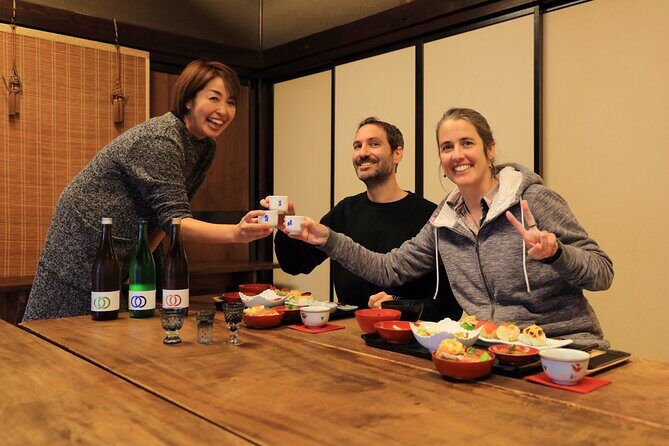
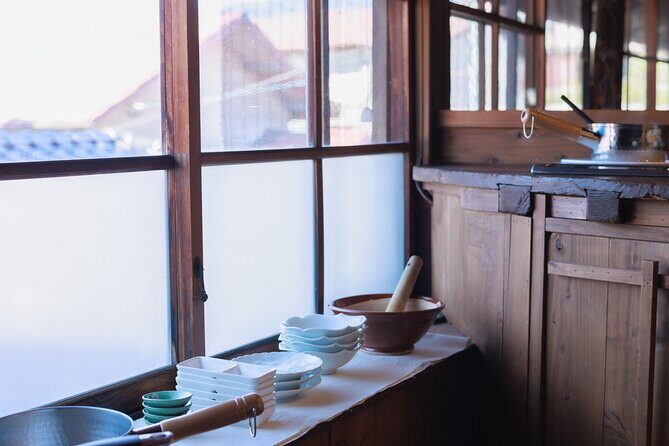
The location is the first big reason to book. The class happens in a house over 130 years old, built in Machiya style. Long ago, it served as the residence for the Shoya, the biggest merchant in the city at the time, so the space feels like more than a generic cooking studio.
Before you cook, you’re shown around the home. You’ll be able to look at the interior and see preserved items stored in the Kura, the traditional backhouse storehouse. Among the highlights are a koto (the Japanese harp) and an old sawing machine—objects that help you understand how this kind of merchant home functioned day to day. It’s not just pretty decoration; it sets the tone for why the food matters.
Another detail I really liked is how the kitchen itself ties to local craft. The cooking area uses sake barrel lids sourced from a local brewery. It’s the kind of “small” design choice that makes the whole experience feel connected to place, not staged for tourists.
And yes, you’ll be on the second floor. The cooking space is there, and that’s also where you’ll see the Japanese garden. If you’d rather avoid stairs, keep that in mind when you plan.
You can also read our reviews of more tours and experiences in Nagano.


Choose your course: Local Food, Temari Sushi, or Shabushabu
You pick one of three course options:
- Traditional Local Food Course
- Temari Sushi Course
- Shabushabu Course
What I like about having these choices is that the class can match your mood. If you want an overview of regional cooking, go with the Traditional Local Food Course. If you’re excited to learn a fun shape-and-build technique, Temari Sushi tends to be a crowd-pleaser because it’s hands-on. If you want something warm and comforting, Shabushabu is often a good fit because it’s a very Japanese “around the table” style meal.
Even without knowing your exact recipe in advance, you can expect the class to focus on method. The format includes instruction on Japanese cooking basics and an introduction to local ingredients. That matters because you’re not only copying one dish; you’re building understanding.
Also, the course menu isn’t just for show. Recipes are adjustable for vegetarians and vegans, so your course choice can still work even if you avoid meat or fish. That flexibility is a real value add, because it keeps you from being “side-lined” into a separate, less satisfying option.
What you actually learn: Dashi and the logic behind the flavors
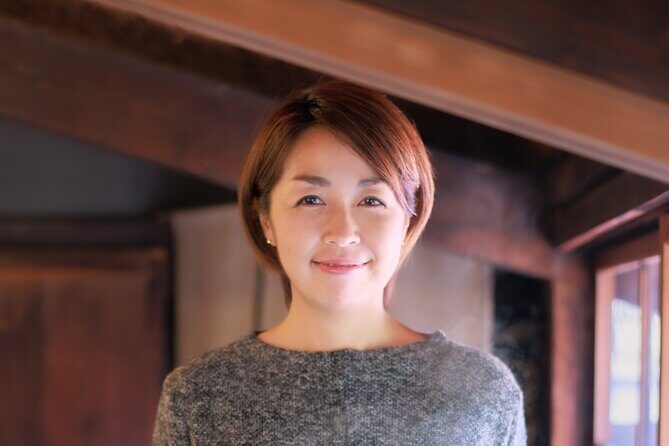
The heart of this class is technique you can use later. You’ll learn basics like how to make Dashi broth. Dashi is the foundation for so many Japanese dishes, and once you understand the logic behind it, other flavors click into place faster.
You’ll also learn how Japanese cooks think about ingredients, not just dishes. This class includes an introduction to local made ingredients that you may not normally see at regular supermarkets. That’s important in Shinano-Ōmachi, where the food culture developed in a cold climate and as part of a historic stopover point on the Salt Road connecting the Sea of Japan and central Honshu.
In other words, you’re tasting and learning about how regional history can shape everyday eating. Salt transport, trade stops, and cold weather are all the kinds of forces that influence what people grow, preserve, and rely on. Here, that story is brought into the kitchen through ingredient choices and how the dishes are put together.
And because Yuka teaches in English, you’re not stuck translating terms in your head while trying to cook. You get explanations that are meant to help you understand what you’re doing, not just follow steps.
One more practical point: you don’t just walk away with knowledge. You receive a recipe you can cook at home. That’s the difference between a fun afternoon and a meal you can recreate after your trip.
The full cooking flow: tour, prep, then a lunch you help create
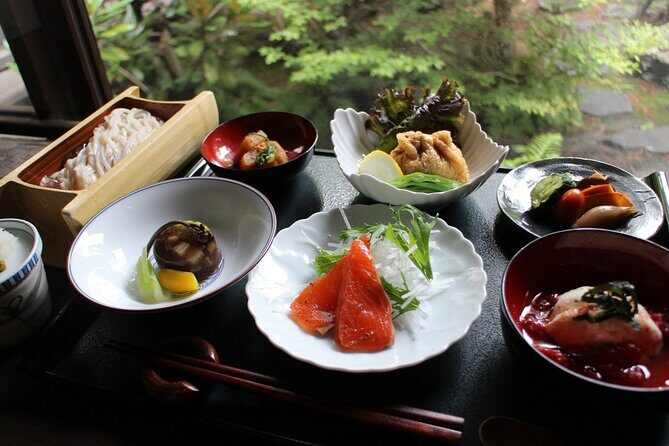
This is a 3-hour class, and the pacing matters. You start with a tour of the home—traditional items stored in the Kura, old tools, and the background behind how this merchant home lived. Then you move into cooking, with aprons and other tools provided. You don’t need to bring anything specific for the class itself.
Once you’re cooking, you’re guided through the steps for your chosen course. The instruction includes not only the basics like Dashi, but also how to handle local ingredients in the way the dishes call for. The goal is that you’ll finish with both a plate of food and the ability to repeat the method at home.
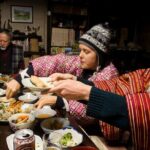
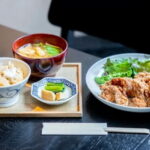
Lunch is built into the experience. You’ll eat on top of what you cook during the class—so your meal isn’t just a sample portion. Included lunch also comes with other dishes plus noodles or rice and dessert. That’s a big deal for value and for satisfaction, because you leave fed, not “still hungry but inspired.”
If you’re the type who likes your cultural experiences to end with a real meal, this format will fit you well. It’s not a demo where you watch and then hope the dinner is good elsewhere. Your cooking leads directly into what you eat.
Shinano-Ōmachi’s food story: cold climate, salt roads, and smarter diets
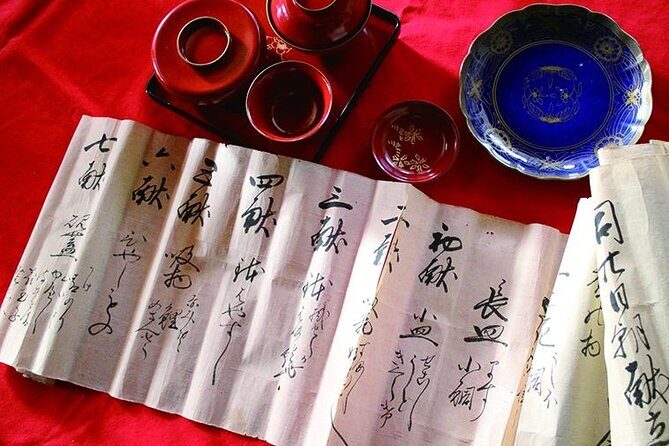
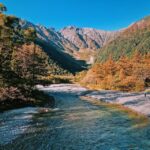
Nagano’s interior food culture is different from what many people expect from Japan. Here, Shinano-Ōmachi sits at the bottom of the Northern Japanese Alps in a cold climate. That climate shapes what ingredients are available and what preservation and winter-friendly foods make sense.
The region also has a historic role as a stopover point on the Salt Road. That route connected the Sea of Japan with the middle of Honshu, so goods moved through local communities and helped define what people ate. It’s the kind of history that influences ingredients and flavors over generations.
This cooking class uses that background to make the dishes feel grounded. You’re not only learning recipes; you’re learning the “why” behind the local food culture. And the class messaging connects regional eating with sustainable and healthy Japanese diets, which lines up with how many Japanese cooking traditions emphasize seasonality, balance, and practical ingredient use.
Even if you’re just in town for a short time, that context helps you appreciate what’s in front of you. It changes the experience from taste-testing to understanding. And when you get that, Japanese cuisine tends to feel more enjoyable at every other meal you eat afterward.
A few more Nagano tours and experiences worth a look

Price and logistics that actually matter
Let’s talk value. The price is $104.05 per person for an English, 3-hour private class in a traditional house setting. What makes that number easier to accept is that your fee covers:
- aprons and cooking tools
- a full lunch experience based on what you cook
- additional dishes, noodles or rice, and dessert
- recipes you can take home
- course options (Traditional Local Food, Temari Sushi, Shabushabu)
- vegetarian and vegan adjustments
In other words, you’re paying for instruction plus ingredients and meals, not just a short demonstration.
Logistics are also straightforward. You meet at Shinano-Ōmachi Station (Omachi, Nagano 398-0002, Japan). The experience ends back at the meeting point. It’s near public transportation, and you get a mobile ticket. It’s also private, meaning only your group participates.
One timing note: the listed opening window is Monday 11:00 AM to 2:00 PM across the date ranges given. Plan around that rhythm, because if your schedule doesn’t match Monday, you may need a different day or a different activity.
Who this class suits best (and who should think twice)
This experience is a great fit if you want a hands-on meal with local context. Choose it if you like:
- learning core Japanese technique like dashi
- cooking with regional ingredients, not just generic supermarket items
- eating lunch included with dessert, not only tasting a small sample
- small-group energy in a traditional home setting
- taking home a recipe you can repeat
It’s also a strong option for couples and small groups, since it’s private and you’ll share the space with only your group. And if you have dietary needs, the recipes can be adjusted for vegetarians and vegans, which keeps the experience more inclusive.
The only real “think twice” factor from the setup is the second-floor location for the cooking area. If stairs are difficult for you, this detail matters. Otherwise, it’s a smooth, food-first plan with a cultural background you can actually feel while you cook.
Should you book Yuka’s Japanese Cooking Class in Nagano?
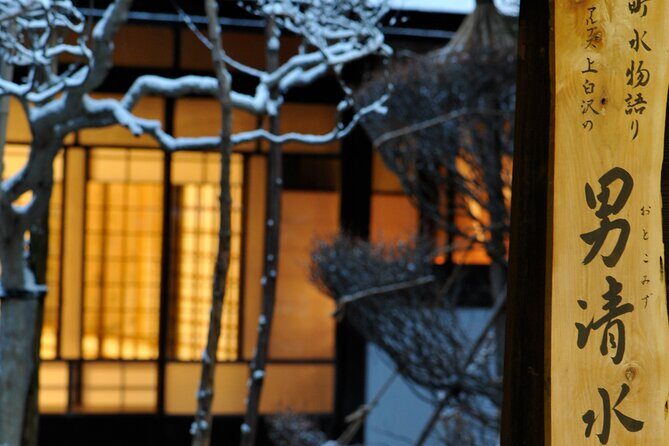
If you’re choosing between a quick food stop and a real cooking session, I’d book this. The combination of a historic 130-year-old Machiya home, a structured teaching format in English, and a lunch that goes beyond a snack makes the experience feel complete. The most praised elements—Yuka leading the class, the authentic home setting, and the delicious lunch—are exactly what you’d want from a cooking class in this region.
Book it if you want practical skills (like dashi), a taste of Shinano-Ōmachi’s ingredient culture, and recipes you can use later. Consider it less if you need a strictly low-stairs plan, since the cooking space is on the second floor.
FAQ
Where is the meeting point?
You’ll meet at Shinano-Ōmachi Station in Omachi, Nagano 398-0002, Japan.
How long is the cooking class?
The class runs for about 3 hours.
Is the class taught in English?
Yes, the experience is in English.
Is this a private experience?
Yes. It’s private, and only your group participates.
What’s included in the price?
Aprons and other cooking tools are included, and lunch is included with what you cook during the class plus other dishes, noodles or rice, and dessert.
What do I need to bring?
You don’t need to bring anything specific for the class because aprons are provided.
What course options can I choose?
You can choose one of three: Traditional Local Food Course, Temari Sushi Course, or Shabushabu Course.
Do you adjust recipes for vegetarians or vegans?
Yes. Recipes are adjustable for vegetarians and vegans.
Are alcoholic drinks included?
No. Alcoholic beverages are optional for those over 20, and sake is listed as an optional add-on.
What is the cancellation policy?
Free cancellation is available up to 24 hours in advance for a full refund.