REVIEW · OKAYAMA
Okayama Castle Admission Ticket
Book on GetYourGuide →Operated by GlobalTix JP · Bookable on GetYourGuide
Okayama Castle is small, but it’s full of story. It’s also one of those places where the exterior turns you into a photographer before you even reach the ticket gate. I especially like the bold black Crow Castle look paired with the gold leaf tiles, and I like that the inside focuses on Warring States and Edo-period themes rather than just empty halls.
The main thing to consider is language. A couple of visitors noted that the information you’ll see inside is mostly in Japanese, so you may need to rely on your own translation skills to get the most out of the exhibits.
Key takeaways before you go
- Crow Castle black walls and gold leaf tiles make the photos feel instantly rewarding
- Warring States + Edo exhibits give you clear historical focus in a short visit
- A reconstructed tower (rebuilt in 1966) shapes what you’ll experience inside
- Souvenirs and a castle café add an easy break without leaving the grounds
- Viewing from the top may be more limited than some other famous Japanese castles
In This Review
- Crow Castle’s black-and-gold style: why the outside hits first
- From Ukita Hideyoshi to Toyotomi Hideyoshi: the build that created the premise
- Getting inside: Warring States and Edo-period exhibits that actually stay on topic
- The tower experience and photo stops: enjoy what you can, know what to expect
- Souvenirs inside the castle: small, original, and easy to choose
- The castle café and local sweets: a break that fits the pacing
- Price and value: $2.58 for a focused castle stop that still feels complete
- Best for: history-minded photographers and short-attention museum fans
- A simple game plan for your visit
- Should you book this Okayama Castle admission ticket?
- FAQ
- Where do I redeem my admission ticket for Okayama Castle?
- How long is the Okayama Castle admission ticket valid?
- How much does standard admission cost?
- Who can use the adult, child, and free admission categories?
- Is the ticket refundable if I change plans?
- What can I see inside the castle?
- Is there anything to do besides exhibits?
Crow Castle’s black-and-gold style: why the outside hits first
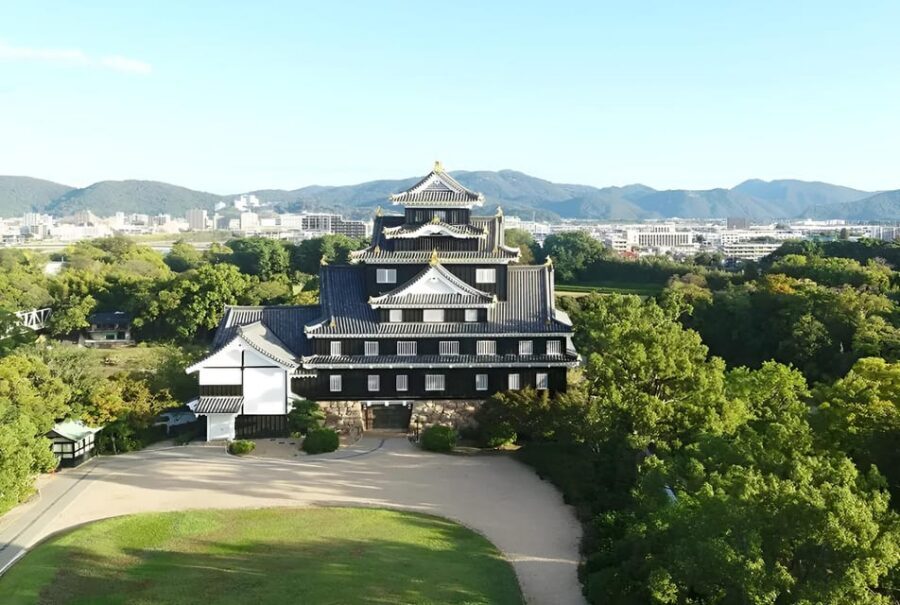
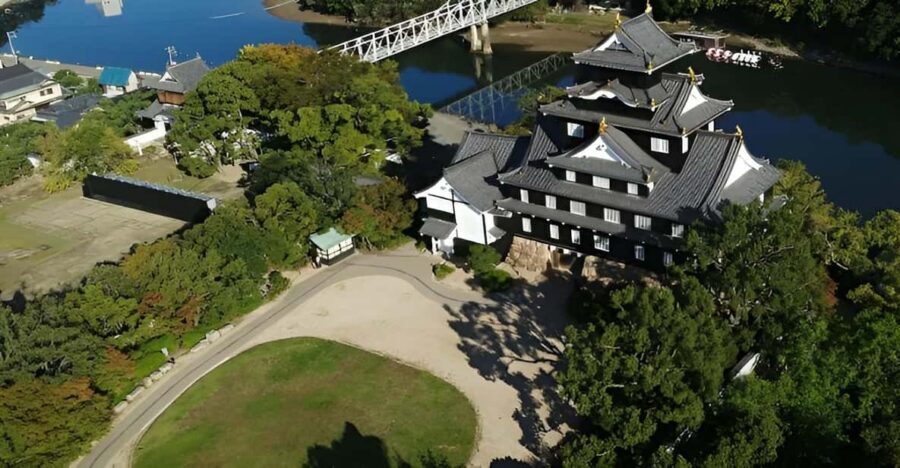
Okayama Castle earns its nickname fast. The exterior is built around dark, black-looking walls—so people call it Crow Castle—and the gold leaf tile detailing gives you that instant “Golden Crow Castle” effect. Even if you’re not a castle expert, that contrast makes the whole place feel intentional and easy to frame in photos.
What I like about that approach is how it sets expectations. You’re not walking into a vague monument; you’re walking into a visual theme. If you enjoy architecture and design details, you’ll probably spend time just walking the perimeter, lining up shots of the tower and the tilework.
The other upside: you don’t need hours to appreciate it. This isn’t a multi-day castle complex. You can have a meaningful visit even if you only have time for a short stop in Okayama.
From Ukita Hideyoshi to Toyotomi Hideyoshi: the build that created the premise
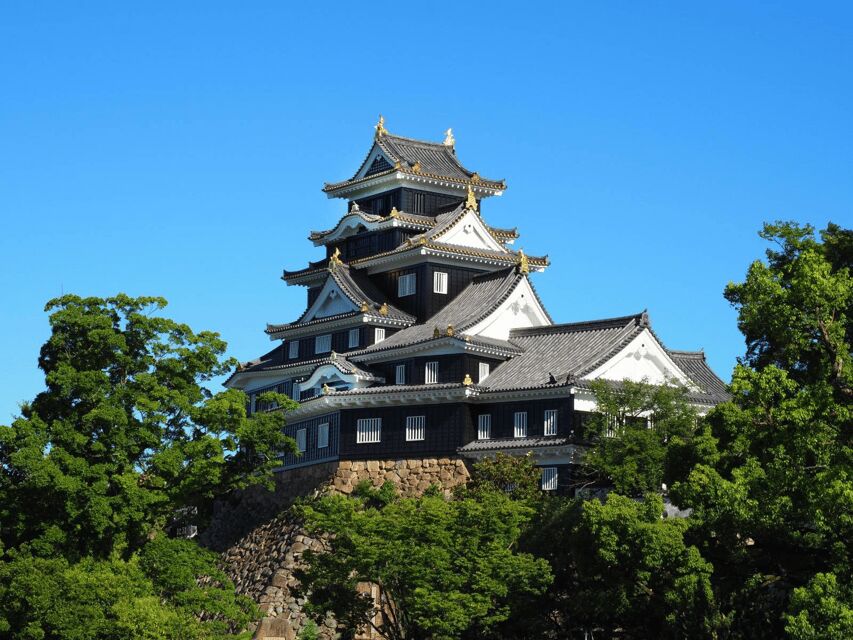
The castle’s story begins with political ambition. Okayama Castle was originally built by daimyo Ukita Hideyoshi to support Toyotomi Hideyoshi’s efforts to unify Japan, and it was completed in 1597. That matters because it explains why the castle is more than scenery. It’s built in a period when power, logistics, and visibility all mattered.
The timeline also helps you understand what you’ll see today. The castle tower was damaged during wartime, and the tower you visit was reconstructed in 1966 (Showa 41). That’s why some visitors describe the inside as a bit more “controlled” or subdued compared with what you expect when you first see the dramatic exterior.
Still, the reconstruction approach can be a plus if you like visitor-friendly museums. The exhibits are arranged so you can learn the basics quickly—especially around how the castle functioned and what the site represents across different eras.
You can also read our reviews of more tours and experiences in Okayama.

Getting inside: Warring States and Edo-period exhibits that actually stay on topic
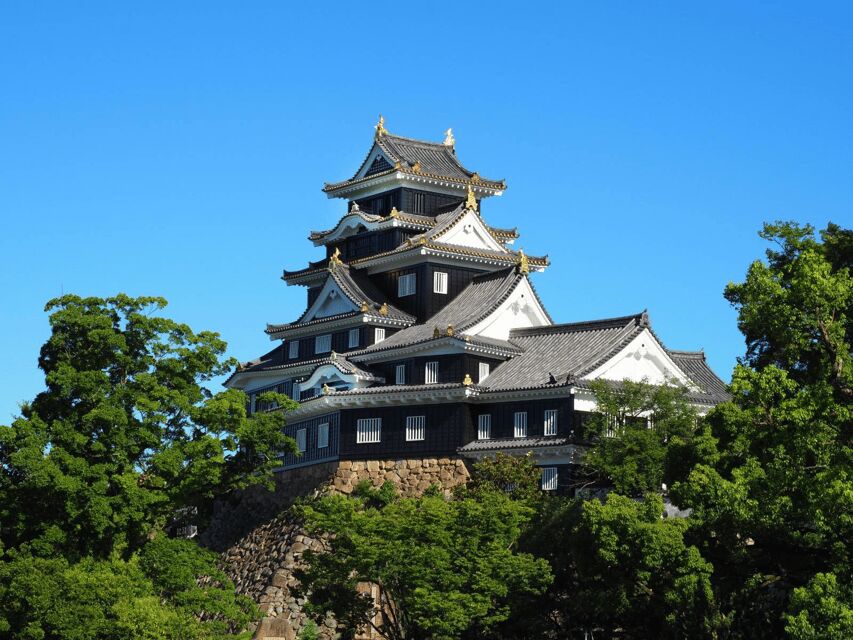
Once you’re through the admission gates, the experience is straightforward: exhibits focused on the Warring States and Edo-period eras, plus displays tied to the castle’s construction and purpose. This is one of the best kinds of “short visit” museum setups. You get historical context without needing to chase ten different themes.
From the feedback I saw, the interior experience can feel more sober than the outside. That doesn’t automatically mean bad. It usually means the pacing is calm, and the presentation is more informative than theatrical. If you want a dramatic, immersive experience with lots of spectacle, you might find it less intense than other major attractions. If you’re okay with a focused museum-style visit, the tone should work for you.
One more practical consideration: signage and explanations are largely in Japanese, according to visitor comments. If you read Japanese, you’ll likely feel fully in control of the story. If you don’t, I’d still go—just plan your strategy. Pick one or two exhibit areas that match your interest (Warring States warfare themes, or Edo daily-life artifacts), then use your translation tools sparingly to decode the key labels.
The tower experience and photo stops: enjoy what you can, know what to expect
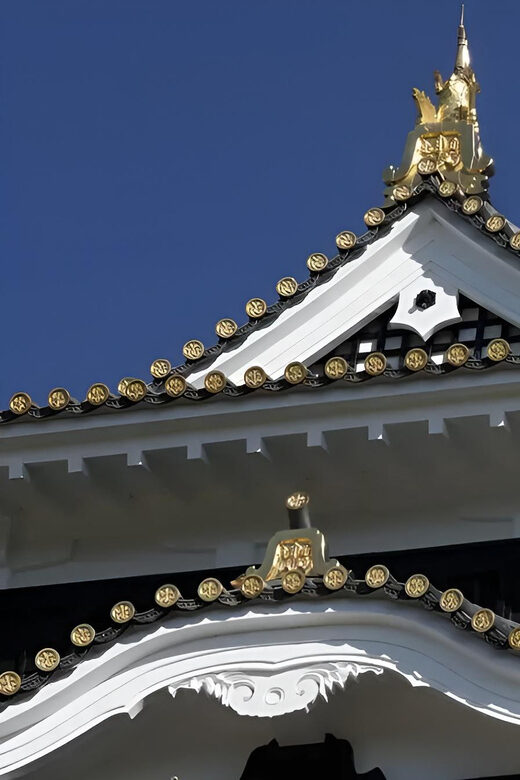
A big part of this ticket is access to the castle tower area and the on-site photo moments. Okayama Castle is the kind of place where you can take satisfying pictures without needing special angles or long detours.
That said, there’s a reality check worth making. One review mentioned that the top viewing experience isn’t as open as at some other famous castles (they compared it to Hiroshima Castle). I wouldn’t treat that as a deal-breaker, but it’s useful guidance: if your main goal is a wide panorama from the highest point, you might come away wishing for a more expansive view.
My advice is to treat the tower as a photo-and-exhibit stop rather than a “nature viewpoint.” You’ll get the most out of it by slowing down for detail shots—texture of walls, tile patterns, and the tower silhouette—then shifting back to the exhibits.
Also, if you’re visiting in busy hours, be flexible about when you take your top-area photos. The castle is popular enough that you’ll likely share space.
Souvenirs inside the castle: small, original, and easy to choose
After exhibits, you’ll want something tangible. Okayama Castle includes time for browsing original souvenirs, and that’s where the visit becomes more useful for everyday travel memories.
Souvenir shopping is also a good way to regain control if you can’t read all the exhibit text. You can walk slower, compare items, and pick one or two things that match what you saw. Even when history museums don’t fully land due to language, a good souvenir shop helps you leave with something that anchors the memory.
One visitor also praised the on-site experience as well-run and recommended the stop, which aligns with what you’d hope for at a place with reopened facilities. When a museum is organized and staff are attentive, it makes the whole ticket feel like a win even if your reading ability is limited.
The castle café and local sweets: a break that fits the pacing
You don’t have to plan a separate snack stop off-site. The castle grounds include a café where you can enjoy locally-inspired sweets. This is a small detail, but it matters in practice because it matches the rhythm of the visit.
A castle ticket can turn into a “read everything, then rush out” situation. Having a café built into the experience gives you a moment to reset. You can sit, people-watch, and switch from history-mode to taste-mode.
If you’re traveling with someone who isn’t excited by museum exhibits, the café can be the compromise. And if you’re traveling solo, it’s a nice way to slow down after you’ve walked the main areas.
Price and value: $2.58 for a focused castle stop that still feels complete
Let’s talk money, because this ticket is priced low for what you get. At about $2.58 per person, standard admission is a bargain in the sense that you’re paying for entry to a famous castle site, not for a long day of transportation time.
What makes the value feel real is the structure. Your visit isn’t just wandering. You’re guided by what’s on display: Warring States and Edo-period items, construction context, and photo opportunities. Then you can finish with shopping and sweets without needing extra admissions or a separate plan.
The one caution is how you define a “complete” visit. This castle is not trying to be a giant, all-day theme park. One review called the visit short but fine. That matches the best way to think about it: treat it as a satisfying stop, not an all-day destination that will replace bigger museums.
If you’re building an itinerary around Okayama Castle and you want to stretch the day, pair it with another attraction in town. If you’re simply passing through and want a meaningful cultural stop without overcommitting time, this ticket fits that perfectly.
Best for: history-minded photographers and short-attention museum fans
This ticket makes sense if you like:
- Castle architecture and exterior details, especially the black-and-gold aesthetic
- Focused museum exhibits tied to specific Japanese periods
- A visit that can fit into a half-day or “one strong stop” plan
- Shopping and snacks that don’t require extra logistics
It may not be the best match if your top priority is:
- An all-day lineup of major interactive experiences
- English-heavy interpretive text
Language is the main limiter. Still, you can work around it. Look for object displays that are visual, and spend your effort on the exhibit areas that interest you most. You’ll leave with a strong sense of the castle theme even if you only catch parts of the commentary.
Also, remember the tower you’re seeing is reconstructed. That doesn’t reduce the value, but it does affect expectations. Think of this as a museum-built experience anchored to a historic site, not as a time capsule of untouched original rooms.
A simple game plan for your visit
Here’s the way I’d plan it to get the most out of limited time.
First, start with the exterior. Take a few photos early so you’re not rushing at the end. Then go inside and pick one primary focus: Warring States artifacts and themes, or Edo-period exhibits. That keeps you from feeling lost in a lot of text.
Next, move through the construction-related displays at an unhurried pace. Even if the language is challenging, the visuals can help you connect the story to what you’re seeing in the tower.
Finally, end with souvenirs and the café. It’s a natural closing loop: learn the history, then take home something small, then cool down with sweets.
If you’re a detail photographer, give yourself a little extra time around the photo areas so you don’t have to settle for mediocre shots.
Should you book this Okayama Castle admission ticket?
I’d book it if you want a low-cost, high-style castle visit where the priority is architecture, period exhibits, and an easy finish with shopping and sweets. The pricing makes it easy to justify, and the interior is focused enough that you can enjoy it even in a short time window.
Skip or reconsider if you’re expecting lots of English interpretation, a huge amount of content, or a top-view panorama that feels like a postcard you can shoot without limitations. In that case, you may be happier adding a different attraction to your day, using this as a quick visual stop only.
If you want the best odds of satisfaction, go prepared to enjoy the castle even when language is a barrier. Focus on the big visual storytelling elements, then let the souvenirs and café wrap the experience up nicely.
FAQ
Where do I redeem my admission ticket for Okayama Castle?
Proceed directly to the entrance on the day of your visit for redemption. The listed coordinates are 34.6651878, 133.9360657.
How long is the Okayama Castle admission ticket valid?
The ticket is valid for 1 day.
How much does standard admission cost?
The price is listed as $2.58 per person.
Who can use the adult, child, and free admission categories?
An adult ticket is for age 15 and older. A child ticket is for ages 6–14. Children below 6 years old can enter for free.
Is the ticket refundable if I change plans?
No. This activity is non-refundable.
What can I see inside the castle?
Inside, you can explore exhibits focused on the Warring States and Edo periods, learn about the castle’s construction, and view items related to the castle’s story.
Is there anything to do besides exhibits?
Yes. You can take commemorative photos, shop for original souvenirs, and enjoy sweets at the on-site café.