REVIEW · KYOTO
Private Kyoto Geisha Districts Walking Tour
Book on Viator →Operated by Beauty of Japan · Bookable on Viator
Kyoto turns romantic fast when you walk. This private 4-hour route strings together Kennin-ji Temple and Kyoto’s classic geisha districts with an English-speaking local guide who points out what most people miss. I also like that one stop includes a temple/shrine entrance ticket, so you get real access without fuss. One thing to keep your expectations grounded: the tour doesn’t guarantee you’ll see or meet geisha or maiko.
If you want Kyoto to feel like a place you understand—not just a place you pass through—this is a smart way to do it. You cover the lantern-lit alley energy of Pontocho, then shift to the quieter, more old-stone feel of Miyagawacho before spending time in Gion’s famous lanes.
The only real trade-off is weather and timing. It’s a walking tour, and it can be adjusted based on the day’s conditions, so you’ll want comfortable shoes and a plan for rain.
In This Review
- Key Things I’d Watch For
- Price and What You’re Really Paying For
- Starting in Gion-Shijo: Getting Your Bearings Fast
- Kennin-ji Temple: Zen Origins, Gardens, and a Straight 45-Minute Hit
- Pontocho’s Lantern Alleys: Street-Level Kyoto Between River and Lanes
- Miyagawacho Koan: The Maiko and Geisha Zone (With Seasonal Notes)
- Gion Time: From Famous Lanes to Gojyorakuen’s Story
- What the Guides Actually Add (Koichiro, Mickey, and Yuko)
- Timing, Weather, and Why It Matters More Than You Think
- Should You Book This Kyoto Geisha District Tour?
- FAQ
- FAQ
- How long is the Private Kyoto Geisha Districts Walking Tour?
- Where do we meet, and where does the tour end?
- What is included in the ticket price?
- Is lunch included?
- Does the tour guarantee you will see or meet geisha?
- Is the tour private?
- What happens if the tour is canceled due to poor weather?
- When will I get confirmation after booking?
Key Things I’d Watch For
- Kennin-ji Temple in 45 minutes: enough time for the gardens and key context, with one admission fee included
- Pontocho’s narrow alley spacing: you’ll get a river-adjacent view of Kyoto at street level
- Miyagawacho Koan and seasonal performances: spring timing can bring Miyako Odori into the conversation
- Gion’s “three famous districts” approach: more than one stop name on a map
- Geisha sighting is a maybe: the tour helps your odds, but it isn’t a promise
- Guides who steer you off autopilot: names like Koichiro, Mickey, and Yuko come up for a reason
Price and What You’re Really Paying For

At $234.11 per person, this tour isn’t a bargain-basement stroll. But you are buying something more specific than walking through a neighborhood on your own: a private format, an English-speaking guide, and built-in structure so you hit the right streets in the right order.
The value comes from two practical things. First, it’s a guided route that links cultural context (Zen history at Kennin-ji) with the visible “stage set” of Kyoto’s geisha districts (Pontocho, Miyagawacho, and Gion). Second, you’re only paying for one entrance ticket on the temple/shrine side—everything else is walk-and-look territory.
Also notice the pace: about 4 hours total, with about an hour and change dedicated to temples/alleys before you get your longer stretch of Gion time. That timing matters because Kyoto’s narrow streets don’t reward rushing. You want enough minutes to slow down, look up, and understand what you’re seeing.
You can also read our reviews of more walking tours in Kyoto



Starting in Gion-Shijo: Getting Your Bearings Fast
Your tour begins at Gion-Shijo Station and returns to the same meeting point. That loop is surprisingly helpful. Kyoto streets can be confusing, and Gion especially can feel like a maze once you’re inside the lanes. Having the tour end back where it started means you won’t be stuck with the “now what?” moment—at least not right after the walking part.
Because it’s near public transportation, you can build it into a day without needing taxis or long transfers. And since the tour is private, your group won’t get swallowed by crowds the way some group tours do. That matters when you’re trying to hear the guide and actually process what’s in front of you.
One more practical note: the itinerary can change based on actual day conditions. That’s not a flaw; it’s a realistic feature for a walking day. Weather, foot traffic, or local circumstances can shift where and how you move.
Kennin-ji Temple: Zen Origins, Gardens, and a Straight 45-Minute Hit
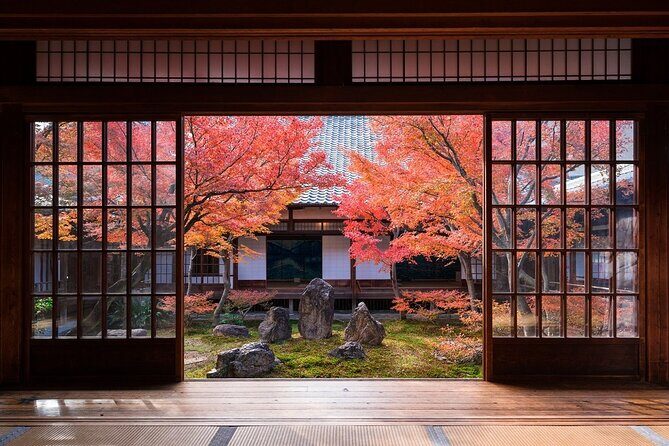
The tour’s first stop is Kennin-ji Temple, one of Kyoto’s oldest Zen temples, founded in 1202 by the monk Eisai. It’s closely tied to the Rinzai sect of Zen Buddhism, which is a key thread if you want to understand why Kyoto’s temple culture feels the way it does.
In about 45 minutes, you’re not going to master Zen philosophy—but you will get the basics that make the garden and grounds make sense. Think of this as orientation with atmosphere. You’ll walk in with historical context, not just scenery. And since this is the one place where admission is included, you avoid the common headache of paying twice or trying to figure out ticketing when you’re already on a tight schedule.
The possible drawback here is also simple: 45 minutes goes quickly. If you’re the type who likes to linger at every corner, plan to do a follow-up visit later with extra time. On a walking tour day, you’re choosing breadth over deep study—and that’s usually a good trade in Kyoto.
Pontocho’s Lantern Alleys: Street-Level Kyoto Between River and Lanes
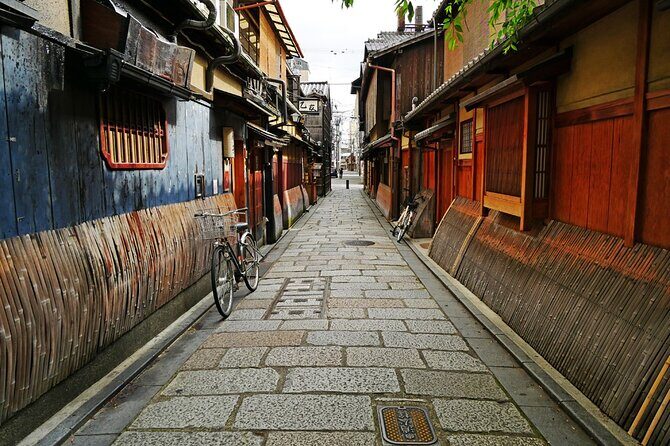
Next you’ll head to Pontocho, the classic alley area between the Kamogawa River and Kiyamachi Street. This is where Kyoto’s “postcard” look starts to feel real. The area is known for traditional wooden buildings and narrow lanes, and even without any staged performance, the atmosphere does most of the work.
You get about 30 minutes here. That’s short enough to keep the pacing lively, but long enough to notice details: the way the alley funnels your view, how the river-edge setting changes the mood, and how the street layout pulls you along without you realizing it.
If you’re visiting in busy seasons, the main thing to watch is congestion. Narrow alleys don’t like crowds, and Pontocho can get packed. The guide’s value is that they can help you move efficiently through the space so you’re not just stuck behind other people with nowhere to turn.
Miyagawacho Koan: The Maiko and Geisha Zone (With Seasonal Notes)
Your third stop is Miyagawacho Koan, a district closely associated with geisha and maiko culture. This is also where seasonal timing can matter. The tour description points to spring Miyako Odori dance performances as a major seasonal highlight that may connect to what’s happening in the area.
Here’s the key thing to understand: this is a culture space, not just a photo stop. The streets are stone-paved and the area is known for that older Kyoto feel. The guide can help you read the signs of what’s going on—events, rhythms of the streets, and what to keep an eye out for.
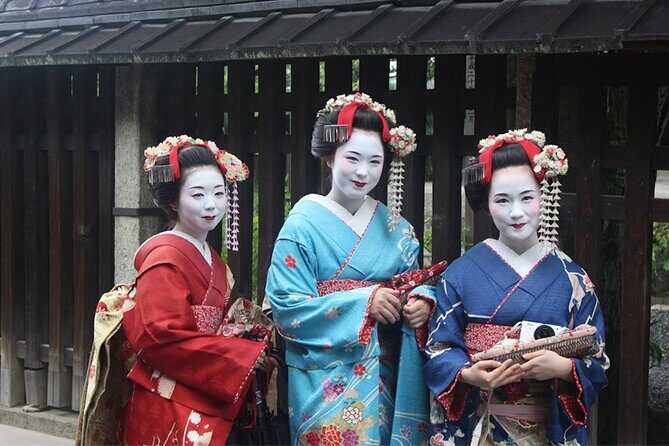
One big consideration, and it’s worth repeating: the tour does not guarantee you’ll see or meet geisha. You might catch a glimpse. You might not. That’s not the tour “failing”; it’s just how Kyoto works. People live here, and geiko and maiko visibility isn’t something a tour can control.
Still, a good guide helps you maximize your odds respectfully: where to stand, when to look, and how to avoid the common tourist missteps that ruin both the experience and the vibe.
You can also read our reviews of more private tours in Kyoto



Gion Time: From Famous Lanes to Gojyorakuen’s Story
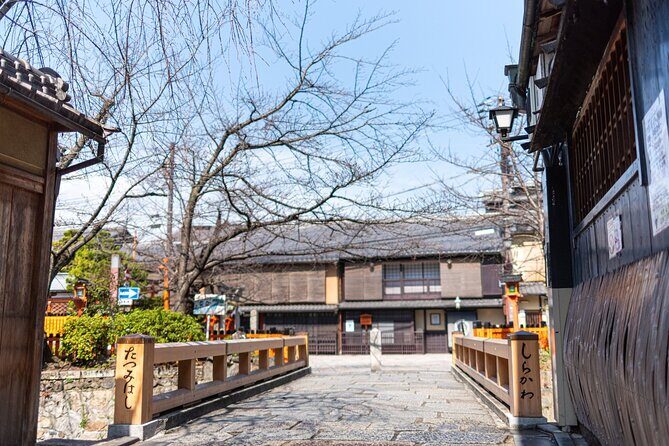
The longest stop is Gion, scheduled for about two hours. This portion is built around the most famous geisha districts, with time spent walking pathways connected to the history of the area, including Gojyorakuen, once described as the most notorious red light district.
This is where the walk becomes more than aesthetic. The guide’s job is to give you context you can carry with you as you pass establishments and streets that have been part of Kyoto’s social world for a long time.
Two hours is a solid chunk, and it’s enough to slow down without falling behind. You can absorb the street shapes, shop-front styles, and the way the neighborhood transitions as you move deeper into the lanes.
The main limitation is physical: you’re on your feet for a long stretch. Bring shoes you can handle for hours. Also keep an eye on weather—Kyoto rain turns stone and narrow lanes slick fast. If conditions force adjustments, you’ll likely shift how you move through the area rather than canceling the whole day.
What the Guides Actually Add (Koichiro, Mickey, and Yuko)
The biggest common thread in the experiences shared about this tour is the guiding style—people come away feeling cared for and taught, not just routed.
Guides named Koichiro, Mickey, and Yuko are specifically mentioned as informative and attentive. That’s a big deal because geisha districts aren’t just about spotting famous figures. They’re about understanding how the neighborhood functions, what you can reasonably expect to see, and how to notice the details that make Kyoto feel lived-in.
One standout detail from the experience descriptions: at least one group reported seeing three geisha, which the guide said was rare on their tour. That doesn’t mean sightings are guaranteed, but it does underline what a guide can do—position your attention, time your stops well, and keep the group moving with purpose.
Also, punctuality and smooth handling matter on a walking day. If the guide keeps the group on track, you get more looking time and less waiting around.
Timing, Weather, and Why It Matters More Than You Think
This is a walking tour, and it requires good weather. The experience provider notes that if it’s canceled due to poor weather, you’ll be offered a different date or a full refund. That’s the practical side of Kyoto walking—stone streets and alley weather can make a big difference.
Itinerary changes can also happen based on actual day conditions. That means you should think of it as a guided route with flexibility, not a rigid script.
My advice: plan this tour on a day when you’re not also trying to stack heavy sightseeing blocks. Give yourself buffer time to return to the station area and regroup afterward. Kyoto mornings and afternoons can shift quickly, and you’ll enjoy the walk more if you aren’t racing to catch trains or meet other plans.
Should You Book This Kyoto Geisha District Tour?
Book it if you want a structured way to see the Kennin-ji Temple-to-Gion arc without turning your day into a self-guided puzzle. The private format, the English-speaking local guide, and the mix of temple culture plus street-level geisha districts are a strong combo.
Also book it if you enjoy details: history tied to spaces, not just names on a sign. This tour works well for couples, families, and anyone who wants Kyoto to feel contextual. One family experience highlighted how much insights helped them notice what they would have otherwise missed, including the luck of seeing maiko.
Skip it (or hold looser expectations) if your main goal is a guaranteed geisha or maiko encounter. This tour explicitly does not promise sightings. You’re coming for the guided understanding and the chance to look—and the odds are better with a guide, but they’re still odds.
If you like your Kyoto days calm and meaningful, this one fits.
FAQ
FAQ
How long is the Private Kyoto Geisha Districts Walking Tour?
The tour lasts about 4 hours.
Where do we meet, and where does the tour end?
The tour starts at Gion-Shijo Station and ends back at the meeting point.
What is included in the ticket price?
An English-speaking local guide is included, and temple/shrine entrance fees are included for one location.
Is lunch included?
No. Lunch, food, and drinks are not included.
Does the tour guarantee you will see or meet geisha?
No. The tour does not guarantee you see or meet geisha during the tour.
Is the tour private?
Yes. It’s a private tour/activity, so only your group participates.
What happens if the tour is canceled due to poor weather?
If the experience is canceled due to poor weather, you’ll be offered a different date or a full refund.
When will I get confirmation after booking?
Confirmation is received within 48 hours of booking, subject to availability.