REVIEW · KANAZAWA
Kanazawa: Sushi & Japanese Cooking Class at a Historic School
Book on Viator →Operated by Nakata cooking school · Bookable on Viator
Knife skills meet sushi in Kanazawa. This hands-on class at a long-running culinary school near Kanazawa Station turns you into the cook, with real-time AI translation and a menu built around local ingredients. The main catch: it cannot accommodate vegan diets or people avoiding fish-based dashi.
You’ll spend about 2.5 hours making five dishes, then sit down to eat everything you made. It’s small too, with a max of 8 people, so the chef can guide you bite-by-bite rather than racing through a show.
In This Review
- Quick hits
- From Kanazawa Station to a Chef-Mode Kitchen in 3 Minutes
- The 2.5-Hour Menu: 5 Dishes You’ll Actually Make
- Dashi, Tamago, and Sushi Skills: What to Focus On
- Dashi: the stock that quietly runs the show
- Dashi-maki tamago: fluffy rolls, not just an omelet
- Nigiri sushi: portioning and shaping matter
- Jibuni in Kanazawa: Why This Chicken Stew Is Worth Learning
- Knives, Photos, and Your Completion Certificate
- Price and Value: Is $99.10 a Good Deal?
- Logistics That Actually Matter: Small Group, Timing, and Translation
- Who Should Book This Kanazawa Cooking Class?
- Should You Book This Kanazawa Cooking Class?
- FAQ
- What is the duration of the cooking class?
- How many dishes will I cook during the class?
- Is the class hands-on or just a demonstration?
- Do you provide English translation?
- Where do I meet for the class?
- What ingredients are used for the sushi?
- What about food allergies or dietary restrictions?
- Is there a tasting or drinks included?
- Can I get a refund if I need to cancel?
Quick hits
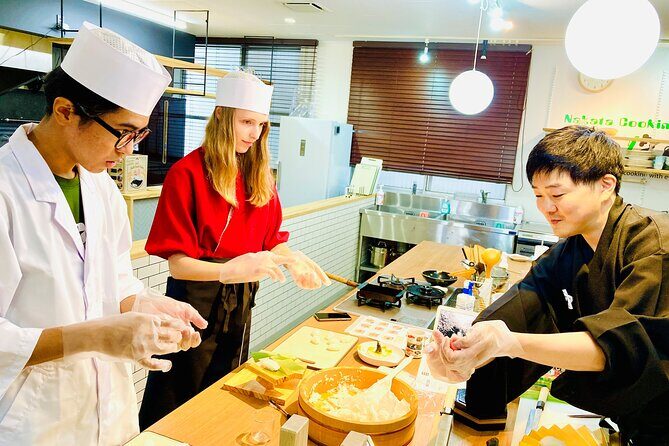
- Historic school, 2.5-hour hands-on format: You cook every dish, not watch one.
- AI voice and text translation on a big screen: Communication stays smooth, even when the chef cracks jokes.
- Kanazawa specialties on the menu: Sushi plus Jibuni, a chicken stew with samurai-era roots.
- Premium seafood sourcing: Sushi uses wild fish from Omicho Market, a key local food hub.
- Practical skills you can repeat at home: Dashi-maki tamago, dashi broth, and more.
- Photos + completion certificate: You get a name-printed certificate and images from your session.
From Kanazawa Station to a Chef-Mode Kitchen in 3 Minutes
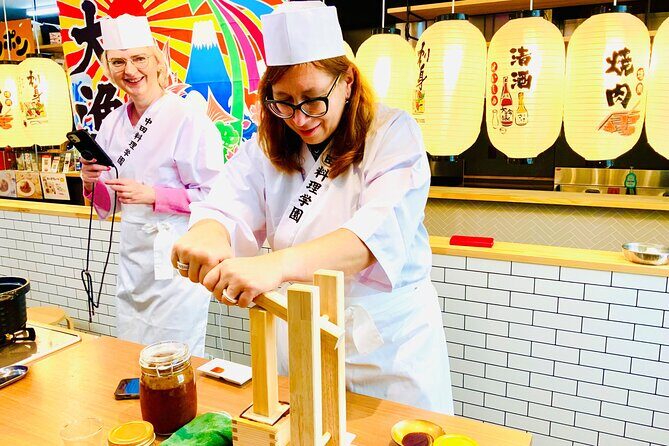
This class is easy to plug into a busy Kanazawa day because the meeting point is close to Kanazawa Station—about a 3-minute walk. You start at Nakata Cooking School and Knife Shop (by appointment only), on the second floor at Konohanamachi. Even if you’re jet-lagged, you’re not fighting transit time first.
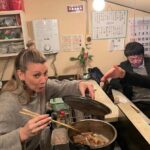
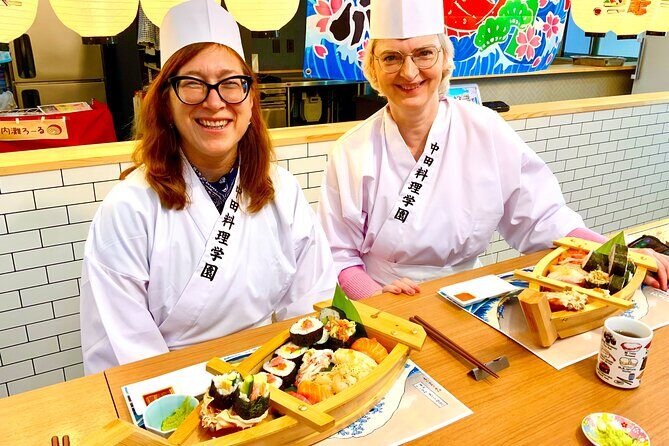
Once you arrive, you change into a sushi chef uniform and work from a real cooking setup with premium tools. The kitchen itself is described as warm and welcoming, and that matters more than it sounds: you’ll be handling knives, shaping sushi, and working with hot components, so comfort and clear station space help a lot.
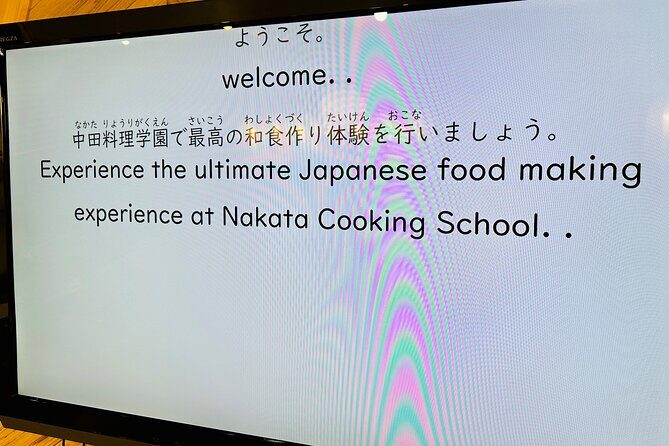
What I like most is that the class doesn’t treat language as the main barrier. The chef’s instruction is paired with real-time AI translation (voice and text) on a large screen. That means you can follow step-by-step actions without constantly guessing, and the chef’s humor still lands instead of getting lost.
You can also read our reviews of more historical tours in Kanazawa


The 2.5-Hour Menu: 5 Dishes You’ll Actually Make
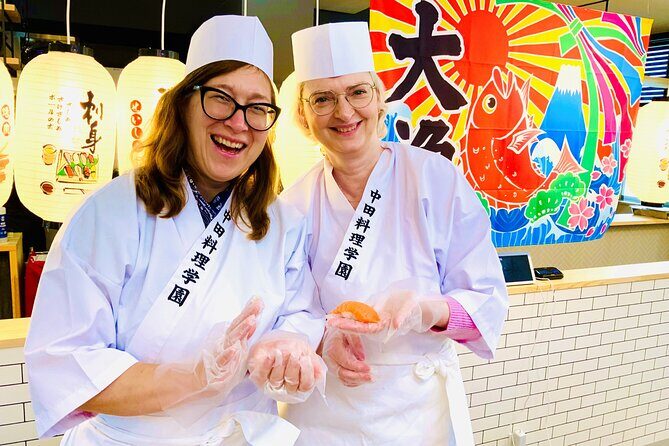
You’ll cook a full set of five dishes with guidance at each step. The idea is simple: Japanese cooking is technique-heavy, so you learn the methods, not just the final plate.
Here’s what you’ll make:
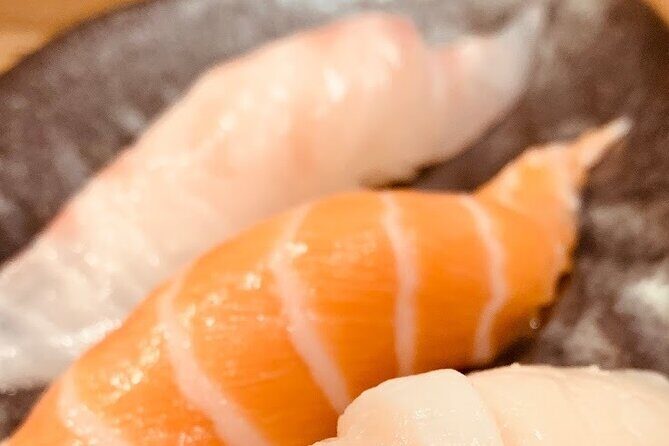
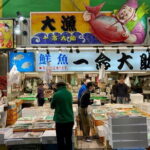
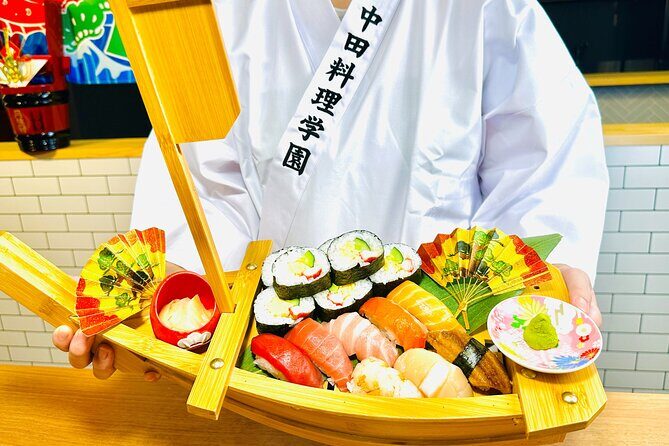
- Nigiri Sushi using wild fish sourced from Omicho Market
- Jibuni, Kanazawa’s signature chicken stew
- Dashi-maki tamago, a soft rolled omelet using a Michelin-style approach
- Dashi broth, traditional bonito and kelp stock
- A seasonal side dish and miso soup
In a lot of cooking classes, miso soup is treated as an afterthought. Here it’s part of the full meal structure, so you get the rhythm of a Japanese home-style spread: soup for warmth, stew for comfort, sushi for texture, and tamago for that lightly sweet, custardy bite.
And yes, you’ll taste everything you prepare. After the cooking, you also get a small aperitif—Kanazawa plum wine or local sake—so the meal feels complete rather than like a class snack.
Dashi, Tamago, and Sushi Skills: What to Focus On
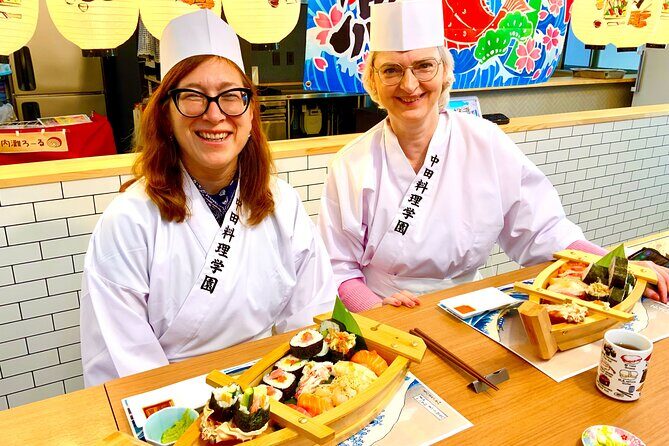
If you’re wondering what the real value is, it’s the repeatable technique. The menu is built to teach you a few core Japanese foundations, and then connect them to specific dishes.
Dashi: the stock that quietly runs the show
You’ll make dashi broth from bonito and kelp. Even if you’ve eaten Japanese food a hundred times, dashi is one of those flavors you usually can’t recreate from memory. Seeing the process (and understanding what it’s doing) helps you connect the taste of soup, stew, omelet, and other dishes to the same underlying base.
Dashi-maki tamago: fluffy rolls, not just an omelet
The dashi-maki tamago is where technique really shows. The chef teaches how to roll it into soft layers rather than a firm scramble. The Michelin-style recipe is included as part of the instruction, and the goal is a texture that’s tender and cohesive. You’ll get hands-on time to practice the timing that makes it work.
A side note from class experiences: Japanese knife details and small presentation rules often show up during the session. For example, one class example includes learning how to carve a star pattern on the top of mushrooms for eye appeal, rather than treating ingredients as throw-in items. That mindset—care + intention—is exactly what you’ll feel in the cooking.



Nigiri sushi: portioning and shaping matter
With nigiri sushi, you’re not just placing fish on rice. You’ll learn sushi shaping with wild fish from Omicho Market. The class approach emphasizes technique that affects balance: how you handle rice, how you control shape, and how you finish the piece so it tastes right.
Even if you’ve made sushi before, this kind of instruction can still be useful because it’s focused and guided. One recurring theme in class feedback is that the chef explains what makes the difference, not just that something should be done a certain way.
Jibuni in Kanazawa: Why This Chicken Stew Is Worth Learning
If you want one dish to bring home that tastes undeniably Kanazawa, it’s Jibuni. It’s described as having samurai-era roots, which helps explain why it feels both hearty and refined—comfort food with structure.
From a practical standpoint, Jibuni is also a great “home cook” lesson. Chicken stew is forgiving compared with some raw-sushi skills, but it still teaches how Japanese dishes build depth through stock and seasoning. And because you make it yourself, you don’t leave with only a vague idea of what made it taste special.
You’ll also connect it to what you learn in the dashi portions of the class. That connection is part of the payoff: once you understand the base flavor, you can make more than one dish without starting from scratch.
Knives, Photos, and Your Completion Certificate
This class includes premium Japanese kitchen knives during the session. You don’t just get to cook—you get to handle quality tools that match the food. If you enjoy knives, there’s also a participants-only option to purchase premium Japanese knives after (so you can take a skill-supplying tool home, if it fits your style).
During the class, you’ll also have a photo service. Photos are taken while you cook, and they’re shared after the session. This is helpful because sushi shaping and tamago rolling happen fast—you may not be able to see what you created from all angles while your hands are busy.
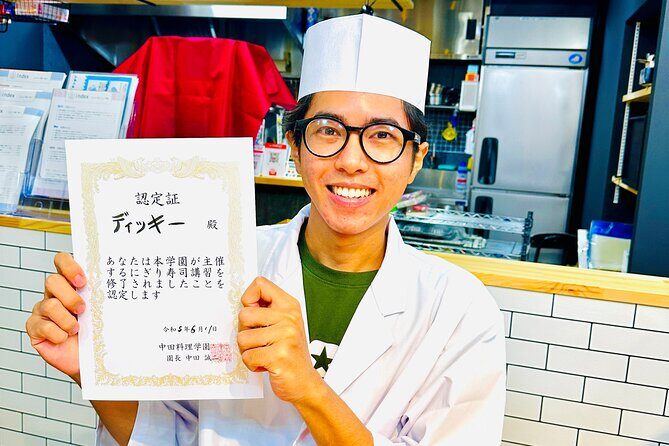
At the end, you receive a Japanese Certificate of Completion with your name. It’s a small thing, but it turns the class into a souvenir you’ll keep rather than something you scroll past later.
One more fun add-on: there’s an in-house Knife Museum planned to open July 2025, and participants get a 10% discount if you visit. If you’re traveling around that window, it’s worth asking on the day whether it’s running.
Price and Value: Is $99.10 a Good Deal?
At $99.10 per person, this is priced like a premium, structured experience—and it can make sense if you’re the type who likes learning techniques, not just eating.
Here’s why the value can be strong:
- Five dishes cooked by you, then fully tasted
- Aperitif included (plum wine or sake)
- AI translation setup included, which reduces frustration and helps you actually learn
- Recipes provided in English by email the day before
- Premium knife use included in the session
- Small group size (max 8), which makes guidance more likely to land
Where it may not feel like a bargain:
- It doesn’t cover transportation to and from the meeting point. If you’re coming from farther away, factor in the train or bus time.
- It also has strict dietary limits: vegan diets and guests avoiding fish-based dashi can’t be accommodated. If you fall into either category, you’ll lose out on this specific value.
My take: if you want a hands-on class with real local ingredients (Omicho Market fish, Kanazawa-style Jibuni) plus tools and translation that help you learn, the price is easier to justify.
Logistics That Actually Matter: Small Group, Timing, and Translation
The class runs about 2 hours 30 minutes, roughly. That’s long enough to learn multiple techniques, but short enough to still enjoy Kanazawa the rest of the day.
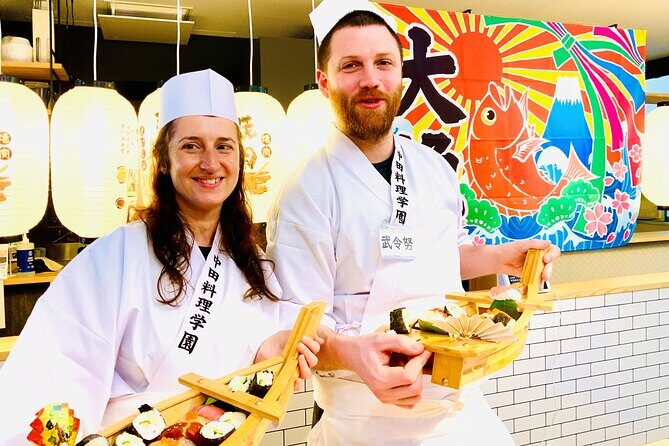
Group size is capped at 8 travelers, which is a big deal when you’re shaping sushi and rolling tamago. Smaller groups mean the chef can check what you’re doing and correct issues before they turn into a plate of sadness.
The translation system is also not a minor detail. It’s real-time AI translation (voice and text) on a large screen, and several class experiences highlight that this makes the interaction fun. When you understand what’s being asked of your hands, cooking stops being stressful and becomes playful.
Who Should Book This Kanazawa Cooking Class?
This is a great fit if:
- You want to cook five dishes yourself, especially sushi and tamago
- You like learning technique you can repeat at home, not just collecting restaurant tips
- You’re traveling with family or friends and want a shared activity that ends in a meal
- You want an English-friendly experience without waiting for a translator to catch up
It’s not the right fit if:
- You need a vegan option
- You avoid fish-based dashi (the class can’t accommodate this)
If you’re short on time in Kanazawa, the proximity to the station is another practical advantage. You can do this class without losing half a day to transfers.
Should You Book This Kanazawa Cooking Class?
Book it if you want a structured, hands-on way to understand Kanazawa flavors: Omicho Market seafood for nigiri, local comfort in Jibuni, and the core Japanese foundations of dashi and tamago. The best part is that the learning isn’t left to luck—the chef guides, the AI translation supports, and you leave with recipes plus photos and a certificate.
Skip it if your diet doesn’t match the fish-based dashi requirement. Also, if you prefer a quiet cooking experience with minimal interaction, you might find a lively chef style a bit high-energy.
If your plans allow, this is one of those experiences where the meal isn’t the only souvenir. The skills are.
FAQ
What is the duration of the cooking class?
It runs about 2 hours 30 minutes (approx.).
How many dishes will I cook during the class?
You’ll cook five Japanese dishes: nigiri sushi, Jibuni, dashi-maki tamago, dashi broth, plus a seasonal side dish and miso soup.
Is the class hands-on or just a demonstration?
It’s fully hands-on. You cook each dish with step-by-step guidance.
Do you provide English translation?
Yes. Real-time AI translation (voice and text) is shown on a large screen during the class.
Where do I meet for the class?
You meet at Nakata Cooking School and Knife Shop (by appointment only) in Konohanamachi, Kanazawa, on the second floor.
What ingredients are used for the sushi?
The nigiri uses wild fish from Omicho Market.
What about food allergies or dietary restrictions?
The class cannot accommodate vegan diets or guests avoiding fish-based dashi. Other dietary restrictions need to be shared at booking, and same-day changes aren’t possible.
Is there a tasting or drinks included?
Yes. You fully taste the dishes you prepare, and you get one aperitif, either Kanazawa plum wine or local sake.
Can I get a refund if I need to cancel?
Free cancellation is available up to 24 hours before the experience start time for a full refund.