REVIEW · TOKYO
Asakusa: A Big-picture History Walk to Know Japan
Book on GetYourGuide →Operated by Arumachi, Inc. · Bookable on GetYourGuide
One walk, and Japan makes sense. This is an Asakusa history walk that links the Sumida River story of isolation and reopening to the country’s daily spiritual world—so the sights feel connected, not random. I especially like how it explains Buddhism and Shinto in a way you can actually see and remember.
You also get the global angles: how Japanese art influenced Western art, and how Japan and Europe shared surprisingly similar ideas about religion and symbols around 1,000 years ago. The main drawback to factor in: it’s a moderate walking tour and it’s not meant for mobility impairments, plus it runs rain or shine.
In This Review
- Key things I’d bet on
- Getting Oriented: Burger King, Exit 4, and a 2-Hour History Rhythm
- The Sumida River Start: Isolation, Dutch Trade, and Perry’s Shockwave
- From Asakusa Culture Center to Kaminarimon: Buddhism, Shinto, and Dragon Contrasts
- Nakamise Shopping Street: Vajra (Tokko) Symbols and Ukiyo-e’s Europe Link
- Hōzōmon Gate and Sensō-ji: The Prayer Differences That Actually Matter
- Asakusa Shrine: Shinto and Buddhism Share Grounds for Over a Millennium
- Value Check: Is $58 Worth It for a 2-Hour Big-Picture Walk?
- Who This Tour Fits Best (and Who Should Skip It)
- Should You Book This Asakusa History Walk?
- FAQ
- How long is the Asakusa history walk?
- What language is the tour offered in?
- Where do I meet the tour?
- What’s included in the price?
- Does it run in bad weather?
- Is it okay if I have mobility issues?
- What’s the cancellation policy?
- Can I reserve without paying right away?
Key things I’d bet on
- Sumida River context first: isolation, Dutch trade, and reopening connected to modern Tokyo
- Buddhism and Shinto made visual: you learn what to notice at each stop, not just what it is
- Dragon and symbol comparisons: Kaminarimon’s dragon gets explained with a Western contrast
- Nakamise Street with meaning: vajra (tokko) symbols and the ukiyo-e Europe link
- Prayer differences, clearly: Senso-ji gives you the how and why behind worship
- Shinto-Buddhist coexistence: Asakusa Shrine and Sensō-ji together for over a millennium
Getting Oriented: Burger King, Exit 4, and a 2-Hour History Rhythm
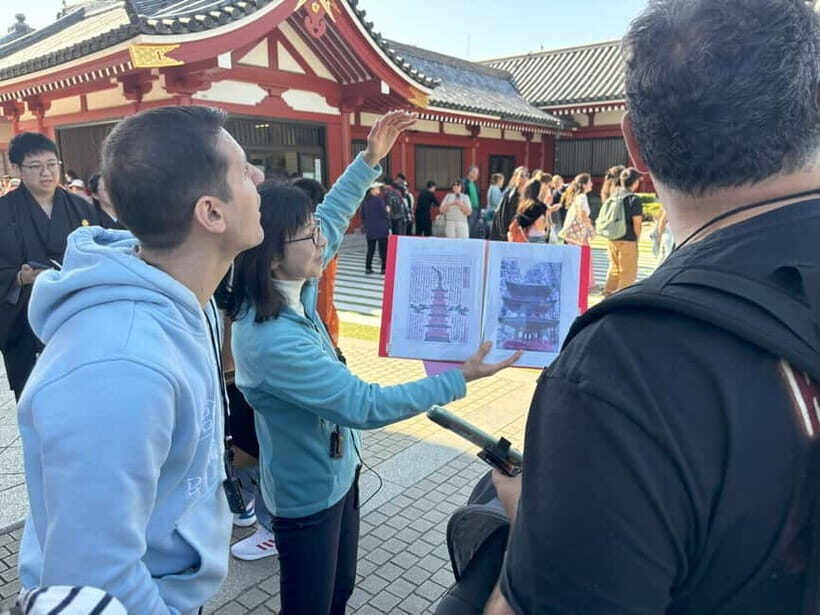
You start at 2-chōme-20-6 Kaminarimon, in front of a Burger King right next to Exit 4 of Asakusa Station (Ginza line). Step outside when you reach Exit 4, because that meeting spot is tight and easy to miss if you’re still scanning platforms.
The tour is 2 hours, in English with a live guide plus an English audio guide. You’ll also wear headsets if the group is 3 or more, which helps you keep up when you’re standing close to temple crowds and street noise. There are also traditional snack tastings, so you’re not just moving—you’re sampling your way through the neighborhood’s food culture.
What I like about the time format is that it’s long enough to connect dots, but short enough that you’re not worn out by the end. The walking is moderate, though, so bring comfortable shoes and plan to stay on your feet.
You can also read our reviews of more walking tours in Tokyo
The Sumida River Start: Isolation, Dutch Trade, and Perry’s Shockwave
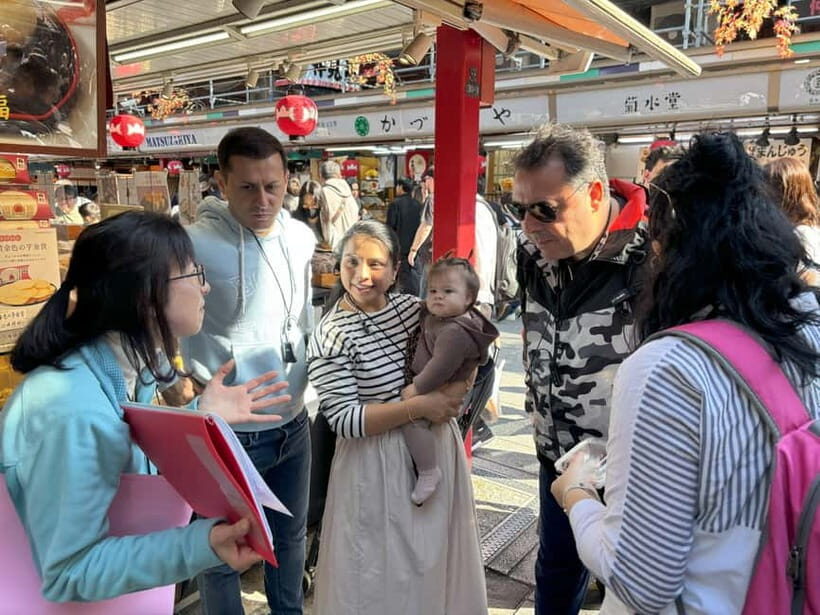
The tour begins at the Tokyo Cruise Asakusa Pier area along the Sumida River, and that choice matters. Instead of starting with a temple and hoping you’ll work backward through history, you get the big-picture framing first.
Here’s the story your guide sets up: during the Edo period, Japan was sealed off for over 200 years. Trading was tightly controlled, with the Netherlands allowed as a special case. Then Admiral Perry’s arrival forced Japan to reopen, changing how the rest of the world could reach Japan—and how Japan had to respond.
This is where the walk earns its name as a “big-picture” experience. Your guide ties old policy to modern Tokyo by pointing to Odaiba’s former gun batteries and even a Statue of Liberty replica facing the Pacific. That last detail is a great reminder that today’s city features don’t appear from nowhere; they’re shaped by historical turning points.
Drawback to keep in mind: if the weather is rough, that river-front start can feel exposed. Dress for rain or shine and keep water handy, because you’ll want it once you hit the walking-heavy temple and shopping sections.
From Asakusa Culture Center to Kaminarimon: Buddhism, Shinto, and Dragon Contrasts
Next you stop at the Asakusa Culture Tourist Information Center, and this part feels like a cheat code. You get a clear introduction to Japan’s two major religions, Buddhism and Shinto, with simple explanations that set up what you’ll see moments later.
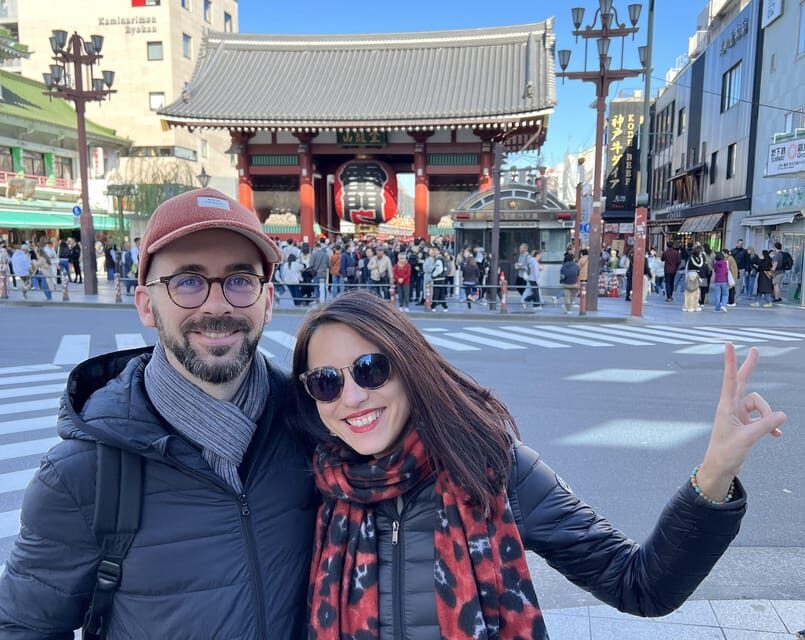
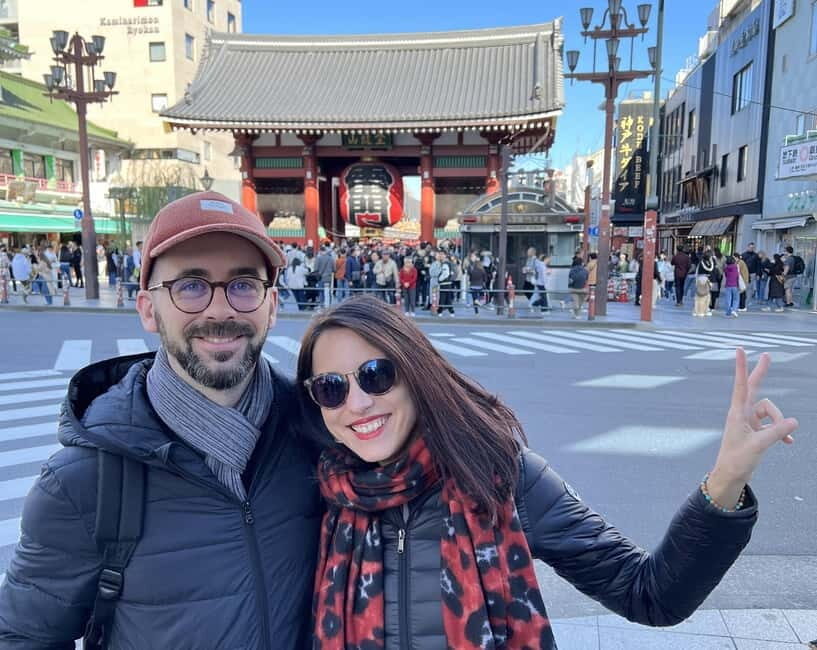
Then you reach Kaminarimon (Thunder) Gate, Asakusa’s most recognizable gateway. The fun part is not just the photo moment; your guide uses the gate to explain a deeper cultural comparison. One of the coolest teaching tools here is the way Kaminarimon’s dragon is compared to Western dragons—because in Japan, the dragon’s role flips the usual Western expectations.
This stop is also a good moment to start training your eyes. After the religion basics, you’ll notice how symbols, entrances, and offerings function like a language. That makes the rest of the walk much easier to follow—especially if you’ve never visited shrines or temples before.
If you’re bringing kids, this section tends to land well because it’s visual and quick. In past runs, guides like Choco and Sachi have kept families engaged by making the contrasts feel like a story you can follow, not a lecture you endure.
Nakamise Shopping Street: Vajra (Tokko) Symbols and Ukiyo-e’s Europe Link
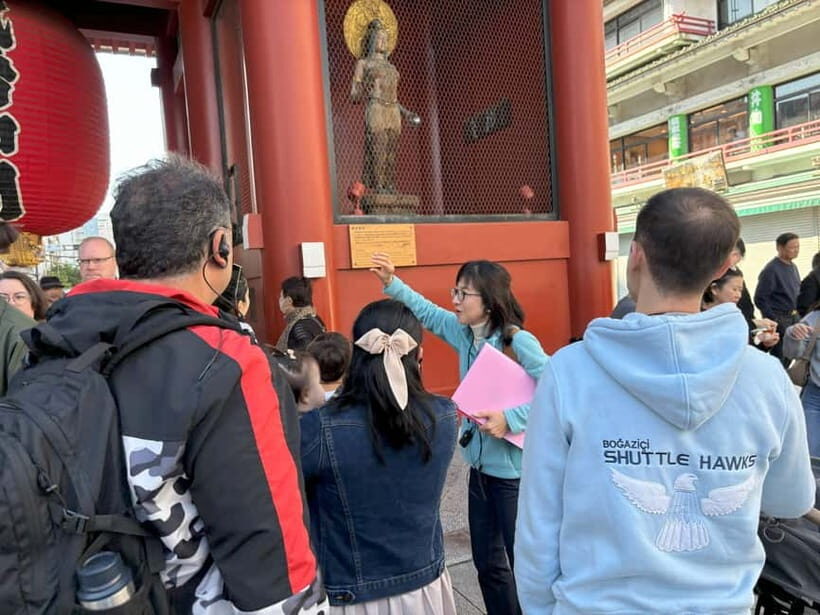
Nakamise Shopping Street is the sensory payoff. It’s one of Asakusa’s oldest shopping streets, and your guide turns that lively stretch into a meaning-rich walk.
You’ll get a hands-on look at Buddhist symbolism—especially the vajra (tokko) idea—and how motifs show up in everyday contexts. Your guide also connects Asakusa’s art world to global art history through ukiyo-e woodblock prints.
The key point: ukiyo-e didn’t just stay in Japan. These prints made their way into Europe and influenced Western artists, including the painters connected to Impressionism. When you understand that transfer, the street stops being just souvenirs and snacks. It becomes a living reminder of cultural exchange.
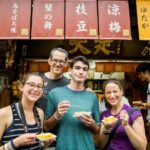
Expect traditional snack tastings along the way. Those small bites are more than a break; they’re part of how the neighborhood sustains tradition. If you’re picky, eat slowly—some snacks are sweet or fried, and you’ll want energy for the next gates and temples.
A practical consideration: Nakamise can get crowded, especially around major festival times like Sanja Matsuri. The headsets help, but you may want to hold onto your pacing so you don’t get swept into slower moving clusters.
Hōzōmon Gate and Sensō-ji: The Prayer Differences That Actually Matter
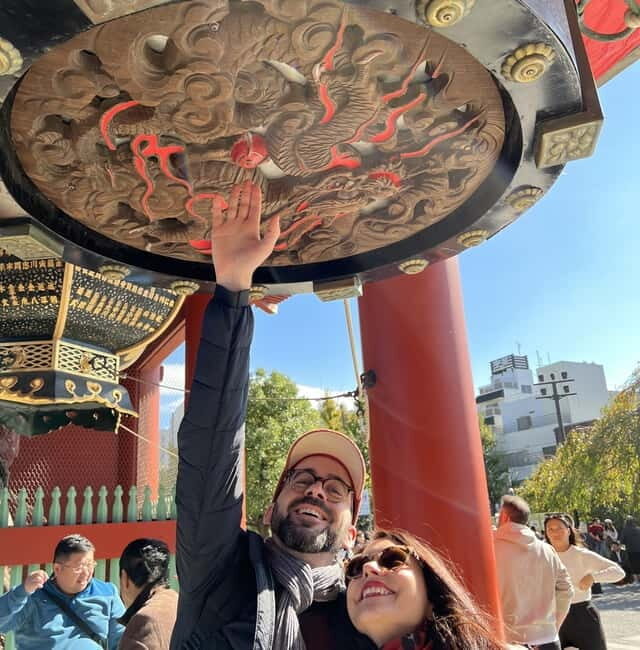
At Hōzōmon Gate, the tour makes a bold claim in the best way: it explains that people in Japan and the West shared remarkably similar ways of thinking around 1,000 years ago. Your guide doesn’t treat this as trivia. Instead, it frames the comparison so the religious ideas behind what you see at temples start to feel familiar—even when the rituals differ.
Then you reach Sensō-ji Temple, Japan’s oldest Buddhist temple. This is where your learning shifts from concepts to practice. Your guide explains how prayer works differently depending on whether you’re approaching a Buddhist site or a Shinto space.
That distinction matters because so many first-time visitors misunderstand what they’re doing. In this walk, you get the why behind the actions rather than just a rule list. You’ll be better prepared to approach offerings with respect and understanding.
Sensō-ji also gives you time for a little real-life temple atmosphere. In some guided experiences, the entrance area includes attention to the temple’s fortune-telling practice, so you might notice it and decide whether to try it yourself with the context your guide provides.
One minor heads-up: the headset audio can vary depending on where you stand in a group. In one experience, the ear pieces created echo in spots, making the guide slightly harder to follow. If you’re sensitive to sound, position yourself where you can hear cleanly and don’t be afraid to ask the guide to repeat a key point.
You can also read our reviews of more historical tours in Tokyo
Asakusa Shrine: Shinto and Buddhism Share Grounds for Over a Millennium
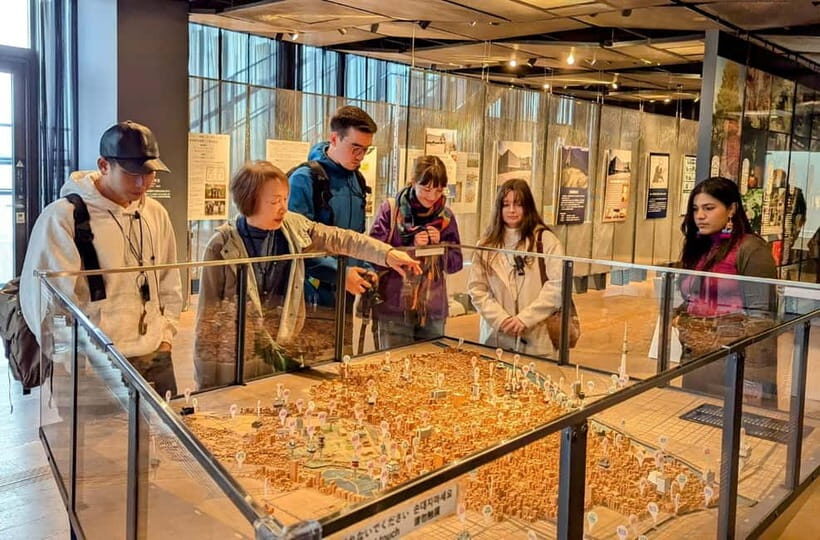
The last major spiritual stop is Asakusa Shrine, and it’s one of the most memorable parts because it ends with coexistence rather than conflict.
Your guide explains that Asakusa Shrine and Sensō-ji are tied together on the same grounds, with worshippers and history that overlap peacefully for over a millennium. That’s not just a fun fact. It’s a practical way to understand Japan: religions aren’t always treated as separate “teams.” People can navigate them as part of everyday cultural life.
As you wrap up, the earlier lessons click into place:
- The Buddhism basics help you read what you’re seeing at Sensō-ji.
- The Shinto basics help you understand what a shrine space is doing.
- The coexistence lesson tells you why both experiences can be present without feeling contradictory.
This ending also works emotionally. After gates, streets, and comparisons to Europe, ending inside a living spiritual complex brings the walk back to the human scale. You finish not just knowing dates, but knowing what the symbols mean in motion—what people do, why they do it, and what to look for as you continue exploring Asakusa on your own.
Value Check: Is $58 Worth It for a 2-Hour Big-Picture Walk?
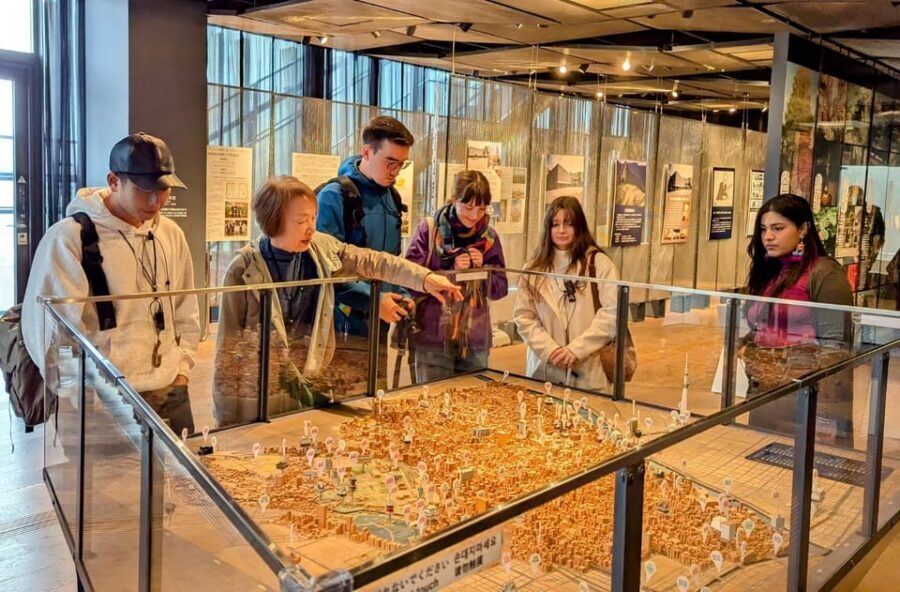
At $58 per person for a 2-hour guided experience, the value is really about what you receive for that time. You’re not just paying for a route around famous landmarks. You’re paying for an expert guide who connects each stop to broader history, belief, and even art influence across continents.
You also get extras that add real cost if you did them separately:
- a certified guide
- headsets for clearer audio on groups of 3+
- an English audio guide
- traditional snack tastings
Then there’s the hardest-to-measure value: clarity. This tour is built around explaining why things matter—Edo isolation, reopening pressures, religious practice differences, and how ukiyo-e crossed borders. That’s exactly the kind of learning that makes your next Tokyo day easier because you start recognizing themes and references instead of just collecting pictures.
Is it perfect for every budget traveler? No. If you only want the shortest temple sightseeing loop, you could do Asakusa on your own. But if you want Japan to feel organized in your head, this is one of the best ways to get that structure in just two hours.
Who This Tour Fits Best (and Who Should Skip It)
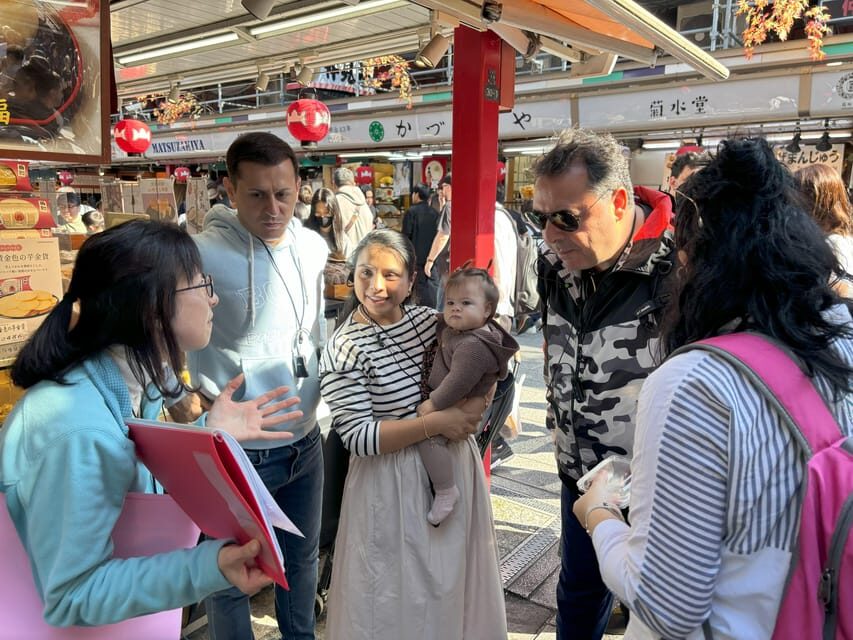
This is a strong fit if you want a guided “map” of Japanese culture and history. It’s also a great pick for families with older kids because the guide style tends to stay engaging, and past guides like Sachi and Choco have been praised for keeping children involved while still covering meaningful content.
I’d choose this tour if you meet any of these conditions:
- You feel overwhelmed by Japan’s history and want a big-picture thread.
- You’re visiting Asakusa anyway and want to understand what you’re seeing.
- You care about religion and want a practical explanation of Buddhism vs Shinto.
I’d skip it if you can’t do moderate walking or if mobility is a concern, because it’s explicitly not suitable for people with mobility impairments. Also, because you meet at Asakusa Station and there’s no hotel pickup, you’ll want a plan for reaching the meeting point quickly.
Should You Book This Asakusa History Walk?
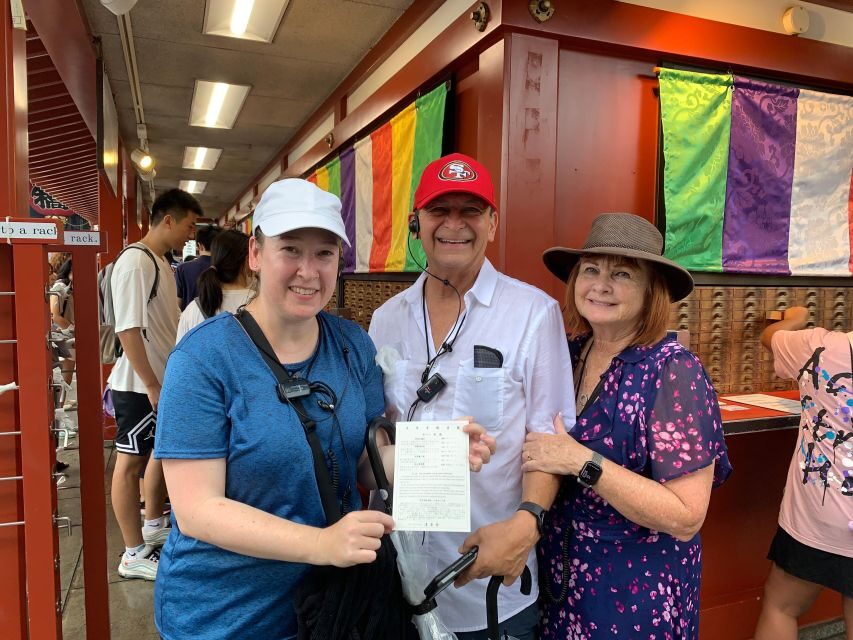
If you want Asakusa to make sense beyond the surface level, I’d book it. The best reason is the format: the walk starts with the Sumida River isolation-to-reopening story, then moves into spiritual practice, and finally connects Japanese art and cross-cultural comparisons.
Also, the guide impact is real. Names like Choco, Sachi, Amy, and Yasu show up in different experiences, and the consistent theme is clear explanations and friendly, question-friendly delivery. If you like tours where you can ask follow-ups and get answers that connect, this one is built for you.
One last check: bring comfortable shoes and accept that it’s a short but active circuit. If you’re okay with that, this is a smart use of time in Tokyo—because when you leave, you don’t just know the sights. You understand the story linking them.
FAQ
How long is the Asakusa history walk?
It lasts about 2 hours.
What language is the tour offered in?
The live tour guide and the audio guide are both in English.
Where do I meet the tour?
Meet in front of a Burger King restaurant right next to Exit 4 of Asakusa subway station (Ginza line). Step outside when you reach Exit 4.
What’s included in the price?
The tour includes a certified guide, walking tour, headsets for groups of 3 or more, and traditional snack tastings.
Does it run in bad weather?
Yes, it operates rain or shine.
Is it okay if I have mobility issues?
It involves moderate walking and is not suitable for people with mobility impairments.
What’s the cancellation policy?
You can cancel up to 24 hours in advance for a full refund.
Can I reserve without paying right away?
Yes, it offers a reserve now & pay later option, so you can book your spot and pay nothing today.