REVIEW · KAMAKURA
Kamakura: Private History and Heritage Tour by Rickshaw
Book on GetYourGuide →Operated by Ebisuya Rickshaw · Bookable on GetYourGuide
Kamakura on a rickshaw feels like time travel. You get the private, customizable pace and the chance to see the Great Buddha up close, without rushing. The one thing to consider: the rickshaw is fairly narrow, so it can feel tight if you’re sensitive to close seating.
I also love how the stops are built around big, recognizable landmarks like Tsurugaoka Hachimangu Shrine, plus quieter side streets and temple grounds between them. It’s a smart way to get oriented fast in a town that can be walkable, but easy to overplan.
There’s a guide with you the whole time (Japanese is the stated language), and that helps a lot when you want context and photos without guesswork. Add in the included photo stops and the small souvenir postcard and sticker, and you’ve got a value-focused outing that’s more than just a ride.
In This Review
- Key highlights I’d plan around
- Riding Straight Into Kamakura’s Samurai Capital Vibe
- Where You Meet: Right by Tsurugaoka Hachimangu
- Choosing the Best Time Slot: 45 Minutes vs 3 Hours 10
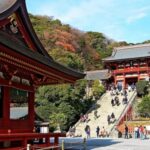
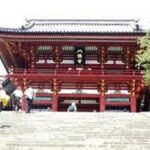
- Otori Gate and Tsurugaoka Hachimangu: The Center of the Route
- Hokokuji Temple Gardens: When You Want a Slower Pace
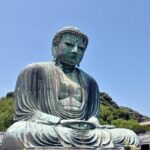
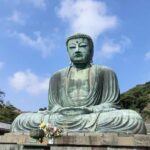
- Getting Up to the Great Buddha (Daibutsu) and the Close-Up Effect
- “Best Photo Stops” and the Comfort of Not Guessing
- Price and Value: $51 for a Private Ride That Saves Time
- Comfort, Space, and Practical Limits on the Rickshaw
- Who This Tour Is Best For (and Who Should Skip It)
- Should You Book This Kamakura Rickshaw Tour?
- FAQ
- How long is the Kamakura private rickshaw tour?
- What is included in the price?
- Are admission fees included?
- Where do I meet the guide?
- Is this tour private?
- Is wheelchair access available?
- Are selfie sticks allowed?
- How many people can ride in one rickshaw?
- Does the tour include meals or drinks?
- What language is the live guide?
Key highlights I’d plan around
- Private and customizable route so you can steer the day toward temples, views, or photo breaks
- Great Buddha (Daibutsu) included on the longer options, with close-up time
- Tsurugaoka Hachimangu Shrine viewpoints plus a route through historic streets
- Hokokuji Temple gardens as an option on the 1 hour 10 minute tour
- Photo stops built into the plan, including the most instagram-worthy spot
- Wheelchair accessible rickshaw experience, with stroller-friendly considerations
Riding Straight Into Kamakura’s Samurai Capital Vibe
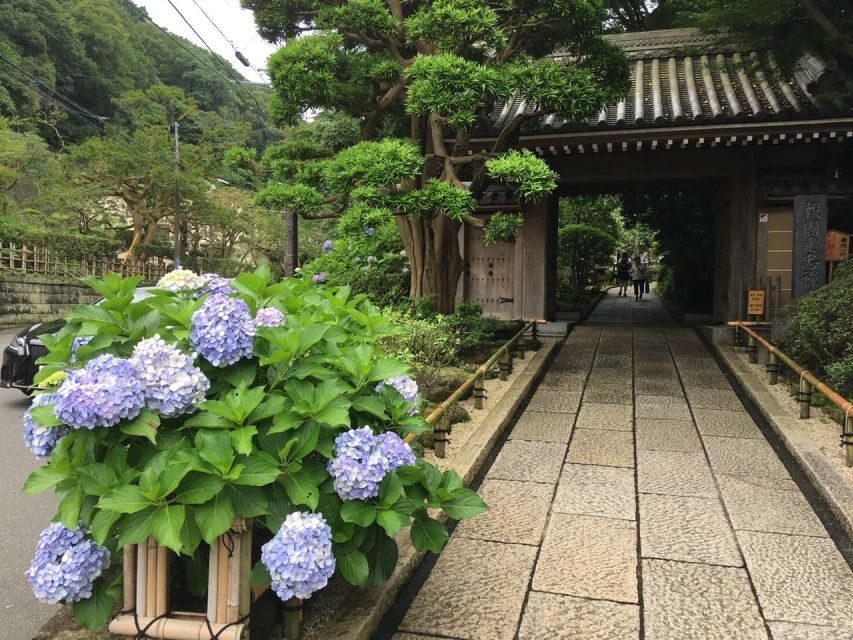
Kamakura is one of those places where the past still shows up in the street layout and temple presence. This tour is designed for that. Instead of building a DIY route where you’re constantly checking maps, you sit back and let the rickshaw route stitch the landmarks together.
The private format matters here. You can go at a speed that matches your interests—linger at a gate, shorten a detour, or request more time for photos. That’s a real advantage in Kamakura because the best moments often happen between the famous names: the side streets, temple grounds, and the little pauses where you can actually see what you came for.
You’ll also feel the difference between a short and long tour right away. The 45-minute option keeps you centered and efficient. The longer options add the uphill parts and bigger stops, like Hokokuji Temple gardens and the Daibutsu.
You can also read our reviews of more private tours in Kamakura
Where You Meet: Right by Tsurugaoka Hachimangu
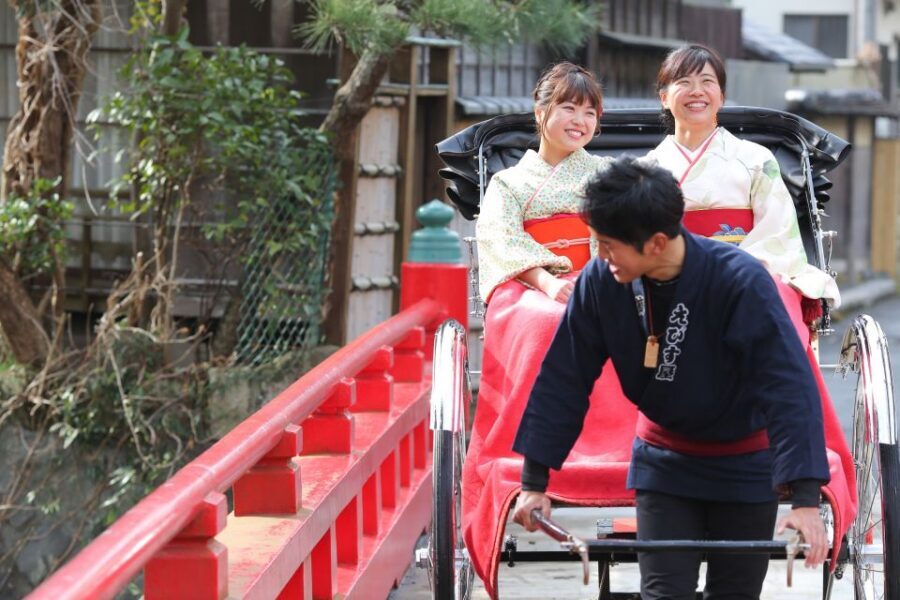
The meeting point is easy to find if you’re already using the shrine as your anchor. Your guide waits just outside the office building, less than 90 meters down the street from Tsurugaoka Hachiman-gu Shrine.
That proximity is practical. You don’t waste time shuttling across town before the ride begins. It also makes timing simpler if you’re pairing this with other Kamakura sites later on foot.
One extra tip: plan to arrive a little early so you can confirm the exact meeting spot. With rickshaw tours, you don’t want to be the person running down the wrong side street while everyone else is already buckled in.
Choosing the Best Time Slot: 45 Minutes vs 3 Hours 10
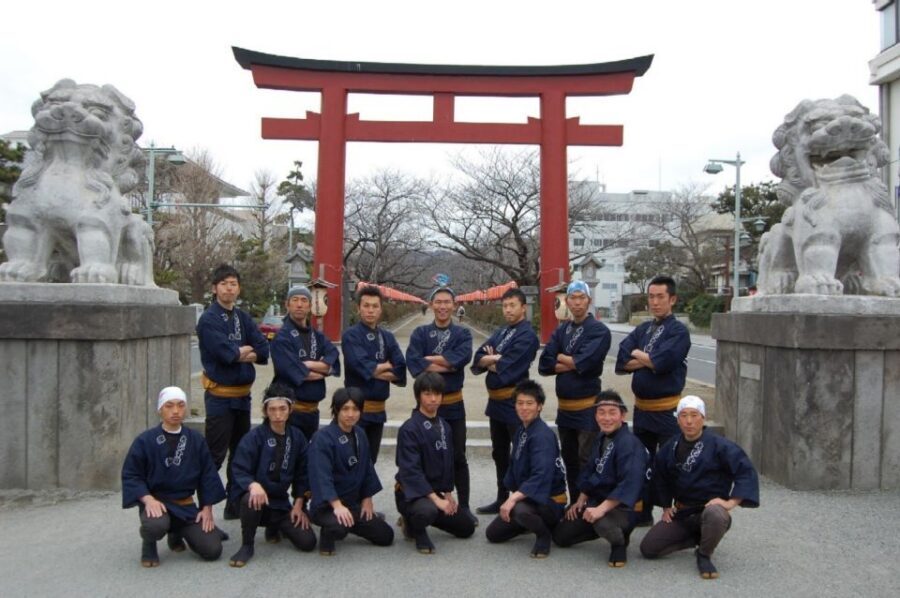
You can pick from multiple tour lengths, and that choice is honestly the heart of getting value.
- 45 minutes: You stay focused on the center of town. Expect the Otori Gate area, pass by Tsurugaoka Hachimangu Shrine, and then return toward the station through quaint side streets with temple grounds along the way. This is the best pick if you’re trying to see the highlights without committing to a half-day.
- 1 hour 10 minutes: This adds a visit to Hokokuji Temple, where you can wander the famous gardens. If you like the slower, atmospheric temple-garden pace, this extra time is worth it.
- 2 hours 10 minutes: You climb up to Tsurugaoka Hachimangu Shrine for city views and include a visit to the Daibutsu (the Great Buddha). This option is ideal if you want both the outlook and the biggest must-see.
- 3 hours 10 minutes: This combines all the sights—so you get the full sweep of shrine areas, the Hokokuji Temple gardens, and the Great Buddha plus the viewing time.
Think of it like this: shorter tours are about orientation and major landmarks. Longer tours are about depth—especially if you want to linger, take photos, and not feel like you’re rushing to the next stop.
Otori Gate and Tsurugaoka Hachimangu: The Center of the Route
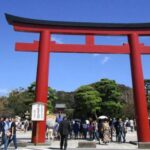
On the shorter tours, the plan is built around the central Kamakura landmarks, including the Otori Gate and Tsurugaoka Hachimangu Shrine. Even if you don’t consider yourself a shrine person, these stops are good because they’re easy to recognize and they structure the whole town for you.
The route also gives you a sense of how Kamakura flows. You pass through prominent areas, then you get directed back through quieter side streets. That pattern matters because Kamakura’s “best photos” are often the contrast shots: a famous entrance zone, then a calmer lane with temples and open grounds.
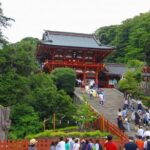
If you choose the longer option that includes more climbing, you’ll get time with Tsurugaoka Hachimangu Shrine from the viewpoint angle. The tour is set up so you can enjoy views over the city. That’s a nice change of pace from temple-close-up time—you get a breath of perspective, and the photos land better because you’re not only shooting buildings.
Hokokuji Temple Gardens: When You Want a Slower Pace
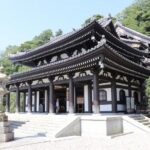
If your idea of a great trip includes quiet walking, garden time, and room to just look, the Hokokuji Temple stop is a smart add-on. It’s included on the 1 hour 10 minute option and carried forward on the longest option.
The key benefit is simple: gardens take time in a way that photos can’t always capture. The tour gives you the freedom to wander there instead of sprinting through. You’ll have that buffer where you can slow down, change angles, and actually enjoy what you’re seeing rather than ticking off a checkbox.
Also, it balances the day. Without that garden stop, the tour can feel like it’s only about famous structures. With Hokokuji included, you get an atmosphere shift that makes the total experience feel more rounded.
You can also read our reviews of more historical tours in Kamakura
Getting Up to the Great Buddha (Daibutsu) and the Close-Up Effect
The Daibutsu—the Great Buddha Statue—is included on the 2 hours 10 minutes and the 3 hours 10 minutes options. And yes, the close-up part is the reason this stop is worth planning.
A big statue is one thing from a distance. It’s another thing when you’re close enough to feel its scale and catch details in photos. The tour is built for that close-up time, not a quick glimpse.
If you care about photos, this is one of the strongest segments of the day. You’re not just snapping random scenery; you’re getting prompted photo stops as part of the tour, including the most instagram-worthy spot.
A small practical note: admission fees aren’t included, so factor that in if your budget is tight. Still, the guided timing and routing reduce the odds you’ll spend precious hours hunting for what to see next.
“Best Photo Stops” and the Comfort of Not Guessing
Every option includes photo stops, plus your guide provides help with picture moments. The included souvenir postcard and sticker are a nice bonus too—small, but they make the day feel like an actual keepsake, not a blur.
One detail I really appreciate from the guide notes: people specifically highlighted guides helping with information and photos. Rickshaw tours can sometimes feel like sightseeing from a window. Here, the photo aspect is built in, so you’re not left waving your phone around hoping you found the right angle.
Also, the tour notes say selfie sticks aren’t allowed. That’s actually helpful. It keeps lines and walkways from turning into a tangle of extended arms. If you’re planning to bring a camera, keep it simple and plan for close, shoulder-to-shoulder spaces.
Price and Value: $51 for a Private Ride That Saves Time
At $51 per person, this tour isn’t about being the cheapest way to see Kamakura. It’s about buying back your time and reducing planning stress with a private guide and rickshaw.
Here’s where the value shows up:
- You’re paying for privacy. You’re not competing for time at landmarks or trying to keep pace with a bigger group.
- You get a guided route through the historic areas instead of assembling a route on your own.
- Photo stops and small extras are included, which adds up when you’re trying to capture the day well.
- Admission fees aren’t included, so your true total will depend on what you choose—but the ride, guiding, photo time, and souvenir are part of the package.
The time you select also changes the equation. A short 45-minute tour can make sense if you only want a highlight hit—like gates, the shrine area, and a taste of side streets. If you want the Great Buddha and the city-view climb, you’ll get more “big ticket” sightseeing per hour on the longer options.
In other words: choose based on what you’d otherwise spend time researching and scheduling. If you’re the type who likes to see everything efficiently, this can feel like a bargain. If you’re only looking for one or two quick highlights, the shorter option is the cleaner fit.
Comfort, Space, and Practical Limits on the Rickshaw
This is where you should be honest with yourself, because it affects enjoyment.
Each rickshaw is 74 centimeters wide, which means space is tight. The tour notes also suggest that if you’re booking multiple people, you might find it more comfortable to book individual rickshaws for each passenger. That’s a real consideration for anyone who doesn’t love cramped seating.
There are also clear capacity rules:
- Maximum of 2 adults per rickshaw
- Up to 2 children aged 5 and under can ride with 2 adults on an adult’s lap
- If a child under 6 gets their own seat (not on an adult’s lap), they must pay adult pricing
If you’re traveling with family, this setup can work smoothly—but do the math early so you don’t get surprised by the seating rule.
Mobility-wise, the tour is marked wheelchair accessible and stroller-friendly. Also, the rickshaw experience is not recommended for expecting mothers in the first 16 weeks of pregnancy, and it isn’t suitable for people with back problems. If either of those applies, treat this as a major caution—not a minor detail.
One more thing: you’re with a private group, but the guide language is Japanese. Reviews also describe guides who were well informed and helped in English and Japanese, so you may get extra support, but Japanese is the stated language.
Who This Tour Is Best For (and Who Should Skip It)
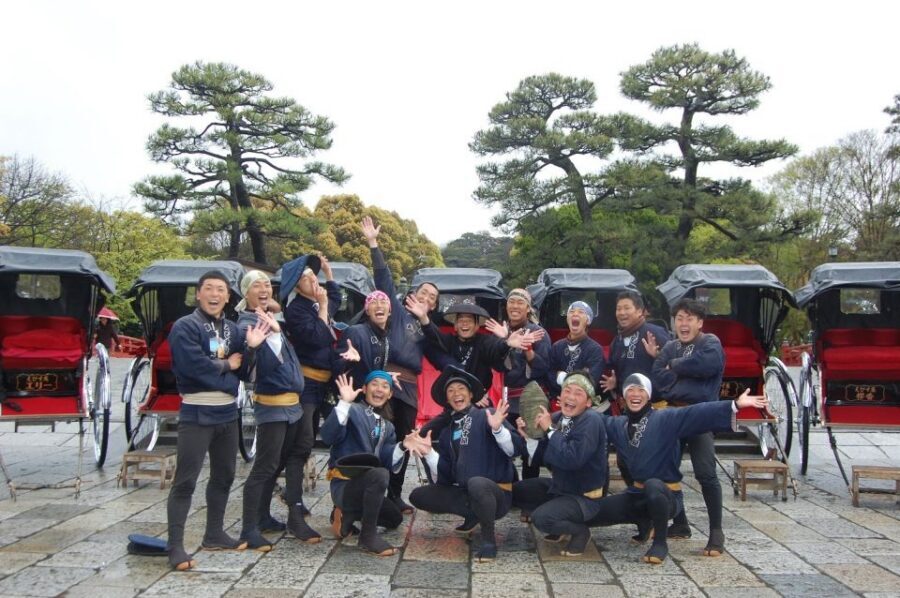
This Kamakura rickshaw tour fits well if you want:
- A private, flexible sightseeing day without juggling directions
- A structured way to see top Kamakura landmarks like Otori Gate, Tsurugaoka Hachimangu Shrine, Hokokuji Temple gardens, and the Great Buddha
- Included photo stops (so you don’t feel stuck doing everything one-handed)
- A comfortable intro to Kamakura if you’re only here for a short window
It may not fit you if:
- You need lots of walking on your own schedule. This tour is about riding and guided stops, not a free-roam hike.
- You strongly dislike tight seating. The 74-centimeter width is the main factor.
- Your group includes someone who has back issues or you’re within the first 16 weeks of pregnancy.
If you’re traveling solo, couples, or small families who like a mix of temples plus views, this is a strong choice. And if you’re a photo person, the built-in photo stops are more than a perk—they shape the whole ride.
Should You Book This Kamakura Rickshaw Tour?
I’d book this tour if you’re planning to prioritize Kamakura’s major sights and you want the day to feel organized without being stiff. The private rickshaw setup helps you slow down at the right moments, and the stop selection is practical: gates and shrines first, then gardens and the Daibutsu depending on your time.
The biggest deciding factor is your preferred rhythm:
- Pick the 45-minute option if you want highlights and orientation.
- Pick 1h10 if you want gardens without committing to the longest climb.
- Pick 2h10 if the Great Buddha and city views are non-negotiable.
- Pick 3h10 if you want everything in one smooth day and don’t want to choose.
One more small detail that can sway your decision: the tour includes a souvenir postcard and sticker, plus guided photo time, which makes it feel like a complete experience rather than just transportation.
If you’re comfortable with tight seating and you’re ready to ride at a relaxed pace, this is an excellent way to see Kamakura with less stress and better photos.
FAQ
How long is the Kamakura private rickshaw tour?
The tour options range from 45 minutes up to 3 hours 10 minutes, with several duration choices in between.
What is included in the price?
The private rickshaw tour, photo stops, and a souvenir postcard and sticker are included.
Are admission fees included?
No. Admission fees are not included in the tour price.
Where do I meet the guide?
You meet your guide just outside the office building, less than 90 meters from Tsurugaoka Hachiman-gu Shrine.
Is this tour private?
Yes. It’s a private group experience.
Is wheelchair access available?
Yes. The tour is wheelchair accessible and stroller-friendly.
Are selfie sticks allowed?
No. Selfie sticks are not allowed.
How many people can ride in one rickshaw?
The maximum is 2 adults per rickshaw. Up to 2 children age 5 and under can ride with 2 adults on an adult’s lap.
Does the tour include meals or drinks?
No. Food and drinks are not included.
What language is the live guide?
The live tour guide is Japanese.