REVIEW · KYOTO
Guide tour of Japanese bathing culture at Funaoka Onsen
Book on Viator →Operated by Authentic Public Bathing Wellness Experience in Kyoto · Bookable on Viator
Learning Japanese bathing feels easier than you expect. This guided tour pairs Sarasa Nishijin, a café converted from a public bathhouse, with Funaoka Onsen, where you get taught proper bathing etiquette before you soak. My two favorite parts were how clearly you’re walked through the culture and steps, and how the whole experience centers on local rhythm, not tourist theater.
One big consideration: the bath requires nude bathing, and it’s strictly gender-segregated, so couples and mixed groups won’t share the bathing area.
In This Review
- Key highlights you should know
- Why Japanese bathing etiquette changes everything
- Sarasa Nishijin: a bathhouse-turned-café lesson
- Funaoka Onsen: instruction before you soak
- Nude bathing and gender separation: plan for it
- Your guide, the language reality, and small-group focus
- Duration, meeting point, and how to time your day
- Price and value: what you’re actually paying for
- Who should take this tour (and who should skip hot springs)
- What to do before you go, so the experience feels smooth
- Should you book this Japanese bathing culture tour?
- FAQ
- How long is the tour?
- What’s included in the ticket price?
- What’s the meeting point?
- Is this a mobile-ticket experience?
- Is bathing mixed-gender?
- Who shouldn’t join due to health reasons?
Key highlights you should know
- Former bathhouse café at Sarasa Nishijin with a short cultural lesson while you relax with a drink
- Funaoka Onsen instruction first, so you’re not guessing what to do once you’re in
- Small group size (max 5) makes it easier to ask questions and follow along
- Take-home guidance so you can remember the etiquette after the tour
- Nude bathing and gender separation are part of the experience, not optional
Why Japanese bathing etiquette changes everything
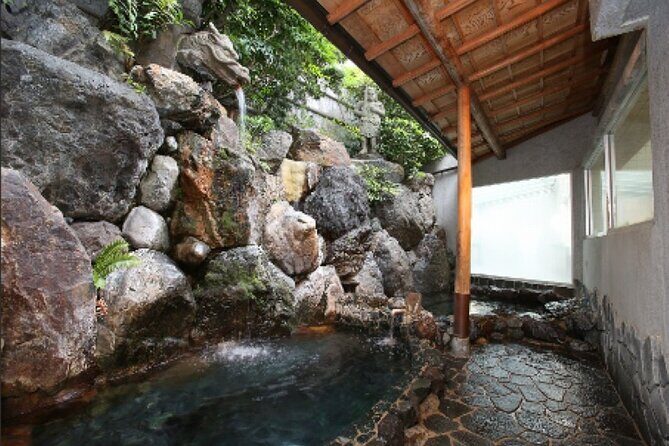
Japanese baths are simple on the surface, but they carry a lot of social meaning. This tour helps you understand the do’s and don’ts before you enter the water, which takes the pressure off and makes the whole thing feel natural.
I also like that the experience isn’t just history talk. You get teaching materials, a guided walkthrough, and then real-time practice at Funaoka Onsen. That mix is what turns the concept of etiquette into muscle memory.
And you’ll leave with a take-home guide, which is great if you plan to visit other onsen or sento later. Bathhouse rules tend to follow a consistent logic, so you can build confidence quickly.
You can also read our reviews of more guided tours in Kyoto
Sarasa Nishijin: a bathhouse-turned-café lesson
Your first stop is Sarasa Nishijin, a cozy café that was renovated from a former public bathhouse. You sit down with a drink while you learn what Japanese public baths mean, and how people are expected to behave.
This is one of those “you can’t really fake it” parts of the tour. Seeing a place that was designed for bathing, then experiencing it as a café, makes the history feel real. It’s also a smart warm-up, since you get to ease into the etiquette before stepping into the more traditional setting of Funaoka Onsen.
The timing is short and focused, around 15 minutes, and admission is included. You don’t feel rushed, but you also don’t waste time before the main event.
Funaoka Onsen: instruction before you soak
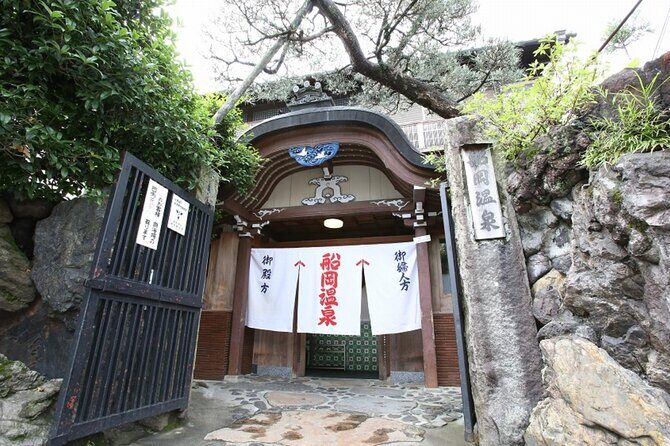
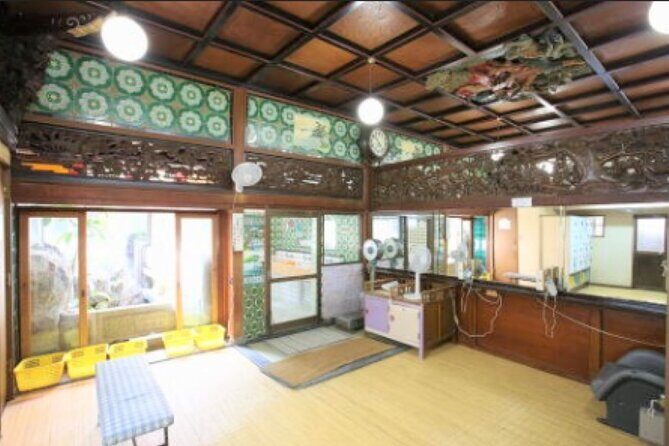
Funaoka Onsen is the heart of the experience, a bathhouse loved by Kyoto residents for generations. What makes this stop worth it is that you don’t get dumped into the bathing area with zero context.
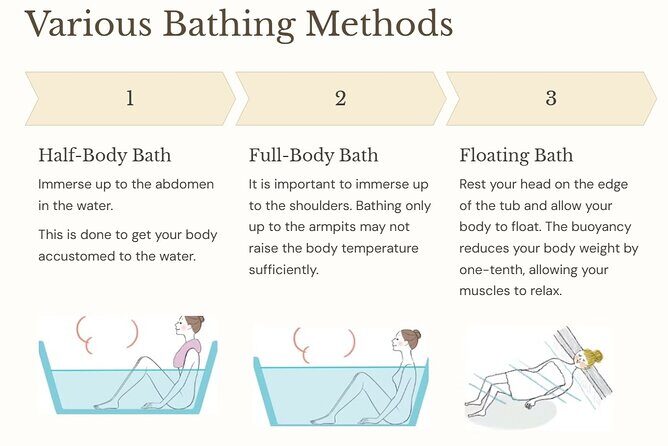
Before you bathe, your guide uses materials to explain bathing methods and how visitors should handle the process. Then you try it yourself, with support on hand if you need help getting the flow right.
That “teach first, practice second” structure matters. Even if you’re comfortable in public spaces, baths have their own pace and rules. Getting the sequence in your head ahead of time helps you relax instead of worrying about doing it wrong.
The session at Funaoka Onsen runs about 1 hour, and admission is included as part of the tour price.
Nude bathing and gender separation: plan for it
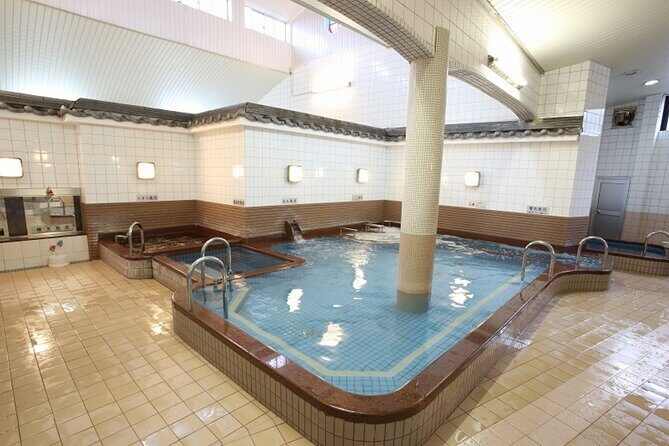
Let’s be direct: this experience requires nude bathing, and it’s separated by gender. The bathing areas are not mixed-gender, even if you’re used to more open swimming environments back home.
The good news is that the tour is designed to guide you through the etiquette so you don’t feel awkward or lost. You’re also told this up front, which helps you decide whether you’re comfortable with the format.
If you’re traveling as a couple, keep in mind you won’t share the bathing area together because of the segregation rules. That’s not a flaw in the tour; it’s simply how facilities work here. If that mismatch would bother you, look for another Kyoto onsen-style option that fits your comfort level better.
Your guide, the language reality, and small-group focus
This tour runs with a maximum of 5 travelers, which makes the whole thing easier to follow. In a group this size, you’re more likely to get personal guidance and notice what the guide is pointing out.
Your guide is local Japanese, and English skills can be limited. That doesn’t mean you’ll be left behind, but you should assume you might get more value from watching what’s happening than from perfect translation.
Even so, the tone that comes through is supportive. One guide named Atsuki is specifically noted for being helpful throughout the bathing process and for reducing anxiety by walking you through what to expect.
Practical mindset: treat it like a step-by-step cultural workshop, not a fast lecture. You’ll get more from it that way.
A few more Kyoto tours and experiences worth a look
Duration, meeting point, and how to time your day
You’re looking at about 1 hour 30 minutes total. The tour starts at Funaoka Onsen, 82-1 Murasakino Minamifunaokachō, Kita Ward, Kyoto, 603-8225, Japan, and it ends back at the same meeting point.
Because it’s near public transportation, you can slot it in between other Kyoto sights without too much stress. Also, since the bathing portion is the key moment, plan your schedule so you’re not rushing in right before your start time.
A subtle but important point: the tour format works best when you’re mentally ready to follow instructions. If you’re exhausted or distracted, you’ll feel it more during the etiquette lesson.
Price and value: what you’re actually paying for
The price is $45.72 per person, and tickets are included for both stops. In other words, you’re paying for more than access to the onsen. You’re paying for teaching, guidance, and the practical confidence to use the space correctly.
This is also a small-group experience, which usually costs more per person than large coach-style tours. And because you get a take-home guide plus real instruction before you bathe, the value holds even if you’re not the kind of traveler who loves museums.
One more practical note: it’s often booked about 34 days in advance. That suggests this isn’t a “show up anytime” kind of activity, so if you’re set on it, reserve early.
Who should take this tour (and who should skip hot springs)
Most travelers can participate, and that includes solo visitors, which is a nice option if you don’t want to join a crowded group experience. The tour format is also built around helping you relax and avoid etiquette mistakes on your first visit.
But it’s not for everyone. You should avoid participation if you have contraindications related to hot springs, including severe heart or lung diseases, recent gastrointestinal bleeding, advanced malignant tumors, or severe anemia.
You also shouldn’t join if you’re feeling unwell the day of the tour, have a fever, or have consumed alcohol. If a doctor advises against hot spring participation, you must refrain from joining.
This isn’t just caution for paperwork. Baths can affect circulation and comfort, so you want to treat this as a health-based experience, not only a culture activity.
What to do before you go, so the experience feels smooth
Before your tour day, make sure you’ve got the right mental setup. Don’t treat bathing etiquette as a quiz you need to pass. Treat it like instructions that let you relax.
Also, plan your clothing and timing so you can move easily through the changing routine. The tour itself doesn’t ask you to bring anything specific in the info you were given, but your comfort depends on being able to switch from street mode to bathing mode without rushing.
Finally, if you like structure, you’ll enjoy this format. The tour teaches you the logic of proper use and then gives you a chance to do it right.
If plans change, you can cancel up to 24 hours in advance for a full refund. That makes it easier to book confidently, especially in a busy Kyoto schedule.
Should you book this Japanese bathing culture tour?
Book it if you want an onsen experience that’s guided by real cultural context and practiced in real time. The combination of Sarasa Nishijin (history and meaning in a former bathhouse café) plus Funaoka Onsen (instruction before soaking) is a strong way to go beyond surface sightseeing.
Skip it if nude bathing and gender separation would make you uncomfortable, or if hot spring participation isn’t safe for you for health reasons. Also consider the language element: the guide is local and may not be highly fluent in English, so you should be comfortable following along even if you rely on observation.
If you’re curious, respectful, and ready to follow etiquette step by step, this is one of the more practical ways to understand Japanese bathing culture in Kyoto.
FAQ
How long is the tour?
The tour runs for about 1 hour 30 minutes total.
What’s included in the ticket price?
Admission tickets are included for both stops: Sarasa Nishijin and Funaoka Onsen.
What’s the meeting point?
Meet at Funaoka Onsen, located at 82-1 Murasakino Minamifunaokachō, Kita Ward, Kyoto, 603-8225, Japan.
Is this a mobile-ticket experience?
Yes. You’ll use a mobile ticket for the experience.
Is bathing mixed-gender?
No. The experience requires nude bathing and is segregated by gender.
Who shouldn’t join due to health reasons?
If you have contraindications for hot springs (like severe heart or lung diseases, recent gastrointestinal bleeding, advanced malignant tumors, or severe anemia), feel unwell with fever, have consumed alcohol, or have medical advice against hot spring participation, you must refrain from joining.