REVIEW · HYOGO PREFECTURE
Naruto & Boruto Shinobi-zato Light Ticket
Book on Viator →Operated by ニジゲンノモリ · Bookable on Viator
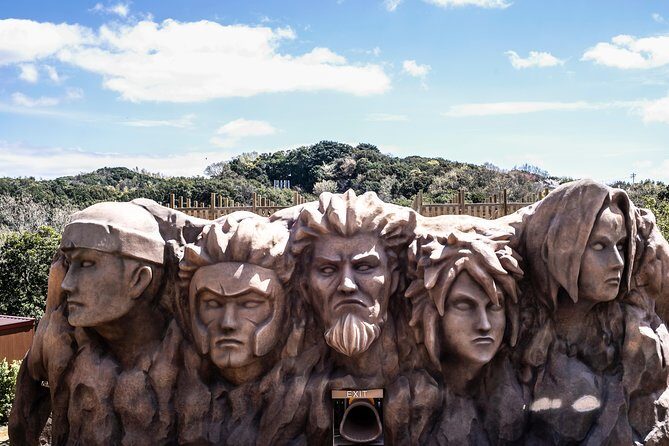
Hyogo does Naruto and Boruto in real life. Ten no Maki and Chi no Maki turn the series into hands-on missions, with scroll tools and jutsu-style action. I love how the park recreates Kinohagakure with a huge pyroclastic rock and full-scale characters, and I love that the core attractions are big, physical, and game-like instead of just photo spots. One drawback to plan around: the Heavenly Maze has restrictions for pregnant visitors and children aged 0–2.
This is the kind of ticket that works even if you only have half a day. You’re looking at about 2 to 3 hours, and you’ll use a mobile ticket. Pickup happens at the Shinosato Local Ticket Counter at Nijigen no Mori, and the included entry covers both mission areas.
In This Review
- Key highlights before you go
- Shinobi-zato at Nijigen no Mori: what you’re really buying
- Finding your way: where Ten no Maki and Chi no Maki fit in
- Ten no Maki (Heavenly Maze): Volume of Heaven and the 11m fire shadow rock
- Chi no Maki (Earthly Maze): the legendary cave, the big enemy, and 12 marks
- Your 2–3 hour schedule: pacing that makes the missions feel fun
- The Shinobi-zato world beyond the missions: shops and themed food stops
- How this ticket compares in value (and when it’s the wrong choice)
- Who should book Naruto & Boruto Shinobi-zato Light Ticket
- Should you book it?
- FAQ
- What is included in the Naruto & Boruto Shinobi-zato Light Ticket?
- Where do I pick up the special postcard offer?
- How long does the experience take?
- What are Ten no Maki and Chi no Maki?
- What is the Heavenly Maze like?
- What is the mission in Chi no Maki?
- Are snacks and drinks included?
- Is the ticket refundable or changeable?
- Who can’t enter the Heavenly Maze?
Key highlights before you go
- Two mission experiences: Ten no Maki and Chi no Maki, built around collecting marks and completing tasks
- Volume of Heaven maze scale: a multi-story attraction behind an 11m high fire shadow rock
- Scrolls are included: you’ll use them during the attractions, so you’re not paying for extras
- You’re not just watching: you actively perform steps that feel like jutsu training
- The Shinobi-zato setting is built to be walked: Kinohagakure-style details, plus themed shop and food options nearby
- Light Ticket is value-focused: it targets the two key attractions without the full-day drain
Shinobi-zato at Nijigen no Mori: what you’re really buying
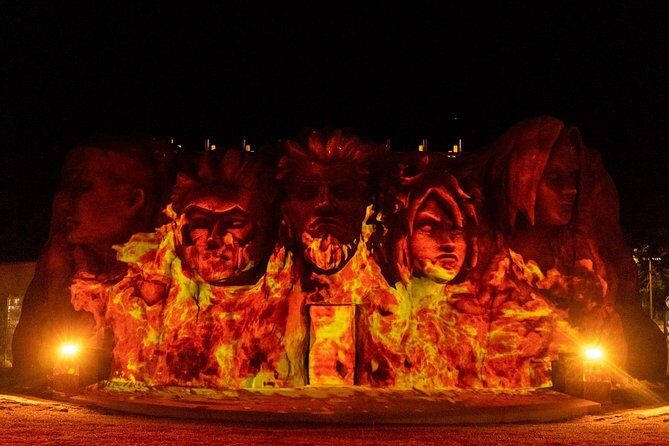
You’re paying $21.74 per person for a focused “do the thing” experience inside Nijigen no Mori’s Naruto & Boruto themed area. The biggest value isn’t just the characters. It’s that this Light Ticket funnels you straight into two structured attractions designed to keep you moving and participating for roughly 2–3 hours.
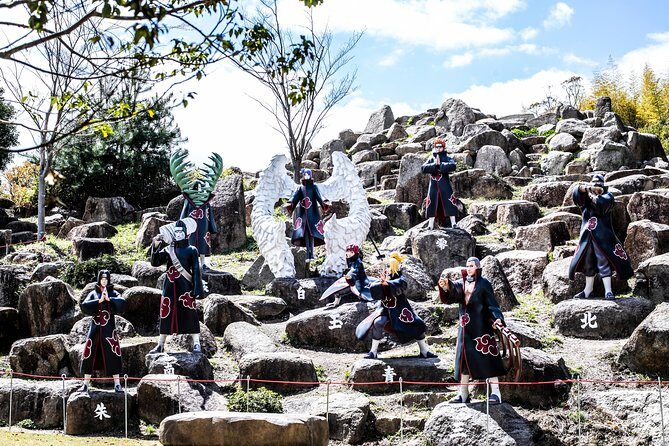
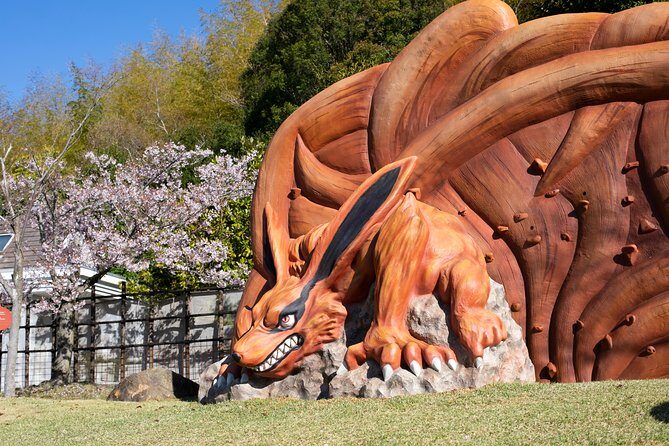
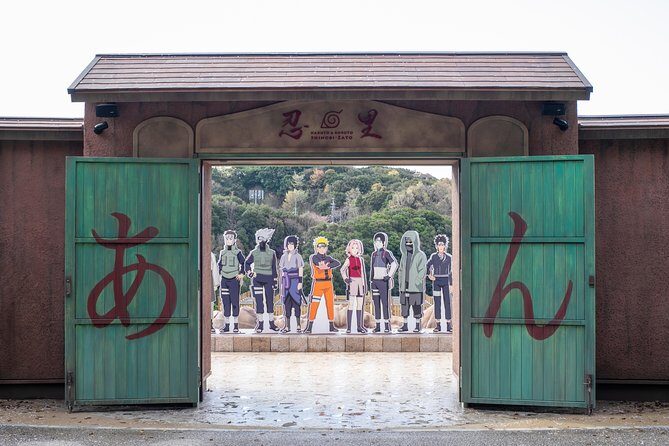
The setting is themed after Boruto Next Generations, with Shinobi-zato built to recreate Kinohagakure. Think full-scale character presence, plus a huge pyroclastic rock that helps set the mood. Instead of wandering a themed street for hours, you go in with missions in mind, which is a smart match for limited time.
Also, the ticket is mobile, which usually means less fiddling and fewer chances to get separated from your group. You’ll still want to plan your timing because the attractions are time-and-body-friendly: you’ll do better if you wear comfortable shoes and keep your energy up.
You can also read our reviews of more tours and experiences in Hyogo Prefecture.


Finding your way: where Ten no Maki and Chi no Maki fit in
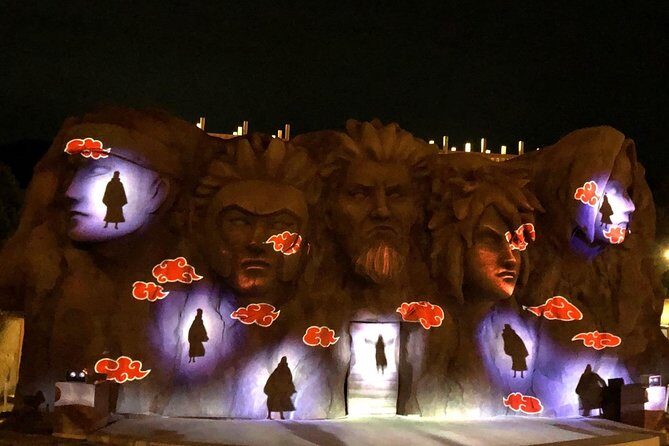
Everything is concentrated in the Naruto & Boruto NINRI area at Nijigen no Mori. From your ticket, you’re set up to enter the two main experiences:
1) Ten no Maki (the Heavenly Maze), described as a three-story multi-storey maze
2) Chi no Maki (the Earthly Maze), built like a mission rally with marks scattered around the village
It helps to understand the flow. Ten no Maki is more about physical navigation and progressing through a maze structure. Chi no Maki leans more into a scavenger-mission feel—spotting and collecting marks across the village area and responding to an on-screen or stage-like “enemy” moment.
If you like experiences that have clear goals (finish a run, complete a mission, collect items), this setup works well. If you’re hoping for mostly sitting and watching, you might find it a bit too active for your pace.
Ten no Maki (Heavenly Maze): Volume of Heaven and the 11m fire shadow rock
Ten no Maki is the headline attraction for many people because it’s big—literally. The Heavenly Maze is the “Volume of Heaven,” a three-story multi-storey setup located behind an 11m high fire shadow rock. That scale matters because it turns the attraction from a short indoor activity into something with height, movement, and multiple viewpoints.
Here’s what to expect in practice:
- You’ll work through maze zones across levels, so you’re constantly changing your perspective rather than looping the same corridor.
- There’s an “art-activated” step: you open a door using the art and then aim for the top. It’s designed to make you pay attention to visuals, not just run forward.
- The theme ties it back to ninja training. Your actions feel like you’re practicing jutsu-style steps rather than just walking through a set.
I like this part because it turns the series vibe into real interaction. You can’t fake it with photos. Even if you’re not a hardcore ninja fan, the maze mechanics are engaging on their own.
One practical note: the Heavenly Maze is not open to pregnant visitors and children 0–2 years old. If that’s relevant for your group, you’ll want to plan your schedule and expectations around that limitation.
Chi no Maki (Earthly Maze): the legendary cave, the big enemy, and 12 marks
After Ten no Maki, Chi no Maki switches the mood. Instead of climbing through levels, you’re joining a mission rally.
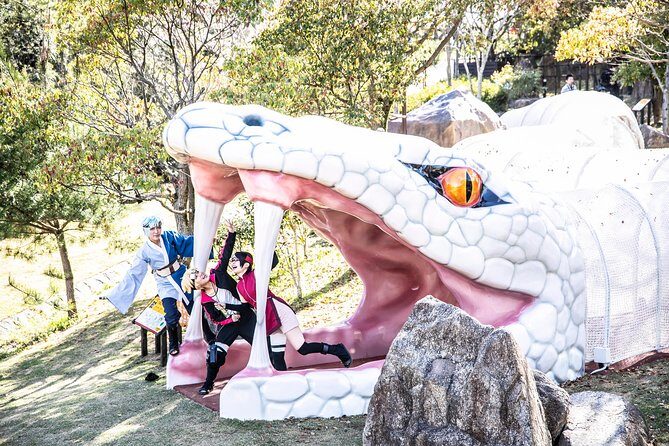
The Earthly Maze uses a legendary cave setting where a huge enemy appears, and your role is to seal off enemies during the mission. The key mechanic is the 12 marks scattered throughout the village area. Your goal is to collect those marks as part of the mission steps.
What makes this one fun is the structure. You move through the Shinobi-zato area with purpose. That “find the next thing” feeling keeps you from wandering aimlessly, and it also makes it easier to go at your own pace because you can focus on the marks one by one.
Also, this is where the series theme clicks for fans. The attraction doesn’t rely only on costumes or signage. It tries to recreate the sense of an ongoing operation: the village becomes a game map, the enemy becomes an event, and the marks become your progress meter.
If you enjoy scavenger-style attractions, you’ll probably find this part the most satisfying. If you get frustrated by searching for objectives, give yourself enough time and don’t rush—it’s better when you move carefully and stay alert to where the marks are placed.
Your 2–3 hour schedule: pacing that makes the missions feel fun
This Light Ticket is designed for short-to-medium attention spans in a good way. About 2 to 3 hours is long enough to do both missions without feeling like you’re sprinting across a park all day.
Here’s a pacing approach that usually works:
- Start with the Heavenly Maze first if you’re feeling energetic. It’s the more physically demanding option because it involves multi-level maze navigation.
- Then move to Chi no Maki with a “mission” mindset—slower walking is fine here because you’re scanning for marks and reacting to the attraction’s cues.
You don’t need to cram. A calm pace helps you actually notice the ninja-world details and gives you a better chance to complete the tasks without backtracking.
One more practical tip: bring a light bag you can manage during active sections. The attractions are hands-on, so you’ll want to keep loose items controlled.


The Shinobi-zato world beyond the missions: shops and themed food stops
Even though the Light Ticket is focused on Ten no Maki and Chi no Maki, the area around the attractions helps you stay in character.
There’s a themed shop called Konoha Shoten, and you’ll also find Ramen Ichiraku. These matter because they turn the visit into more than a “ticket then leave” stop. You can take a break between missions, browse souvenirs, and keep the theme going while the day’s energy resets.
One thing to watch: snacks, ramen, and drinks aren’t included in the ticket. That’s normal, but it’s worth budgeting so you don’t feel surprised once you’re hungry.
For fans, this is also where you can pick up small keepsakes that match what you just experienced. For non-fans, it helps justify spending the time inside Nijigen no Mori because you get a complete little slice of the world, not just two attractions in isolation.
How this ticket compares in value (and when it’s the wrong choice)
At $21.74, the Light Ticket is priced like a focused attraction combo. The math works best if you want:
- two major experiences
- hands-on interaction (not just observation)
- a couple of hours that feel like a full activity, not a quick stop
You also get scrolls used in the attractions as part of the package, which boosts perceived value because it means the park expects you to participate with the included tools.
This is probably the wrong choice if you want a low-effort visit, because you’re actively doing two mission-based activities. It can also be the wrong choice for very small kids if Ten no Maki restrictions affect your group—Chi no Maki might still be an option, but your experience will depend on who in your party can participate.
Who should book Naruto & Boruto Shinobi-zato Light Ticket
Book it if you fit one of these profiles:
- You’re a Naruto or Boruto fan who wants real participation, not just pictures
- You like game-like attractions with steps, goals, and progression
- You have a limited time window in Hyogo and want a clear plan for 2–3 hours
- You want a family-friendly outing in theme (with the important caveat about Ten no Maki age limits)
Skip or reconsider if:
- Your group needs fully accessible activities for everyone at all ages
- You’re visiting only for calm strolling and don’t want maze and mission energy
Should you book it?
Yes, I’d book it if you want a compact, high-participation experience inside a Naruto & Boruto themed park. The price is reasonable for what you actually do: two structured mission attractions, scrolls included, plus themed shopping and food nearby if you want to extend the experience a bit.
If you’re unsure, make the decision based on Ten no Maki restrictions first and on whether your group enjoys active, goal-based activities. If those answers are good, this Light Ticket hits the sweet spot.
FAQ
What is included in the Naruto & Boruto Shinobi-zato Light Ticket?
The ticket includes admission to the NARUTO & BORUTO Shinoshiro (SHINOBI-ZATO) area and the attraction experience tickets for Ten no Maki and Chi no Maki. Scrolls used in the attractions are included.
Where do I pick up the special postcard offer?
If you purchase the special offer from Nijigen no Mori’s official website, you pick up the original postcard at the Shinosato Local Ticket Counter.
How long does the experience take?
Plan for about 2 to 3 hours.
What are Ten no Maki and Chi no Maki?
Ten no Maki is the Heavenly Maze (Volume of Heaven), a three-story multi-storey maze behind an 11m high fire shadow rock. Chi no Maki is the Earthly Maze mission rally where you collect 12 marks and seal off enemies in a legendary cave.
What is the Heavenly Maze like?
It’s a multi-level, three-story maze attraction. The experience includes an art-related step where you open a door with the art and aim for the top.
What is the mission in Chi no Maki?
You join a clandestine mission to seal off enemies. The mission involves collecting 12 marks scattered throughout the village, with a huge enemy appearing in the legendary cave area.
Are snacks and drinks included?
No. Snacks, ramen, and drinks are not included in the ticket.
Is the ticket refundable or changeable?
This experience is non-refundable and cannot be changed for any reason.
Who can’t enter the Heavenly Maze?
The Heavenly Maze is not open to pregnant visitors and children 0–2 years old.