REVIEW · IRIOMOTE JIMA
Night Tour in Iriomote: Watch the One-Night Flower “Sagari-bana”
Book on Viator →Operated by IRIOMOTE ADVENTURE PiPi · Bookable on Viator
One-night flowers in Iriomote are hard to plan—and worth it. This Sagari-bana night viewing runs only June to August, when these phantom blossoms bloom after dark and scatter by dawn. It is part flower hunt, part night-jungle nature walk, with time to take your own photos before you head back.
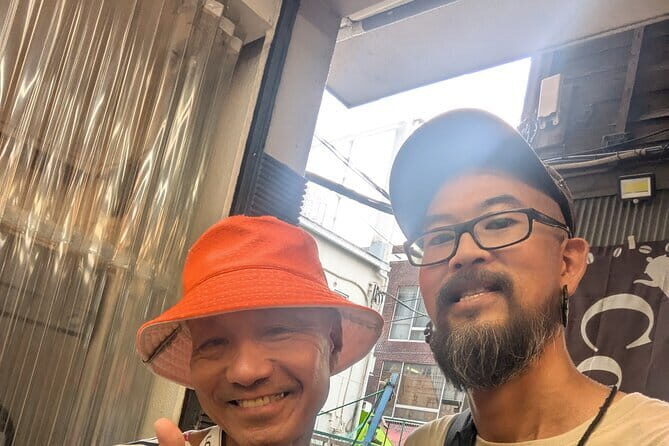
I love how the tour is built around a short, real-world window, not a long stroll. You get a guided search plus photo time at the viewing spot, and guides like Kono and Seki are noted for English support and cheerful, clear explanations.
My only caution is that weather and tide can change the day’s timing, and the experience often runs in rain. There is also no restroom at the activity site, so you’ll want to plan for wet clothes and a very focused 1.5-hour night.
In This Review
- Key things to know before you go
- Why the Sagari-bana night tour feels different than a normal walk
- Meeting at Densa Terminal and how pickup really works
- The night flow: what happens between 8:00 pm and drop-off
- Stop on Iriomote-jima: finding the phantom blossoms after dark
- Wildlife and photography: how to make your Sagari-bana photos better
- Rain, tides, and why the guide’s plan beats your guesswork
- Who this tour suits (and who should skip it)
- Practical tips that make the night tour actually comfortable
- Price and value: what $31.92 is really buying
- Should you book the Sagari-bana night tour?
- FAQ
- When is the Sagari-bana night tour available?
- How long is the tour?
- Where does the tour start?
- Is pickup available?
- What language is the tour conducted in?
- Will the tour run in rain?
- Are there restrooms at the activity site?
- Who can and cannot participate?
- How big are the groups?
- What should I wear and bring for the night?
Key things to know before you go
- June to August only: you’re booking a seasonal event tied to the blossoms’ nightly schedule
- Limited-time viewing rhythm: you arrive, watch around the peak bloom time, then wrap up quickly
- Photo-friendly setup: you can take your own pictures once you reach the viewing spot
- Night wildlife is part of the show: you may see crabs and other creatures along the way
- Rain is common: wear clothes you do not mind getting wet and follow the guide’s safety rules
Why the Sagari-bana night tour feels different than a normal walk
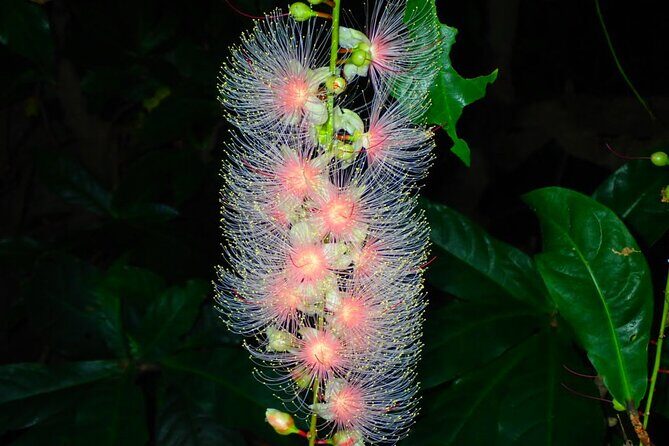
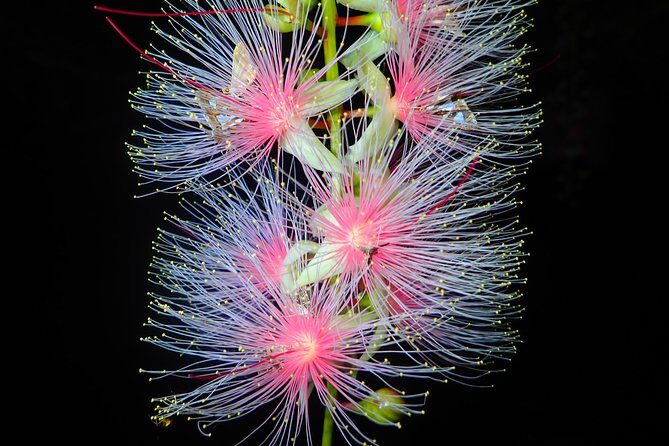
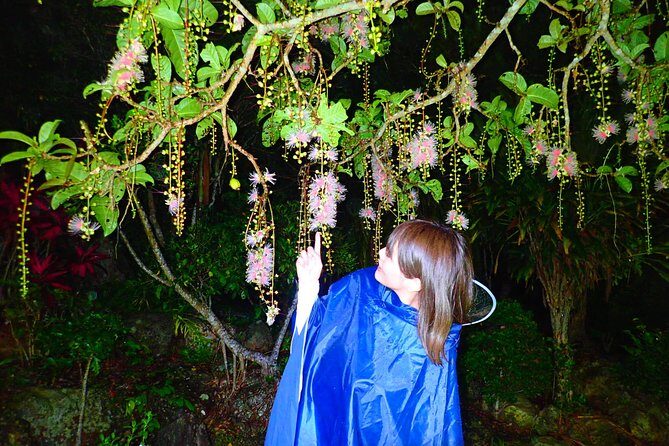
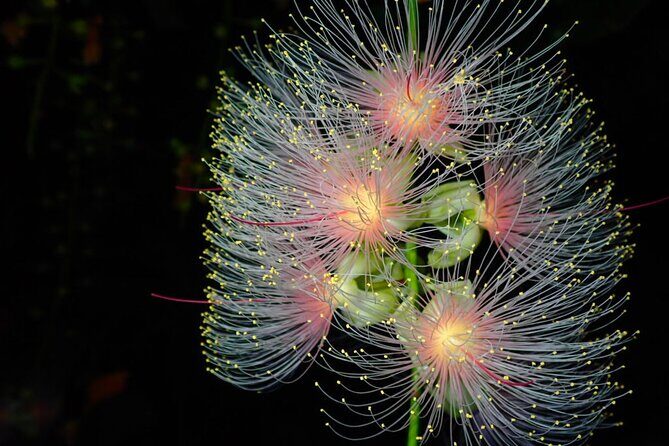
On Iriomote-jima, the Sagari-bana are the kind of natural event that makes you check the clock. These flowers are often called one-night flowers because they bloom at night, then scatter by morning. That means the whole tour is less about “walking around for a while” and more about getting you to the right place at the right time, with just enough calm time to watch the blossoms do their quick, delicate thing.
I also like that this is not a theme-park show. You are stepping into the night conditions that make the moment special—darkness, humidity, jungle sounds, and the sense that nature is doing its own schedule. The guides work as translators for the forest at night: what you might notice, where to look, and how to move safely while you’re hunting for the flowers.
Price-wise, $31.92 for about 1 hour 30 minutes is not a bargain in the sense of “you get hours of entertainment.” But it is good value for what you are buying: access to a limited seasonal event, local guidance, and a night route where you can also spot wildlife. The tour’s short duration matters here. When the flowers only show for a night, time is the product.
You can also read our reviews of more evening experiences in Iriomote jima

Meeting at Densa Terminal and how pickup really works
The tour starts at 8:00 pm. Your meeting point is Densa Terminal (Uehara area), 907-1541 Okinawa, Yaeyama District, Taketomi, Uehara, 竹富町上原553-1. The activity ends back at the meeting point, so you are not signing up for some long, one-way transfer.
Pickup is offered, but only for stays in the Uehara area. That detail matters because it affects your exact door-to-door time. If you’re booking pickup, double-check your pickup time the day before your tour using the contact method on your ticket. If you are staying outside Uehara, you will likely start at the terminal instead.
Also, set a simple rule for yourself: be early. The tour asks you to arrive on time for your designated meeting. If you are late or you miss the group without prior notice, it is treated as cancellation. For a night-bloom schedule, they can’t pause the plan.
The night flow: what happens between 8:00 pm and drop-off
Your tour is designed to keep the “best viewing moment” inside that 90-minute window. A typical schedule looks like this:
- 8:00 pm: pickup from your accommodation (if you’re in the Uehara area)
- 8:15 pm: arrive at the Sagari-bana viewing spot
- 9:00 pm: enjoy Sagari-bana viewing, with time for your own photos
- 9:30 pm: tour ends
- 9:45 pm: drop-off back at your accommodation
Two practical notes: (1) schedule can shift based on weather and tide conditions, and (2) this tour is seasonal, so you do not want to treat the timing as a flexible sightseeing afternoon.
Even without a long itinerary, the pacing is part of the value. You are not spending your whole evening in transit. You get there, you watch at the key time, and then you’re out before the night turns into a fatigue marathon.
Stop on Iriomote-jima: finding the phantom blossoms after dark
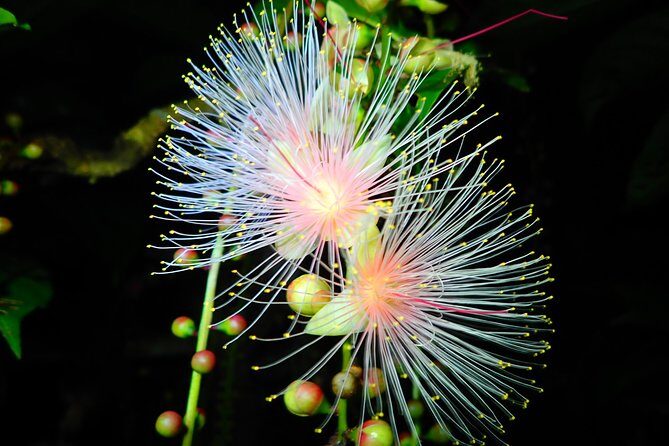
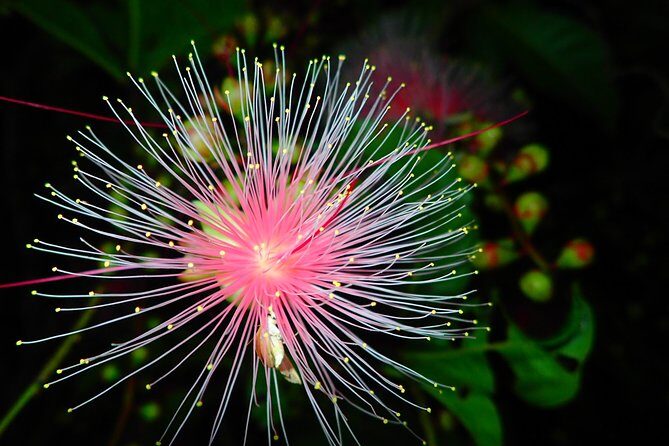
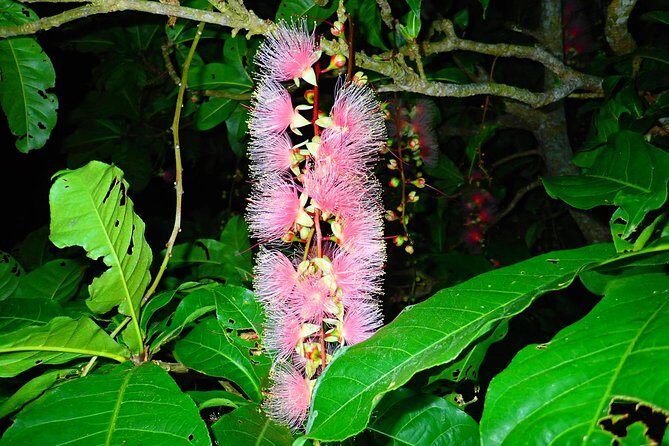
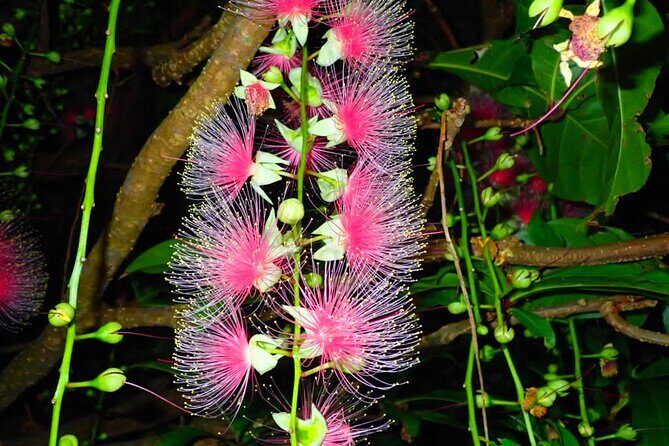
This tour’s “stop” is on Iriomote-jima, focused on one main place: the Sagari-bana viewing area. When it works, it feels almost unreal. People describe the blossoms as delicate and fleeting—then suddenly there they are, blooming at night and drifting or falling as the night progresses.
The guides are the difference-maker here. Names like Kono and Seki come up in feedback, and both are described as friendly and effective at communicating in English. In plain terms: when you’re in a dark jungle, you need someone to help your eyes and your brain work together. They also tend to point out more than just the flowers, which is a big part of why the night tour is memorable.
You can also expect a chance to see night wildlife. One account highlights seeing different kinds of crabs, and another notes that a habu passed in front of their car while traveling back. Another mentions a wild boar. I can’t promise any specific animal on any given night, but the pattern is clear: the guide’s route is chosen for night life, not just for flowers.
Wildlife and photography: how to make your Sagari-bana photos better
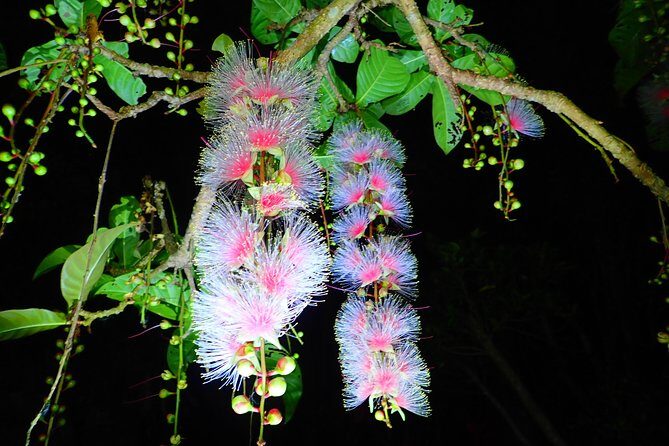
You are allowed to take your own photos during the viewing time. That sounds simple, but in practice it helps to think like a night photographer for a moment:
- Keep your expectations realistic: these flowers are small and the moment is brief, so quick shots often beat long, fiddly setups.
- Focus on simple compositions first: flowers against dark water or dark foliage tend to look more magical than busy, bright foreground shots.
- Bring your camera basics: charged battery, and a way to keep your hands steady if it’s chilly or wet.
The night setting also affects how the blossoms look. People describe the atmosphere as peaceful and magical, with the blossoms falling or scattering in a way that feels almost like a slow-motion event. If you’re the type who likes to smell the air and listen as much as you watch, this one hits that sweet spot too.
One more photo tip that is more about comfort than equipment: you’ll be wearing clothes that can get wet. If you dress like you’re protecting your outfit, you’ll feel tense. If you dress like you’re ready for the weather, you can stay present.






Rain, tides, and why the guide’s plan beats your guesswork
This tour generally proceeds in the rain. That may sound like a complaint, but it’s really part of what makes the experience work. Night jungle conditions are not “nice weather.” If you try to outsmart the elements, you’ll end up stressed instead of impressed.
They also note that tours may be canceled if the field is deemed unsafe. That is not a minor detail. At night, on uneven terrain, safety matters more than perfect photos.
Then there is tide. Because Sagari-bana viewing depends on where the flowers drift and how conditions shape the scene, the guide may adjust timing. In practice, that means your 8:15 arrival and 9:00 viewing time can move a bit. It’s still a short tour, so you’re not losing half a day if things shift—just be ready for a schedule tweak.
Who this tour suits (and who should skip it)
This is a seasonal night experience, and it has clear participation rules.
It is for ages 3 to 65. You cannot participate if you are pregnant, if you are under 3, or if you have pre-existing medical conditions. If you have any concerns, you should check with the provider beforehand.
It is also not recommended if you’re under the influence of alcohol. Night walks in wet conditions are not the place for impaired judgment.
Who will like it most:
- You want a once-a-year style moment, not a generic “see nature at night” experience
- You like guided expertise and want help spotting small details
- You’re okay with wet clothes, dark paths, and a no-restroom setup
- You want a compact, 90-minute plan that fits into a summer trip
Practical tips that make the night tour actually comfortable
You do not get a restroom at the activity site, so use facilities before you go. Also, wear clothes you don’t mind getting wet. The tour often runs in rain, and you’ll be spending your time watching rather than fiddling with dry, delicate layers.
A few other practical points from the provided details:
- Tours can be in Japanese or English, depending on booking availability
- You’ll receive details about the meeting location and time by phone or email the day before
- If you requested pickup, your pickup time may differ from what you see when booking, so confirm it beforehand
If you’re traveling with a group, remember the tour has a maximum of 50 travelers, with a minimum of 2 to operate. That cap helps keep things from turning into a mass event, even on busy summer nights.
Price and value: what $31.92 is really buying
At $31.92 per person for about 1.5 hours, you’re paying for three things:
- Timing access: Sagari-bana only bloom at night and only during the summer window (June to August).
- Local guidance: guides help you find the viewing spot and notice the right things in the dark. Names like Kono and Seki show up in feedback, and English support is specifically mentioned.
- Night-jungle atmosphere: wildlife sightings, night sounds, and that fleeting flower moment are the point.
If you’re the type who hates rushed schedules, this may not feel “worth it” because you won’t get a long wander. But if you understand that the flowers are the clock, then the price makes sense.
Also, if you are hoping to see Sagari-bana without a guide, you might find it difficult. This tour’s structure saves you from guessing where and when to look.
Should you book the Sagari-bana night tour?
Book it if you’re in Iriomote during June to August and you want a clear shot at a truly short-lived natural event. This is best for people who can handle rain, dark walking, and a no-restroom viewing setup—and who want a guide’s help spotting the moment.
Skip it if the idea of wet clothes, night conditions, and potential schedule shifts due to weather and tide would make you uncomfortable. Also, if you fall into any of the participation restrictions—pregnancy, under age 3, or pre-existing medical conditions—check with the provider before paying.
If you decide to go, the winning mindset is simple: this is not a long safari. It is a focused night appointment with a one-night flower, and the best part is being there when it happens.
FAQ
When is the Sagari-bana night tour available?
The tour is available only from June to August.
How long is the tour?
It runs about 1 hour 30 minutes.
Where does the tour start?
The meeting point is Densa Terminal in Uehara, Iriomote-jima, with the address provided on the tour details.
Is pickup available?
Pickup is offered for accommodations in the Uehara area only.
What language is the tour conducted in?
Tours are conducted in Japanese or English, and depending on booking availability, the tour may be Japanese only.
Will the tour run in rain?
Tours generally proceed in the rain, but they may be canceled if the field is unsafe.
Are there restrooms at the activity site?
No. There are no restrooms at the activity site, so you should use facilities beforehand.
Who can and cannot participate?
The tour is for ages 3 to 65, but pregnant individuals, children under 3, and people with pre-existing medical conditions cannot participate.
How big are the groups?
The tour has a maximum of 50 travelers and a minimum of 2 participants to operate.
What should I wear and bring for the night?
Wear clothes you don’t mind getting wet, and follow the guide’s safety instructions.