REVIEW · TOKYO
Tokyo: Mt. Fuji & Lake Kawaguchi Instagram Full Day Trip
Book on GetYourGuide →Operated by QingHe Travel · Bookable on GetYourGuide
Fuji day trips live or die by weather. What makes this one work is the tight hit list: Chureito Pagoda for the classic Fuji silhouette and Oshino Hakkai for calm spring-water ponds that feel like a slower Japan. I like the photo planning here—each stop is timed for angles and downtime, not just checkboxes. One drawback: when skies are cloudy, you may see far less of Mount Fuji than the postcards promise.
This trip is also a smart use of time. You leave Tokyo with a guide, get guided context at the big sights, and still have short windows to roam at your own pace. If you’re traveling with a guide who keeps the energy up (Hikari is one example), the day feels smoother, even when plans shift a little for traffic or visibility.
Tokyo Station can feel like a maze, so I’d treat the morning meeting instructions like your lifeline. The tour provides a meeting-point photo and a phone number by email the day before, and that matters when you’re trying to find the right person in a crowd.
In This Review
- Key Moments Worth Planning For
- Fuji Photos Start at Arakurayama Sengen Park and Chureito Pagoda
- The Fujiyoshida Street View at Hikawa Clock Shop
- Oshino Hakkai: Eight Ponds, Spring Water, and Quiet Japan
- A Quick Reset at Lawson Lake Kawaguchi for the Fuji Sign Photo
- Lake Kawaguchiko: Oishi Park Flowers or the Maple Corridor Tunnel
- Price and Logistics: What $61 Buys You (and What It Doesn’t)
- Timing That Feels Fast: How the 10-Hour Day Actually Flows
- How to Find the Guide Fast at Tokyo Station
- Who This Tour Fits Best (and Who Might Skip It)
- Should You Book This Tokyo: Mt. Fuji & Lake Kawaguchi Full Day Trip?
- FAQ
- How long is the Mt. Fuji & Lake Kawaguchi full day trip?
- Where is the meeting point?
- Is Mount Fuji guaranteed to be visible?
- How much time do we spend at each main stop?
- Are entry tickets included?
- Is food included in the tour price?
- Can we eat or drink on the bus?
- Which season includes Oishi Park versus Maple Corridor?
- What languages are offered for the live guide?
- Is there free cancellation?
Key Moments Worth Planning For
- Chureito Pagoda photo stop: The iconic Fuji framed view from Arakurayama Sengen Park.
- Oshino Hakkai spring ponds: Eight clear springs tied to Mt. Fuji’s snowmelt, with snack time nearby.
- Hikawa Clock Shop viewpoint: A quick Fujiyoshida stop where Fuji lines up with the street view.
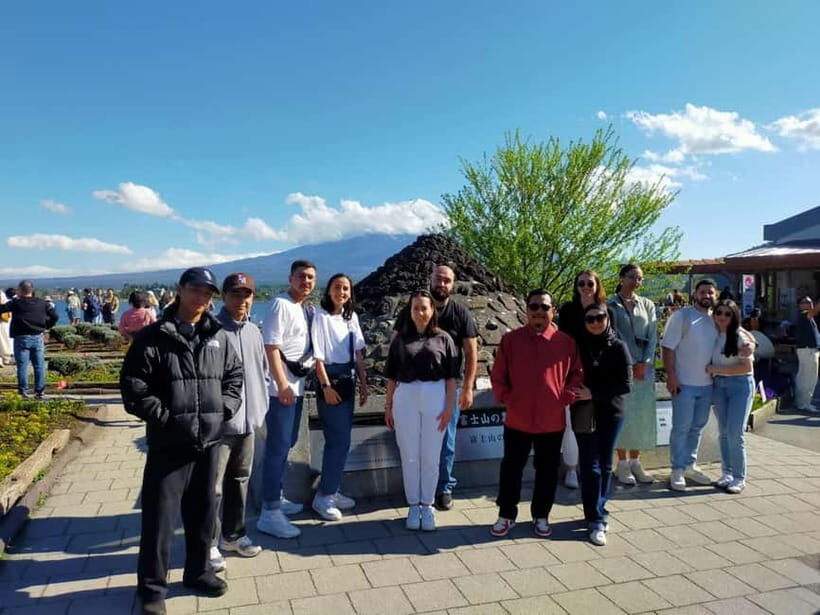
- Lawson Lake Kawaguchi Fuji sign: A fast photo break that’s become its own destination.
- Oishi Park or Maple Corridor: Flowers most of the year; autumn color tunnel around late Oct to mid-Nov.
- Weather-proof pacing: Even if Fuji disappears, you still get beautiful towns, food bites, and scenic stops.
Fuji Photos Start at Arakurayama Sengen Park and Chureito Pagoda
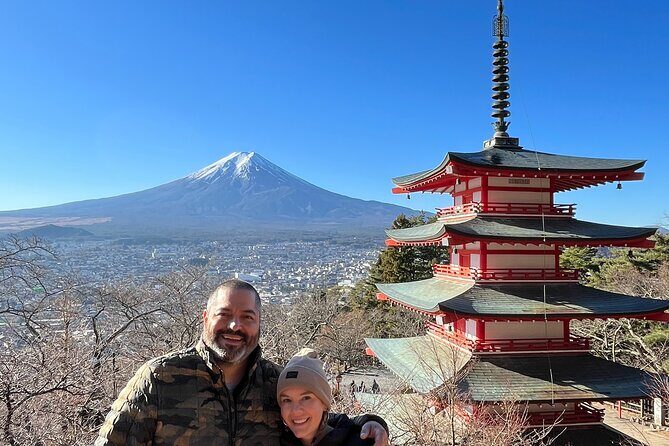
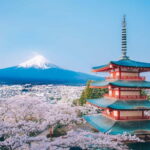
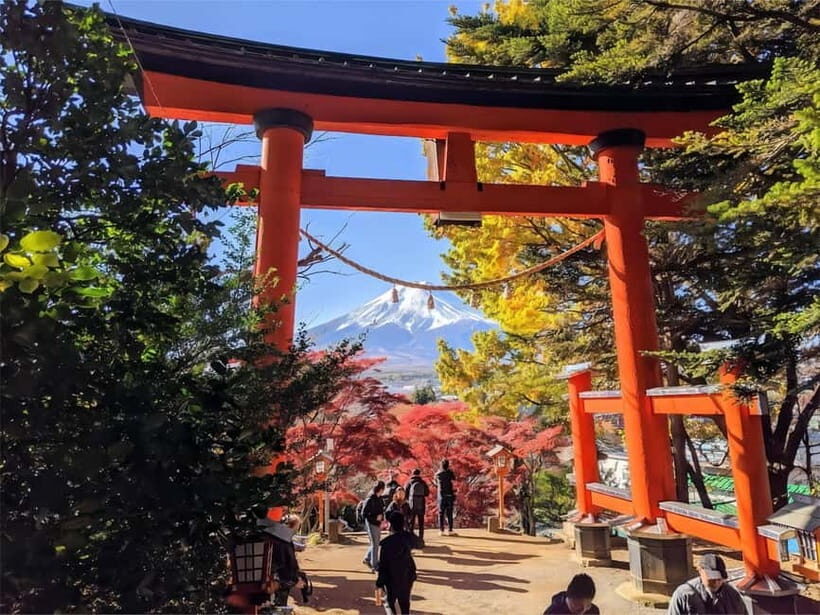
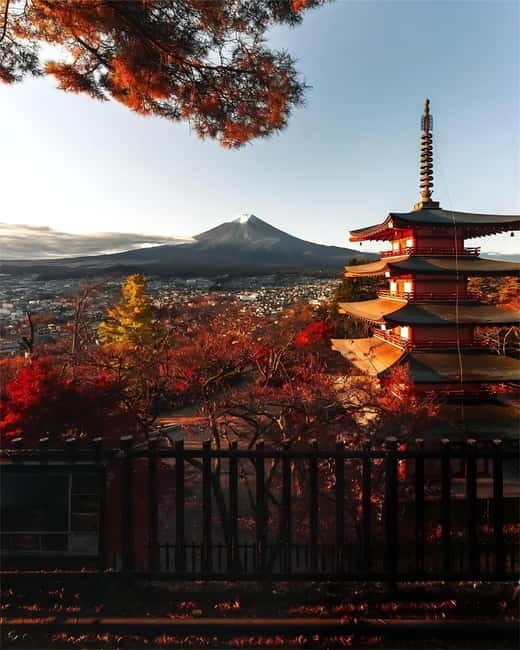
The day begins with Mt. Fuji’s most famous “arrived at the right place” moment. You’ll go to Arakurayama Sengen Park, where a 397-step climb leads to the Chureito Pagoda viewpoint. It’s not just a walk—those steps are the whole point. Higher ground is what gives you that clean, postcard-style line of sight.
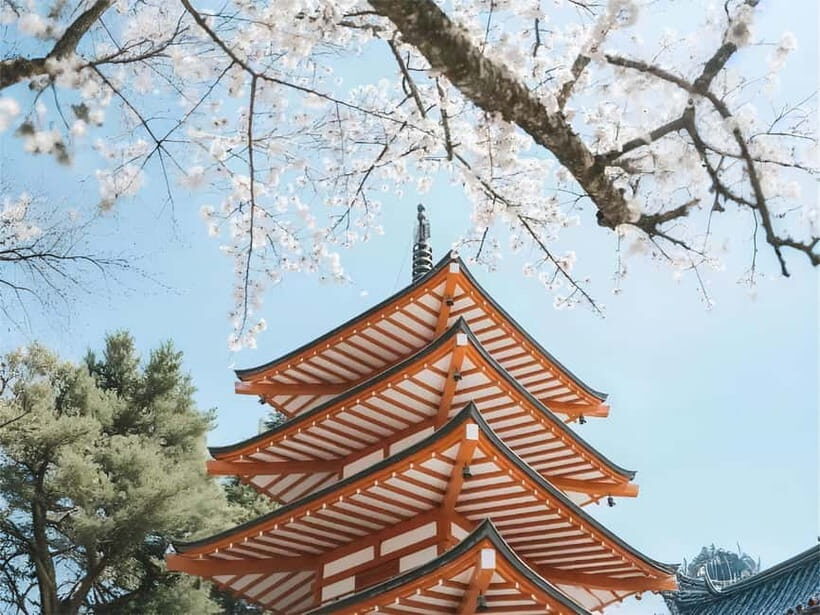
At the top, you get time for photos and a guided overview of what you’re looking at. This is the kind of spot where season changes everything: cherry blossoms can frame the scene, green foliage shifts the mood in warmer months, autumn leaves add color, and winter can bring snow to the peak. On a clear day, Fuji looks crisp and close. On a cloudy day, you might feel the disappointment fast—one recent guest had exactly that situation—so keep expectations flexible.
The climb can also be a factor if you’re short on stamina. It’s manageable, but you should be prepared for stairs and a bit of uphill effort. I’d bring comfortable shoes because you’ll likely move quickly up top for photos before the light changes.
A few more Tokyo tours and experiences worth a look
The Fujiyoshida Street View at Hikawa Clock Shop
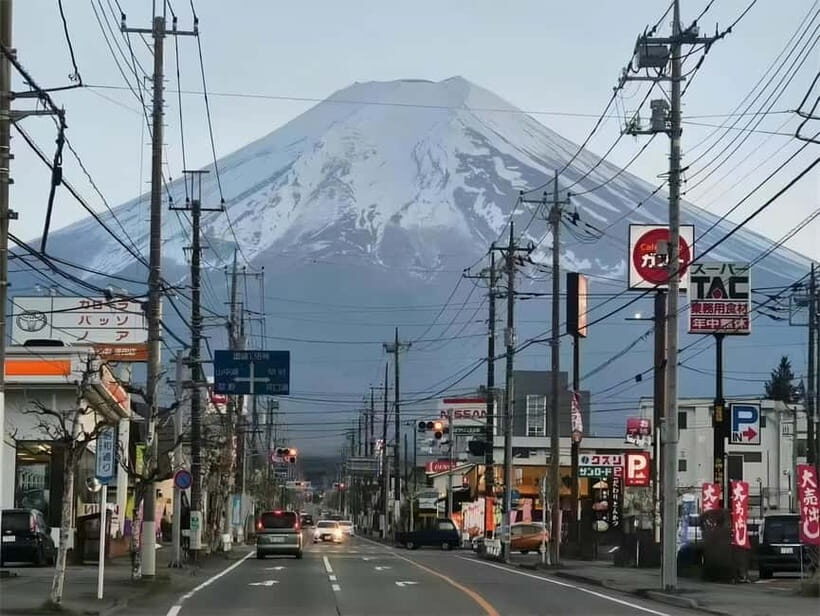
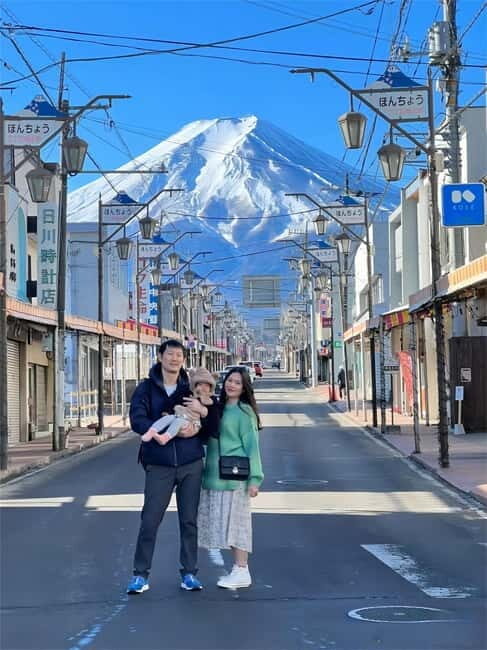
After the big viewpoint, the tour shifts gears into a smaller, more local-feeling stop. You’ll head to the Hikawa Clock Shop in Fujiyoshida, a place known for its “Heavenly Town” perspective—quiet streets where Mt. Fuji can appear lined up with the buildings.
This isn’t a long stop, but that’s the beauty of it. You get a focused photo stop and a brief window for roaming around what looks like a little viewpoint corridor of its own. If the weather is good, this is one of those moments where Fuji feels like part of the town’s design rather than something you’re simply driving toward.
If the weather is poor, you still get a pleasant break from the bus. Think of it as a reset: short, scenic, and built for photos without demanding a full hike.
Oshino Hakkai: Eight Ponds, Spring Water, and Quiet Japan
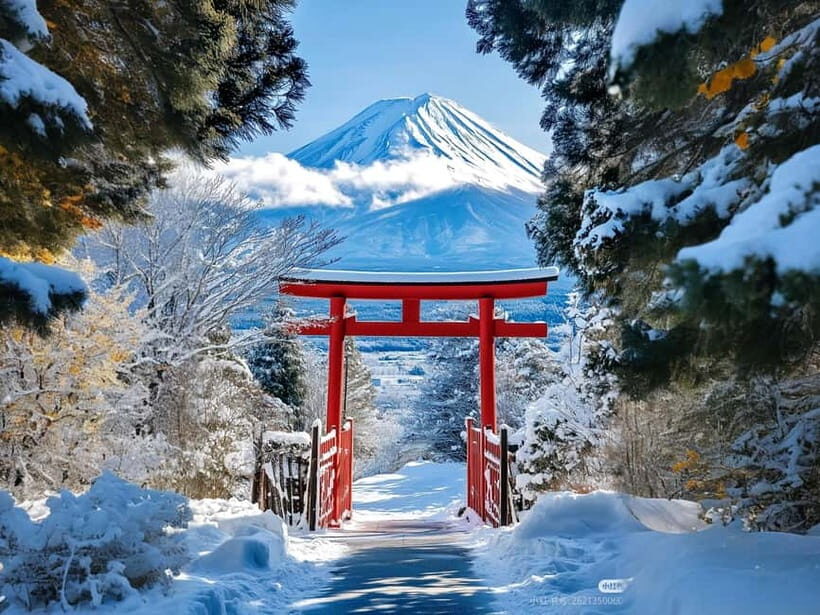
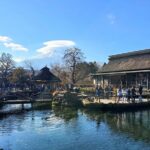
Then you get one of the most soothing stops on the whole route: Oshino Hakkai. This village is built around eight ponds of mineral-rich spring water fed by Mt. Fuji’s snowmelt. The vibe changes the second you arrive. Instead of chasing the biggest view, you’re watching reflections, drinking water straight from the area, and wandering at a slower speed.
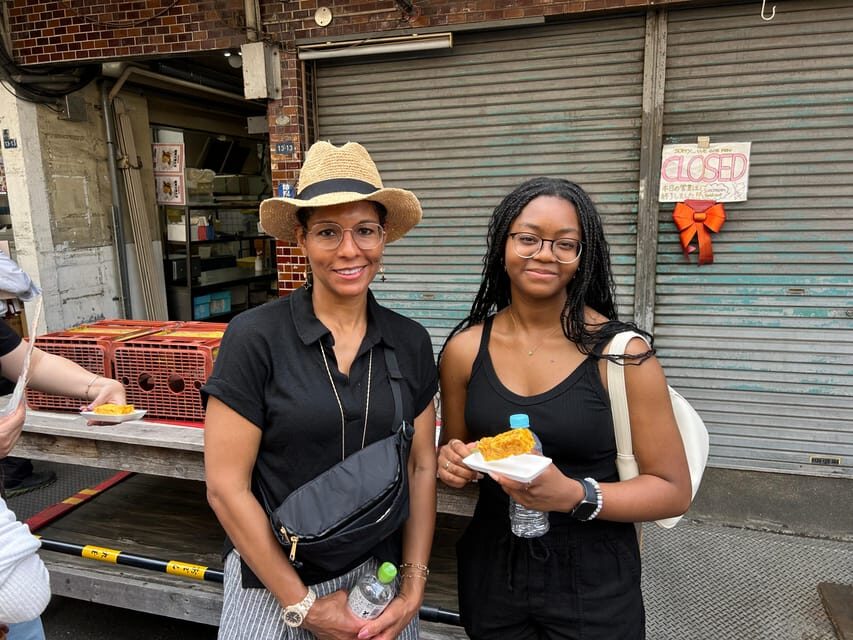
You also get time to taste local snacks. Expect classic regional options like tofu with pickled miso and kusamochi (a traditional rice cake filled with sweet red bean paste). It’s not a full meal stop, but it gives you the flavor of the Fuji Five Lakes region without turning lunch into a long, expensive detour.
One thing I like here is how it balances the itinerary. The day has huge photo anchors (Chureito Pagoda and Lake Kawaguchi), and Oshino Hakkai gives you texture—quiet water, small paths, and the sense that life runs on a calmer schedule. If you want more than views, this is where the trip starts feeling meaningful.
A Quick Reset at Lawson Lake Kawaguchi for the Fuji Sign Photo
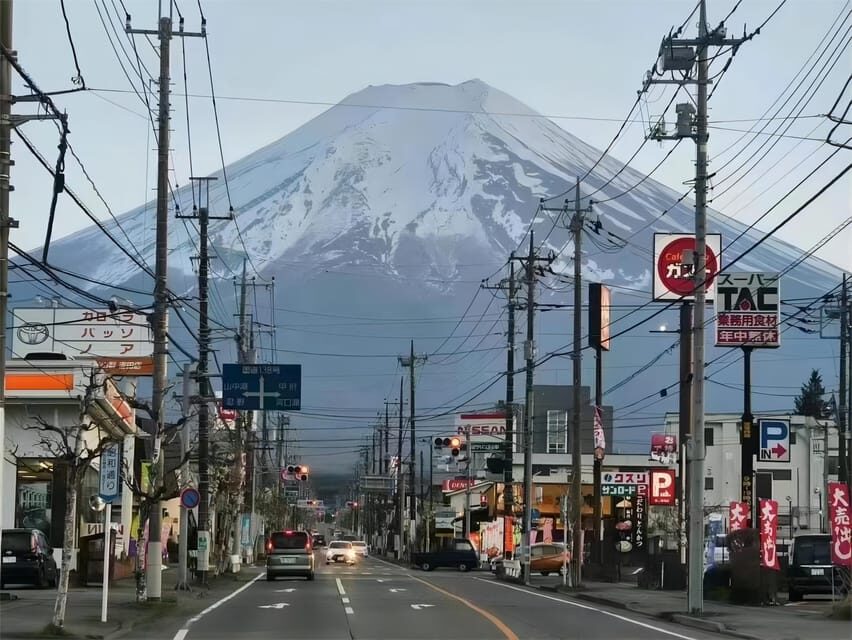
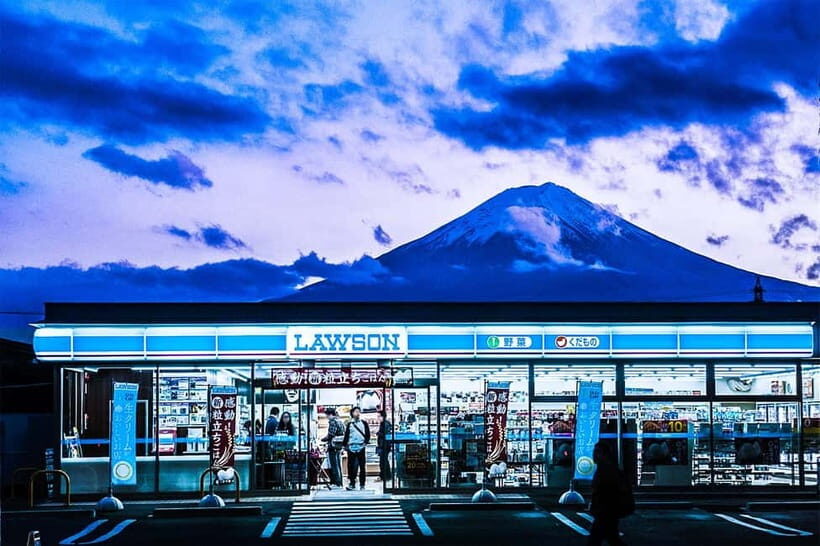
Next comes a short but very specific stop at the Lawson convenience store near Lake Kawaguchi. Yes, it sounds silly until you see why people care. The store’s sign is famous for framing Mount Fuji in a clean, recognizable photo composition.
This is a brief 20-minute pause, so don’t plan to do much beyond photographing and grabbing something to snack on. Ice cream is often the go-to here because it matches the relaxed rhythm of Lake Kawaguchi sightseeing. If the day has been warm, it’s an easy little comfort break. If it’s chilly, grab a quick bite and get back out to the water area.
The practical value: it’s an Instagram-ready shot without requiring another long hike or a separate ticket. Convenience stores in Japan are also a great place to buy a drink fast—just remember you can’t eat in the vehicle.
Lake Kawaguchiko: Oishi Park Flowers or the Maple Corridor Tunnel
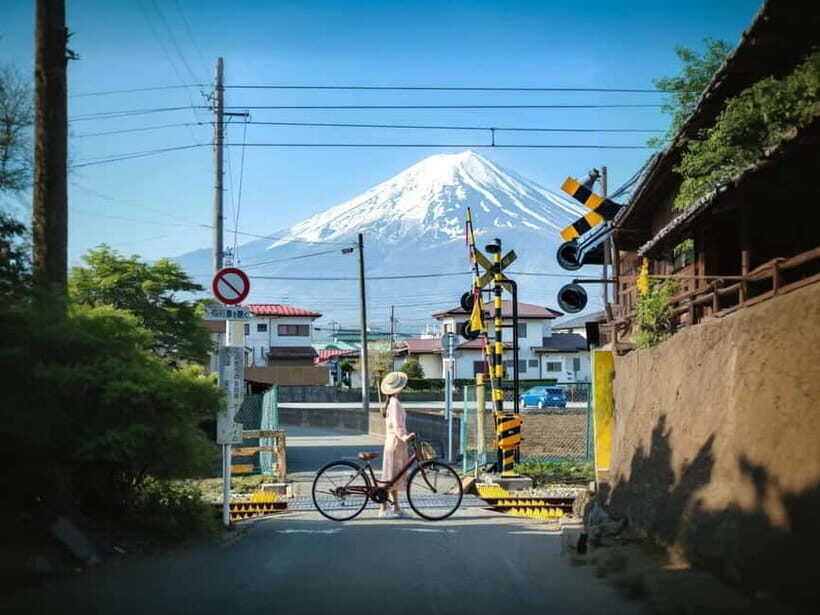
Lake Kawaguchi is the final major stage of the tour. You’ll get about 50 minutes for Lake Kawaguchiko: Oishi Park most of the year. Oishi Park is known for flower fields that can include lavender, begonia, cosmos, and Japanese blood grass. In good light, it’s colorful, photogenic, and easy to enjoy even if Fuji is partially hidden.
But there’s a seasonal twist. From roughly October 30 to November 20 (depending on how the season lands), the itinerary switches to the Maple Corridor instead of Oishi Park. During that window, you’ll stroll through a corridor of autumn color with Mt. Fuji views when conditions allow. If you’re timing your trip for fall color, this is the part you’ll want to prioritize—because it’s the difference between “pretty lake” and “wow, that looks like a movie set.”
If you’re visiting in winter or spring, plan on different scenery than autumn highlights—still worth it, just different. Either way, Lake Kawaguchi gives you that late-day payoff: a wide atmosphere, fresh air, and the sense that your Fuji day isn’t just a single viewpoint sprint.
A few more Tokyo tours and experiences worth a look





Price and Logistics: What $61 Buys You (and What It Doesn’t)
At $61 per person for a 10-hour day, the headline value is simple: you’re paying for transport plus a live guide. The trip includes roundtrip transportation by vehicle (it can be a 10-seater, 14-seater, or a larger bus), and a guide who keeps the day moving.
What’s not included is equally important. Food and drinks are not included, and entry tickets aren’t included either. That means your real day cost will depend on what you choose to eat at Oshino Hakkai, whether you buy ice cream at the lake, and any ticketed stops you decide are worth it.
Also note the small-but-real practical constraints:
- No food or drinks in the vehicle means you’ll want snacks for stops, not for the bus.
- Luggage space is limited, so avoid big bags.
- You’ll spend a good chunk of time on the road—about 2.5 hours each way—so pack for comfort and bring water.
This is still good value if you want a structured Fuji day without dealing with transfers, timetables, and planning three or four separate outings. It’s less ideal if you hate group schedules or you’re the type who wants unlimited wandering time.
Timing That Feels Fast: How the 10-Hour Day Actually Flows
Let’s talk pacing. The tour is built around short, high-impact stops.
- Arakurayama Sengen Park: about 1 hour total, with photo and guided time.
- Chureito Pagoda: 30 minutes for the classic shots.
- Hikawa Clock Shop: about 20 minutes, mainly for photos and quick viewing.
- Oshino Hakkai: about 80 minutes, including snack time and some free wandering.
- Lawson Lake Kawaguchi: about 20 minutes, mostly for the Fuji sign photo and quick bites.
- Lake Kawaguchiko (Oishi Park or Maple Corridor): about 50 minutes.
The tour usually wraps around 16:30, with an estimated return to Tokyo between 18:00 and 18:30, depending on traffic and weather. That’s normal for this region—roads change speed when visibility and crowds shift.
A word on weather: Fuji visibility isn’t controlled by anyone on earth. Cloud cover happens. When it does, you’ll still have a full day of gardens, ponds, towns, and photo stops—but your Mt. Fuji payoff may be muted.
How to Find the Guide Fast at Tokyo Station
Tokyo Station is the place where a small misunderstanding can turn into a stressful morning. The tour helps by emailing a meeting-point photo and the guide’s phone number the day before. Use those details. Don’t rely on memory or guesswork.
Here’s how I’d handle it:
- Arrive a little early.
- Be ready to call the guide if you can’t spot them.
- Look for the group rather than chasing random signage.
This matters because delays at the start cascade through the whole day. The trip is structured tightly, and you don’t want to lose time right out of the gate.
Who This Tour Fits Best (and Who Might Skip It)
This is a great pick if you want an efficient Mt. Fuji + Lake Kawaguchi day trip from Tokyo with built-in photo planning. It’s especially good for first-timers who want to hit Arakurayama Sengen Park, Chureito Pagoda, Oshino Hakkai, and Lake Kawaguchi without stitching together multiple transport connections.
You’ll also like it if:
- You enjoy guided context but still want time to wander.
- You like tasting local snacks without planning a whole menu.
- You want seasonal scenery at Lake Kawaguchi (flowers or autumn color).
You might skip it if you:
- Need long, slow time at each location. This route is structured for movement.
- Have mobility limits that make the steps at Arakurayama hard.
- Expect Mt. Fuji to be guaranteed, no matter the sky. It’s a weather-dependent sight.
Should You Book This Tokyo: Mt. Fuji & Lake Kawaguchi Full Day Trip?
I think it’s a smart booking for the right traveler. If your goal is to see the classic Mt. Fuji viewpoints plus a real Fuji-region food and pond stop, the itinerary has good balance. The price makes sense because transportation and a guide are included, and the stops are short enough to feel efficient while still giving you real moments—especially at Chureito Pagoda and Oshino Hakkai.
Book it if you can be flexible about weather and you’re okay with a busy 10-hour schedule. I’d especially book it if you’re visiting in late October through mid-November for autumn color at Lake Kawaguchi.
If you’re the kind of traveler who wants a calmer pace and lots of independent exploring, you might prefer a private or self-guided approach. But for most people, this is a solid way to get the Fuji highlights without turning the day into a logistics project.
FAQ
How long is the Mt. Fuji & Lake Kawaguchi full day trip?
The tour runs for 10 hours, with a typical wrap-up around 16:30 and an estimated return to Tokyo at about 18:00 to 18:30 depending on traffic and weather.
Where is the meeting point?
Meet at Tokyo Station, Marunouchi North Exit. The meeting-point photo and the guide’s phone number are sent by email the day before your activity.
Is Mount Fuji guaranteed to be visible?
Visibility depends on weather. If the day is cloudy, you may not see Mt. Fuji clearly from the viewpoints.
How much time do we spend at each main stop?
You’ll typically spend around: 1 hour at Arakurayama Sengen Park, 30 minutes at Chureito Pagoda, about 20 minutes at Hikawa Clock Shop, 80 minutes at Oshino Hakkai, 20 minutes at the Lawson Lake Kawaguchi stop, and about 50 minutes at Lake Kawaguchiko (Oishi Park or Maple Corridor).
Are entry tickets included?
No. Entry tickets are not included.
Is food included in the tour price?
No. Food and drinks are not included, though you’ll have snack and street-food time at stops.
Can we eat or drink on the bus?
No. Food and drinks are not allowed in the vehicle.
Which season includes Oishi Park versus Maple Corridor?
For most of the year, the tour visits Oishi Park. Around October 30 to November 20, the itinerary switches to the Maple Corridor for autumn colors.
What languages are offered for the live guide?
The live tour guide speaks English and Chinese.
Is there free cancellation?
Yes. You can cancel up to 24 hours in advance for a full refund.