REVIEW · TOKYO
Private 6hr Tokyo Essentials Tour of Tradition and Modernity
Book on Viator →Operated by Hinomaru One · Bookable on Viator
Tokyo makes more sense with a local guide. This private 6-hour loop stitches Tsukiji, Ueno, Asakusa, and Akihabara into one plan, with hotel pickup and time to ask questions as you go. I like the smooth start and the chance to get personal context from guide Satoshi; the tradeoff is that it is a walking day, and public transport costs aren’t included.
I also love that you pick a departure time between 9AM and 11AM, which helps you dodge the worst parts of your own routine. You’ll move efficiently between neighborhoods and markets, but you’ll still need to handle lunch on your own since it isn’t included.
In This Review
- Key highlights you’ll feel right away
- Why This Six-Hour Tokyo Essentials Loop Works
- Hotel Pickup and the Comfort of a Real Private Guide
- Stop 1: Tsukiji Fish Market for Seafood, Snacks, and Market Sense
- Stop 2: Ueno’s Temples and Ameya-Yokocho Shopping Street
- Stop 3: Asakusa and Senso-ji for Old Tokyo You Can Walk Through
- Stop 4: Akihabara for Anime, Arcades, and Tech Culture
- How the Tour Moves: Walking, Subway, and Keeping Your Day Easy
- Value at $215: When a Private Day Makes Sense
- Who This Tour Suits Best (and Who Might Skip It)
- Should You Book This Private Tokyo Essentials Tour?
- FAQ
- How long is the Private 6hr Tokyo Essentials Tour?
- What stops are included on the tour?
- Is hotel pickup included?
- What time can I start the tour?
- Is the tour private?
- Are admission tickets included?
- Is lunch included?
- Do I need to pay for public transportation?
- Is the guide English-speaking?
- What is the cancellation policy?
Key highlights you’ll feel right away
- Hotel pickup at your location so you start without wrestling transit first thing
- Private, English-speaking guide with room for real questions (not a rigid script)
- A smart mix of old Tokyo and tech Tokyo in one compact day
- Subway included at points so you’re not just sightseeing from the street
- Street-food and shopping time at every stop, so you can taste and browse
- A set 6-hour format that gives you orientation fast in a huge city
Why This Six-Hour Tokyo Essentials Loop Works
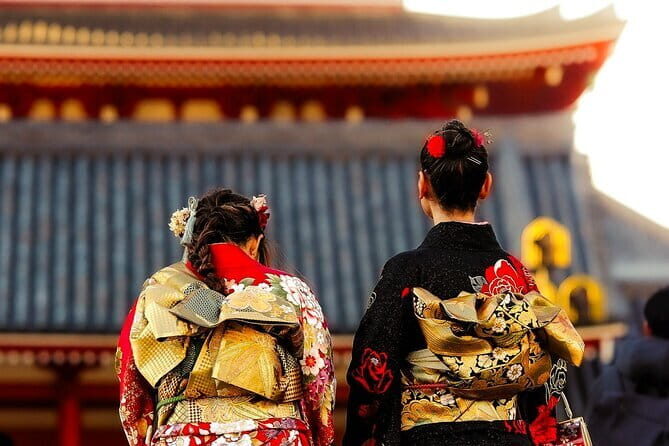
Tokyo is a big, layered city. If you only have a few days, hopping around on your own can turn into a lot of transit and not much understanding. This tour is built to solve that. In one day you get old Tokyo temples and market streets, then you switch gears to neon, arcades, and tech culture.
What makes it work is the pacing and the flow. You’re not trying to see everything; you’re getting the key neighborhoods that help you understand the city’s different moods. And because it is private, you can ask why something matters, not just what to take a photo of.
The format also helps with decision fatigue. Instead of guessing which train lines to use, you follow a plan that already connects the dots between Tsukiji, Ueno, Asakusa, and Akihabara.
You can also read our reviews of more private tours in Tokyo


Hotel Pickup and the Comfort of a Real Private Guide
Starting with pickup is a big quality-of-life win in Tokyo. You skip the early scramble, and you arrive with time to settle in before the day gets moving. This tour offers convenient pickup from your hotel, Airbnb, or other location, and you can choose a start time between 9AM and 11AM.
Once you’re on the move, the private part matters more than people expect. With a guide you can ask questions without that awkward feeling that you’re slowing everyone down. In this tour, the guide is described as experienced and friendly, with a way of explaining history and daily life that feels practical rather than lecturing.
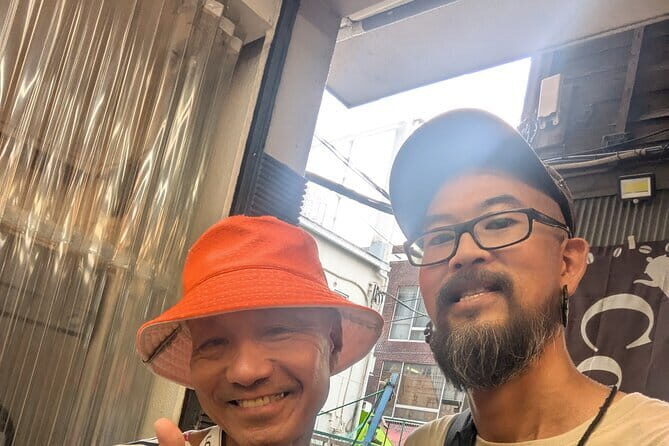
Satoshi, specifically, comes up in the standout feedback. People highlight how he shared lots of interesting historical facts and personal experiences at the stops, and how he knew how to work with shop owners to get you where you want to go. That kind of local relationship can make small moments smoother, like getting pointed to the right streets inside a busy area.
Stop 1: Tsukiji Fish Market for Seafood, Snacks, and Market Sense
Tsukiji Fish Market is where Tokyo’s food culture hits you in the face—in a good way. You get about 1 hour 30 minutes here, and the focus is on walking through the stalls, tasting what’s around, and soaking up the atmosphere of a working seafood hub.
You can expect to see and sample things like sushi, grilled seafood skewers, and other Japanese street food. The practical value here is that Tsukiji teaches you how market eating works: you’re not sitting down for a formal meal, you’re browsing and buying small tastes as you go. If you’ve never done street-food style sampling in Japan, having a guide keeps you from guessing too much.
Potential drawback: this is a food-and-stalls environment, so it pays to be ready for crowds and close quarters. Also, since lunch isn’t included in the tour, Tsukiji can reduce your need to search later—but you still may want to plan what you’ll eat after.
Stop 2: Ueno’s Temples and Ameya-Yokocho Shopping Street
After Tsukiji, the tour shifts to Ueno, which is a nice change of pace. Ueno is known for a park area plus historic temples, and you get another 1 hour 30 minutes here. This stop is where Tokyo starts feeling more layered: you get both cultural landmarks and everyday shopping life close together.
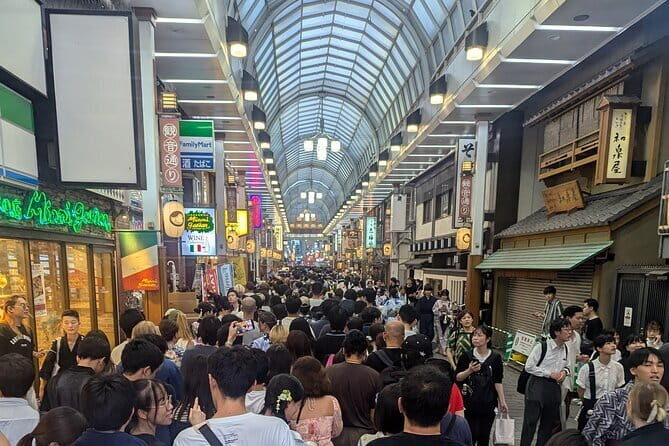
A key part of the Ueno experience is Ameya-Yokocho. This post-war style market street is a lively place to browse food shops and small stores. It’s also useful for orientation because it shows a different side of Tokyo than the glossy shopping districts people often focus on.
What I like about pairing Ueno with Tsukiji is the contrast. Tsukiji is about seafood energy and quick bites. Ueno adds a calmer, more contemplative tempo with temples nearby, then brings you back into street life through the market.
Possible consideration: Ueno’s mix of sights and shopping can tempt you into buying things you didn’t plan for. If you’re trying to keep space in your luggage, go in with a rough budget so you don’t get carried away by interesting snacks and souvenirs.
Stop 3: Asakusa and Senso-ji for Old Tokyo You Can Walk Through
Asakusa is the classic old-town Tokyo stop, and this tour gives it real time: 1 hour 30 minutes. The centerpiece is Senso-ji, described as Tokyo’s oldest and most famous temple, and you’ll also walk Nakamise Street, where traditional snacks and souvenirs line up.
This is one of those places where your brain wants to go into photo mode. But the guide’s role becomes important here. You’ll get help understanding what you’re seeing, not just where to stand for a picture. That context is especially useful if you’re new to Japan, because temple streets can look like pure scenery unless someone connects it to the broader story.
Nakamise Street is also your practical stop. You’ll have plenty of chances to snack and browse. Since the tour doesn’t include lunch, this is a strong moment to handle part of your eating for the day—at least the snack portion.
A small drawback to keep in mind: Asakusa is popular, so the area can feel busy. If you’re someone who gets overwhelmed in crowds, you may enjoy this stop most when you follow your guide’s pace and stay flexible rather than insisting on slow, wandering photo stops.



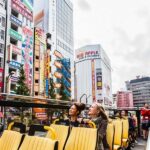


Stop 4: Akihabara for Anime, Arcades, and Tech Culture
By the time you reach Akihabara, you’ve already seen temple streets and market food. That makes the jump to Akihabara feel like stepping into another Tokyo. This final stop also lasts 1 hour 30 minutes, and it focuses on gaming, tech culture, and anime in action.
Expect neon energy and shopping that’s easy to explore on foot. The tour highlights multi-story arcades, retro gaming shops, and themed cafés. Even if you’re not a hardcore gamer, this is a fun way to understand how Tokyo brands its subcultures and how fans shop, play, and hang out.
I also like the way the day ends here for first-timers. You finish with something modern and playful, so the last hours don’t feel like a history lecture you’re stuck inside. It’s a good way to leave Tokyo with a memory that feels current.
Potential drawback: Akihabara can be price-dense. Tech and collectibles add up fast, so decide early what you’re willing to spend. If you’re just browsing, take your time—but keep your budget brain on.
How the Tour Moves: Walking, Subway, and Keeping Your Day Easy
This is a walking tour, but it isn’t only foot traffic. One review notes that it includes taking the subway, and that matches how you’d expect a tour to connect these far-flung neighborhoods efficiently. The tour is near public transportation, which helps if you need to orient yourself during the day.
Your practical job is simple: wear comfortable shoes and bring a small buffer for getting tired. Since the tour doesn’t include a private vehicle and doesn’t cover public transport fees, you’ll want to be ready to pay transit costs if they come up during the route. (The good news is you’re still getting an organized plan rather than guessing routes yourself.)
Timing also matters. With a start time window between 9AM and 11AM, you can choose what fits your energy. Early starts often mean fewer lineup frustrations, but later starts can feel kinder if you slept badly after arrival.
And because the tour is private, you won’t be stuck waiting on a big group pace. That flexibility can make a real difference on a day where you’re hopping across Tokyo’s different styles of streets.
Value at $215: When a Private Day Makes Sense
At $215 per person, this tour isn’t trying to be a bargain-basement option. It is priced for a private, fluent English-speaking guide plus hotel pickup plus a structured six-hour itinerary. The value question comes down to how you’ll use that structure.
If you’re traveling solo, the price may feel steep compared with DIY sightseeing. But the guide can still be worth it if you want your day to feel efficient and you care about understanding the city quickly. You’re paying for direction, context, and time savings.
If you’re traveling as a small group, the value usually improves because you’re splitting one private guide experience. The tour is private and personalized, so your family or friends aren’t competing with strangers for attention. That’s where the “per person” number can become easier to swallow.
Also, because admission fees for the listed stops are marked as free in the itinerary, you’re not paying extra entry charges for the big anchor sights on this route. Lunch still isn’t included, though, so budget for snacks or a meal of your choice during the day.
Who This Tour Suits Best (and Who Might Skip It)
This is a smart fit for first-time Japan visitors who want a fast orientation across different Tokyo neighborhoods. It’s also a great choice if you want to mix tradition and modern life without spending days researching which areas connect well.
You’ll likely enjoy this more if you like:
- Asking questions and getting context, not just following a checklist
- Shopping and street-food browsing as part of sightseeing
- A paced itinerary that keeps your day moving in a big city
You might consider skipping it if:
- You prefer total DIY freedom with no scheduled flow
- You want a long sit-down lunch as the main event of your day
- You dislike walking or prefer a slower, unplanned rhythm
Should You Book This Private Tokyo Essentials Tour?
If you want a guided day that links Tokyo’s classic sights with modern pop culture, I think this is a strong booking. The combo of hotel pickup, a private English-speaking guide, and a plan that covers Tsukiji, Ueno, Asakusa, and Akihabara means you spend less time figuring things out and more time actually enjoying the city.
Book it if you’re short on time and want your Tokyo to make sense fast. Skip it if you’re already comfortable navigating on your own and you don’t care about guided context. Either way, go in with comfortable shoes, expect a mix of walking and subway, and use snack stops to support your day—since lunch isn’t included.
FAQ
How long is the Private 6hr Tokyo Essentials Tour?
The tour is approximately 6 hours.
What stops are included on the tour?
The tour includes Tsukiji Fish Market, Ueno, Asakusa (Senso-ji and Nakamise Street), and Akihabara.
Is hotel pickup included?
Yes, pickup is offered from your location, such as a hotel, Airbnb, or other address.
What time can I start the tour?
Departure time is flexible between 9AM and 11AM.
Is the tour private?
Yes. It is private, and only your group participates.
Are admission tickets included?
Admission tickets for the listed stops are shown as free, but attraction entry fees are not listed as included in general.
Is lunch included?
No, lunch for guests is not included.
Do I need to pay for public transportation?
Public transportation fees are not included.
Is the guide English-speaking?
Yes, the guide is fluent English-speaking.
What is the cancellation policy?
You can cancel for free up to 24 hours in advance of the experience’s start time for a full refund.