One good walk can save you hours of wandering. This Kanazawa tour strings together the big-name stops you actually want—plus quieter alleys that most first-timers skip. You get an English-speaking guide, a small group (limited to 10), and a tight route that fits neatly into a half day.
I like two things a lot: Kenrokuen Garden gets a focused 1-hour visit, and Omicho Market is handled at the right pace so you can snack and look without feeling lost. The guide’s historical context makes the samurai-and-geisha neighborhoods easier to read as you walk through them.
One possible drawback: entrance tickets and lunch are not included, so you’ll want to budget a bit extra and plan ahead for food timing during the 4 hours.
In This Review
- Key highlights at a glance
- Why this Kanazawa highlights walk is such a good half-day plan
- Meeting point at Kenjotei Tea House: start easy, start focused
- Kenrokuen Garden in 1 hour: what you should prioritize
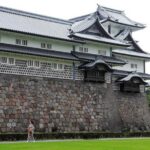
- Kanazawa Castle for 40 minutes: a short hit with context
- Omicho Market in 1 hour: the snack-and-browse sweet spot
- Higashi Chaya District for 1 hour: reading old streets like a local
- Small-group guidance and photos: what you’re really paying for
- Price and value: is $90 fair for a 4-hour highlights route?
- Who this tour is best for (and who should do something else)
- Tips to get the most out of your walk
- Should you book this Kanazawa walking tour?
- FAQ
- How long is the Kanazawa guided walking tour?
- Where does the tour meet?
- What sights are included?
- Is the tour guide English-speaking?
- How big is the group?
- What is included in the tour price?
- What isn’t included?
- How much does the tour cost?
- What is the cancellation policy?
Key highlights at a glance
- Small group of up to 10 means more attention from the guide
- English-speaking guide with historical insights as you walk
- Kenrokuen Garden (1 hour) and Kanazawa Castle (40 minutes) on a tight schedule
- Omicho Market (1 hour) with time to browse and try local snacks
- Higashi Chaya District (1 hour) to connect the dots on Kanazawa’s cultural heritage
- Photos taken during the tour so you don’t rely on awkward selfies
Why this Kanazawa highlights walk is such a good half-day plan
Kanazawa is the kind of city where you can burn time fast if you’re trying to stitch things together on your own. This tour fixes that problem. In just 4 hours, you hit the top sights people come for and connect them to the story behind the streets you’re walking.
You also get a very practical pacing. Some sightseeing tours drag, because they’re trying to cover too much. Here, the schedule is built around a few meaningful stops, with short on-foot stretches between them. That’s ideal if you want momentum without feeling rushed every 30 seconds.
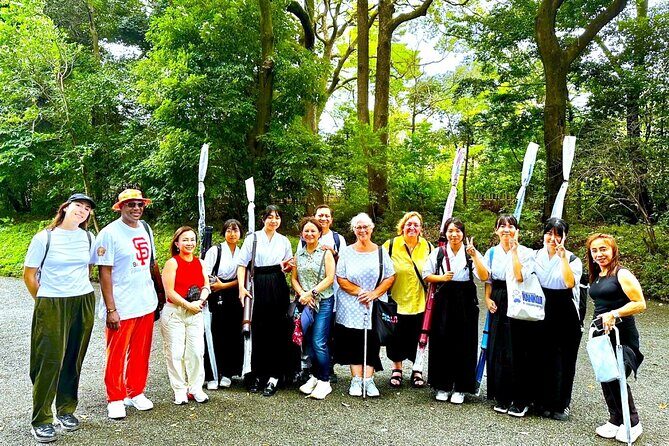
Finally, it’s built for real group dynamics. The group is limited to 10 participants, which is big enough to have energy and small enough that questions actually get answered.
You can also read our reviews of more walking tours in Kanazawa

Meeting point at Kenjotei Tea House: start easy, start focused
Your tour starts at Kenjotei Tea House. That matters more than it sounds. You begin at a known place, so you don’t lose time figuring out where to meet, especially in a city where lanes can twist and signage can be less straightforward than you’d expect.
Starting from a tea house also sets the tone for how Kanazawa feels. This isn’t only about crossing off attractions. It’s about learning how the city “works” on a human scale—garden, market, castle grounds, then the old districts by foot.
If you like to have a plan but still want flexibility, this start style helps. The guide can steer the flow based on what you’re most curious about, without turning the day into a strict checklist.
Kenrokuen Garden in 1 hour: what you should prioritize
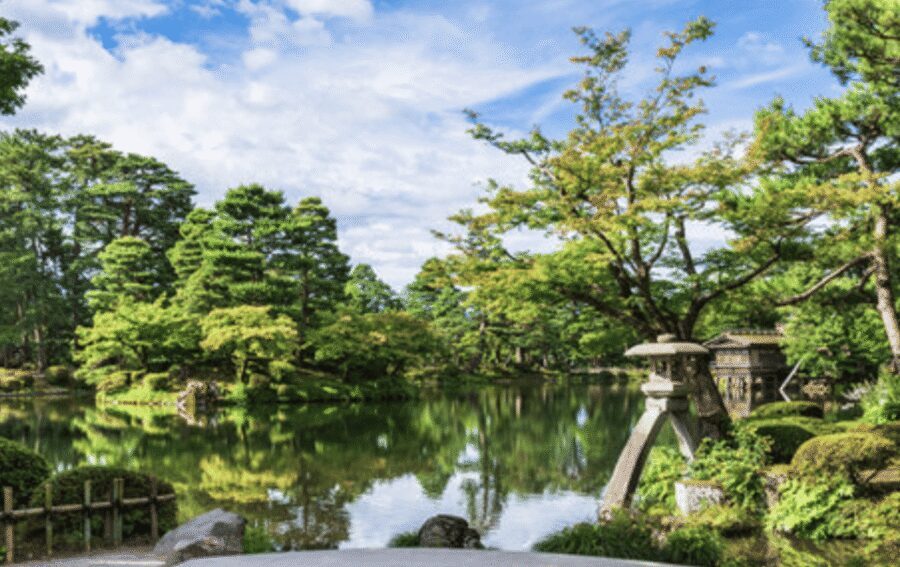
You’ll spend about 1 hour at Kenroku-en. This is one of Japan’s famous gardens, so it’s easy to make the common mistake: trying to see everything. You won’t. And that’s not a failure—when you’re on a timed guided route, the value is in picking the right viewpoints and learning what you’re actually looking at.
In a garden like Kenroku-en, context changes the whole experience. You’re not just watching ponds and paths. You’re seeing the logic of the design through the guide’s explanations, which makes the walk through the grounds feel like reading a map.
What I’d focus on during your hour:
- Take your time at the main viewpoints instead of rushing between distant spots
- Look for seasonal cues mentioned by the guide, because that’s often what turns a “pretty garden” into a “now I get it” moment
- Let the guide’s route set the rhythm, especially if you’re not sure where to stand for the best views
The upside here is clarity. If you’ve ever arrived at a major garden and then felt your attention scatter, a guided hour like this gives you a steady anchor.
Kanazawa Castle for 40 minutes: a short hit with context
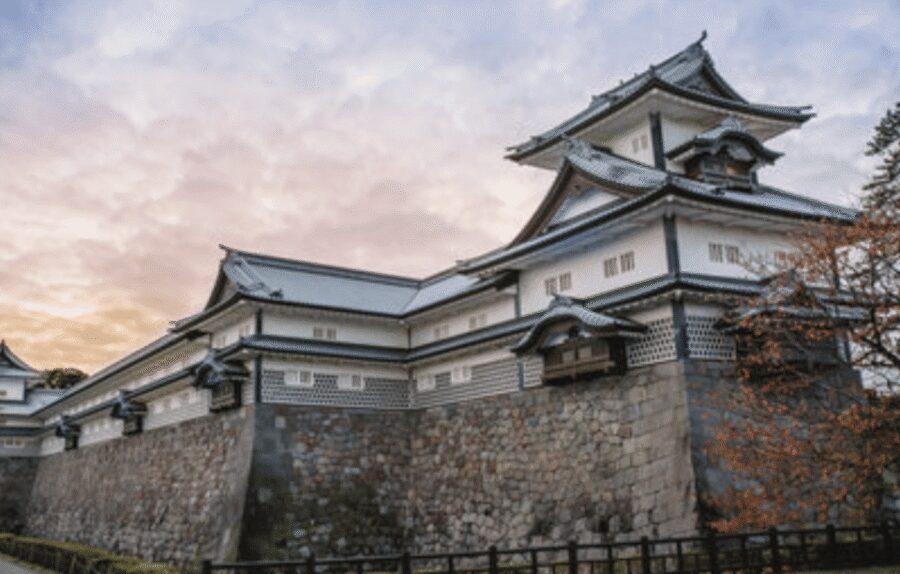
After Kenroku-en, you’ll move to Kanazawa Castle for about 40 minutes. For a major site, that time is short. But it works if your goal is orientation and story rather than deep research.
A guide is especially useful at places like this, because the buildings and grounds can feel distant if you don’t know what you’re looking at. Historical insights help you connect what remains now with what the area meant in the past.
The real “win” of keeping this stop to 40 minutes is that you don’t get stuck in the trap of long museum-style pacing. You get enough to understand the role of the castle area, then you move on to the markets and districts where the culture becomes visible in day-to-day streets.
If you love architecture or want to linger, consider this a taste. You’ll likely want additional time later if you feel drawn back to the area after the tour.
Omicho Market in 1 hour: the snack-and-browse sweet spot
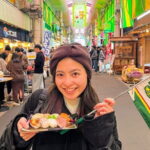
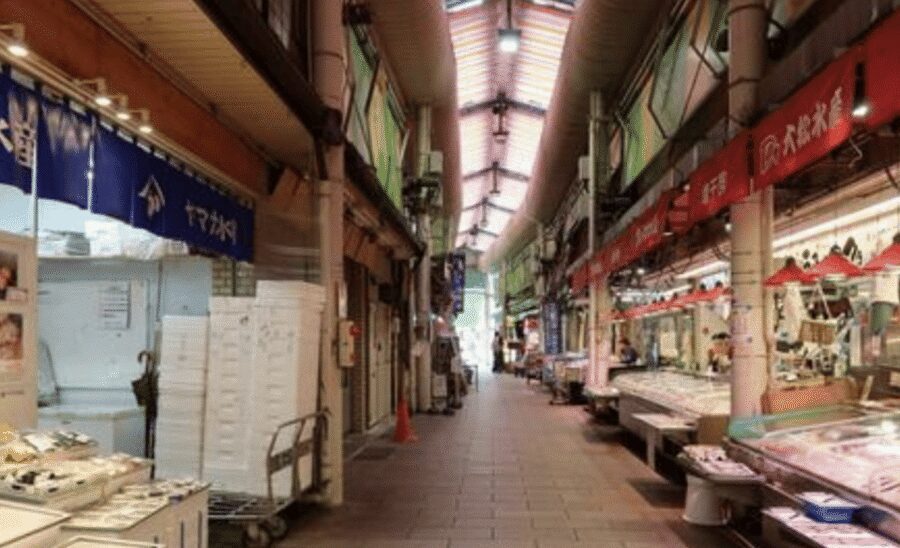
Next up: Omicho Market for about 1 hour. This is one of the places in Kanazawa where food culture shows up immediately. Markets can overwhelm you quickly—noise, crowds, and too many choices. Having a guide and a set time helps you enjoy it instead of stress about it.
You’re scheduled for 1 hour, which is long enough to browse, ask questions, and try small things without turning the visit into a “sprint.” It’s also short enough that you don’t burn your energy before the cultural district walk later.
One practical note: lunch isn’t included. That doesn’t make Omicho a bad stop. It means you should treat the market as either:
- A place to snack and sample, or
- A place to pick up something quick so you’re not scrambling later
What you’ll likely appreciate most is how the guide frames the market experience, so you’re looking for the right types of stalls and local foods rather than just walking past things blindly.
You can also read our reviews of more guided tours in Kanazawa



Higashi Chaya District for 1 hour: reading old streets like a local
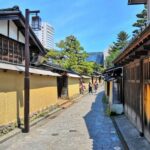
Then comes Higashi Chaya District for about 1 hour. This is where Kanazawa’s old-world atmosphere becomes obvious. The district is strongly tied to the city’s samurai and geisha heritage, and that background matters once you’re walking the lanes.
This is also a great part of the tour for that “side streets you’d miss alone” feeling. The route includes walking segments between stops and time inside the district. That combination helps you notice details: street layout, the rhythm of pedestrian spaces, and the kind of architecture that’s easy to overlook if you’re only snapping photos.
I like that the tour doesn’t just treat Higashi Chaya as a photo backdrop. With the guide’s historical insights, you can understand why the neighborhood looks the way it does and what those connections mean in Kanazawa.
Also, this is a nice contrast to the market and the castle. You’re switching from action and food to quieter cultural texture, which keeps the overall 4 hours from feeling monotonous.
Small-group guidance and photos: what you’re really paying for
At $90 per person, you’re not just buying admission to famous places. You’re buying three things that are hard to replicate on your own:
1) A guide who brings the story together
Historical insights are included, and that changes how each stop lands. Instead of collecting random sights, you get connections: garden design, castle meaning, market culture, and district heritage.
2) A manageable group size
With up to 10 participants, you’re less likely to get left behind or drowned out. If you want the guide to repeat something or clarify what you’re seeing, you have a better shot.
3) Photos taken during the tour
This is surprisingly valuable. You get photos without spending half the tour hunting for a good angle and asking strangers to take pictures.
In the recent guide experiences shared for this tour, names like Masako and Hiira come up, and both were described as friendly, prepared, and attentive to what people wanted to do during the route. You shouldn’t assume every guide will match those exact details, but it’s a good sign that the experience style is people-focused rather than robot-guided.
Price and value: is $90 fair for a 4-hour highlights route?
Let’s be straight about it: you’re paying for convenience, not just time. A 4-hour walk covering Kenrokuen, Kanazawa Castle, Omicho Market, and Higashi Chaya is a lot to do efficiently without help.
Here’s why it can still feel like good value:
- You get a professional English-speaking guide
- You get photos taken during the tour
- You get historical context across multiple areas
- You stay in motion with a route that likely prevents backtracking
But you do need to account for what’s not included. Entrance tickets, lunch, and transportation fees are not part of the price. If you’d otherwise buy tickets on your own, your real cost will be the tour price plus whatever you pay for entries and meals.
For many visitors, that trade-off is still worth it because the guide time is the expensive part you can’t easily recreate. You’re essentially paying to reduce uncertainty and maximize understanding in a short window.
Who this tour is best for (and who should do something else)
This tour makes the most sense if you:
- Want Kanazawa’s main sights without planning every turn
- Appreciate a guide’s explanations, not just a list of places
- Have limited time and want a clear plan for a half day
- Like the idea of a small group where you can ask questions
It’s also a strong pick for first-time visitors who want the city’s signature experiences in a single focused route.
If you’re the type who wants to linger for long stretches—especially at gardens or castle grounds—this might feel a bit tight. The stops are timed, so you’ll be tempted to return later for a slower self-guided version.
Tips to get the most out of your walk
Since your total time is only 4 hours, small choices matter.
- Wear comfortable walking shoes. The tour mixes site time with on-foot segments, so you’ll be on your feet throughout.
- Have a plan for meals. Because lunch isn’t included, treat market time as snacks or decide how you’ll eat after the tour.
- Bring cash or a card for entrance tickets. Since entrance ticket costs aren’t included, don’t count on everything being covered.
- If you care about photos, stand where the guide tells you. The photo moments work best when you follow the timing and positioning.
Should you book this Kanazawa walking tour?
If your goal is a smart, efficient highlights day, I’d say yes, book it—especially if you’re short on time and you want the city’s key places in one smooth flow. The combination of Kenrokuen, Kanazawa Castle, Omicho Market, and Higashi Chaya gives you a well-rounded Kanazawa snapshot, and the English-speaking, small-group format makes the experience feel personal instead of crowded.
But if you hate structured pacing or you want a slow, photo-at-every-corner day, you might prefer building your own route so you can stretch the garden and castle time. In that case, this tour is better as a “first taste,” then you go back later on your own.
If you’re trying to make one half-day count, this is a solid pick: guided context, a tight itinerary, and the kind of planning help that saves you from the usual sightseeing guesswork.
FAQ
How long is the Kanazawa guided walking tour?
The tour duration is 4 hours.
Where does the tour meet?
The meeting point is in front of Kenjotei Tea House.
What sights are included?
The tour includes Kenroku-en, Kanazawa Castle, Omicho Market, and the Higashi Chaya District.
Is the tour guide English-speaking?
Yes. The tour has a live English-speaking guide.
How big is the group?
The group is limited to 10 participants.
What is included in the tour price?
Included items are a professional English-speaking guide, photos taken during the tour, and historical insights into the districts.
What isn’t included?
The tour does not include the transportation fee, lunch, or entrance ticket(s).
How much does the tour cost?
The price is $90 per person.
What is the cancellation policy?
Free cancellation is available up to 24 hours in advance for a full refund.