REVIEW · TOKYO
Tokyo: Shibuya Highlights Walking Tour
Book on GetYourGuide →Operated by JLB TOURS · Bookable on GetYourGuide
If Shibuya feels like sensory overload, this tour gives it order. You start at Hachiko, walk the world-famous crossing, and get a local way of moving through the neon streets without wasting time.
I especially like the mix of “big-name Shibuya” and quieter side streets, plus the chance to see the area from an elevated viewpoint. Second, the small group size (up to 6) makes it easier to ask questions and get practical tips for what to eat and where to go next.
One consideration: it’s 90 minutes on foot, and the tour runs rain or shine, so you’ll want a proper umbrella or raincoat and comfortable shoes. Also, the guide can only wait 5 minutes at the start point.
In This Review
- Key things you’ll notice on this Shibuya tour
- Shibuya is loud. This tour helps you read it
- Meeting at SHIBU HACHI BOX: simple, but don’t be late
- The 90-minute flow: what you’ll actually experience
- Step 1: Getting oriented at Hachiko
- Step 2: Crossing Shibuya’s scramble
- Step 3: The “local Shibuya” walk—food, bars, and side streets
- Step 4: Cutting away from the crowd
- Step 5: The elevated viewing spot
- Why the “small group of 6” matters in Shibuya
- Rain or shine: keep the tour comfortable
- What to do before and after the tour
- Who this tour fits best
- Price: why $19 can feel like more than it costs
- Should you book the Shibuya Highlights Walking Tour?
- FAQ
- How long is the Shibuya Highlights Walking Tour?
- Where do I meet the guide?
- Is the tour held in rain or snow?
- What’s included in the price?
- Are food and drinks included?
- How large is the group, and is it wheelchair accessible?
Key things you’ll notice on this Shibuya tour

- Meet at Hachiko: you start at SHIBU HACHI BOX right by the Hachiko statue
- World-famous scramble, on foot: you cross the busiest crossing in the world
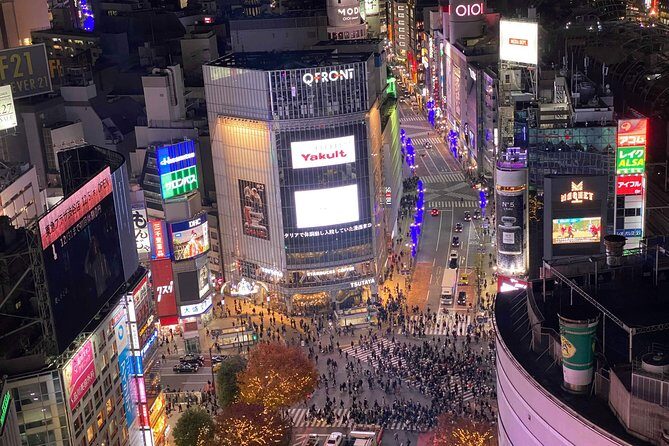
- Views from above: you’ll visit an impressive viewing spot with wide Shibuya views
- Pub-and-bar streets: you’ll get a local perspective on where people actually hang out
- Quiet corners and shortcuts: you spend time away from the densest foot traffic
- Photo guidance: your guide may point out where pictures are not appropriate
Shibuya is loud. This tour helps you read it
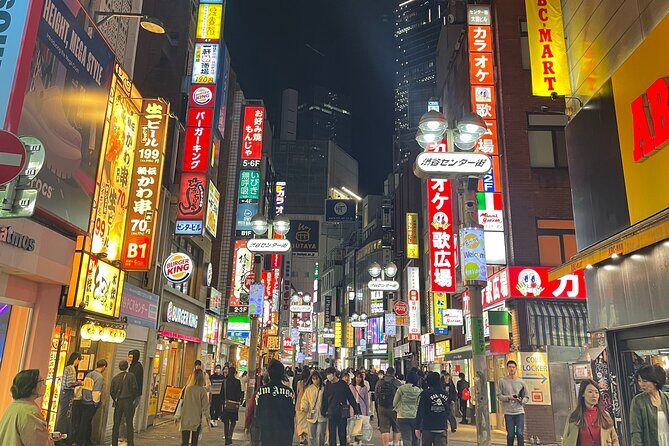
Shibuya can be hypnotic: billboards, crowds, train entrances, and that never-ending scramble flow. What makes this walking tour valuable is that it doesn’t just show you famous scenes. It helps you understand how the neighborhood works—where the energy concentrates, and where it relaxes into side streets.
The starting point is a classic for a reason. You begin at the Hachiko area, which is easy to find and sets the tone: you’re in Japan’s pop-culture heart, but you’re learning to move like someone who lives there. The best part is that you’ll see both the headline moments and the small streets you might miss if you simply follow your phone map.
And because it’s a small group—limited to 6 participants—the guide can slow down when questions come up. That matters in Shibuya, where tiny lanes can separate “I saw it” from “I learned it.”
You can also read our reviews of more walking tours in Tokyo

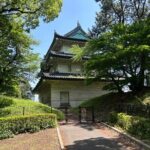

Meeting at SHIBU HACHI BOX: simple, but don’t be late
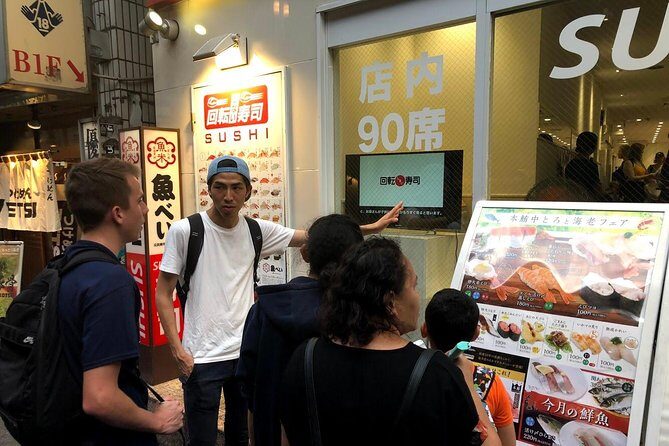
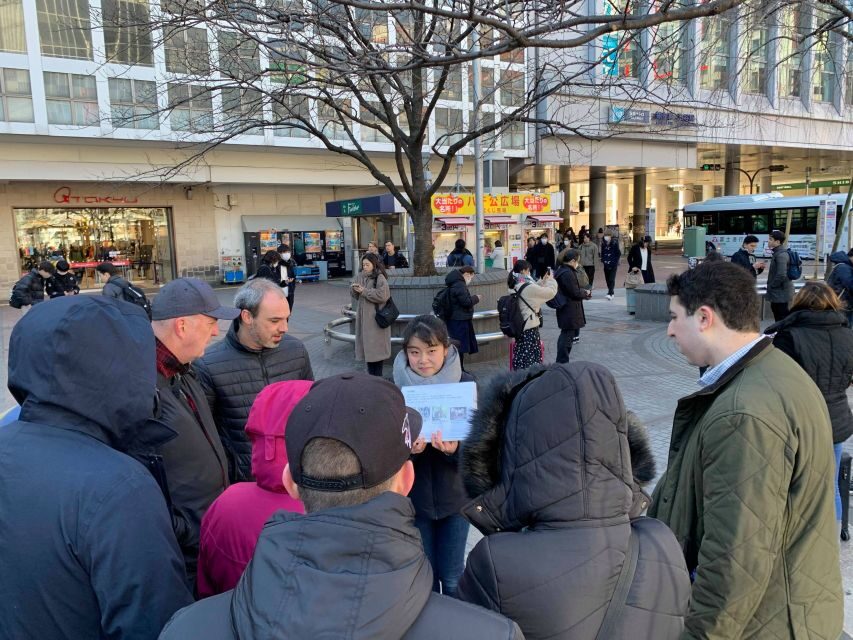
This tour meets at SHIBU HACHI BOX, the tourist information spot in front of the Hachiko statue. The directions are straightforward: come out from the Hachiko exit of JR Shibuya Station, then go to SHIBU HACHI BOX.
Here’s the practical detail that can make or break your start: the guide can wait only 5 minutes, and late arrivals can’t join after the tour begins. If you’re juggling trains, consider building in buffer time so you’re not rushing with a crowd.
If you’re the type who likes to arrive early, great—Shibuya station can be a maze at first. Once you’re at SHIBU HACHI BOX, tell the staff desk you’re joining the tour, and you’re set.
The 90-minute flow: what you’ll actually experience
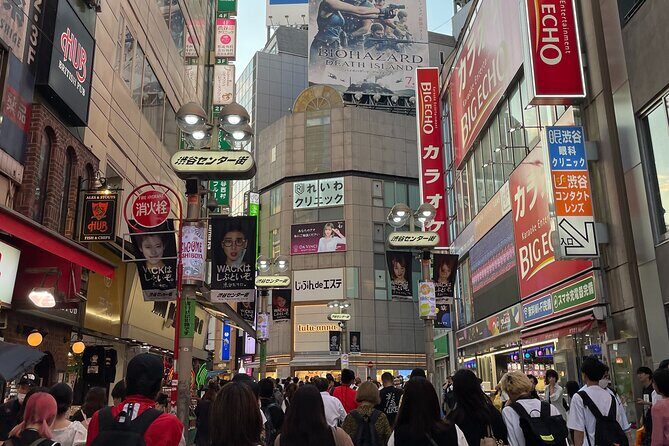
This is a tight 90-minute walk, and the schedule is built around momentum. You’ll move through the most recognizable parts of Shibuya first, then work outward into less hectic streets so you end with a clearer sense of layout—not just a list of sights.
Step 1: Getting oriented at Hachiko
The tour begins with the background story of the area. That matters more than you’d think. When you understand why Hachiko is so iconic and why the surrounding district draws people in, the rest of the walk clicks into place.
You’re also in a great position to start taking mental notes: major streets, train exits, and pedestrian routes all start to make sense when you’re standing right at the core.
Step 2: Crossing Shibuya’s scramble
Then comes the moment almost everyone came for: walking across Shibuya’s world-famous crossing, often described as the busiest in the world. The key is that you’re not just filming from the side. You’re doing it as part of a route—so you learn how to time your steps when the light changes and how to position yourself when crowds surge.
A small but useful detail: some guides also give photo etiquette tips, like where it’s inappropriate to take pictures. That’s practical in a dense public space where certain spots can block others or violate local rules.






Step 3: The “local Shibuya” walk—food, bars, and side streets
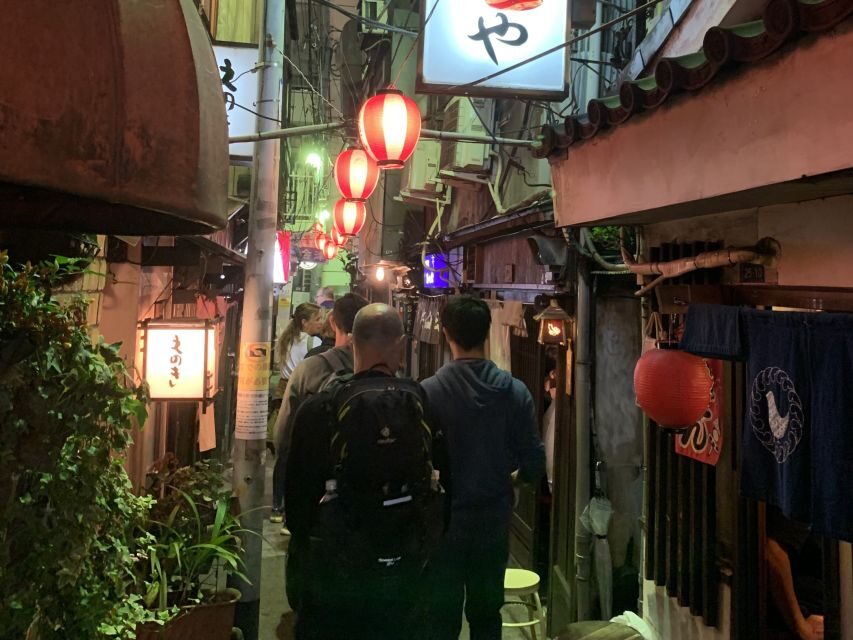
After the crossing, the tour shifts into neighborhood reality: restaurants, bars, and the areas where people linger after dark. This is one of the highlights for many people because it turns Shibuya from a postcard into something you can actually navigate for dinner plans.
You’ll get that sense of how the nightlife zone flows—where it’s concentrated, where it thins out, and how people move between train access and late-night spots. In several tour accounts, guides have led people through lanes that get nicknamed by visitors (including what’s often referred to as Drunkards Alley). Even if you don’t memorize a name, you’ll remember the feel: narrow, lively, and very “only in Shibuya.”
What you’ll also get is guidance on what to prioritize once the tour ends—because Shibuya is so packed with options that having a shortlist is a gift.
Step 4: Cutting away from the crowd
One of the smartest parts of this tour is the shift away from the noisiest streets. Shibuya’s center can be relentless. By walking away from the densest areas, you get a more balanced viewpoint and a better understanding of the neighborhood’s edges.
This is where the tour earns its “intro” reputation. Instead of ending the walk exhausted and confused, you finish with a mental map you can use when you’re alone.
Step 5: The elevated viewing spot
The tour also includes a viewing stop with impressive views of Shibuya. This segment is popular because it changes your perspective. From street level, Shibuya is a tangle of motion. From above, you start to understand the grid—where major roads funnel into pedestrian crossings and how the blocks connect.
In past tours, guides have focused on giving people a scramble view without you having to hunt through every platform and department store lobby. You’ll still need your own judgment for photos, but you’ll be standing in a spot chosen for this exact purpose.
Why the “small group of 6” matters in Shibuya

Shibuya rewards focus. If you’re in a large group, it’s harder to hear explanations, harder to keep pace, and harder to stop for quick questions like:
- Where should I eat tonight?
- What’s open later?
- Which streets are easiest to navigate after dark?
With a limited group size, the guide can actually talk with you, not just march you. Many people have singled out guides like Sakura, Hiroko, Yoshi, Izumi, Fumino, and Hayato for their friendly pacing and clear English. While you won’t know in advance which guide you’ll get, the consistent theme is that the experience feels personal instead of mechanical.
In a city where crowds can swallow your plans, that personal attention is real value.
Rain or shine: keep the tour comfortable
The tour runs rain or shine, so you should treat weather as part of your planning. Bring an umbrella or raincoat, and wear shoes that won’t punish you after 90 minutes.
Rain can actually improve Shibuya’s mood: reflections, softer light, and fewer people lingering in the open. The tradeoff is slipperiness and slower walking. If you’re prone to getting cold, pack a light layer. Shibuya sidewalks don’t care that you’re tired.
What to do before and after the tour
You’ll have the best experience if you do two simple things.
First, wear comfortable clothes. You’re moving through dense streets and getting in and out of viewing areas, so don’t dress like you’re heading to a museum.
Second, use the tour as a starter pack for your own Shibuya day. When the walk ends, you’ll have a better sense of which directions to explore and what kinds of food and shopping to look for. Several guides have shared restaurant recommendations during the walk, and people have reported going back later for meals.
If you want an easy win: take photos as you go, especially of signs and street layouts. One helpful suggestion from past participants was to use your photos to find places again later.
Who this tour fits best
This is a strong choice if:
- You want a first-day orientation to Shibuya
- You like getting practical restaurant and nightlife pointers
- You prefer a walking pace with time to ask questions
- You want the scramble experience but also want the neighborhood context
It can also work well for families or mixed groups. Some accounts mention the guide kept children entertained while still covering the sights.
If you’re the kind of traveler who enjoys DIY wandering only, you might feel you could do it alone. But Shibuya’s complexity is the reason guides help: they cut straight to good vantage points and the street-level details that are hard to spot on your own.
Price: why $19 can feel like more than it costs
At $19 per person for a 90-minute guided walk, the value comes from what you’re buying:
- a local guide (not just a route)
- small-group pacing
- a mix of famous Shibuya moments and calmer side streets
- guidance for where to stand for views and how to handle public space respectfully
Because transportation, food, and drinks aren’t included, you’ll still manage your own meal plans. But that’s common for walking tours. The budget-friendly part is that your main “investment” is the guide’s time and attention, which you can immediately translate into better decisions for the rest of your trip.
In short: you’re not paying for snacks. You’re paying for better navigation and smarter sightseeing.
Should you book the Shibuya Highlights Walking Tour?
Yes, if you want to make Shibuya feel understandable fast. This tour is built for orientation: Hachiko to the scramble to views, with enough side-street time to help you stop feeling lost.
I’d skip it only if you already know Shibuya extremely well or if you dislike walking in crowds and tight lanes. Also, if you show up late, the 5-minute wait rule can ruin your plans—so set yourself up to arrive early.
If you’re arriving in Tokyo and want your first neighborhood step to go smoothly, this is one of the most straightforward ways to do it.
FAQ
How long is the Shibuya Highlights Walking Tour?
The tour lasts 90 minutes.
Where do I meet the guide?
Meet at SHIBU HACHI BOX, in front of the Hachiko statue. You should come out from the Hachiko exit of JR Shibuya Station.
Is the tour held in rain or snow?
The tour runs rain or shine. Bring an umbrella or raincoat if the weather looks wet.
What’s included in the price?
You get a walking tour and a local guide.
Are food and drinks included?
No. Food and drinks are not included.
How large is the group, and is it wheelchair accessible?
The group is limited to 6 participants, and the tour is wheelchair accessible.