REVIEW · SHIRAKAWA
From Nagoya: Shirakawa-go & Hida-Takayama Full Day Trip
Book on GetYourGuide →Operated by Tour Easy · Bookable on GetYourGuide
Thatched roofs in the mountains, minus the fuss. This full-day trip connects UNESCO Shirakawa-go with Hida-Takayama’s Edo-era charm, all with round-trip bus comfort from Nagoya. I like that the day is built around walkable old streets and photo-friendly viewpoints, not just bus time. I also like having a multilingual guide who can steer you toward the best moments, especially for food stops.
One thing to keep in mind: you’re on a shared group schedule, so you might feel a little time pressure at each stop. If the Shiroyama observation deck is closed on your travel date, the viewing plan can shift. Plan for comfy shoes and a flexible mindset, and this day flows nicely.
In This Review
- Key highlights worth waking up early for
- Getting From Nagoya Without the Headache
- Quick practical notes before you go
- Hida-Takayama’s Sanmachi Old Town: Walking a Merchant-Street Time Capsule
- Why this stop is worth your time
- Shirakawa-go Gassho Village: How Snow-Shaped Architecture Became a UNESCO Star
- A timing reality check
- Shiroyama Viewpoint and the Observation Deck Option
- Photo tip that saves time
- Ochudo Café and the One Piece Connection (Yes, It’s Real)
- Is it for you?
- Timing Tips, Meeting Spot Confidence, and Group-Tour Reality
- What to pack for comfort (so you can enjoy instead of endure)
- Worth $57? Value Check for a 10-Hour Mountain Day
- How you can maximize value
- Who Should Book This Trip (and Who Should Skip It)
- Should You Book? My Practical Verdict
- FAQ
- FAQ
- What’s the duration of the Nagoya to Shirakawa-go & Hida-Takayama day trip?
- Where do I meet the tour guide in Nagoya?
- What time does the tour depart?
- Which languages are offered on this tour?
- Is food included in the price?
- Is there an option to visit the Shiroyama observation deck?
- When is the Shiroyama observation deck closed?
- How does the tour handle bad weather or delays?
- Is this a private tour?
- Is the tour suitable for wheelchair users?
Key highlights worth waking up early for
- UNESCO Shirakawa-go: Gassho-zukuri farmhouses made for heavy snow
- Hida-Takayama Sanmachi old town: preserved merchant streets and craft shops
- Shiroyama viewpoint: panoramic village views, great for photos
- Ochudo Café stop: sweet red bean porridge plus the One Piece connection
- Pickup-and-drop logistics: you start at a clear Nagoya Station meeting spot with a yellow-flag guide
Getting From Nagoya Without the Headache
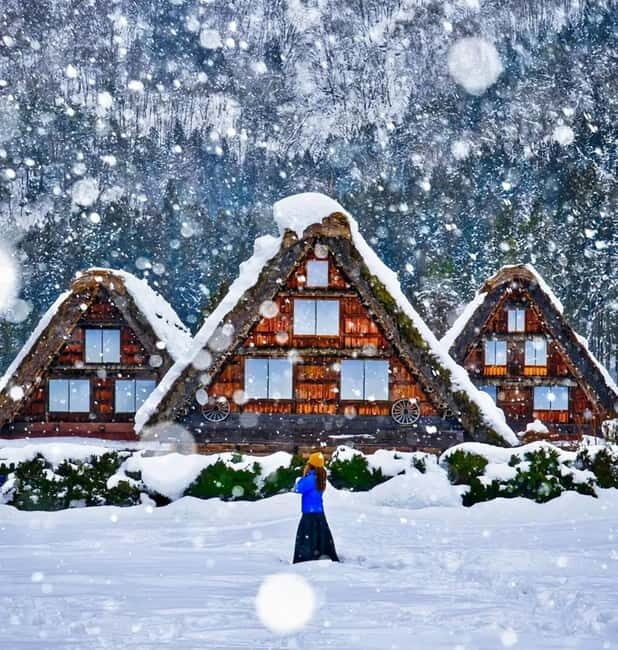
This is a true day-trip format: you meet in Nagoya, ride an air-conditioned bus, tour with a multilingual guide, then head back the same day. The big value for me is simplicity. Instead of piecing together buses and trains across mountain terrain, you get a straightforward route with parking handled and a driver doing the hard part.
You depart at 9:00AM. Your guide is waiting at the convenience store MINISTOP, behind BIC CAMERA on the west exit of Nagoya Station, holding a yellow flag. If you hate stress, arrive early and take a quick walk to confirm where you’ll line up. It’s the kind of detail that can save your morning.
The route is also paced with realistic travel time: you spend about 2.5 hours getting to Takayama, then travel onward to Shirakawa-go, and finally return to Nagoya. If weather or traffic gets messy, the guide can adjust how long you stay at the scenic spots. That flexibility helps when mountain schedules don’t behave.
You can also read our reviews of more tours and experiences in Shirakawa.
Quick practical notes before you go
- Wear comfortable shoes and bring a camera.
- Bring cash for personal shopping and food.
- No food is allowed on the vehicle, so plan on buying at stops you’re given time for.
- The tour is a shared group with multiple languages (English, Chinese, Japanese), so you’ll get explanations in layers.
Hida-Takayama’s Sanmachi Old Town: Walking a Merchant-Street Time Capsule
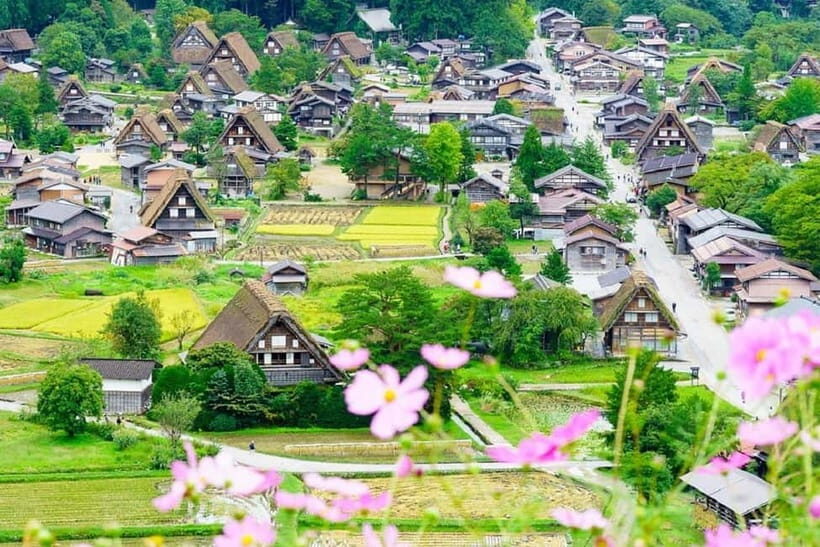
Hida-Takayama earns its nickname as a slower, Edo-feeling version of Kyoto. You start with a photo stop in Takayama, then get free time plus sightseeing. This is your chance to see the preserved lanes and merchant-house atmosphere without needing a map the size of a small sail.
The main walking area is the Sanmachi Old Town District, where traditional wooden buildings line cobblestone streets and shops. You’ll also notice craft culture here. It’s the kind of place where browsing feels like part of the sightseeing—woodwork, lacquer items, handmade lanterns, and other Hida specialties are exactly what you’d expect in a town that still trades in traditional skills.
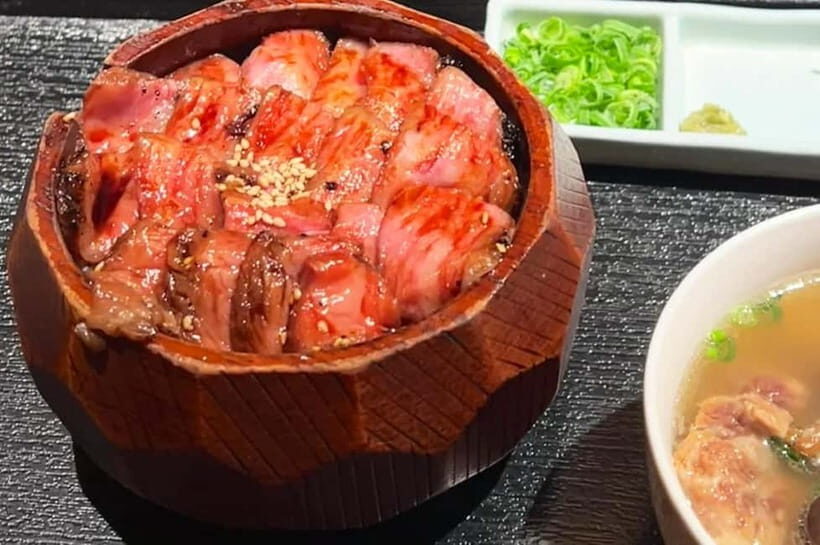
Food is part of the experience, but it’s not included in the tour price. Still, your guide can help you land in the right spots for Hida-style bites. Expect opportunities to try local favorites such as Hida beef sushi, Takayama ramen, and sweet rice dumplings during the time you have on your own. One detail I really appreciate: the best tours don’t just show you sights; they help you avoid the bland-food trap. Having a guide who knows where people actually enjoy eating can make a long day feel easier.
Why this stop is worth your time
You could rush through Takayama, but the Sanmachi streets reward walking. Even if you’re not shopping, you’ll likely end up slowing down to look at wood details and storefront displays. The “Little Kyoto” label can feel overused, but in this case, the preserved streets actually do the work.
Shirakawa-go Gassho Village: How Snow-Shaped Architecture Became a UNESCO Star
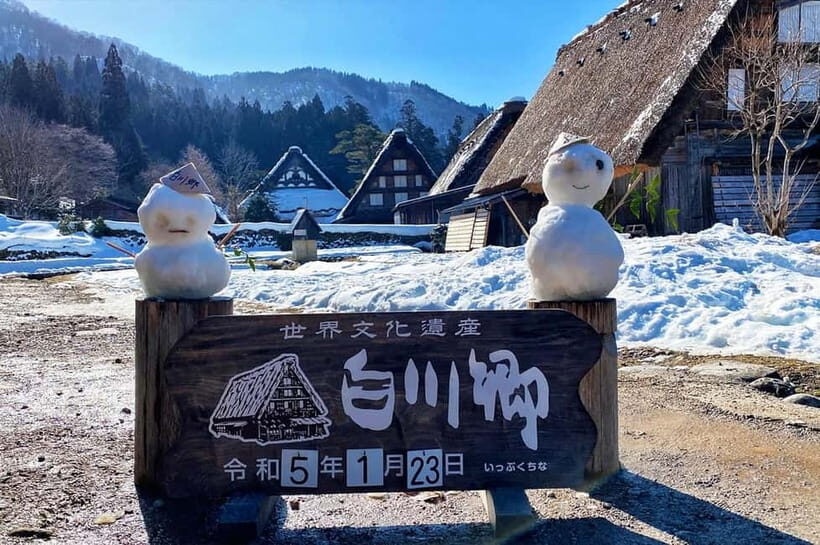
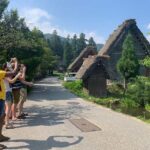
Then comes the showpiece: Shirakawa-go Gassho Village, a UNESCO World Heritage site known for Gassho-zukuri farmhouses. The basic idea is simple and fascinating—those steep thatched roofs help the houses handle heavy snow. It’s architecture that looks dramatic, but the reason behind it is practical.
You get a photo stop and then time to visit and sightsee around the village. What you’re looking for is how rural life shaped the layout: houses, paths, and small museum-like spaces that explain the architecture and day-to-day history of this mountain community. Even without going deep into technical details, you’ll probably notice how the village still feels like a working place rather than a theme park.
You’ll also have a chance to learn as you walk—look for displays and small explanations inside local facilities. If you come expecting only views, you’ll end up happier if you also spend a little time reading and taking your bearings on how the farmhouses were built and why.
A timing reality check
Some days feel longer than others. If you like lingering, remember this is a shared-day schedule. On paper it’s a solid chunk of time, but your enjoyment will depend on your pace and how busy the streets feel when you arrive. If you’re the type who always wants just 30 minutes more, plan to prioritize either photos early or reading inside a museum area—don’t try to do everything in the same sweep.
Shiroyama Viewpoint and the Observation Deck Option
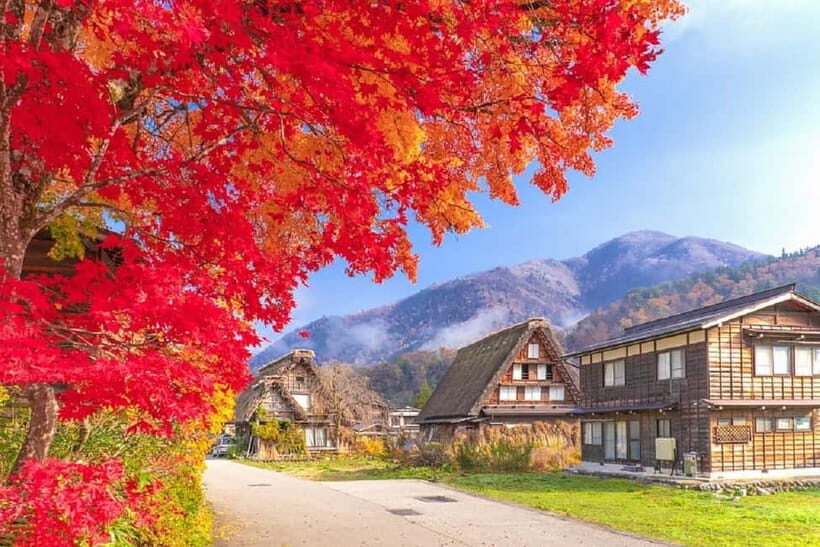
Shirakawa-go looks best when you can step back and see it all at once. That’s why the Shiroyama Viewpoint matters. You’ll stop for a photo moment and then have time to enjoy the panoramic view framing the village with distant peaks. It’s a classic “now I get it” angle—the kind that makes the thatched-roof shapes click in your mind.
There’s also an optional Shiroyama Tenshukaku Observation Deck. You need to select the option that includes access if you want to go up. The important catch: the observation deck has scheduled closure dates that update irregularly. Examples include June 18 and 25, July 2, 9, 10, 14, 15, 16, 23, 30, and August 6, 20, 27. If your trip falls on a closure day, your viewing plan may be adjusted.
So here’s my practical advice: if you strongly want the deck view, double-check your date against the closure list as soon as you book. And even if you can’t access the deck, you’ll still have the main viewpoint moment to get that big-picture photo.
Photo tip that saves time
Bring your camera straps and keep your lens choices simple. At viewpoints, you lose time to fumbling. Set up early, take the wide shot, then go back for detail angles once you know where the best view points are.
Ochudo Café and the One Piece Connection (Yes, It’s Real)
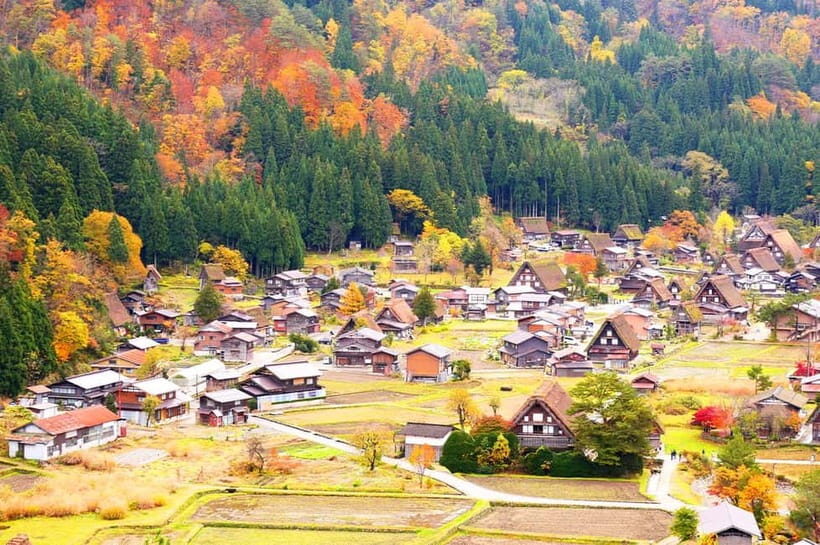
One of the most memorable stops is the Ochudo Café. This is the fan-favorite detail that turns a standard rural village visit into something more specific. The café appeared in One Piece Chapter 566, and you can also find artwork connected to the creator Eiichiro Oda—the info even notes he personally visited the café.
Inside, you’re not just there for the story. The main comfort order is sweet red bean porridge served by the hearth. On a cold day, this kind of warm break feels like a reset button. Even if you’re not a manga fan, the café is a nice pause during a long 10-hour schedule.
Also, check out the artwork gifted by the creator. It gives you a reason to look around slowly rather than just stepping in, snapping a photo, and leaving.
Is it for you?
If you like pop-culture nods that connect to real places, this stop is a win. If you’re strictly “only historic sites,” you might see it as a short detour—but it still functions as a cozy rest point during winter-mountain touring.
Timing Tips, Meeting Spot Confidence, and Group-Tour Reality
This kind of trip runs on the basics: you show up on time, the bus finds you, and the guide keeps everyone moving. The tour provides driver support and parking, which helps reduce friction. Vehicles can vary depending on passenger count, so don’t expect the exact same bus as someone else’s experience might describe.
One thing I recommend is treating the meet-up spot like an appointment. Your guide is at MINISTOP behind BIC CAMERA (west exit), and they’re holding the yellow flag. The night before, you’ll get an email between 8:00PM and 9:00PM with guide and vehicle details for the next day. It may land in spam/junk, so scan there too.
A real-world lesson from past experiences: if a bus shows up late or confusion happens at the meeting point, it helps to stay calm and go find your guide quickly rather than waiting in the wrong place. Keep your phone available, and if needed, ask nearby staff where the tour group is being picked up.
What to pack for comfort (so you can enjoy instead of endure)
- Comfortable shoes for cobblestones and walking in old districts
- Weather-appropriate clothing, since you’ll be in the mountains
- Camera for farmhouses and viewpoints
- Cash for meals and shopping, since food isn’t included
Also, the tour isn’t suitable for wheelchair users based on the activity notes.
Worth $57? Value Check for a 10-Hour Mountain Day
At $57 per person for a 10-hour day with round-trip transport from Nagoya, this is priced like a convenience-driven tour: you’re paying for logistics, guide time, and the smooth handoff between Takayama and Shirakawa-go.
What’s included is meaningful:
- pickup and drop-off at the meeting point
- multilingual tour guide
- driver and air-conditioned bus
- parking fee
What’s not included is also clear: food and drinks. That means you’ll want to budget for meals at Takayama and anywhere you stop along the way. If you plan ahead and choose a couple of targeted food moments (instead of snack-chasing all day), this becomes a great value day.
Compared to independent travel, the trade-off is flexibility. You can’t control the timing of stops the way you can on your own. But for many people, the payoff is worth it: you get a guided route into two major regions in one day without the stress.
How you can maximize value
- Use Takayama free time for your main lunch decision.
- Treat Ochudo Café as both a rest break and a story-driven stop.
- If you care about the observation deck, select the option that includes access and confirm closures for your exact dates.
Who Should Book This Trip (and Who Should Skip It)
This works best if you want two famous mountain towns in one day and you prefer not to wrestle with transit connections. First-timers in Japan, visitors short on time, and anyone who likes guided context will likely enjoy it.
It may be less ideal if you:
- need wheelchair accessibility (the tour isn’t suitable)
- hate shared-group pacing
- want maximum time in only one village (you’ll have to choose how fast you move)
The payoff is that you get both the Edo-period street feel in Takayama and the snow-engineered farmhouse beauty in Shirakawa-go, plus a viewpoint finish and a warm café stop.
Should You Book? My Practical Verdict
If your goal is a satisfying, story-filled day from Nagoya, I’d say it’s a solid booking. The combination of UNESCO Shirakawa-go, preserved Takayama streets, and the viewpoint plan hits the key highlights without turning your day into a navigation problem.
Just go in with the right expectations: you’ll be moving, you’ll share the schedule, and you’ll want comfy shoes. If you’re the type who always wants extra minutes at each stop, consider arriving with a plan—decide what you’ll do first in each area so you don’t burn time reorganizing on the fly.
FAQ
FAQ
What’s the duration of the Nagoya to Shirakawa-go & Hida-Takayama day trip?
The trip runs for about 10 hours.
Where do I meet the tour guide in Nagoya?
Meet your guide at the convenience store MINISTOP behind BIC CAMERA on the west exit of Nagoya Station. The guide will be holding a yellow flag.
What time does the tour depart?
Departure is at 9:00AM.
Which languages are offered on this tour?
The live tour guide offers English, Chinese, and Japanese.
Is food included in the price?
No. Food and drinks are not included.
Is there an option to visit the Shiroyama observation deck?
Yes. If you want access to the observation deck, you need to select the option that includes access.
When is the Shiroyama observation deck closed?
The deck has closure dates that update irregularly, including dates listed for June 18 and 25, multiple dates in July, and August 6, 20, and 27.
How does the tour handle bad weather or delays?
If bad weather or traffic prolongs the journey, the tour guide adjusts the length of stay at each scenic spot based on the actual situation.
Is this a private tour?
No. It’s a shared group tour with guests from various countries.
Is the tour suitable for wheelchair users?
No. It is not suitable for wheelchair users.