REVIEW · SHIRAKAWA
Shirakawa-go UNESCO Half-Day Tour from Takayama
Book on GetYourGuide →Operated by Happy Plus Corporation · Bookable on GetYourGuide
Getting to Shirakawa-go early changes everything. I like the small-group guided walk (so you can ask real questions) and the chance to see a gassho-zukuri house inside. The one catch is that the house entry is subject to availability, so you’ll want to keep expectations flexible.
This 4-hour tour is built for stress-free timing from Takayama: you get round-trip transportation, a local English-speaking guide, and then some breathing room for photos and wandering after the guided portion. It’s a smart way to experience a UNESCO site without turning the day into a logistics headache—just show up on time and wear shoes for uneven paths.
In This Review
- Key points at a glance
- Why Shirakawa-go in 4 hours from Takayama feels efficient
- Meeting point and the early-start strategy that makes the tour better
- The guided village walk: what you should pay attention to
- Stepping inside a gassho-zukuri house: the highlight that depends on access
- Using the free time after the guided walk for better photos and calmer wandering
- Transportation that keeps your day simple (and why it matters)
- Price and value: what $103 buys you in real terms
- Who this tour fits best (and who should consider another plan)
- The quick decision: should you book this Shirakawa-go half-day?
- FAQ
- What’s the duration of the Shirakawa-go tour from Takayama?
- Where do I meet the group if I choose Takayama?
- Where do I meet if I choose to start in Shirakawa-go?
- How long do I walk during the tour?
- Is the gassho-zukuri house entry included?
- Is food included?
- How big is the group?
- Is the tour wheelchair accessible?
Key points at a glance
- Early departure helps you beat the big bus crowds and take better photos
- Live English guide keeps the history practical, not just facts-on-a-page
- UNESCO village walk with small group size (max 9) means more questions and attention
- Gassho-zukuri house entry is included when available, with an on-the-ground look at traditional design
- Up to 2 hours of walking on uneven ground, plus a dedicated photo/exploring window
- Food isn’t included, but you can plan around snacks where you need them
Why Shirakawa-go in 4 hours from Takayama feels efficient
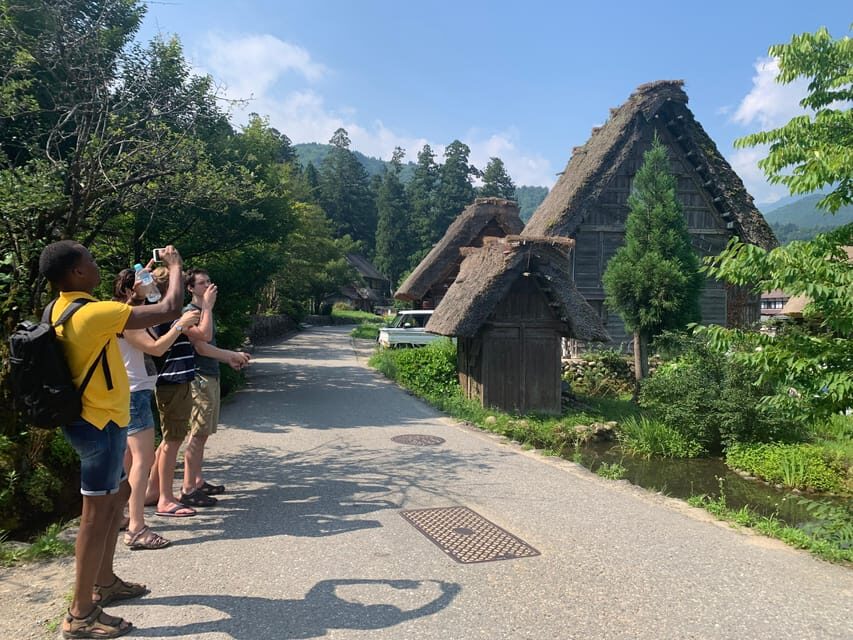
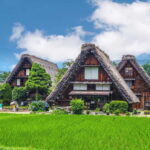
Shirakawa-go is famous for dramatic mountain views and its steep-roof farmhouses, the gassho-zukuri houses built to handle heavy snow. The big challenge is time. Do it on your own and you’ll spend energy figuring out transit, timing, and where to go first—especially if you want decent photo light and calmer walking.
This half-day format solves that. You get a guided walk that focuses on what you’re actually looking at: why the houses are built the way they are, how local winters shaped daily life, and what makes the village layout worth slowing down for. Then you get free time after the guided portion, so the experience doesn’t feel like a nonstop checklist.
Also, the guides I’ve seen praised for this trip tend to bring it down to earth. Names like Takumi, Malong, and Yama come up again and again—each described as warm, talkative, and willing to answer questions beyond just Shirakawa-go. That matters because UNESCO sites can turn into quick photo stops. Here, you get context first, photos second.
You can also read our reviews of more tours and experiences in Shirakawa.
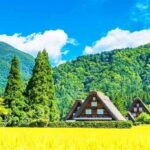
Meeting point and the early-start strategy that makes the tour better
The tour is designed around one simple idea: start early, and you’ll enjoy Shirakawa-go more. If you pick the Takayama departure, you meet by 7:30 AM at Takayama Station (East Exit taxi stand). The tour leaves on time, and after that cutoff you can’t join.
If you choose to meet in Shirakawa-go instead, you meet by 8:30 AM at the bus terminal. Either way, the timing is the difference between walking through quiet lanes and getting swallowed by tour buses.
From a practical point of view, that early start gives you three advantages:
- Better photos: fewer bodies in front of the houses
- More relaxed walking: less stopping and waiting for crowd flow
- More time to look closely: you can actually notice roof shapes, wood textures, and small details
One detail I really appreciate: the meeting plan includes the option to start at either end (Takayama or Shirakawa-go). If you’re already in the area or you’re juggling other plans, you can still make the tour work without forcing a perfect schedule.
The guided village walk: what you should pay attention to
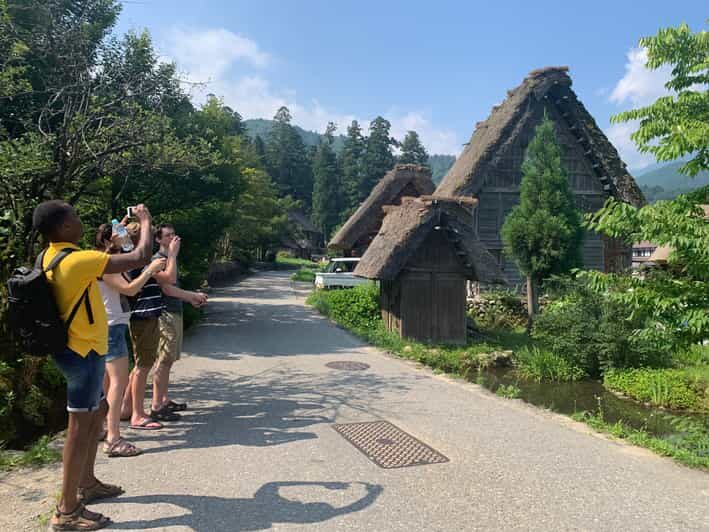
The core of the trip is a small-group guided walk through the village, with up to 2 hours total on foot. Paths can be uneven, so comfortable walking shoes aren’t optional. I’d think of it as a guided stroll with a purpose—less museum pacing, more “look at this, now here’s why it matters.”
What makes this walk worth doing with a guide:
- The architecture has a reason. You’ll learn how gassho-zukuri houses are shaped for winter conditions, not just that they look dramatic.
- The story is local. The guide’s focus is on how heavy-snow winters and village life influenced building choices and traditions.
- You can ask questions. People specifically mention guides being generous with their time and answering cultural and historic questions about Japan, not only Shirakawa-go.
This is where the small group size (limited to 9 participants) earns its keep. In a bigger group, you spend most of your time trying to keep up. In a group this size, you can step off the main lane for a better angle and ask, then rejoin without feeling rushed.
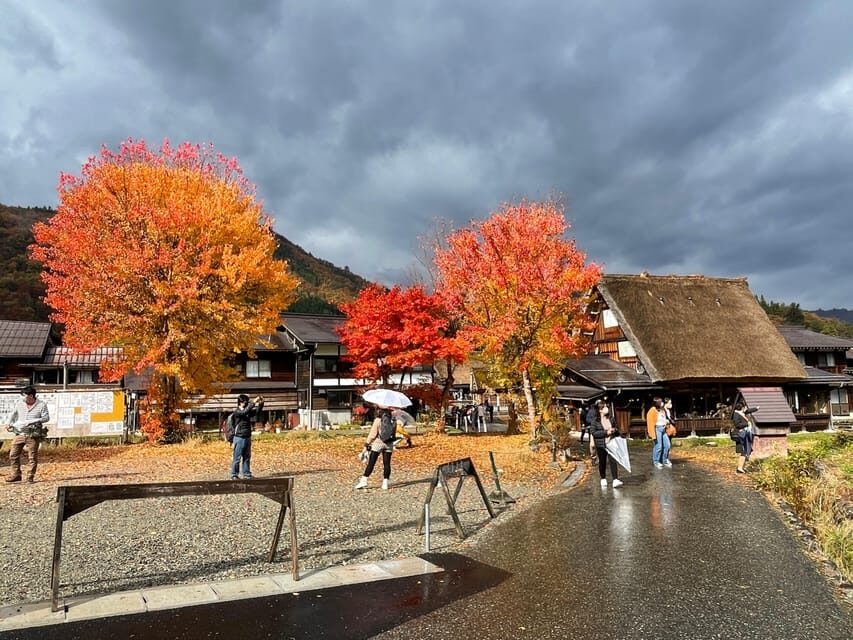
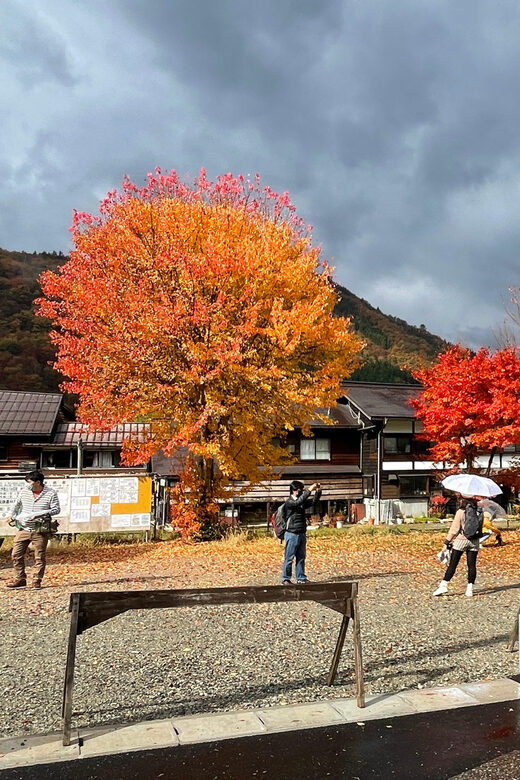
Season can change how the village feels too. One example that came through in feedback: even with rain, the day can still be visually strong—low clouds can add mood to the mountain views rather than ruining them. The guide-led structure helps you keep momentum even when weather isn’t perfect.
Stepping inside a gassho-zukuri house: the highlight that depends on access
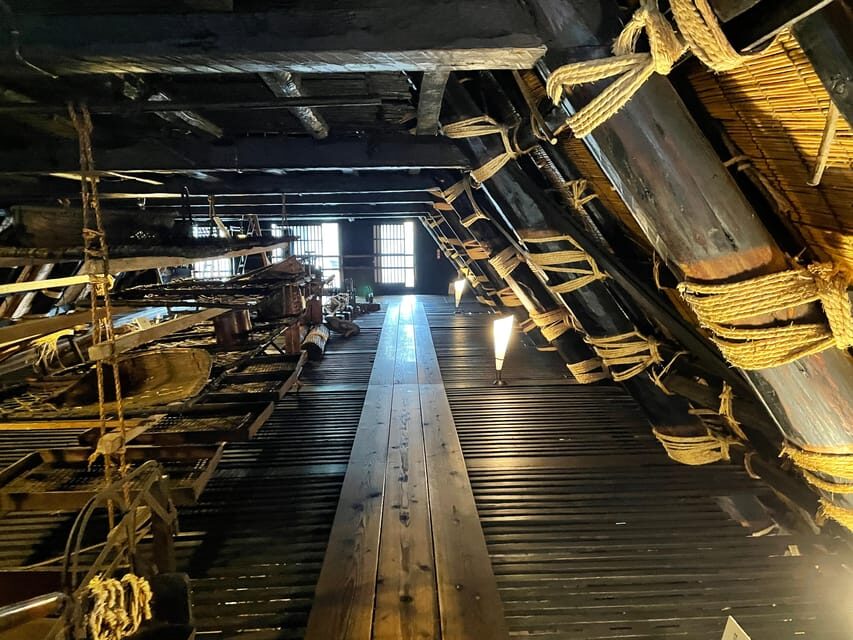
One of the most exciting parts of the tour is the included entrance fee for a gassho-zukuri house, with an inside visit usually included, but subject to availability. I treat this like a “great bonus if it happens” rather than a guaranteed checkbox.
If you do get inside, it’s a big deal because you finally see what makes these homes work. Outside, the steep roof is the headline. Inside, you get a better sense of layout and how the structure supports a life that had to handle severe winter conditions.
Even when inside access doesn’t go exactly as planned, the goal is still to deliver value. If the house entry isn’t available, you’ll be guided to alternative highlights so you don’t walk away with the feeling that the best part was taken away.
Important for your expectations: you’re not on a “hands-on demonstration” tour. You’re stepping into a traditional space to understand how people have lived across generations. Think quiet observation, not a theme-park show.
Using the free time after the guided walk for better photos and calmer wandering
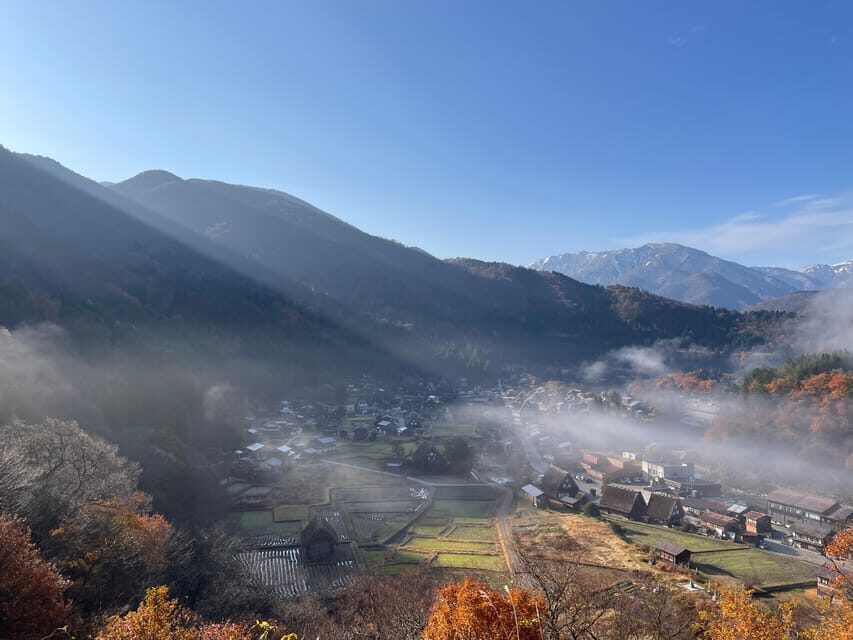
After the guided portion, you get free time for photos and exploring. This is where you can shape the visit around your own interests: more roofline angles, more viewpoint stops, or just lingering where the scene feels peaceful.
Here’s how I’d use that time well:
- Refine your photo plan. If you have a camera or smartphone with time/angle preferences, spend the guided portion learning what’s worth photographing, then use free time to shoot without constant crowd negotiation.
- Walk slowly, not long. This tour isn’t trying to exhaust you with kilometers. It’s built for quality time in a compact area.
- Plan for snacks. Food and drinks aren’t included, but it’s possible to buy snacks in the village if you need them. If you’re the type who gets hungry fast, bring a small snack so weather or crowds don’t derail you.
Because you’re earlier in the day than most tour groups, you can often find a pocket of quiet even if the site later gets busier. That’s the quiet payoff for getting moving early at Takayama.
Also keep in mind timing can shift a bit due to traffic, weather, and local conditions. The good news: the trip is short enough that even small changes usually keep you within the overall half-day feel.
Transportation that keeps your day simple (and why it matters)
The tour includes round-trip transportation from Takayama, which is a real quality-of-life win. Shirakawa-go is not in Takayama’s backyard. Going on your own can mean more transfers, timing stress, and extra waiting.
With this tour, you can focus on the experience instead of the timetable. It’s especially helpful if:
- you’re juggling other days in the Alps region,
- you don’t want to manage bus schedules in winter,
- you’d rather spend energy walking and photographing than troubleshooting transit.
Starting from Takayama Station (East Exit taxi stand) also makes it easy to find the meetup spot if you’re already oriented in town. Winter adds another reason to appreciate the transportation: cold temperatures and possible snow/ice mean slick ground and unpredictable conditions. Getting there and back without worrying about transit reduces the number of things that can go wrong.
Price and value: what $103 buys you in real terms
At about $103 per person for a 4-hour tour, you’re paying for three things that add up faster than you might think if you plan solo:
- Round-trip transport (Takayama to Shirakawa-go and back)
- A live English guide for the walking portion
- Entrance fee for a gassho-zukuri house
If you try to assemble the same experience yourself, the cost becomes less about the ticket price and more about time and risk: transit costs, entrance tickets, and the hidden time of trying to coordinate timing that’s ideal for fewer crowds.
Value also shows up in the small-group setup. Limited to 9 participants, you get more personal attention than the large-bus experience. When guides are specifically praised for being generous with time and information—like Takumi, Malong, and Yama—that’s part of what you’re paying for.
One more practical point: food and drinks aren’t included, so your total day budget should include a small snack plan. But that’s common for short excursions.
Who this tour fits best (and who should consider another plan)
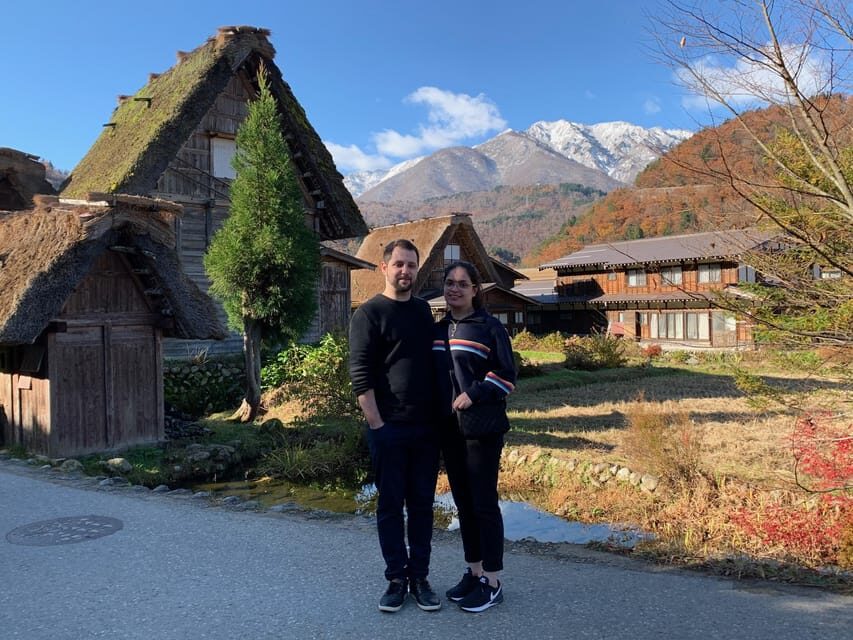
This tour is a strong fit if you want:
- an easy, timed half-day out of Takayama,
- a guided explanation of what you’re seeing (and why),
- the chance to see inside a traditional farmhouse when available,
- early access to help you avoid the worst crowd crush.
It also works well for people who like structure. You get a guided path first, then free time. You don’t have to guess your own route or figure out what’s most important.
The tour is not suitable for wheelchair users. Also, you should be comfortable walking for up to 2 hours total on uneven paths.
If you’re the kind of traveler who loves long, slow wandering with no schedule at all, you might prefer a longer, independent stay in the area. But if your goal is to pack in the key experience efficiently, this tour is built for that.
The quick decision: should you book this Shirakawa-go half-day?
I’d book this tour if you want Shirakawa-go without the stress of transportation and timing, and you care about understanding the place rather than just snapping photos and moving on. The early start is the secret weapon, and the small-group guided walk is the part that turns it from sightseeing into a real experience.
I wouldn’t count on the inside house visit as guaranteed, since it’s subject to availability—though the tour is designed to still make your time worthwhile even if that specific access doesn’t work out. And if you’re not comfortable with winter cold, uneven walking, or limited walking time, consider your comfort level carefully.
If you’re ready to show up early, wear good shoes, and let a guide connect the dots, this is a solid value way to spend half a day in one of Honshu’s most distinctive villages.
FAQ
What’s the duration of the Shirakawa-go tour from Takayama?
The tour lasts about 4 hours.
Where do I meet the group if I choose Takayama?
You meet at Takayama Station (East Exit taxi stand). The standard pickup requires meeting by 7:30 AM.
Where do I meet if I choose to start in Shirakawa-go?
You meet at Shirakawa-go Bus Terminal by 8:30 AM.
How long do I walk during the tour?
You walk up to 2 hours total. Some paths may be uneven, so comfortable walking shoes are important.
Is the gassho-zukuri house entry included?
Yes, the entrance fee is included, and inside visit is usually included, but it depends on availability.
Is food included?
No. Food and drinks are not included on the tour.
How big is the group?
The tour is a small group limited to 9 participants.
Is the tour wheelchair accessible?
No, it is not suitable for wheelchair users.