REVIEW · HIROSHIMA
Tea Ceremony Experience near Atomic Bomb Dome
Book on GetYourGuide →Operated by Hiroshima K.T · Bookable on GetYourGuide
Tea and history sit one street apart. When you do this near the Atomic Bomb Dome, the pause feels intentional, not touristy. I like that you start by choosing your own seasonal confectionery, then move into a casual table ceremony with matcha prepared by your English guide, including time to try making tea yourself.
Two things I especially like: you get to see a tearoom that’s actually used for local gatherings, and your guide (Yurie, in recent sessions) also brings in the store’s story after the bombing. The main consideration is practical: you’ll be on tatami, so you need socks (they can be borrowed), and you cannot go barefoot inside.
In This Review
- Quick highlights you can plan around
- Five-minute walk from the Atomic Bomb Dome: why the setting works
- Price and what $45 actually buys you
- Meeting point: how to find Takaki without stress
- Step 1: picking your seasonal confectionery
- Step 2: the tearoom visit on tatami (and the socks rule)
- Step 3: the table-style matcha ceremony
- Step 4: a brief look at post-bomb reconstruction
- Step 5: trying matcha preparation yourself
- Finish with shopping for Japanese confectionery
- What to bring (and what to skip)
- Who this tea ceremony suits best
- Should you book this tea ceremony near the Dome?
- FAQ
- How long is the tea ceremony experience?
- What’s included in the price?
- Do I need socks for the tatami tearoom?
- Can I visit the tearoom that’s used for tea gatherings?
- Is the tour guide available in English?
- Is this a small group?
Quick highlights you can plan around
Five-minute walk from the Atomic Bomb Dome area, so it’s easy to tack on without burning a half day.
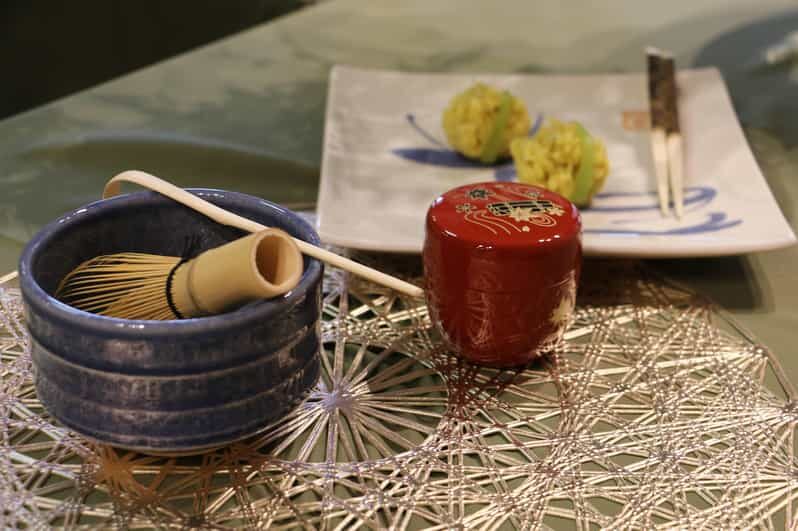
Seasonal confectionery choice, not a one-size-fits-all sweet.
A real tatami tearoom visit, with rules explained clearly before you sit.
Table-style ceremony + matcha-making, so you’re not just watching.
A brief reconstruction talk, linking the sweets shop to Hiroshima’s recovery.
Shop time on the first floor, where you can take tea sweets home.
Five-minute walk from the Atomic Bomb Dome: why the setting works
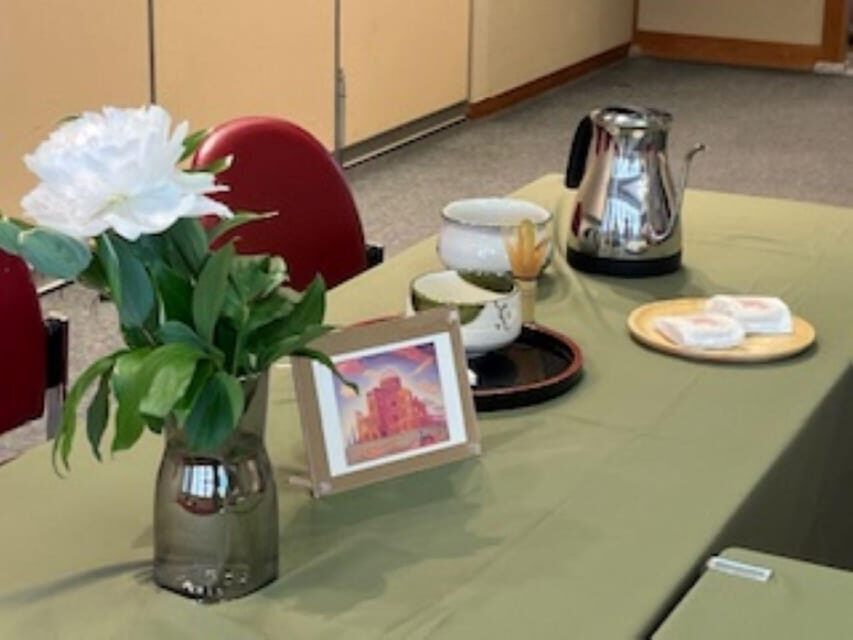
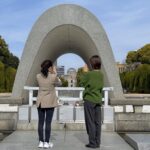
This experience is close enough that you can get your bearings quickly. From Atomic Bomb Dome-mae Station, you cross the bridge area and then look for Takaki (高木) on the left at the next block, entering through the shop and going up to the second floor. It’s the kind of location that keeps the day grounded: you’re not leaving the Hiroshima you came to understand.
The contrast is the point. One side of your outing is the solemn landmark. The other side is a small sweets shop that kept going, rebuilding, and still hosts tea gatherings. That combination makes the hour feel more meaningful than the usual tea class where history is just a backdrop.
You can also read our reviews of more tours and experiences in Hiroshima.

Price and what $45 actually buys you
At $45 per person for about one hour, this isn’t the cheapest tea experience in Japan. But you’re paying for more than a cup of matcha.
You get:
- A guided tea ceremony in a small group (up to 6 people)
- Two cups of matcha and one piece of confectionery
- A visit to the tearoom used for tea gatherings
- Time learning how to prepare tea yourself
- A chance to shop for traditional Japanese confectionery right after
For many visitors, the real value is the combination: the ceremony plus the building’s story plus the practical training. If you love food craft, etiquette, and local context, it’s a fair trade. If you only want a quick photo moment and don’t care about learning, you might prefer something shorter or less story-heavy.
Meeting point: how to find Takaki without stress
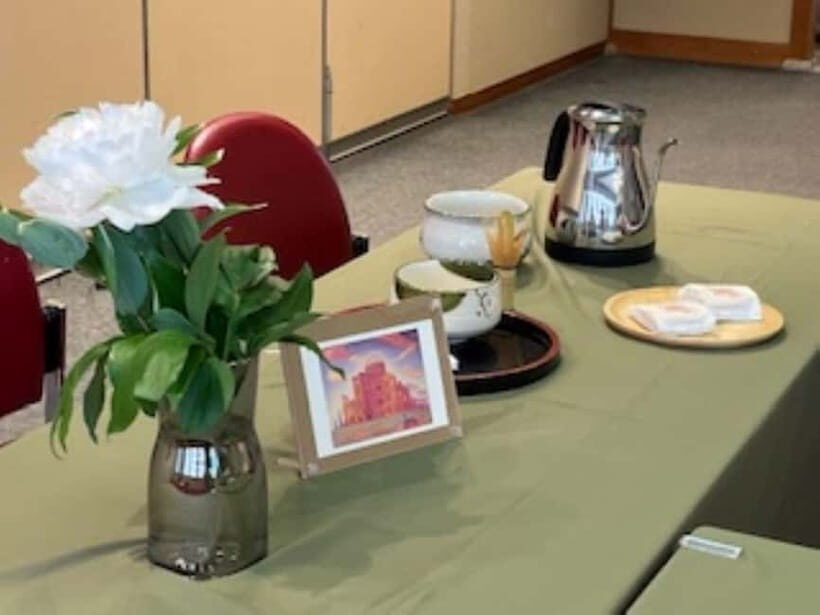
The address is Hiroshima, Naka Ward, Tōkaichimachi, 1-chōme 4-26, and the practical route is built around Hiroshima Electric Railway stops.
If you’re starting from Atomic Bomb Dome-mae Station (National Route 183), cross Aioi Bridge, pass Honkawa-cho Station and a Lawson, then look for Takaki (高木) on the left-hand side of the next block. Enter the shop, then take the stairs on the right to the second floor.
From Hiroshima Station, you disembark at Honkawa-cho Station on the Miyajima Line. Cross to Lawson and head to the right; Takaki is on your left. It’s straightforward once you know what to look for, and the shop is close enough that walking from the Dome area is realistic.
Step 1: picking your seasonal confectionery
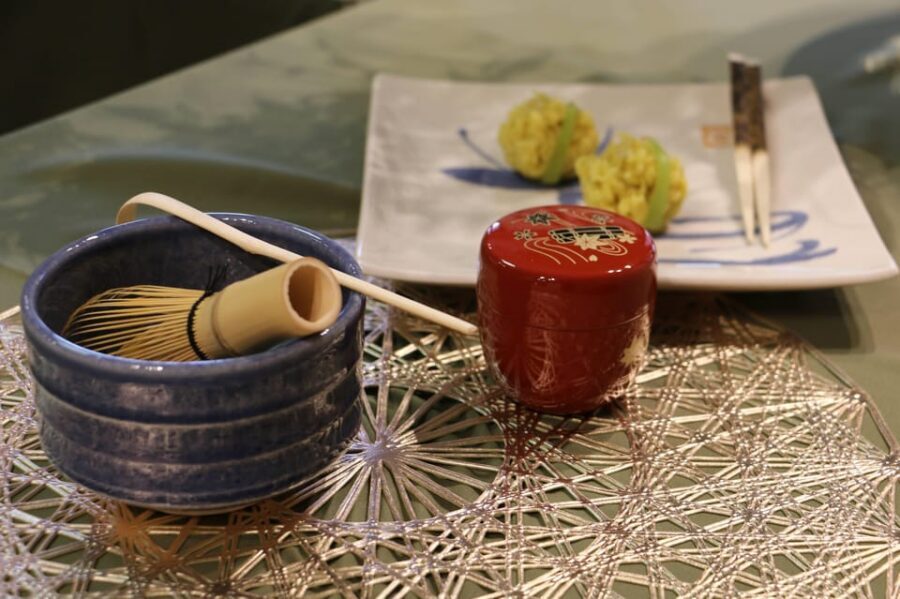
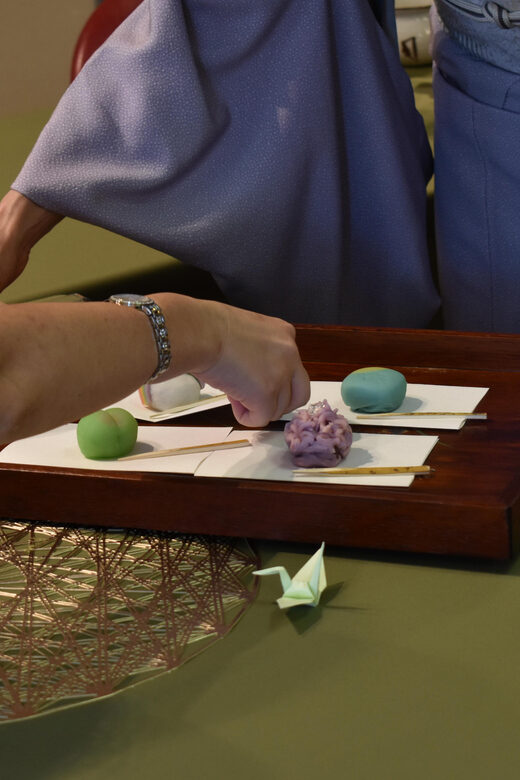
Your first moment is simple and fun: you select a seasonal confectionery for the ceremony. This is not random. The idea is that the sweets fit the season, and it gives you something to look forward to beyond the matcha.
Why it matters: in Japanese tea culture, sweets aren’t just dessert. They set the mood, they balance flavors, and they help you “arrive” before the bitterness of matcha. When you choose the sweet yourself, the ceremony becomes more personal and less like a script.
You’ll likely also get guidance on what’s appropriate and how it fits into the tea experience, since the guide is explaining both tradition and practical etiquette as you go.
Step 2: the tearoom visit on tatami (and the socks rule)
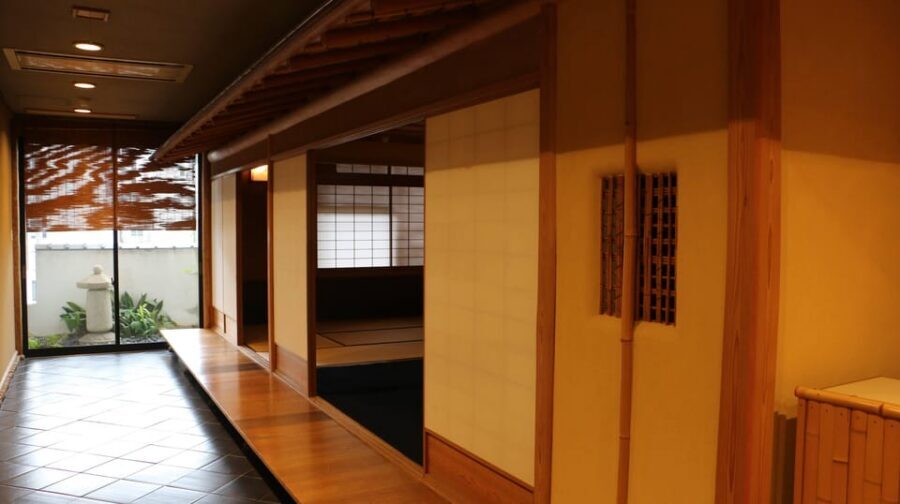
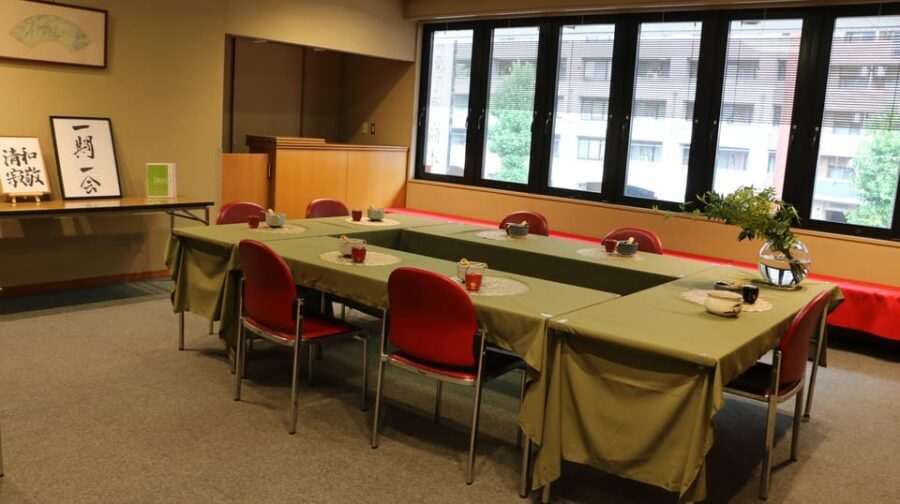
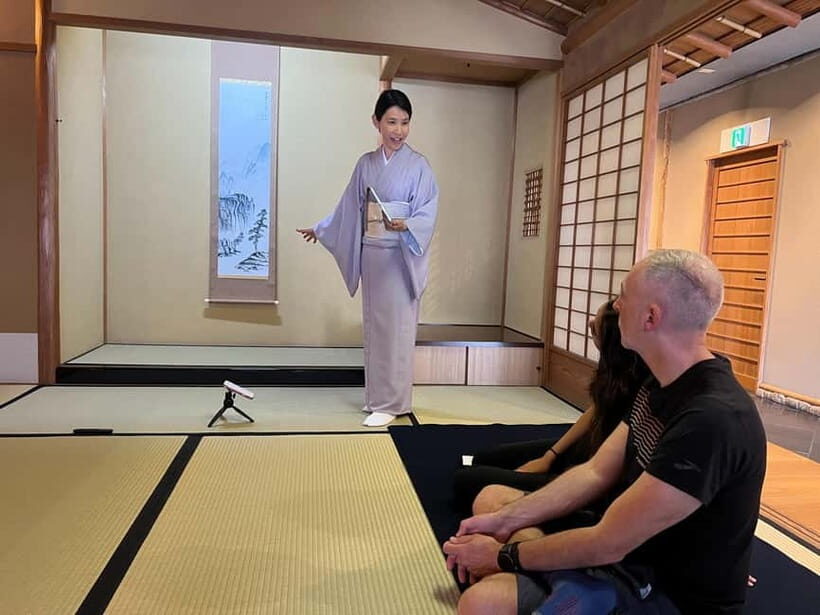
Next comes the tearoom viewing. This part is one of the best reasons to do this specific option near the Dome. You’re not just sitting in a classroom. You can visit a tearoom used by locals for tea gatherings, and the guide explains the spirit of the tea ceremony and its traditions.
Tatami changes how you move. You cannot wear shoes on the tatami mat. You also cannot step on tatami barefoot, so socks are required. The good news: if you forget, you can borrow socks.
If you’re the kind of traveler who enjoys small rituals, this will land well. The environment encourages quieter behavior, and the guide’s rules make it easier to do things correctly without feeling awkward.
Wheelchair accessibility is noted, so if you need it, this is among the more manageable options for the area. Still, plan to follow whatever directions you get for entering the tatami area.

Step 3: the table-style matcha ceremony
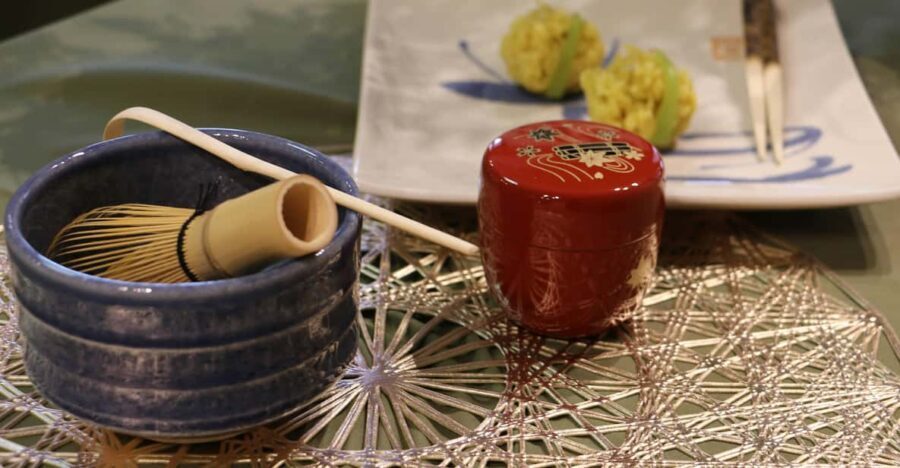
After the tearoom viewing, the ceremony shifts into a casual style at a table. This is ideal if you want tea culture without the full formality of the most traditional seated styles.
You’ll enjoy the confectionery you selected and matcha prepared by the guide. Then you’ll get hands-on time learning how to prepare tea yourself. That’s a big deal. Watching matcha whisking once is fine. Doing it once is memorable.
Table-style also helps you focus on details that often get missed on the tourist version:
- the pace of the exchange
- how you hold and serve
- how the sweetness and matcha balance
- and how etiquette keeps the room calm
Your English guide (Yurie is a common guide name in recent sessions) keeps it friendly and clear. People come away not just with photos, but with a better sense of what the ceremony is trying to do: slow your attention and respect the process.
Step 4: a brief look at post-bomb reconstruction
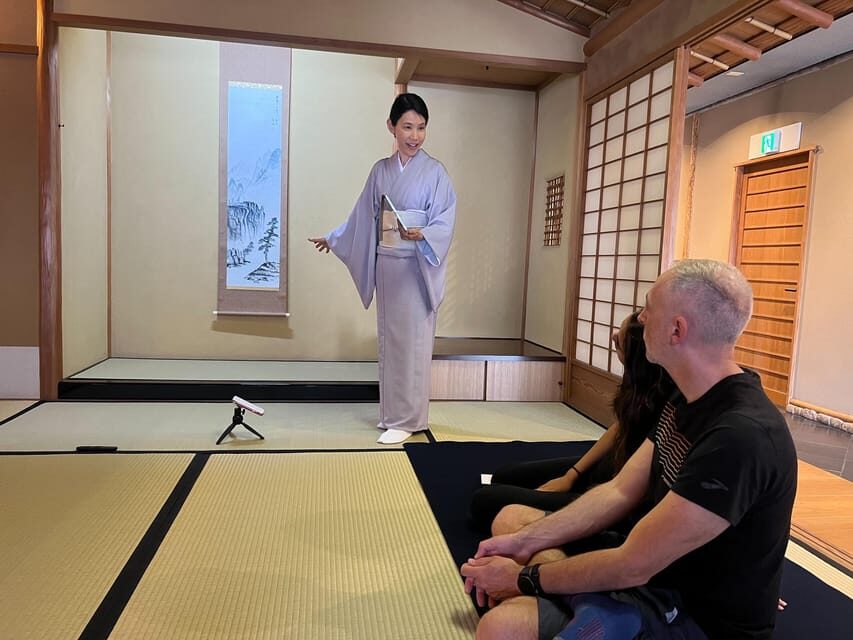
The tour includes a brief overview of post-bomb reconstruction tied to the shop itself. The shop is about a five-minute walk from the Atomic Bomb Dome and suffered significant damage due to the bombing. During the experience, the guide explains how the shop recovered.
This is handled in a short, informational way rather than a full museum-style presentation. That makes it easier to carry with you during the rest of your Hiroshima day. You get a human-scale link: a sweets shop that could be damaged, could rebuild, and could keep sharing tea gatherings after the city’s devastation.
It’s also part of why the hour doesn’t feel like a detour. It’s integrated with the place you’re already visiting.
Step 5: trying matcha preparation yourself
Learning to make matcha is one of the most praised parts of the experience. You’ll be shown what to do, then you try.
Even if you’ve whisked matcha before, this is still useful because guides tend to correct the small habits that affect the foam and flavor. The goal isn’t perfection. It’s understanding why the steps matter, and how tea preparation is part of the respect shown to everyone in the room.
And yes, you’ll drink more than one cup. The experience includes two cups of matcha overall, plus the one selected confectionery.
Finish with shopping for Japanese confectionery
After the ceremony, you can shop on the first floor for traditional Japanese confectionery. This is a practical bonus. You taste something during the session, learn the etiquette basics, and then you can take seasonally themed sweets home while the experience is still fresh.
It also gives you a simple souvenir plan. Instead of buying generic snacks, you’re buying something connected to the ceremony and the shop’s ongoing story in Hiroshima.
What to bring (and what to skip)
Bring: socks. The tatami room rule is strict enough that forgetting is a hassle, even with borrowing available.
Skip: pets and smoking are not allowed.
Also, wear clothing that lets you sit comfortably on the floor or at a table. Nothing fancy required, just plan for a short, calm ritual.
Who this tea ceremony suits best
This is a strong match if you:
- want tea culture with a little hands-on time, not only watching
- like learning the “why” behind etiquette
- appreciate food with seasonal context
- are doing Hiroshima sightseeing and want a quieter, respectful break near the Dome
If you’re traveling with limited patience for rules, tatami seating may feel like an extra hurdle. But the guide explains it, and the ceremony is casual at the table, so it usually doesn’t feel strict—just careful.
If you’re short on time, the 1-hour duration works well. It also fits nicely between other Hiroshima stops because it’s so close by.
Should you book this tea ceremony near the Dome?
Book it if you want an hour that blends matcha craft, seasonal sweets, and a real connection to Hiroshima’s recovery story. The small group size (up to 6) and the English guide make it easy to understand what’s happening. The tearoom visit is also a standout, especially if you care about experiencing tea culture in an environment that’s meant for it.
Skip—or consider another option—if you’re mainly chasing the cheapest tea you can find, or if you can’t manage the tatami socks/shoe rules. Also, if you’re not interested in the shop’s historical context, you may feel the ceremony is a bit more “story-led” than “pure technique.”
FAQ
How long is the tea ceremony experience?
The experience lasts about 1 hour.
What’s included in the price?
The experience includes the tea ceremony, two cups of matcha, and one piece of confectionery.
Do I need socks for the tatami tearoom?
Yes. You cannot step on tatami barefoot, so you’ll need socks. You can also borrow socks.
Can I visit the tearoom that’s used for tea gatherings?
Yes. You can request a visit to the tearoom that is actually used for tea ceremonies, and shoes can’t be worn on the tatami mat.
Is the tour guide available in English?
Yes. The experience includes a live tour guide in English.
Is this a small group?
Yes. The group is limited to 6 participants.