REVIEW · OSAKA
Osaka Private Custom Walking Tour
Book on Viator →Operated by DeepExperience · Bookable on Viator
Osaka hits different when your route adapts. This private custom walking tour lets an English-speaking guide shape your Osaka day around your pace and interests, from Osaka Castle views to Dotonbori food streets. I like the built-in variety here: you can do temple calm, tower viewpoints, and market stops in one trip, and the plan can run relaxed or fast depending on what you want. The one catch is also clear: entrance fees aren’t included, so your final total can creep up if you add lots of paid sights.
You start at Osaka Station (easy to reach), then you hop between classic districts with a guide who helps you move efficiently on foot. I also like that the itinerary is truly flexible, not a rigid checklist. A possible drawback is that the stops listed run from landmarks to shopping arcades, so you’ll want to set expectations with your guide about what you’re comfortable walking and standing for.
Finally, this works best when you want local guidance without the hassle of figuring out the best order yourself. The guides associated with this experience—people like Aquino, Benoit, Hina, and Kina—are described as communicative, kind, and good at adjusting the day, including helping with crowd strategy. Just note: the tour doesn’t include private transportation, so it’s mostly walking and area travel under the hood of the day’s plan.
In This Review
- Key things to know before you go
- How this private custom walking tour works from Osaka Station
- Osaka Castle and Osaka Castle Park: views, museum time, and a good start
- Namba and Dotonbori: neon food streets without wasting time
- Kuromon Market and Sumiyoshi Taisha: snack stops plus a calmer contrast
- Shitennoji, Shinsekai, and Tsutenkaku Tower: temples, retro Osaka, and big-city views
- Umeda Sky Building, Abeno Harukas, and Tenjimbashisuji: skyline time and local shopping
- Pricing and value: is $270.38 per person worth it?
- Who this tour suits best (and who should choose something else)
- My practical tips to get the best day out of it
- Should you book this Osaka private walking tour?
- FAQ
- How long is the Osaka Private Custom Walking Tour?
- How much does the tour cost?
- What’s included in the price?
- Are entrance fees included?
- Is transportation included?
- Where do we meet, and where does the tour end?
- Is this a private tour?
- Is there a refund if I cancel?
- What’s the physical requirement?
Key things to know before you go
- Private, custom route: you pick your pace, and your guide builds the day around it.
- English-speaking guide: practical help for navigating neighborhoods and deciding what’s worth your time.
- 4–8 hours, with ~30-minute stops: the day is structured, but the order and additions can change.
- Entrance fees are extra: Osaka Castle, and several observation decks, may require separate tickets.
- Meeting point is simple: Osaka Station Central Gate JR Ticket Office, then you return there.
- Limited to the core tour area: far-off or high-cost theme-park style locations may not be possible.
How this private custom walking tour works from Osaka Station
This tour is built around a straightforward idea: you meet at Osaka Station Central Gate JR Ticket Office (Central Ticket Gate area), and your day ends back at the meeting point. That matters. Osaka can feel big and confusing on your first day, so starting and ending in the same hub keeps your stress low.
You’ll usually see an option for pickup, plus the tour includes a mobile ticket, so you’re not stuck hunting for paperwork. Because it’s private, only your group participates, which is a big advantage if you want a chatty day, a quiet day, or a day with bathroom breaks that don’t turn into a group negotiation.
One more practical detail: the itinerary is designed as a pick-and-choose route across central Osaka. The listed stops include everything from major landmarks to shopping streets. Since the experience is customized, your guide can shorten the list if you’re on a tight schedule, or expand food and photo time if you have more runway.
You can also read our reviews of more walking tours in Osaka

Osaka Castle and Osaka Castle Park: views, museum time, and a good start
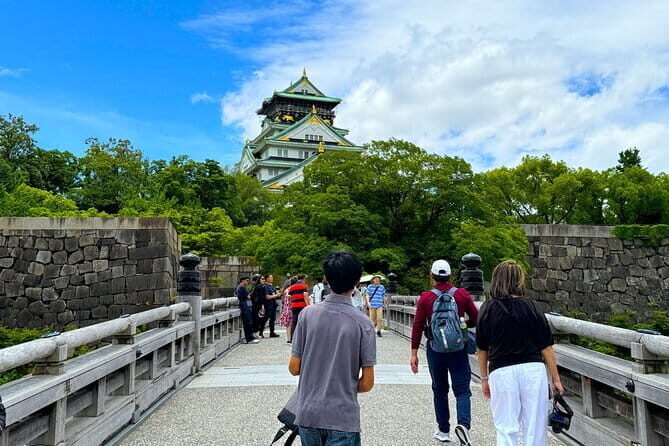
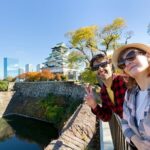
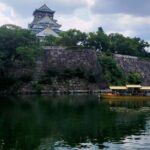
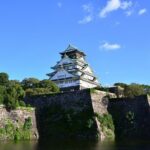
Osaka Castle is a natural anchor for a first-time Osaka day. It’s famous, yes, but it’s also useful because it gives you a reference point for the city. You can orient your brain fast: from here you start understanding where neighborhoods sit and how the geography of Osaka works.
You’ll spend about 30 minutes at Osaka Castle, with the option to explore the museum inside and then aim for panoramic views from the top floor. Admission isn’t included, so you should plan for extra cost if your goal is the views and indoor exhibits. If you’re trying to keep costs tight, you can still enjoy the exterior grounds, but the “worth it” part for many people is the ability to see Osaka from above.
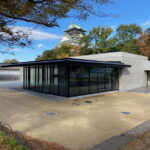
Then comes Osaka Castle Park, also around 30 minutes. This is where the mood shifts slightly from “big landmark” to “walkable green space.” The park visit is free, and it’s also a nice buffer if you’ve got jet lag or you’re managing energy levels. It’s a good place to reset before the energy ramps up again in the entertainment districts.
A small but smart detail: the plan mentions Miraiza Osaka-Jo for dining. You’re not forced into one restaurant, but this is a heads-up that there’s an on-site dining option nearby if you want something easy while you’re in the castle area.
Namba and Dotonbori: neon food streets without wasting time
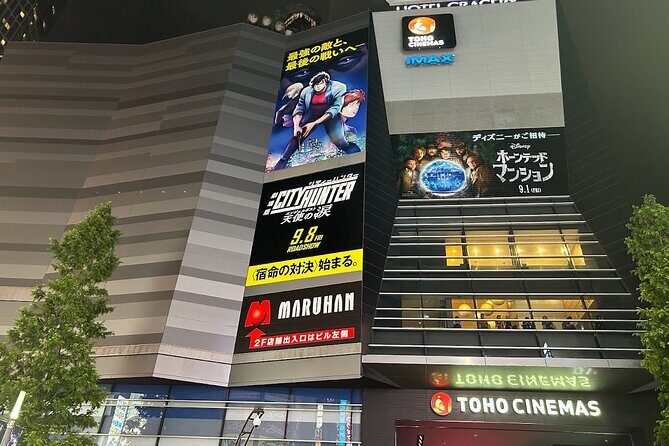
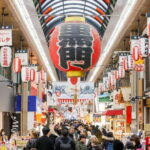
If Osaka has a front porch, Namba is it. This section of the tour typically leans into lively street scenes, shopping, and easy food decisions. The itinerary lists Namba and then Dotonbori as separate stops, both around 30 minutes each, so your guide can decide how much time to put into walking the streets versus stopping to eat.
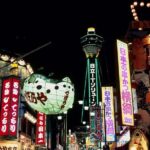
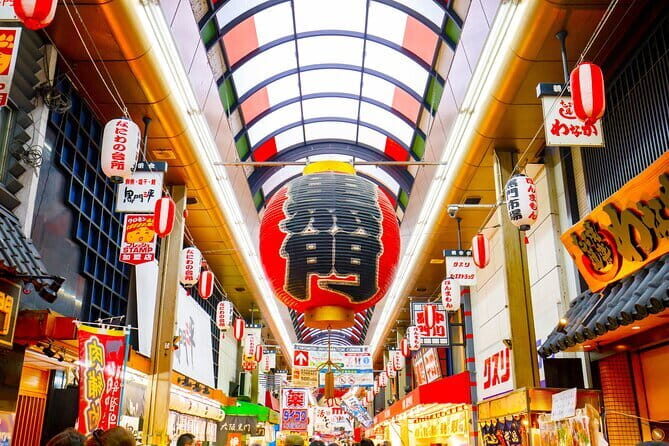
In Namba, you’ll likely focus on the core experience: wandering the busy area where international visitors gather for food, shopping, and energy. From there, Dotonbori is the iconic entertainment district—neon lights, giant signboards, and that “everyone is out tonight” feel.
Here’s the value of doing this with a guide instead of just strolling: Osaka’s food streets can overwhelm you fast. Your guide can help you pick a few dishes that match your tastes without turning it into a long wait-and-chase situation. Expect options like takoyaki and okonomiyaki to come up, and there’s even mention of a river cruise as a possible add-on if it fits your schedule and preferences.
If you prefer photos over food, Dotonbori still delivers. If you’re a food-first traveler, this is the part where you’ll want to slow down slightly and let your guide steer you toward the stalls most likely to match what you want to try.
Kuromon Market and Sumiyoshi Taisha: snack stops plus a calmer contrast
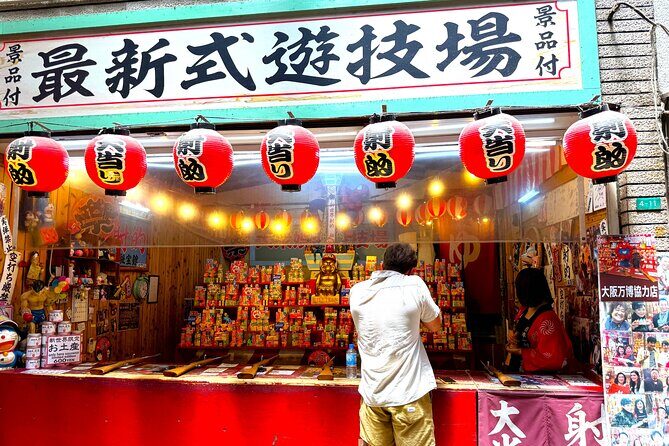
One of the best ways to understand Osaka is to alternate intensity levels. This tour does that well.
Kuromon Market is often called Osaka’s kitchen, and it’s easy to see why. The plan sets aside about 30 minutes, and it’s designed for food lovers. You’ll find the kind of stalls and counters that make you stop every 20 seconds. The itinerary highlights fresh seafood and wagyu beef, plus classic street-food style bites.
Admission is listed as free for the market area stop, but you should still budget for tasting. Markets are where food costs add up quietly. If you want value, tell your guide how hungry you are and whether you want a few curated tastings or a “walk and sample” approach.
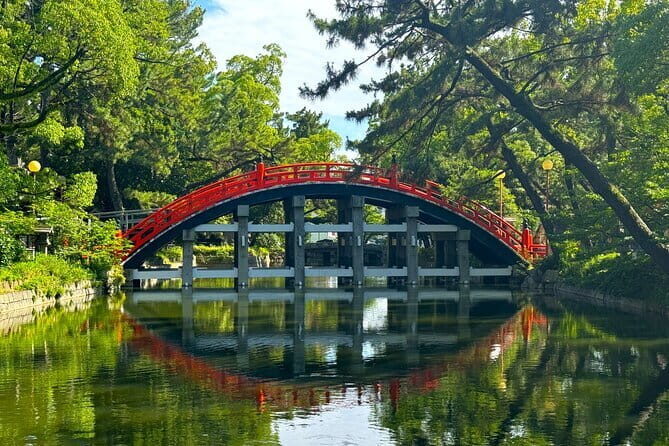
Then you swing into a completely different mood at Sumiyoshi Taisha—another 30-minute stop. This is a major Shinto shrine, known for its ancient significance and its Sumiyoshi-zukuri architectural style. The big benefit here isn’t just the building. It’s the pacing. A shrine stop gives your feet a break and gives your mind something grounding after the market buzz.
This pairing is smart: market energy in the morning or early afternoon, then a quieter temple moment. If you have limited time in Osaka, contrast helps the day feel fuller, not busier.
Shitennoji, Shinsekai, and Tsutenkaku Tower: temples, retro Osaka, and big-city views
Next you get another layered day: Shitennoji first, then the retro charm of Shinsekai, with Tsutenkaku Tower as the visual payoff.
Shitennoji is listed as Japan’s oldest Buddhist temple, and you’ll get around 30 minutes here. Admission isn’t included, so decide ahead of time whether you want paid areas or if a focused garden-and-temple walkthrough matches your goals. Either way, the tour description emphasizes traditional architecture and gardens, which is the point: it’s a slower, more reflective stop compared with the food districts.
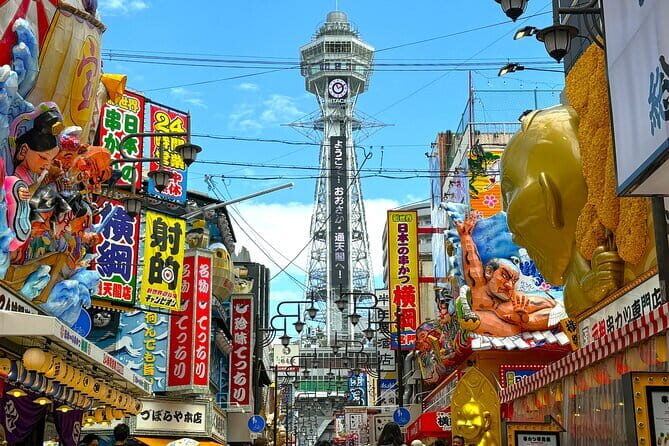
Then comes Shinsekai, a neighborhood famous for nostalgic Osaka. Think retro street vibes, vintage shops, and local snacks. The tour includes another 30 minutes and specifically nods to eating kushikatsu, plus time around Tsutenkaku Tower.
For Tsutenkaku, expect another 30-minute slot, with the note that admission is not included. This is one of those “pay once, remember forever” attractions, because you get a view that helps you connect the shape of the city to the street-level scenes you’ve been walking.
If you want the retro experience without the pressure of figuring out what’s nearby, this section is strong. A guide can help you pick where to snack and where to walk for the best atmosphere in the time window you have.
You can also read our reviews of more private tours in Osaka

Umeda Sky Building, Abeno Harukas, and Tenjimbashisuji: skyline time and local shopping
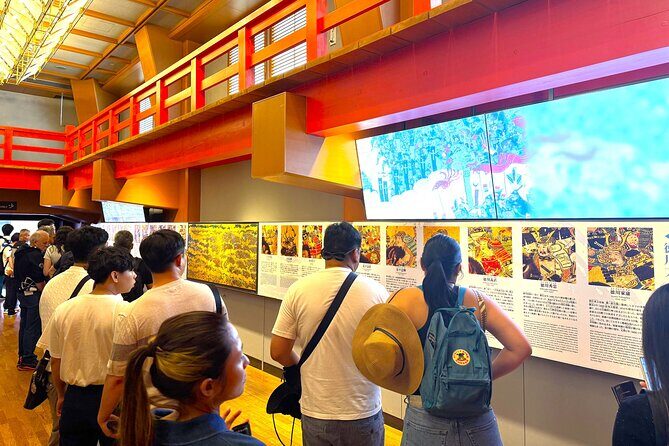
After retro Osaka, the itinerary shifts into modern heights and citywide scale.
Umeda Sky Building is on the list, with about 30 minutes. It’s known for the Floating Garden Observatory, and admission isn’t included. This stop is ideal if your travel style includes skyline photos and a sense of how sprawling Osaka really is. If you’re deciding between paid observation decks, your guide can steer you toward the one that best fits your timing and the kind of photos you want.
Then you have Abeno Harukas, listed as Japan’s tallest skyscraper, again for about 30 minutes, and also with admission not included. This is the “bigger ticket” viewpoint option in the day. If you can only choose one high viewpoint, tell your guide. If you can do both, you’ll get two different perspectives that make the skyline feel less repetitive.
Finally, the itinerary includes Tenjimbashisuji Shopping Street, about 30 minutes, free entry. This is the long shopping arcade stretch, and it’s a great contrast to the towers. Instead of going up, you get to go slow at street level—traditional eateries, local shops, and the kind of shopping that feels more everyday than souvenir-storey.
This last section helps you avoid an ending that feels only “photos and exits.” The shopping arcade gives you an option to buy practical items or small souvenirs without it turning into a full shopping marathon.
Pricing and value: is $270.38 per person worth it?
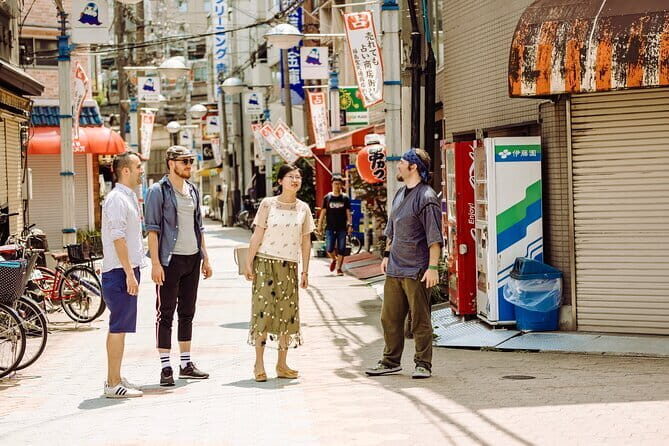
Let’s talk money in a real way. At $270.38 per person, this isn’t a budget stroll. It’s priced like a guided private experience, and the structure supports that: an English-speaking guide, a customized itinerary, and a route that can cover major Osaka highlights without you doing the planning work.
So when does it make sense?
- If you’re traveling with only a small group (or as two people) and you want flexibility, private guiding usually ends up cheaper than the time cost of planning and route troubleshooting.
- If you want food, history, and views in one day, customization has real value. You can adjust around your appetite and your stamina instead of forcing yourself into someone else’s fixed agenda.
- If you’re a first-timer in Osaka or you dislike crowd navigation, a guide who helps you plan timing can save you frustration.
Where value can slip is in the add-ons. The experience explicitly notes that entrance fees vary depending on what you choose in your custom itinerary, and those fees are charged separately. Several high-interest stops (like castle and observation decks) are marked as ticketed in the itinerary. If you add many paid attractions, your total day cost will rise.
Also, private transportation isn’t included. That’s normal for walking tours, but it means your guide’s plan may depend on the area you cover and the public transit/walking flow that fits best. If you want lots of distance jumps, the tour may not be the right match.
A practical takeaway: ask your guide early which stops are “must pay” for you, and which are “nice to see from outside.” You’ll control your budget better, and your day will feel more intentional.
Who this tour suits best (and who should choose something else)

This tour fits travelers who want structure but not rigidity. It’s ideal if you like iconic Osaka sights and you want the freedom to slow down for a snack, linger at a shrine, or spend more time photographing from a tower.
It also seems well-suited for travelers with limited time. The itinerary includes a wide spread of highlights—castle grounds, multiple food districts, shrines, a retro neighborhood, and modern skyline viewpoints—so you can hit a lot without bouncing between far-flung areas.
It’s also a strong choice if you want a guide who handles practical decisions. In the guide experiences associated with this tour, names like Aquino, Benoit, Hina, and Kina come up with themes of kindness, responsiveness, and adjusting to what you can do with your time. For example, if you connect with a guide like Kina (as described here), you may get helpful pre-trip communication that makes the day feel smoother when you arrive.
Who might want a different option?
- If you want to do big-ticket attractions far outside the central area, the tour notes that it may not be able to guide you to high-cost theme parks or locations far from the tour area.
- If your group can’t handle moderate walking or standing, you should think carefully. The experience calls for moderate physical fitness, so plan around that.
My practical tips to get the best day out of it
You’ll enjoy this tour more if you treat it like a conversation, not a schedule.
- Pick your “one photo must” early. Is it Osaka Castle views, Tsutenkaku, Umeda Sky, or Abeno Harukas? Choosing one helps your day feel coherent.
- Tell your guide your food rules. Are you hunting for specific dishes like takoyaki and okonomiyaki, or do you want a broader tasting mix at Kuromon and Shinsekai?
- Decide how you feel about lines and crowd timing. A good guide can help you move in a way that reduces stress.
- Plan to budget for admission tickets. Since fees are extra, ask for a realistic estimate based on your must-see list.
Should you book this Osaka private walking tour?
If you want an Osaka day that’s flexible, guide-led, and built to include both classic landmarks and food-focused neighborhoods, this is a strong option. The private format and customized route are the real value, especially if you don’t want to spend your limited time mapping trains, sorting priorities, and guessing which order makes sense.
Book it if:
- you like the idea of mixing Osaka Castle, Dotonbori, Kuromon Market, shrines, and skyline viewpoints
- you want an English-speaking guide to help you make the day work
- you’re happy to add entrance fees for the paid highlights you choose
Skip it (or compare alternatives) if:
- you want a fully all-in-price sightseeing day with zero ticket add-ons
- you’re aiming for far-away attractions that may not fit the tour area limits
- you prefer a self-guided route with minimal guiding
FAQ
How long is the Osaka Private Custom Walking Tour?
The tour runs about 4 to 8 hours.
How much does the tour cost?
The price is $270.38 per person.
What’s included in the price?
Included features are an English-speaking guide, a customized itinerary, and access to a mobile ticket. Pickup may also be offered.
Are entrance fees included?
No. Entrance fees and other fees/taxes are not included and are charged separately based on the locations included in your customized itinerary.
Is transportation included?
The tour does not include private transportation.
Where do we meet, and where does the tour end?
You meet at Osaka Station Central Gate JR Ticket Office (Central Ticket Gate, 3-chōme-1-1 Umeda, Kita Ward, Osaka) and the tour ends back at the meeting point.
Is this a private tour?
Yes. It’s a private tour/activity with only your group participating.
Is there a refund if I cancel?
Yes. You can cancel for a full refund up to 24 hours in advance of the experience start time.
What’s the physical requirement?
The tour calls for a moderate physical fitness level.