REVIEW · TOKYO
Tokyo: Harajuku Meiji Shrine to Shibuya Crossing Guided Tour
Book on GetYourGuide →Operated by gotcha Corporation · Bookable on GetYourGuide
Tokyo can feel like a lot at once. This quick guided route gives you calm shrine time and big-city photo moments in just two hours, with Meiji Jingu, Harajuku, and Shibuya all packed into one plan.
I especially love how the guide ties the shrine to real Japanese habits like Hatsumode (New Year visits), and how you get hands-on with the omikuji fortune paper fee included. I also like the pacing: you get enough time on Takeshita Street for a crepe break, then you walk down to the Shibuya Scramble Crossing area for clear group photos.
One thing to keep in mind: it’s short and focused, so if you want lots of independent wandering or longer stops to shop, you may wish you had extra time in Harajuku or Shibuya on your own afterward.
In This Review
- Key Points You Should Know Before You Go
- Why This 2-Hour Harajuku to Shibuya Walk Works
- Meeting Point: Start at JR Harajuku West Exit
- Meiji Jingu and Omikuji: The Calm Start That Actually Means Something
- How the Shrine Visit Feels on the Ground
- Harajuku After the Shrine: Takeshita Street Crepe Break
- The Walk to Shibuya: From Fashion Street to Big-City Geometry
- Hachiko and the Loyalty Story
- The Viewpoint Finish Over Shibuya Crossing
- Price and Value: Is $78 Worth It for 2 Hours?
- Who This Tour Suits Best
- Quick Logistics Notes That Matter (Without the Stress)
- Should You Book This Harajuku and Shibuya Guided Tour?
- FAQ
- Where do we meet for the tour?
- How long is the tour?
- What’s included in the tour price?
- Is this tour in English?
- Is the group size small?
- Can I cancel if my plans change?
Key Points You Should Know Before You Go
- Meiji Jingu first, fast context second: you start with Japan’s top shrine for Hatsumode visits and learn how to do things the local way.
- Omikuji included: the fortune paper fee is part of the tour, so you don’t have to guess what to buy.
- Takeshita Street crepe stop: you get a simple, tasty break at a street most people come to for snacks and style spotting.
- Shibuya Scramble Crossing photo time: the tour is built around getting the famous crossing shot without getting lost.
- Hachiko story plus a viewpoint: you’ll hear the loyalty tale behind the statue, then end with a scenic look over the crossing.
- Small group up to 10: you’re more likely to get your questions answered (and hear tips about what to do next).
Why This 2-Hour Harajuku to Shibuya Walk Works
If you’re only in Tokyo for a short window, this tour is a smart way to “connect the dots.” You begin in one of Japan’s most important shrine spaces, then you transition into the high-energy Harajuku scene, and you end at Shibuya, where the city’s famous street choreography happens all day.
The big value here is that you’re not just shown sights. You’re guided through the logic of where to stand, what to do at the shrine, and how to flow from one area to the next. That matters in Tokyo, because trains and crossings are easy to navigate once you know the plan, but easy to misunderstand when you’re tired and hungry.
Also, the group size is limited to 10 participants, which keeps things from turning into a slow-moving herd. And since it’s English live guiding, you can ask questions as you go instead of trying to decode everything with your phone.
You can also read our reviews of more guided tours in Tokyo

Meeting Point: Start at JR Harajuku West Exit
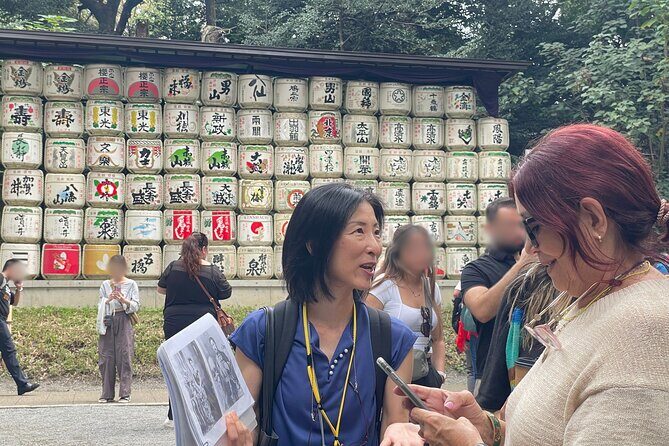
You meet at JR Harajuku station, west exit. The guide waits there with a signboard that says gotcha.
This sounds simple, but it’s one of those small details that prevents wasted time. Harajuku can be a maze of exits and side streets, and if you arrive and can’t find your group quickly, the tour timing gets stressful. I’d aim to show up a few minutes early, not because you’ll be late, but because you’ll want calm focus for the shrine part.
Meiji Jingu and Omikuji: The Calm Start That Actually Means Something
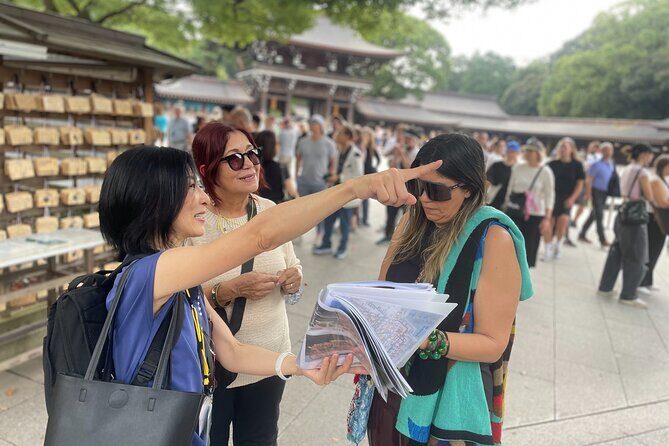
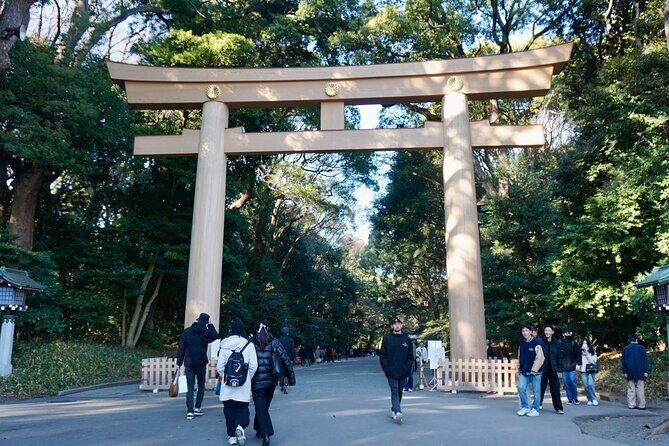
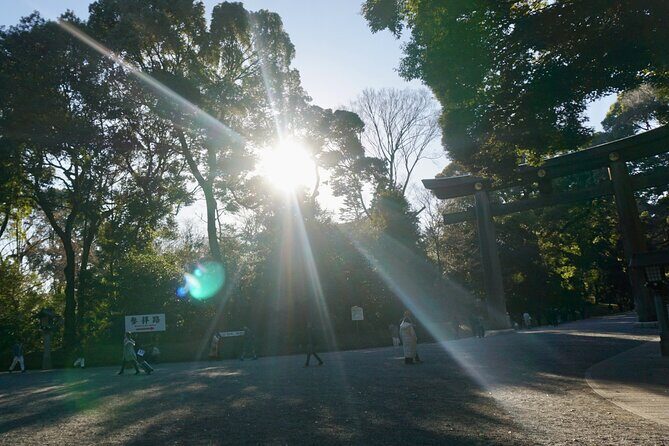
The tour kicks off at Meiji Jingu, described as the most visited shrine in Japan during Hatsumode. That framing is useful. If you already know the holiday, you’ll understand why this shrine draws crowds of people wanting blessings for the year ahead. If you don’t know it yet, the guide explains the origins and how visiting works, which is the difference between watching religious customs from the outside and following them with respect.
Here’s what I like about starting this way: it gives you a mental reset before you hit Harajuku and Shibuya. You get the contrast immediately. You’re walking from shrine serenity into street life, not from street life into shrine serenity.
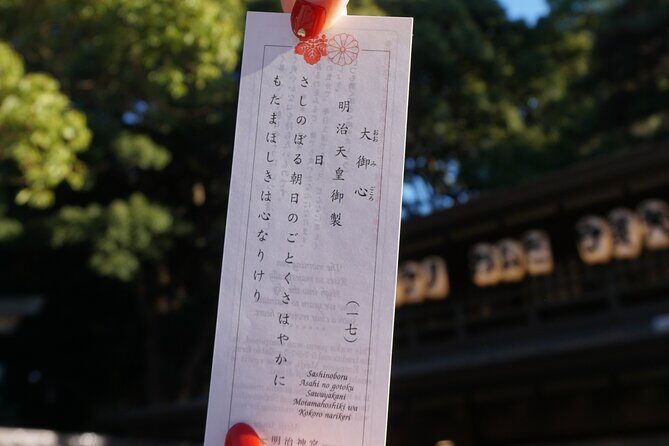
You’ll also handle the omikuji part during the visit. The tour includes the omikuji (fortune paper) fee, so the tour setup covers the decision you might otherwise face on your own: do I buy one, and if so, what exactly am I meant to do with it?
One detail that stands out from guide feedback is that they help guests with customs in a practical way. For example, guides like Masahito were praised for making the shrine walk enjoyable and for helping the group learn Japanese customs while making a wish. Another name that came up was Shigure, praised for attentiveness and explanations about Japanese culture.
Important note: shrines have rules, and you’ll feel that once you’re there. If you come expecting a quick photo stop, adjust your mindset. This first segment is about learning what the actions mean, so you’ll have a better time even if you’re not the type who loves history facts.
How the Shrine Visit Feels on the Ground
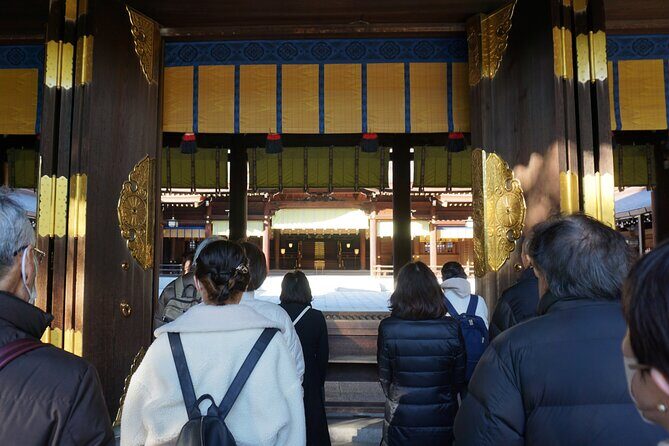
At Meiji Jingu, you’re walking through a space where nature and quiet are part of the experience. The tour description mentions feeling the vastness of natural energy, but the practical takeaway is simpler: you’ll notice how the mood shifts. People slow down here. Even your pace should change.
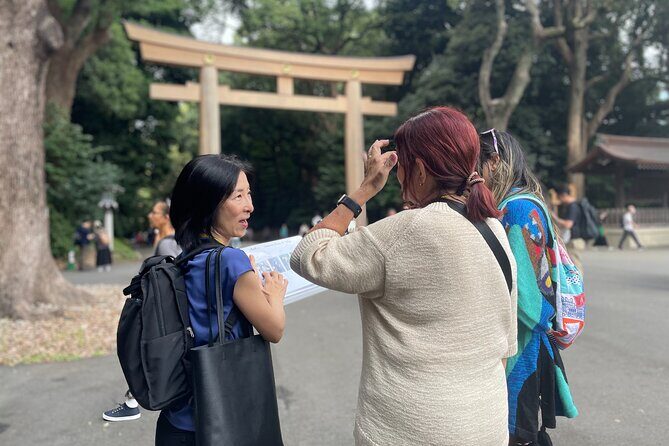
The guide’s job in this part isn’t to recite trivia. It’s to connect you with the reasons behind what you’re seeing and doing. That’s why the tour includes explanations of the shrine’s origins and how to visit. It turns the visit into something you can actually use as a template for any other shrine you might see later.
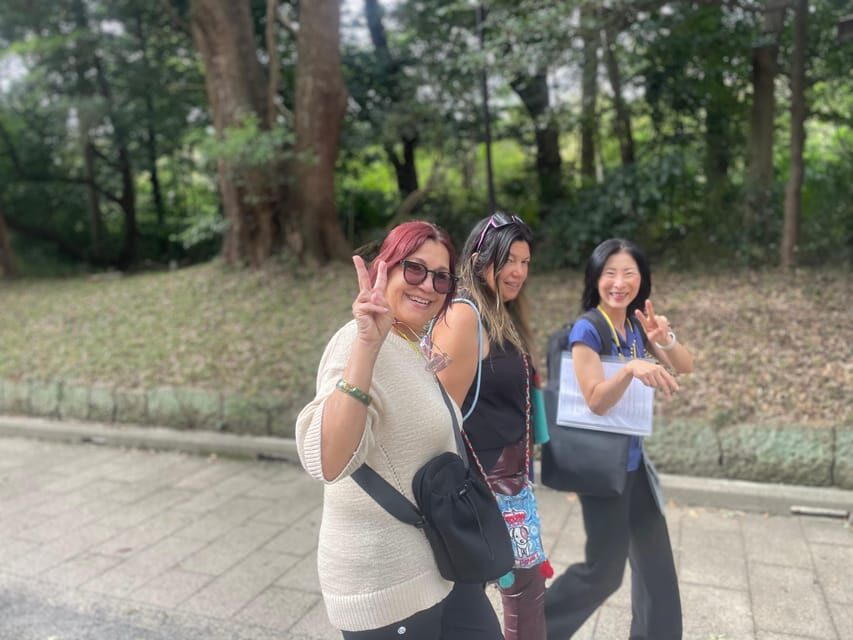
If you’re wondering whether this will be too formal, it usually isn’t. The group is small, and with a live English guide you can ask what you’re allowed to do and what you should focus on. That’s a big deal when you’re not sure what’s expected in a religious setting.
Harajuku After the Shrine: Takeshita Street Crepe Break
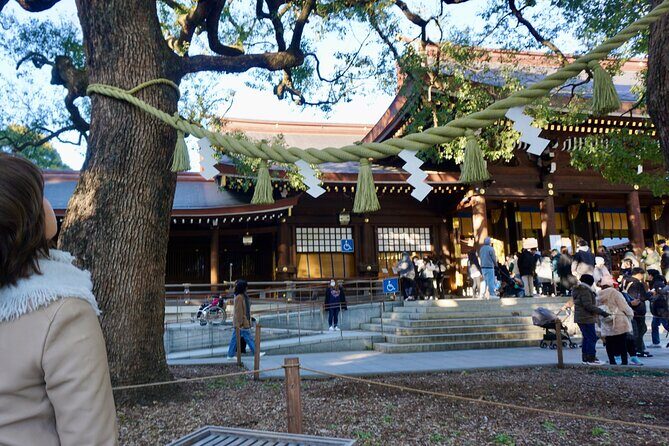
Once the shrine segment ends, you transition into Harajuku, and the tour brings you to Takeshita Street for a Japanese-style crepe.
This is a smart stop for two reasons. First, it gives you energy during a 2-hour plan. Second, Takeshita Street is the kind of place where you’re surrounded by visual stimulation. A crepe break helps you slow down enough to enjoy the atmosphere instead of just rushing through.
I like that the tour doesn’t overcomplicate the food choice. You’re not forced into a long meal. You get something classic, quick, and easy to eat while walking.
If you’re the type who wants photos with minimal fuss, use the crepe moment to reset your headspace: grab your snack, stand where you can see the street, and let yourself take in the mix of fashion, color, and people-watching. Harajuku can be fun precisely because it’s not trying to be “serious Tokyo.” It’s playful, and your snack fits that vibe.






The Walk to Shibuya: From Fashion Street to Big-City Geometry
Next you head toward Shibuya, culminating in the Shibuya Scramble Crossing photo moment.
This part is where guided planning becomes real. The crossing is famous for a reason: it’s a visual wave of people moving in different directions at once. On your own, you might find yourself stuck on the wrong side, or you might spend time locating the best angle. On this tour, the route is built to get you to that moment with the group.
You’ll take group photos at the crossing, which is both practical and fun. If you’ve been in Japan before, you know that getting good photos of your whole crew can be surprisingly annoying. Having someone else handle the “where do we stand” part is a relief.
Hachiko and the Loyalty Story
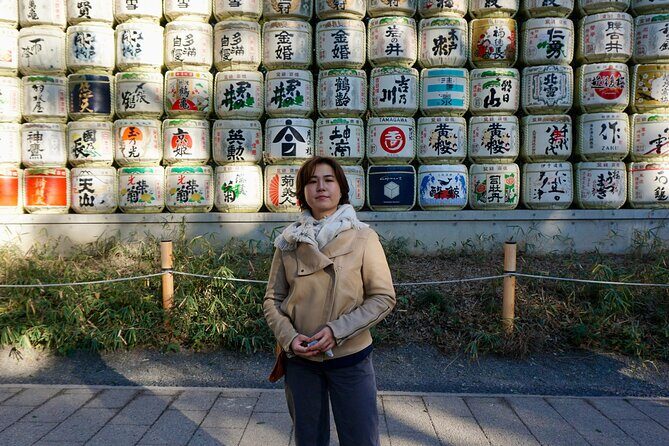
After Shibuya Crossing, you visit the Hachiko statue area. The guide explains the sad tale behind this symbol of loyalty.
This is one of those cultural moments that lands differently when someone gives you the context. The statue is recognizable, but the story is what makes it more than a photo prop. Even if you don’t become emotionally attached instantly, it changes how you look at the scene while you’re standing there.
And since this tour is only 2 hours total, adding Hachiko here gives you a payoff beyond the crossing. You’re not only seeing Tokyo’s motion; you’re also seeing a piece of emotion attached to a city icon.
The Viewpoint Finish Over Shibuya Crossing
The tour wraps up with a scenic vantage point overlooking Shibuya Crossing.
This is a great final move. A viewpoint gives you a different perspective from street level. It also helps you process what you just saw: the crossing’s energy becomes easier to understand when you can watch it like a pattern.
It’s also a smart timing choice. Ending with a view gives you a natural finish point, and you’re less likely to feel rushed compared to ending in a store district where everyone wants to keep shopping.
Price and Value: Is $78 Worth It for 2 Hours?
At $78 per person for a 2-hour small-group tour, the price is less about “cheap sightseeing” and more about buying time and clarity.
Here’s where you get value:
- You pay for an English live guide who helps you move through three key areas without second-guessing.
- The tour includes the omikuji fortune paper fee, so you don’t need to budget separately for that part.
- You get structured photo moments at Shibuya Crossing and a finish at a viewpoint.
What you don’t get (based on the info provided): you’re not buying a full-day itinerary, and there’s no mention of long museum-style stops. So if you expect a slow, deep exploration of each neighborhood, this will feel short.
But if your goal is to see Meiji Jingu, get your Harajuku snack moment, and still end with iconic Shibuya photos and context, the math works out. You’re paying for someone to connect the experience for you.
Also, if you’re the type who benefits from small-group attention, the cap of 10 participants helps justify the cost more than a giant bus tour would.
Who This Tour Suits Best
This tour is ideal if you:
- Want a tight Tokyo route that covers shrine, street culture, and Shibuya icons in one session.
- Prefer English guidance over solo guessing.
- Like having photo stops planned, especially at Shibuya Crossing.
- Enjoy cultural context, like the connection between Meiji Jingu and Hatsumode, and the Hachiko story behind the statue.
It may be less ideal if you:
- Want lots of independent wandering or shopping time in Harajuku.
- Hate structured itineraries and want to build your own route from scratch.
- Want a slower pace with extended time at only one place.
Quick Logistics Notes That Matter (Without the Stress)
The tour is offered in English with a small group capped at 10 people. It’s 2 hours, so plan your day around that block.
If your schedule is uncertain, there’s free cancellation up to 24 hours in advance and a reserve-now, pay-later option mentioned. That’s helpful when Tokyo plans change because trains, weather, or energy levels don’t always cooperate.
Should You Book This Harajuku and Shibuya Guided Tour?
I’d book it if you want the best version of a short Tokyo outing: shrine calm, Harajuku flavor, and Shibuya’s main event, all with someone guiding the flow.
I’d skip it or add extra independent time if your priority is deep shopping, long shrine meditation time, or if you’re already confident navigating these areas on your own and you don’t need help with photo angles or shrine customs.
Bottom line: for a 2-hour, $78 plan, this tour is a practical way to see three iconic sides of Tokyo while learning what to do (and why) at the shrine and what to look for at Shibuya.
FAQ
Where do we meet for the tour?
You meet at JR Harajuku station, west exit. The guide is waiting there with a signboard that shows gotcha.
How long is the tour?
The tour lasts 2 hours.
What’s included in the tour price?
The tour includes an English live tour guide and the omikuji (fortune paper) fee.
Is this tour in English?
Yes. The guide provides the tour in English.
Is the group size small?
Yes, it’s a small group limited to 10 participants.
Can I cancel if my plans change?
The tour offers free cancellation up to 24 hours in advance for a full refund.