REVIEW · KYOTO
Kyoto Sushi & Takoyaki Cooking Class near Gion and Kiyomizu-dera!
Book on Viator →Operated by OTAKU hopper · Bookable on Viator
In Kyoto, dinner lessons beat restaurant crowds. You’ll cook rolled sushi and takoyaki in a traditional machiya with local instructor HANA, and you’ll get the story behind each dish as you go. I also love the payoff: you eat what you make right there, with local drinks and a sweet finish.
The main thing to consider is logistics. There’s no hotel pickup, and the session is about 2 hours, so you’ll want to plan your day around getting to the meeting point on time.
In This Review
- Key highlights you’ll care about
- Cooking in a Kyoto machiya near Gion and Kiyomizu-dera
- Finding Hanakiya Inn at Gojōbashihigashi (and why it’s not stressful)
- Rolling sushi in a real class flow with HANA
- Takoyaki: the fun, hands-on part that usually disappears first
- Eating your creations: lunch, pairing drinks, and more than one dessert
- What you take home: recipes that make this class useful later
- Price and value: what $96.19 covers (and why it feels fair)
- Who should book this sushi and takoyaki class?
- Should you book it? My take before you decide
- FAQ
- FAQ
- What dishes will I learn to make?
- How long is the class?
- Is lunch included?
- What drinks and dessert are included?
- Do I need to bring ingredients or cooking tools?
- Is hotel pickup included?
- Where do I meet the group?
- Are children allowed?
- Can I cancel and get a full refund?
Key highlights you’ll care about
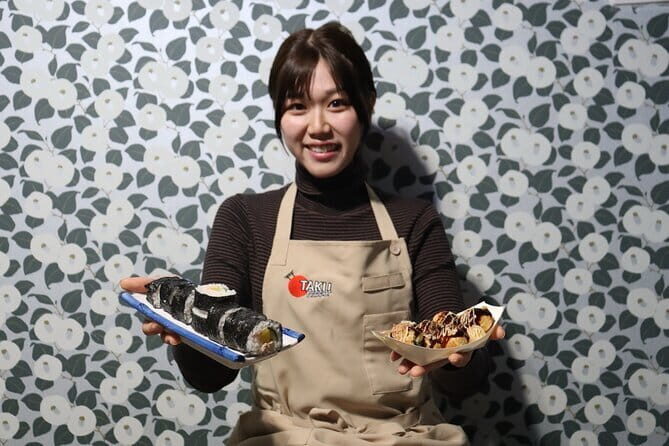
- Small group size (max 6) means more chances to ask questions while you cook with HANA.
- Two Kyoto favorites in one class: rolled sushi and takoyaki, made hands-on.
- A machiya setting in Higashiyama gives the experience a real sense of place near Gion.
- Lunch-style meal + take-home recipes, so you leave fed and able to repeat it.
- Sake/beer/juice pairing and matcha mochi ice-cream rounds out the whole food arc.
Cooking in a Kyoto machiya near Gion and Kiyomizu-dera
This class takes place in a traditional Kyoto machiya in the historic Higashiyama area, which is exactly where you want to be if you like old-street Kyoto energy. The setting matters because you’re not just learning recipes on autopilot—you’re cooking in the kind of space that shaped daily life in Kyoto.
The session is designed to move at a friendly pace for hands-on cooking. You’ll be working with ingredients and tools provided, and you’ll get explanations tied to Japanese food culture and everyday life in Japan, not just a list of steps.
One practical plus: it’s near public transportation. You don’t need a complicated plan or taxi-hopping just to get there, as long as you allow a little buffer time to find the meeting point.
You can also read our reviews of more cooking classes in Kyoto
Finding Hanakiya Inn at Gojōbashihigashi (and why it’s not stressful)
You’ll meet at Hanakiya Inn, located at 6-chōme-583-101 Gojōbashihigashi, Higashiyama Ward, Kyoto. Your activity ends back at the same meeting point, so you don’t have to worry about getting stranded somewhere new after you’re done eating.
The tour uses a mobile ticket, which keeps things simple at check-in. Just make sure your phone battery is happy, and you can pull up the ticket without scrambling.
If you’re used to tours that pick you up, remember this one doesn’t. You’ll want to set aside time to reach the meeting point yourself, then enjoy the fact that the class handles everything once you arrive.
Rolling sushi in a real class flow with HANA
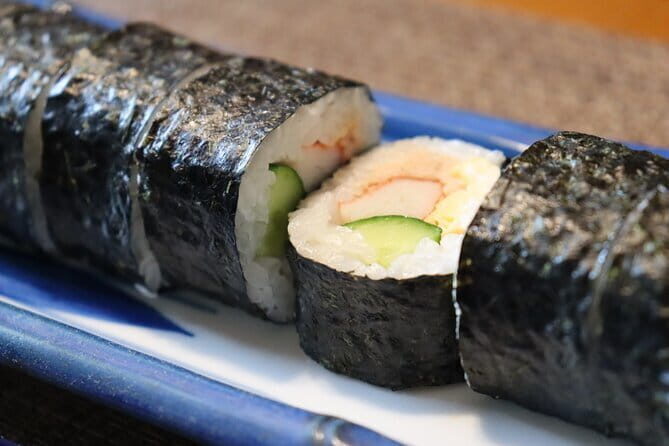
Rolled sushi sounds simple until you’re the one making it. In this class, you’ll learn how to make rolled sushi while working in a guided, hands-on format with instructor HANA.
What I like about this approach is that it treats sushi as more than a food product. As you cook, you’ll hear stories about Japanese culinary traditions and daily life, which helps the flavors click for you later—when you’re shopping for ingredients back home, or trying the steps again.
You also get tips to take home. That’s important because sushi can be a little technique-sensitive, and written or takeaway guidance gives you a better chance of getting results the second time.
And since the group is capped at 6 travelers, you’re not stuck watching from the sidelines. You’ll have more time for questions while you’re actually working on your roll.
Takoyaki: the fun, hands-on part that usually disappears first
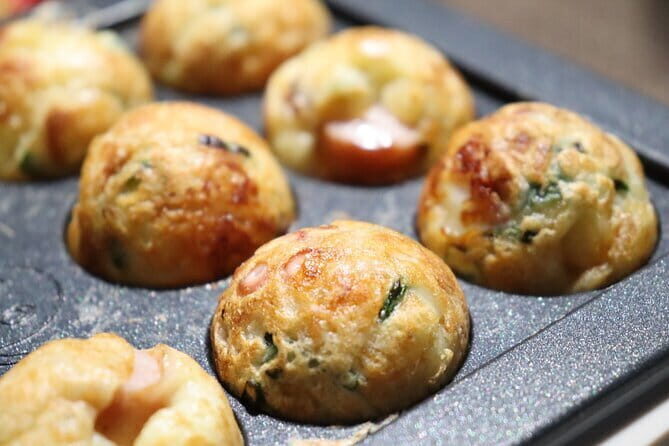
Next up is takoyaki, those crispy-edged octopus balls that smell like comfort food the moment they hit the pan. This class has you making them yourself, again with ingredients and tools provided, so you’re not spending pre-class time hunting down specialty items.
The practical win here is format. Takoyaki is a great teaching dish because it’s interactive—you can see how batter consistency and timing affect the outside, and how toppings change the final bite.
This is also where you’ll likely notice how much “small technique” matters. Whether it’s getting the shape right or timing the turning, the class structure helps you learn by doing, not by reading a recipe and hoping for the best.
Once you finish, you’ll eat what you made as part of your meal. In Japan, that moment—when your food is fresh and you understand how it was made—often feels more satisfying than any souvenir.
Eating your creations: lunch, pairing drinks, and more than one dessert
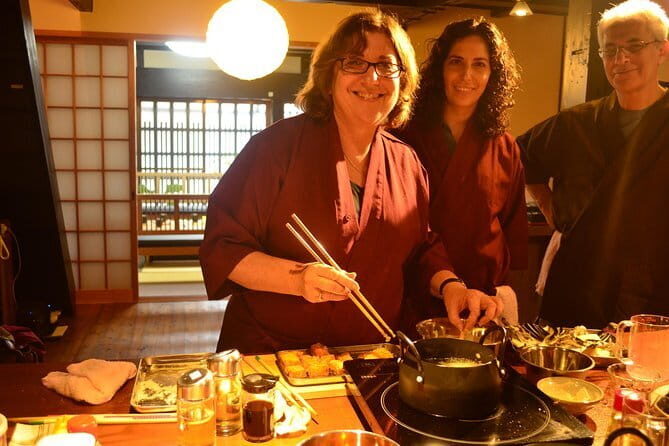
This isn’t a tiny tasting with polite portions. Your meal is built around the dishes you make: rolled sushi and takoyaki, served as lunch-style food while you’re still in cooking mode.
Drinks are included, too, which keeps the experience feeling complete rather than “just the cooking.” You can expect sake, beer, or juice as your included drink option, so you can choose based on your comfort level. If you’re curious about sake, this is one of the easier ways to try it in a low-pressure setting tied directly to the meal.
Then comes the sweet part: matcha mochi ice cream. I love ending with something straightforward and Japanese. Matcha and mochi ice cream gives you a creamy finish that balances the savory food you’ve been working on.
If you tend to overestimate how much you can eat in a class setting, you’ll likely be grateful for this structure. The food is generous, and there’s even a way to take some home when you can’t finish it on the spot.
A few more Kyoto tours and experiences worth a look
What you take home: recipes that make this class useful later
A cooking class is only half the value if you can’t repeat it at home. Here, you’ll take home recipes and tips so you’re not left with memory and a vague “it was good” feeling.
That matters because sushi and takoyaki have small steps that can change the outcome. Having something you can reference later turns this from a one-off experience into a skill you can practice.
And since the class includes stories about food culture, you can also explain to friends what you made and why it’s done that way. That’s the kind of souvenir that doesn’t sit in a drawer.
Price and value: what $96.19 covers (and why it feels fair)
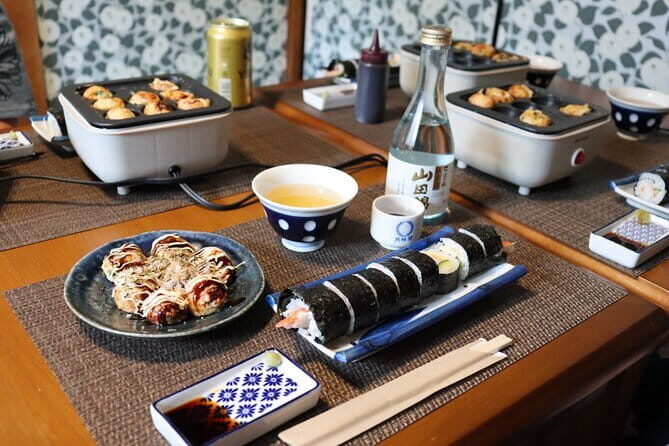
At $96.19 per person, this class can look pricey at first glance—until you break down what’s included. You’re paying for:
- A small-group, hands-on cooking session led by an English-speaking local instructor (HANA)
- All ingredients and cooking tools
- A full meal built around what you cook: rolled sushi and takoyaki
- Matcha mochi ice cream as dessert
- A included drink option: sake, beer, or juice
- Take-home recipes and tips
When you compare that to the cost of buying ingredients for two dishes plus a guided lesson, the value makes more sense. Especially because you’re getting both the technique and the cultural context, and you’re eating your results right away.
Also, the session is about 2 hours, so you’re not sinking a whole day. That’s a real advantage when you’re juggling shrine stops, tea breaks, and neighborhood wandering in Kyoto.
Who should book this sushi and takoyaki class?
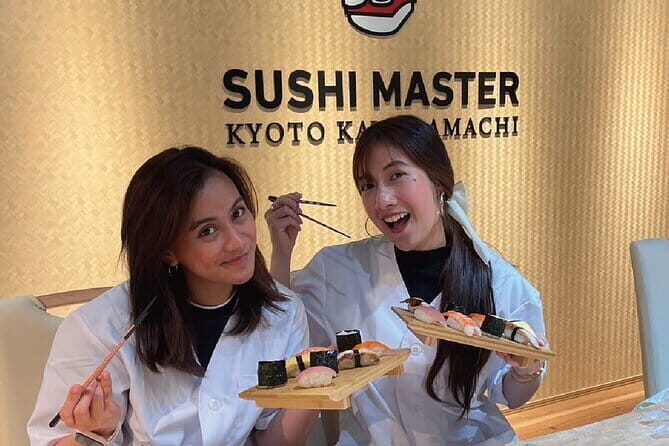
This is a great fit if you want a hands-on food experience without needing advanced cooking skills. You’ll be guided through the process of making rolled sushi and takoyaki, and the small group setup helps beginners keep up.
It’s also a good choice if you care about the “why” behind the food. The class includes stories tied to Japanese culinary traditions and daily life, which makes your meal feel like more than just dinner.
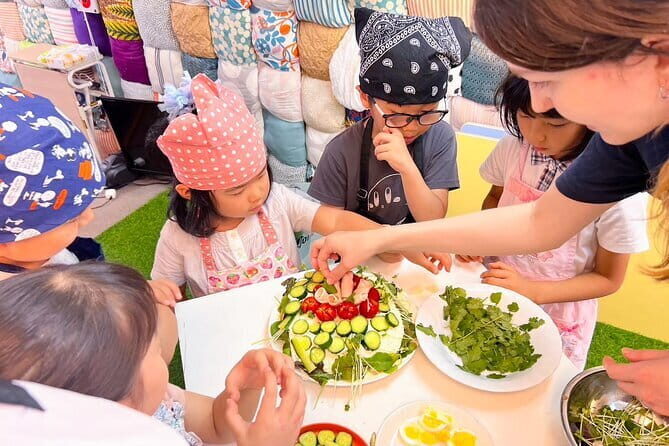
One more group fit point: children under 6 are not permitted for safety reasons. If you’re traveling with kids above that age, this can work well as a structured break from walking, because you get to do something practical with your hands.
If you dislike cooking classes, or you’re mainly looking for long sightseeing time, you might find the 2-hour format limiting. In that case, consider treating this as your scheduled food anchor in the middle of a Higashiyama day.
Should you book it? My take before you decide
Book it if you want an efficient, delicious Kyoto experience that combines technique, culture, and eating what you make. I’d especially recommend it for food lovers who like small groups and hate the idea of paying for a class and then leaving hungry or empty-handed.
Don’t book it if you need hotel pickup convenience or you’re set on doing a very flexible day with no fixed timing. This one starts at Hanakiya Inn and ends back there, so plan around arriving on your own.
If your goal is to leave Kyoto with recipes you can actually use, this class has the structure to do that—plus a meal and dessert that make the effort feel worth it.
FAQ
FAQ
What dishes will I learn to make?
You’ll make rolled sushi and takoyaki in the cooking class.
How long is the class?
The class is about 2 hours (approx.).
Is lunch included?
Yes. You’ll make the rolled sushi and takoyaki, and you’ll eat them as lunch.
What drinks and dessert are included?
A drink is included (sake, beer, or juice), and dessert is included (matcha mochi ice-cream).
Do I need to bring ingredients or cooking tools?
No. All ingredients and cooking tools are provided.
Is hotel pickup included?
No. Hotel pick-up is not included, so you’ll need to get to the meeting point yourself.
Where do I meet the group?
You meet at Hanakiya Inn, 6-chōme-583-101 Gojōbashihigashi, Higashiyama Ward, Kyoto, 605-0846, Japan.
Are children allowed?
Children under 6 years old are not permitted to participate for safety reasons.
Can I cancel and get a full refund?
Yes. You can cancel up to 24 hours in advance for a full refund.