REVIEW · TOKYO
Japanese Cooking Class in Tokyo with a Local Chef Chieko
Book on Viator →Operated by Traveling Spoon · Bookable on Viator
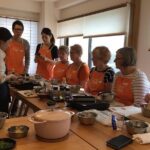
Food tastes better when you make it. In Tokyo, Chef Chieko runs a hands-on home-style cooking class with fresh local produce, where you work side-by-side and then sit down together to eat what you made. You cook one main dish plus two side dishes, not just watch.
One catch: finding the studio address can be a little annoying. The meeting point is clear on paper, but there’s no obvious signage at the building, so you’ll want to follow the host instructions and wait in the lobby when you arrive.
In This Review
- Key Highlights You’ll Care About
- Shinjuku Convenience Meets a Home-Cooking Setup
- The Class Flow: From Choosing a Menu to Cooking in Real Time
- What you’ll do during cooking
- What Makes This Class Feel Local: Chieko’s Hospitality
- Choosing Dishes: One Main, Two Sides, and a Balanced Meal
- After the Cooking: Sit Down, Eat, and Chat
- Vegetarian Planning That Doesn’t Feel Like a Compromise
- Price and Value: Why $109 Can Make Sense
- Practical Logistics That Can Save You Stress
- When it runs
- Getting there
- Ticket
- Group size
- Who This Tokyo Cooking Class Is Best For
- My Take: Book It If You Want Real Skills and Real Hospitality
- Should You Book?
- FAQ
- Where does the cooking class meet in Tokyo?
- How long is the class?
- What time slots are available?
- How much does it cost?
- How do you choose what you cook?
- Can the host accommodate vegetarian diets?
- Is a meal included?
- What’s included and what’s not?
- Can I cancel for a full refund?
- Is there a maximum group size?
Key Highlights You’ll Care About
- 2.5 hours, twice daily: 11:00–13:30 or 17:00–19:30 keeps it simple for planning.
- Pick your menu: choose one from five options, with seasonal variations.
- Cook 1 main + 2 sides: that’s enough variety to learn techniques without dragging the class.
- Eat right away: you share a home-cooked Japanese meal you helped create.
- Small group feel: max 11 travelers, so you get real back-and-forth with Chieko.
- Vegetarian-friendly: Chieko can accommodate a vegetarian diet if you tell her in advance.
Shinjuku Convenience Meets a Home-Cooking Setup
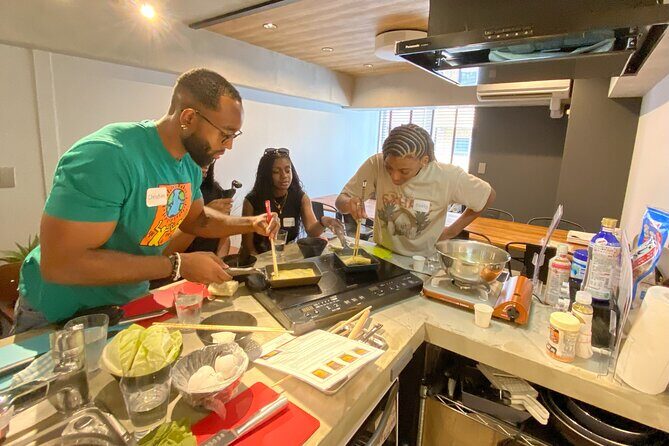
Tokyo cooking classes can fall into two camps: either they’re fancy demonstrations you watch from the sidelines, or they’re chaos in a commercial kitchen. This one sits in a nice middle spot.
You meet in Shibuya City, about a 10-minute walk from Shinjuku Station, at the address listed as センスネイル2-chōme-5-1 Yoyogi. The class itself is in a cooking studio setting, not a restaurant. That matters because you’re learning how the food comes together—prep, heat control, seasoning, and timing—while someone who actually cooks these dishes every day keeps an eye on what you’re doing.
Chef Chieko is the heart of it. She was born and raised on Shikoku Island, then lived in Kyoto, Osaka, and Los Angeles before moving to Tokyo. Growing up on an island means she’s comfortable with fresh seafood, vegetables, and rice. She learned traditional dishes from her mother, and she teaches with that same practical, everyday mindset.
If you want a class where you leave with food you understand and techniques you can repeat at home, this style fits.
You can also read our reviews of more cooking classes in Tokyo

The Class Flow: From Choosing a Menu to Cooking in Real Time
Your session is about 2 hours 30 minutes total, and it’s structured to keep moving. You’ll arrive, meet Chieko, and then get started right away—no long preamble.
Here’s the big decision up front: you choose one menu option from five choices. That’s good value for your time. You’re not stuck with a random set of dishes that doesn’t match your tastes. And since menus can change with the season, you get to cook something that reflects what’s available.
Once you choose, you’ll cook one main dish plus two side dishes. That combo is clever. The main dish anchors the meal, while the sides teach supporting skills—usually things like how Japanese flavors build, how textures contrast, and how sauces and seasonings behave in smaller quantities.
Chieko also shares simple tips and tricks she learned from her mother. The goal isn’t to overwhelm you with “chef talk.” It’s to give you shortcuts that make sense, even if you’re cooking in a different kitchen at home.
What you’ll do during cooking
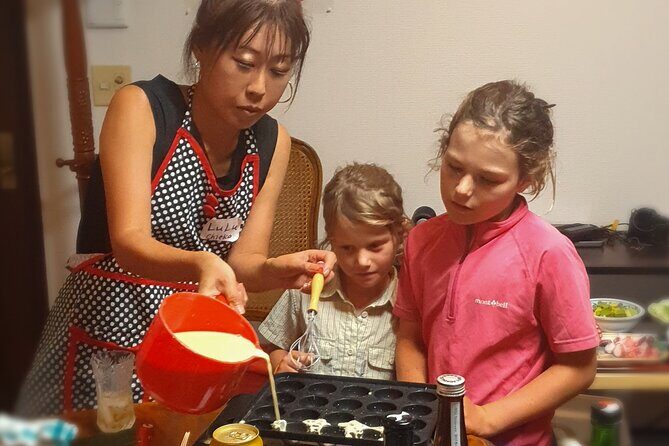
You should expect hands-on work throughout—mixing, cutting, seasoning, and cooking. You’re not just assembling. And because the group is small (up to 11), you can ask questions when something doesn’t make sense.
There’s also room for allergies and dietary needs if you state them during booking. For vegetarian diets, Chieko can accommodate you, which is a big deal in Japan where dashi and hidden ingredients can be tricky.
What Makes This Class Feel Local: Chieko’s Hospitality
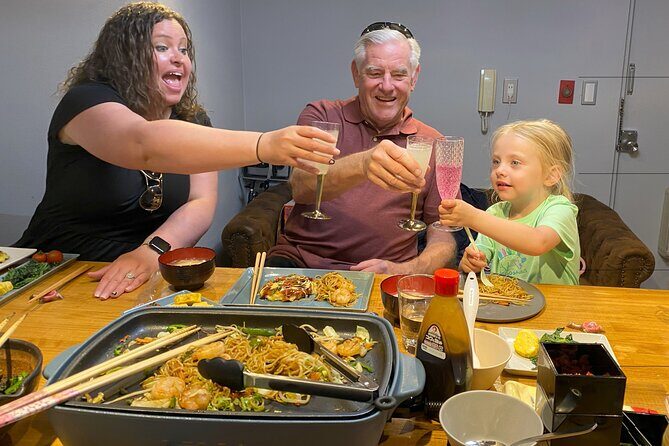
In Tokyo, the difference between a tourist class and a local-feeling class often comes down to one thing: tone. This experience leans warm and personal.
Chieko is excited to meet people from all over the world and share what everyday Japanese cooking looks like. The class is designed around Japanese hospitality—how you’re welcomed, how questions are handled, and how you’re guided through the process. It doesn’t feel like a scripted performance.
One helpful detail from past participants: Chieko’s team may help along the way, and the support staff are described as friendly and thorough—explaining what you’re doing and why, including the produce you’re cooking with. That kind of “reasoning” is what turns a cooking class into a learnable skill, not a one-time meal.
So even if you’ve never cooked Japanese food before, you can follow along. And if you have cooked a little, you’ll still likely pick up technique—especially around how flavors and timing work together.
Choosing Dishes: One Main, Two Sides, and a Balanced Meal
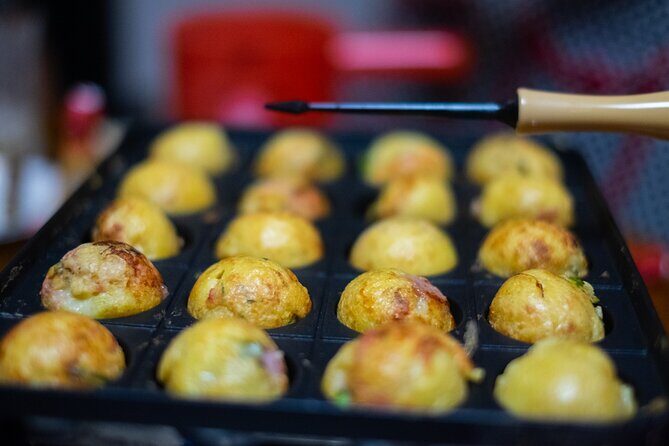
This class is built around a complete Japanese meal experience, not a collection of isolated recipes. You’ll cook a main dish, plus two sides that round out the plate. Then you share that meal together.
That structure helps in two ways:
- You learn how Japanese meals fit together. A side dish isn’t just filler. It balances the main dish—saltiness, sweetness, crunch, broth, or gentle acidity.
- You get variety without cooking forever. In 2.5 hours, you’ll cover multiple textures and techniques. It’s enough for real understanding but not so much that you’re exhausted.
Menus come from five options, and the exact dishes can vary with season. That seasonal shift is practical for you. It means you’re cooking with ingredients that are likely fresher than what you’d find imported or out of season.
A few more Tokyo tours and experiences worth a look



After the Cooking: Sit Down, Eat, and Chat
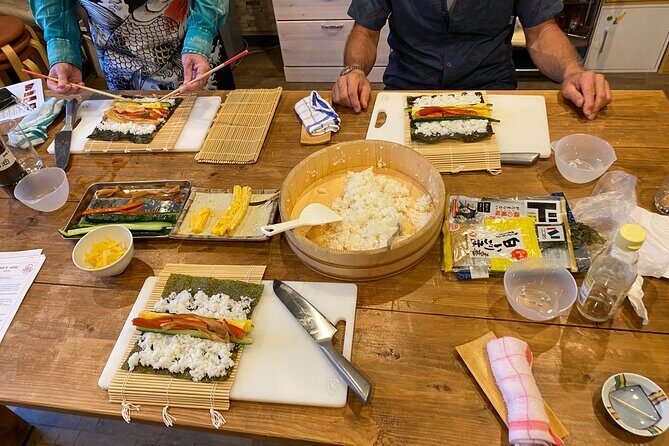
Once cooking finishes, you sit down and share the meal you helped prepare. This part matters more than people think.
In many classes, the cooking is the “event,” and the meal is a token afterthought. Here, the meal is the payoff. You taste what you made while the flavors are still fresh and the process is still fresh in your mind. That makes it easier to remember what to adjust next time.
It also creates that local-social feeling. Eating together in a home-style way gives context to the recipes. You’re not just eating food; you’re experiencing the rhythm of a meal.
And because it’s a guided experience with Chieko (and sometimes additional helpers), you can ask questions while you eat—about ingredient swaps, flavor logic, and how the dish would change for different preferences.
Vegetarian Planning That Doesn’t Feel Like a Compromise
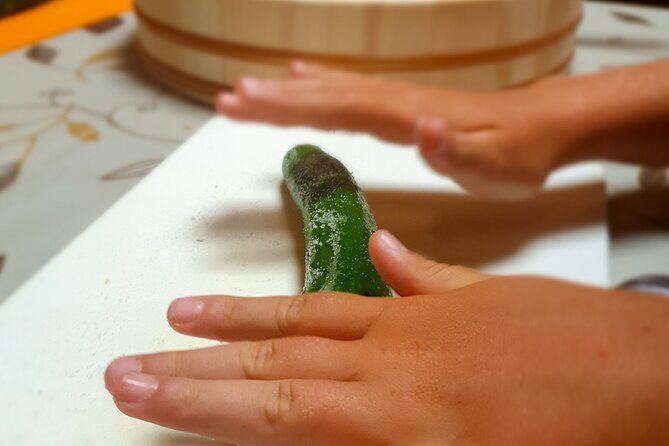
One standout piece of value for many guests: Chieko can accommodate vegetarian diets.
That doesn’t always happen smoothly in Japanese cooking, where stock bases and ingredient crossovers can sneak in. The key is that you need to advise your dietary requirements in the booking notes at the time of reservation. Do it early enough that the host has time to adjust menu planning.
If you’re vegetarian (or traveling with one person who is), this is one of those classes worth prioritizing because you’re not stuck with a “bring your own snack” workaround.
Price and Value: Why $109 Can Make Sense
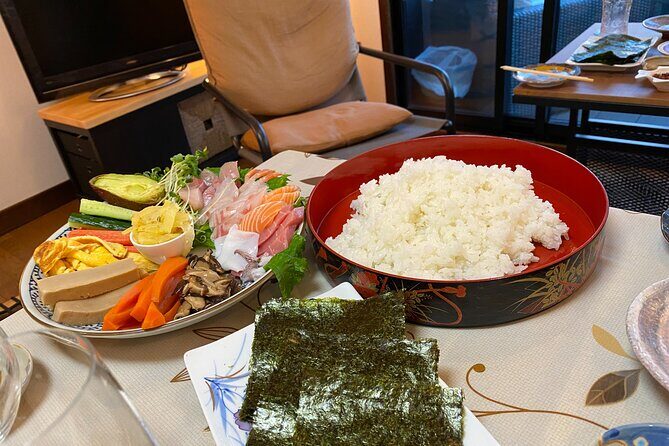
At $109 per person, you’re paying for more than recipes. You’re paying for:
- a certified cooking instructor with real home-cooking background,
- hands-on guidance while you cook,
- and a meal you don’t have to source, cook, or coordinate afterward.
In Tokyo, eating well can get expensive fast—especially if you’re comparing to a casual meal. This class is a different kind of spending. You’re buying an experience where the cost covers instruction plus ingredients plus the time you spend together.
Is it the cheapest thing you can do? No. But it’s also not trying to be “just a snack.” For two and a half hours, you get real cooking practice, a full Japanese meal format, and a personal connection with a chef who has lived in multiple Japanese cities and even Los Angeles.
If you love food and want skills you can use later, the price feels more like a fair exchange.
Practical Logistics That Can Save You Stress
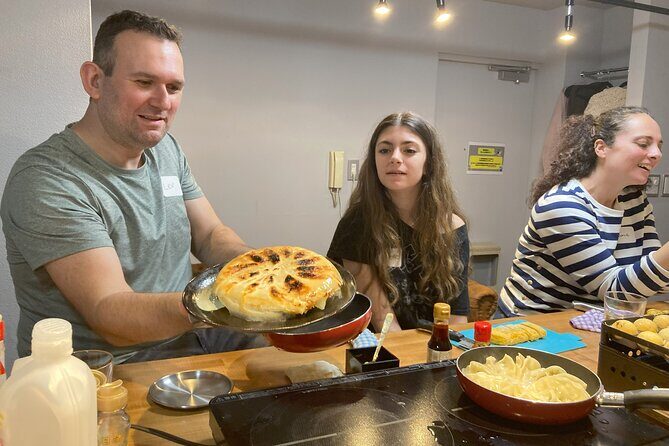
Here’s what’s useful to know so you don’t waste time.
When it runs
The class is listed as 2.5 hours with two time slots: 11:00–13:30 or 17:00–19:30. Plan your day around one fixed block. That’s helpful if you’re mapping Tokyo in pieces.
Getting there
The meeting point is walkable from Shinjuku Station (about 10 minutes). The address is specific, but signage might not be obvious. One practical tip: when you arrive, don’t spend 20 minutes wandering the entrance area guessing which building is yours. Wait in the lobby and follow the host’s pickup guidance.
Ticket
You get a mobile ticket, which simplifies entry. No printed paperwork to track in a busy city.
Group size
Max is 11 travelers. That’s small enough for you to get help, but big enough that the room may feel active rather than whisper-quiet.
Who This Tokyo Cooking Class Is Best For
This class works especially well if you:
- want hands-on cooking, not a passive tasting tour,
- care about learning how to recreate Japanese home flavors later,
- like the idea of cooking one main dish and two sides in a complete meal format,
- need a vegetarian option handled by the host, and
- want something close to Shinjuku that fits neatly into a day plan.
It may be less ideal if you’re looking for a long, multi-stop food crawl with lots of walking and new neighborhoods. This experience is centered on the studio and the meal itself. You’re here to cook and eat, not chase a dozen sights.
Also, if you hate being in a shared kitchen environment, you might want a more private, one-on-one cooking setup. But with the max group size and the teaching approach, the class is designed to stay manageable.
My Take: Book It If You Want Real Skills and Real Hospitality
If your goal is to leave with recipes you actually understand, you’ll like this. Chieko’s background—Shikoku roots, plus years living in Kyoto and Osaka—comes through in the way she teaches. You’re not getting a one-size-fits-all performance. You’re getting home-style cooking ideas built on ingredients she expects to be fresh.
And the meal at the end is part of the deal, not a consolation prize. You sit down, eat what you made, and you get that satisfying moment when the class turns into dinner.
Just go in prepared for the one practical snag: the building can be hard to spot. Arrive on time, use your phone, and wait for the host pickup instructions.
Should You Book?
Yes, if you want a hands-on Japanese cooking experience near Shinjuku with a chef who teaches practical home techniques and can handle vegetarian diets. It’s also a strong pick if you’re willing to trade a bit of Tokyo sightseeing time for a skill you can reuse later.
Skip it only if you want a large group food tour with lots of street wandering, or if you’re not comfortable cooking in a shared studio setting.
FAQ
Where does the cooking class meet in Tokyo?
The meeting point is センスネイル2-chōme-5-1 Yoyogi, Shibuya, Tokyo 151-0053, Japan, and the tour ends back at the meeting point.
How long is the class?
It’s about 2 hours 30 minutes.
What time slots are available?
The class runs in two sessions: 11:00–13:30 or 17:00–19:30.
How much does it cost?
The price is $109.00 per person.
How do you choose what you cook?
You select one menu option from five choices.
Can the host accommodate vegetarian diets?
Yes. Chieko can accommodate a vegetarian diet if you advise your dietary requirements at booking.
Is a meal included?
Yes. You’ll share a home-cooked Japanese meal after the cooking class.
What’s included and what’s not?
Included: the cooking lesson with host Chieko and the home-cooked meal. Not included: hotel pickup and drop-off.
Can I cancel for a full refund?
Yes, free cancellation is available up to 24 hours before the experience start time for a full refund.
Is there a maximum group size?
Yes. The activity has a maximum of 11 travelers.