REVIEW · TOKYO
Shinjuku Tokyo: Authentic Japanese Home-Style Culinary Class
Book on GetYourGuide →Operated by Wa No Kokoro Cooking Activity Class · Bookable on GetYourGuide
Two hours feels short when you’re cooking Japanese comfort food. This is a hands-on culinary class near Shinjuku where you choose a menu, prep several dishes, then sit down to eat what you made. I like that the lessons stay practical—technique first, not just theory—and that the food choices are real favorites like okonomiyaki, gyoza, takoyaki, and gozen sets.
One thing to plan for: menu choice can depend on how many groups are in the kitchen that day. If your class isn’t the only one, you might not get your first pick, so it’s smart to be flexible when you book.
In This Review
- Key things to know before you go
- A Shinjuku kitchen you can actually picture
- Choosing your menu: four favorites (plus a request option)
- Menu A: Okonomiyaki and yakisoba set
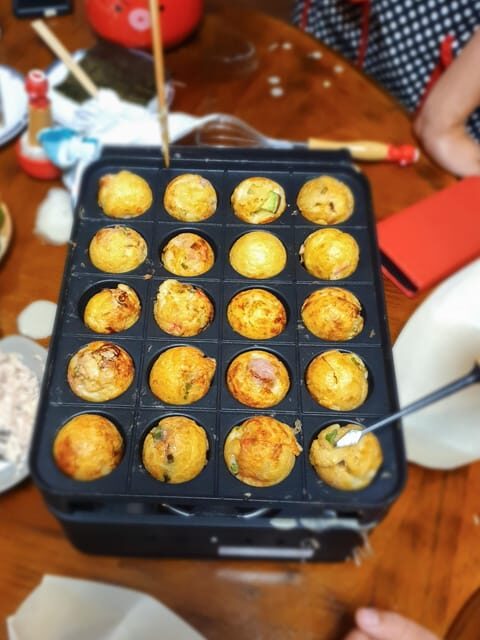
- Menu B: Gyoza and takoyaki set
- Menu C: Rolled sushi, teriyaki set, and miso soup
- Menu D: Traditional gozen set
- Menu E: Request-based option
- 150 minutes from chopping to chopsticks
- 1) Setup and ingredient prep
- 2) Cooking stations for your chosen menu
- 3) Eating together like it’s the plan
- 4) The take-home part
- How the teaching style actually helps
- Dietary needs and allergies: tell them early and keep it simple
- Price and value: $88 buys a full meal plus skills
- Finding the kitchen near Shinjuku without losing time
- Who should book this cooking class (and who should skip it)
- Should you book? My decision shortcut
- FAQ
- Where is the class located?
- How long is the culinary class?
- How much does it cost?
- What menus can I choose from?
- Can they accommodate vegetarians, vegans, or allergies?
- Is the instructor able to teach in English?
- What’s included in the price?
- Is transportation included?
Key things to know before you go
- Shinjuku location, studio setting: central Tokyo access, but in a real kitchen studio—not a demo stage
- Pick from popular menu sets: okonomiyaki + yakisoba, gyoza + takoyaki, sushi rolls + teriyaki, or a traditional gozen set
- Dietary options are part of the design: vegetarians and vegans can be accommodated, plus allergies can be discussed in advance
- English instruction with real question time: your instructor can explain ingredients and steps as you cook
- You’ll likely leave with more than recipes: many classes include a photo recap and written instructions you can reuse at home
- The class runs 150 minutes: cooking plus eating together, and it adds up to a satisfying meal
A Shinjuku kitchen you can actually picture
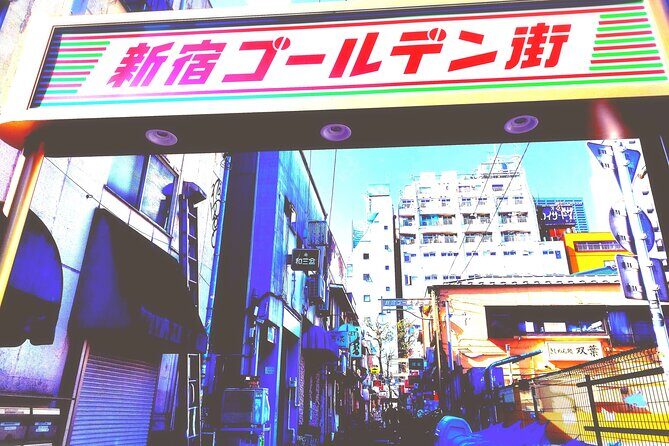
Shinjuku is loud, fast, and full of neon. This experience is the opposite. You step into a kitchen studio setting where the day’s focus is one thing: making Japanese home-style food that feels familiar, not fussy.
You start with a simple premise: you’re not just watching. You’re doing. You’ll handle ingredients, work the cooking steps, and learn why certain flavors and textures matter—like the difference between a crispy pan-fry and a sauce-heavy finish.
The class is taught in English, which makes a big difference in cooking. Food is detail-heavy. If you miss the point about why something is cut a certain way, or how a sauce is built, you lose the method you’re trying to take home. Here, the explanations are built for English speakers, so you can follow along without translating every step in your head.
A few more Tokyo tours and experiences worth a look

Choosing your menu: four favorites (plus a request option)
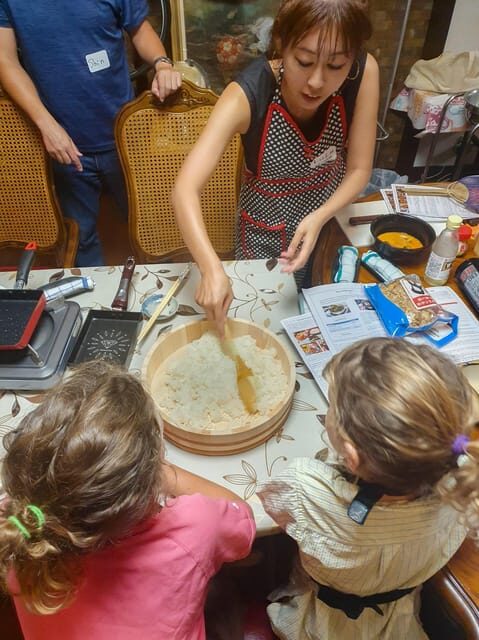
When you book, you can select one menu option. The lineup is built around popular Japanese comfort foods that don’t require you to be a pro—yet they still teach solid technique.
Menu A: Okonomiyaki and yakisoba set
This is the one if you like savory, saucy street-style food. Okonomiyaki comes together with batter and chopped cabbage, cooked on a teppan-style grill. It’s topped and finished with sauces and toppings.
Then you make yakisoba: stir-fried ramen noodles with vegetables, and often seafood or pork, plus a thick sweet-savory sauce. A side dish rounds out the set.
Why I think this menu is smart: you learn two different cooking styles—griddle cooking for okonomiyaki and stir-frying for yakisoba—so your skills don’t feel repetitive.
Menu B: Gyoza and takoyaki set
If you’ve ever had gyoza and thought, I should be able to make this, this is your chance. Gyoza are pan-fried for crispness, and the filling-to-dough balance is where the magic lives.
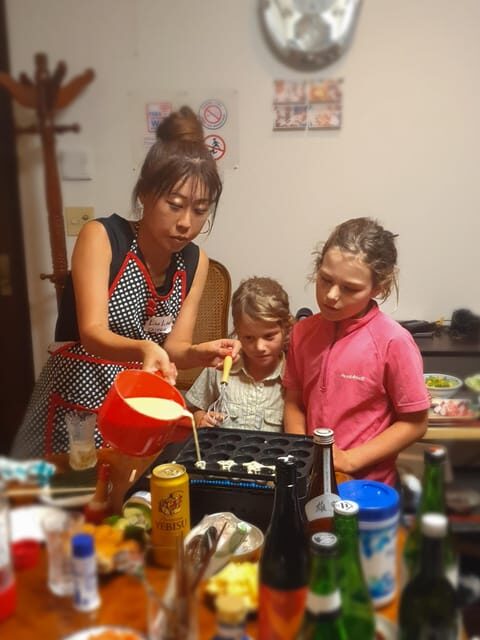
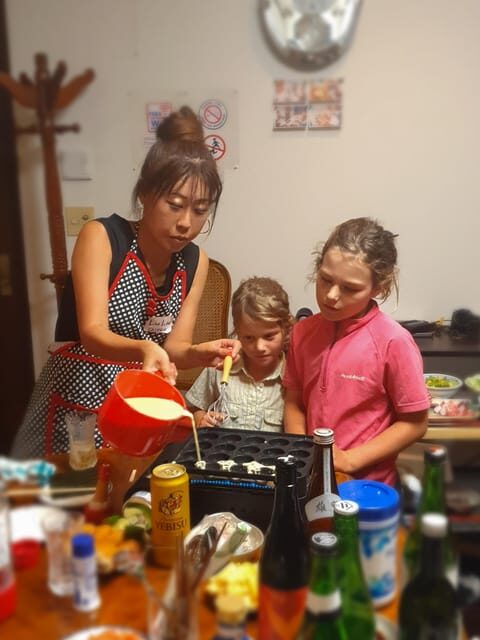
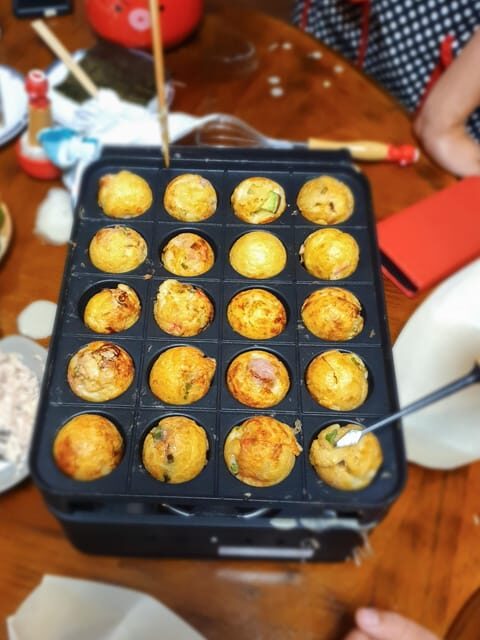
Takoyaki is the Osaka star: little ball-shaped dumplings with a recognizable texture and a festival vibe. It’s a very fun dish to make because there’s a rhythm to shaping and cooking each piece.
Why it’s fun: your hands get busy, and the results are dramatic even if you’re a beginner.
Menu C: Rolled sushi, teriyaki set, and miso soup
This is the choice for people who want something a bit more “restaurant” at the end. You roll and chop your own sushi pieces instead of relying on pre-made rolls.
You pair your rolls with a teriyaki set—either yellowtail fish or chicken teriyaki, depending on the plan—and you also make miso soup.
What to expect skill-wise: sushi rolling is all about consistency. You’ll learn how the roll holds together and how to portion pieces you can actually eat comfortably.





Menu D: Traditional gozen set
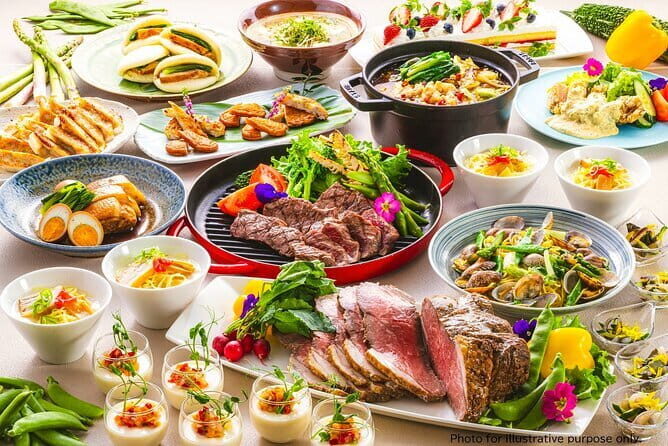
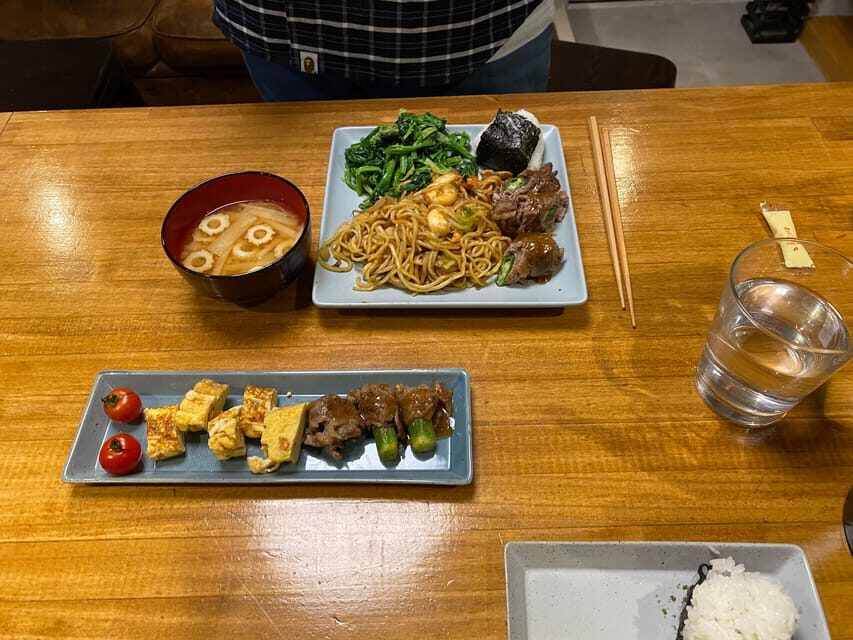
Gozen sets are about balance. You get a little of everything: a meat plate, a fish plate, a side dish, miso soup, and an onigiri rice ball. It’s a classic way to understand what “home-cooked” means in Japan—multiple small elements that work together.
This is also a good pick if you want variety more than one signature dish.
Menu E: Request-based option
There’s also an option to request a menu. In practice, that means you should tell the organizers what you want, and you’ll discuss what’s possible based on what the kitchen can prep that day.
150 minutes from chopping to chopsticks
The class runs for about 150 minutes, and the timing matters because you’re doing real cooking, then eating what you made. You’re not just killing time between activities.
Here’s how the flow tends to feel:
1) Setup and ingredient prep
Your kitchen studio session starts with the instructor guiding you through the dishes. Ingredients are prepared in advance where possible, so you don’t waste the whole class doing early prep work.
There’s one important scheduling nuance: if you or your group is the only group attending that day, you may have more flexibility with how the menu is handled. If another group is in the same class, menu selection can be more limited. Either way, the goal stays the same: you’ll be actively cooking.
2) Cooking stations for your chosen menu
Each menu has its own “work” and “pace.”
- For okonomiyaki, you’ll work batter and cabbage on the griddle, then learn how sauces and toppings complete the flavor arc.
- For gyoza and takoyaki, you’ll learn crispness and structure—pan heat for gyoza, then shaping and cooking for takoyaki.
- For sushi and teriyaki, you’ll focus on rolling technique and then balancing your teriyaki flavors with the rest of the set, including miso soup.
- For gozen, you’ll assemble a rounded meal: multiple plates, miso soup, and an onigiri component that helps you understand how rice fits into a home meal.
3) Eating together like it’s the plan
The final payoff is the meal. This is where you taste the results while everything is still fresh. And yes, the quantities tend to be enough that you won’t need a big second meal right after.
It’s the kind of class where you can leave hungry… but only because you kept sneaking “tiny tastes” while cooking.
4) The take-home part
Many participants get recipes and a photo recap. That matters if you want to cook again later without guessing. A few instructors also do extra cultural context while you cook—so you don’t just memorize steps, you understand what you’re aiming for.
How the teaching style actually helps
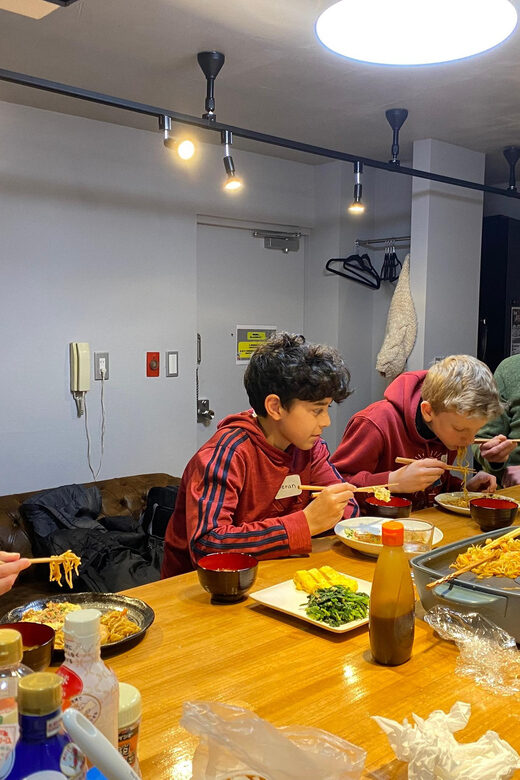
Cooking classes live or die on teaching style. Here’s what stands out from the way the instructors run the room: clear English explanations, lots of room for questions, and a “slow down and get it right” vibe.
Instructors with names you might hear include Kana, Kayo, Mika, Lulu, Miho, Miyuki, Chieko, Aki, and Erica. If those names sound like a random list, that’s actually the point: the class format stays consistent even when the teachers change. Different personalities, same core method.
Also, the class seems good at adjusting to the group. One family setup included kids as young as the 7–12 range, and the instruction was described as patient and accessible. So if you’re traveling with younger cooks, this is the type of activity that can work better than a purely technical workshop.
One more small but real plus: you can usually ask about ingredients. People get curious about things they can’t find back home. When you’re guided through why Japanese pantry items are used, cooking stops being random.
Dietary needs and allergies: tell them early and keep it simple
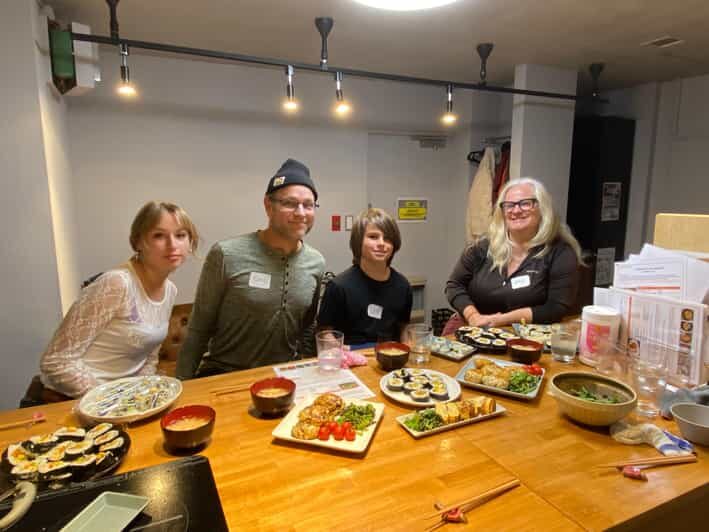
This class is designed to accommodate dietary preferences, including vegetarian and vegan options. That’s a major value point in Tokyo, where many cooking experiences quietly assume you eat everything.
If you have allergies, you should let the organizers know in advance. The kitchen can discuss menu options and what substitutions are available. The instructors also work around restrictions in the class, rather than handing you a bland alternative and hoping you’re fine with it.
Practical tip: when you message about dietary needs, use plain language.
- What you can eat
- What you can’t eat
- Any cross-contact concerns you already know matter to you
Then choose your menu based on what you can be excited to cook. If you’re worried that a specific dish might be hard for your needs, pick the menu that feels closest to your comfort level, and let them help you adjust.
Price and value: $88 buys a full meal plus skills
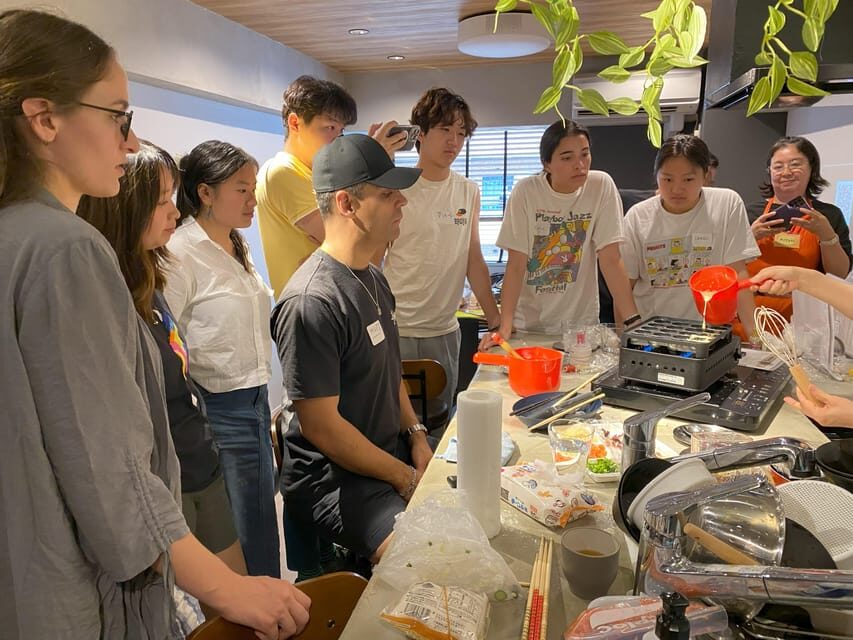
At $88 per person for 150 minutes, you’re not paying for a short tasting. You’re paying for ingredients, tools, and instruction that turns into food you can eat like a proper meal.
Here’s what’s included:
- all fees and taxes
- cooking tools
- ingredients
- drinking water
Not included:
- private transportation
So the real comparison isn’t “is it cheaper than grabbing dinner.” It’s “is this comparable to a good meal plus an activity you can repeat at home.” And it often feels worth it because:
- You’re cooking multiple dishes, not just one
- The menu choices are everyday favorites (not gimmicks)
- You can take recipes home and try again
- The setting near Shinjuku keeps the time cost reasonable
Also, the class quality seems to connect strongly with the staff’s attention to comfort—people regularly mention friendly, welcoming teaching and a calm pace.
Finding the kitchen near Shinjuku without losing time
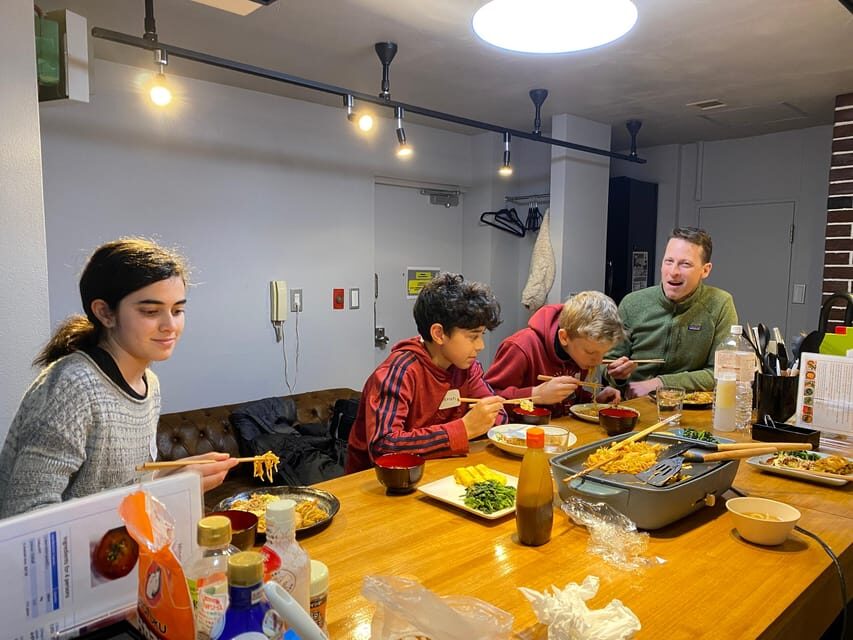
The meeting point is a kitchen studio in or around Shinjuku. The exact address is provided after booking.
Because it’s inside a studio setting, the most common mistake is arriving at the wrong side of a building or getting stuck at an entry point with unclear directions. One participant described needing to telephone the organizer to be let in and arriving later than planned.
Your move: keep an eye on the exact address message, then double-check the entry details before you head over. If you’re running late, contact the organizer right away rather than trying to guess your way in.
Once you’re there, the setup is straightforward. You’ll be in the cooking zone quickly, and the class uses that time well.
Who should book this cooking class (and who should skip it)
This class is a great fit if you:
- want hands-on Japanese cooking, not a short show-and-tell
- like foods such as okonomiyaki, gyoza, takoyaki, sushi rolls, or gozen sets
- want an experience close to Shinjuku so you can keep your Tokyo schedule practical
- need vegetarian/vegan accommodations or want to discuss allergies in advance
- prefer English instruction and question-friendly teaching
You might skip it if:
- you hate cooking and really just want to sample (this is active, not passive)
- you’re very sensitive to menu changes based on other groups attending (menu selection can be limited when others are in the same class)
- you expect a “tour bus” style attraction with lots of walking and sightseeing (this is a kitchen-focused experience)
Should you book? My decision shortcut
Book it if you want one of your Tokyo memories to be useful. You’ll eat well, you’ll learn technique, and you’ll walk away with recipes (and often a photo recap) that help you recreate the dishes later.
If you’re only looking for a quick snack experience, you might feel the time is better spent elsewhere. But if your goal is Japanese comfort food made by your own hands, this one is an easy yes.
FAQ
Where is the class located?
The class takes place in a kitchen studio in or around Shinjuku, Tokyo. The exact address is sent after you book.
How long is the culinary class?
It lasts about 150 minutes.
How much does it cost?
The price is $88 per person.
What menus can I choose from?
You can select one of four menu options: A) Okonomiyaki and yakisoba, B) Gyoza and takoyaki, C) Rolled sushi and teriyaki, or D) a traditional gozen set. There’s also an option to request a menu (E) and discuss it with the organizer.
Can they accommodate vegetarians, vegans, or allergies?
Yes. The class is designed to accommodate dietary preferences, including vegetarians or vegans. If you have food allergies, you should let the organizers know in advance so they can discuss options.
Is the instructor able to teach in English?
Yes. Instruction is available in English.
What’s included in the price?
All fees and taxes, cooking tools, ingredients, and drinking water are included.
Is transportation included?
No. Private transportation is not included.