REVIEW · TOKYO
From Tokyo: Mount Fuji Full Day Customizable Private Tour
Book on GetYourGuide →Operated by Japan graviton tours · Bookable on GetYourGuide
Fuji day trips can feel like a race—this one doesn’t. The big draw is a customizable private itinerary that lets you hit classic spots like the 5th Station and still slow down at places such as Oshino Hakkai. I also like the comfort factor: you’re traveling in an air-conditioned van with a multilingual driver, and guides such as Mirza and Rana are praised for timing and on-the-spot help. One consideration: the plan depends on mountain visibility and season rules, especially around access to the 5th Station in peak hiking months.
What makes this tour work well is that you’re not stuck with a fixed loop. In the same day, you can mix Fuji Five Lakes highlights (Lake Kawaguchiko, Oishi Park, Chureito Pagoda) with Hakone sights (like the Ropeway and Owakudani), then add extras such as Hakone Open-Air Museum or even caves if that’s your style. The one drawback I’d plan around is cost creep: entrance fees and most ride tickets (ropeways/boats) aren’t included, so your final spend can vary.
In This Review
- Key Things I’d Focus On Before You Book
- Entering the Day: Pickup, Private Van Comfort, and Pace
- How the 10-Hour Timeline Usually Feels in Real Life
- Mount Fuji 5th Station: The Most Famous Viewpoint (and the Seasonal Catch)
- Fuji Five Lakes Day: Lake Kawaguchiko, Oishi Park, and Chureito Pagoda
- Lake Kawaguchiko and the calm “look-back” moments
- Oishi Park for walking views
- Chureito Pagoda: the iconic frame
- Oshino Hakkai Ponds: Fuji’s Water System, Up Close
- Optional Fuji Add-Ons: Nenba, Lake Yamanaka, and the Outlet Detour
- Hakone Ropeway and Owakudani: Volcanic Views in Fuji Hakone Izu National Park
- Hakone Heritage Stops: Kitaguchi-hong Fuji Sengen Shrine and Lake Ashi
- Pick-and-Mix Nature Adventures: Kachi Kachi Ropeway, Ice Cave, Wind Cave
- Guides and Group Experience: Why Private Feels Better Here
- Price and Value: What $367 Covers (and What You’ll Pay Separately)
- Weather Reality: When Fuji Is Cloudy, Your Plan Still Works
- Best-Fit Travelers: Who This Tour Suits Best
- Should You Book This Mount Fuji and Hakone Private Tour?
- FAQ
- Is the Mount Fuji 5th Station included on this tour?
- How long is the day trip?
- What stops are part of the core itinerary?
- What’s included in the price?
- What costs extra besides the tour price?
- Where do you get picked up?
- What should I bring?
- What language support is available?
- Are there restrictions on what I can do during the tour?
Key Things I’d Focus On Before You Book
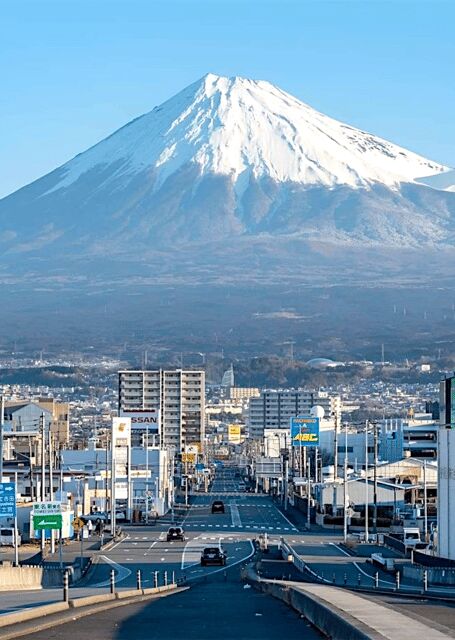
- 5th Station views, with a seasonal access limit that can change what you see in July–early September
- Oshino Hakkai’s spring-fed ponds, a calmer counterpoint to the Fuji viewpoints
- Lake Kawaguchiko + Oishi Park walking time, where you can actually stop and look
- Chureito Pagoda framing, especially when the mountain shows up clearly
- Hakone Ropeway and Owakudani, for volcanic scenery if you want something different
Entering the Day: Pickup, Private Van Comfort, and Pace
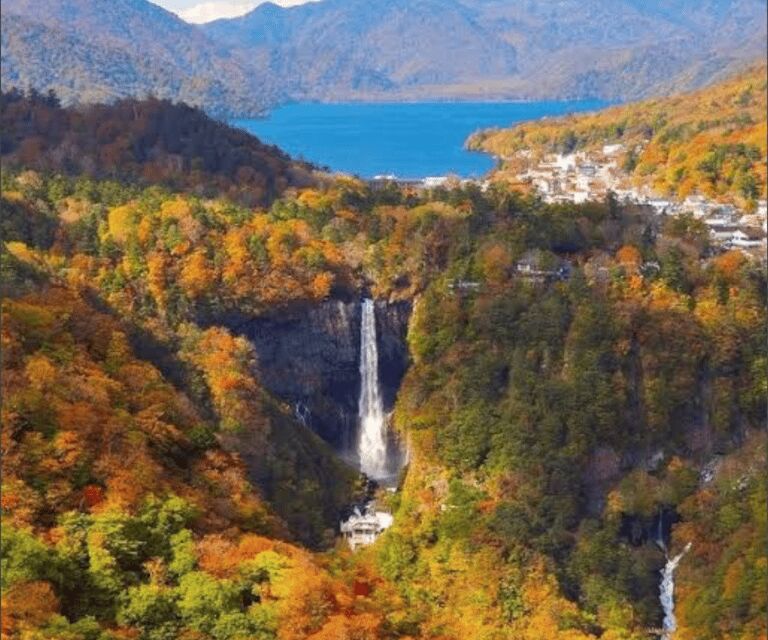
This is built as a true private day trip. You’ll get pickup and drop-off from your Tokyo accommodation (Tokyo’s 23 wards), then ride in an air-conditioned van with a multilingual driver.
The schedule is built around a long day: about 10 hours total, including around 4 hours of transfer time each way or in-between. That’s why pace matters here. Instead of sprinting from one photo spot to another, the guide can help you choose where to linger and where to move faster.
In day-trip mode, the little things matter. Your tour includes Wi‑Fi and water, so you’re not hunting for bottles or connections while everyone’s trying to read maps and translate signs.
You can also read our reviews of more private tours in Tokyo

How the 10-Hour Timeline Usually Feels in Real Life
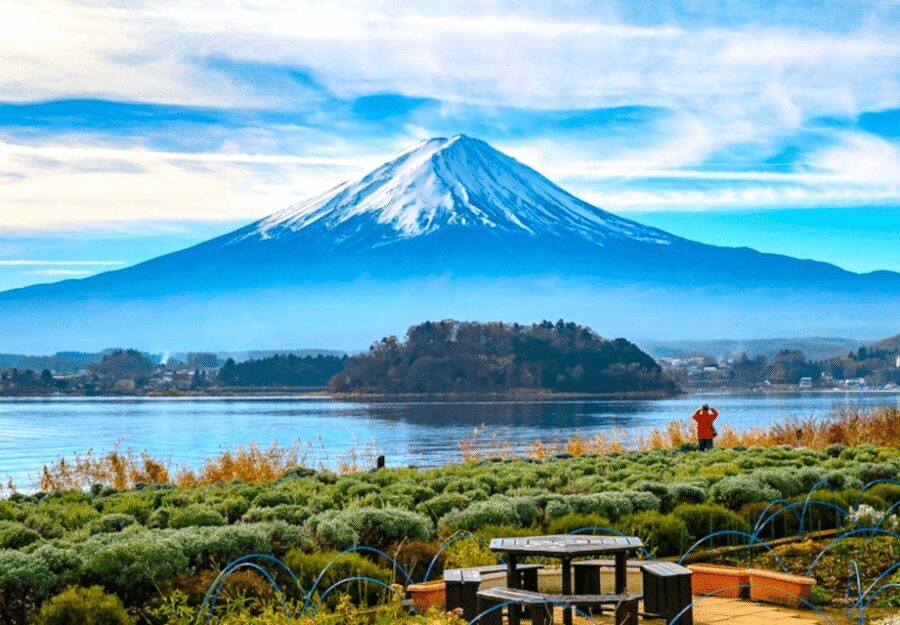
Your day starts with a convenient pickup and then you head out toward Fuji and Hakone. The itinerary is flexible, but there’s a typical flow: a major Fuji viewpoint early, then lakes/ponds and classic scenery, and finally Hakone if you want the volcanic side.
A practical way to think about it is this: the long car time is unavoidable from Tokyo, but the stops you choose determine whether the day feels rushed or relaxed. If you want the best balance, I’d plan around 1 or 2 “big iconic” sites plus a couple of slower walking stops.
Also, the timing rule is simple. You wait about 10 minutes in your hotel lobby, and the driver can wait up to 60 minutes if you’re late. Traffic can add up too—drivers can be late by up to 30 minutes due to highway conditions.
Mount Fuji 5th Station: The Most Famous Viewpoint (and the Seasonal Catch)
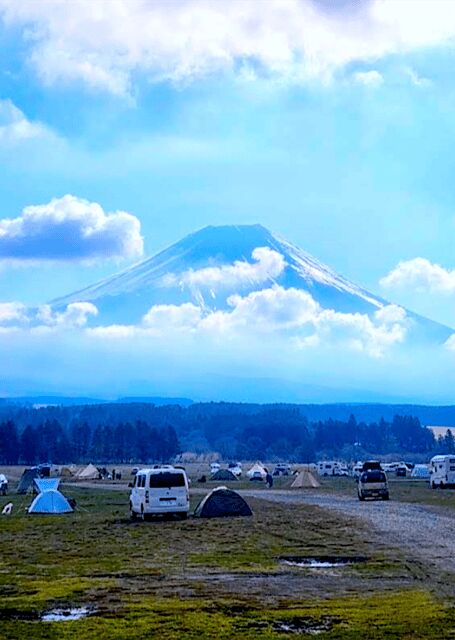
The 5th Station is the headline stop. When it’s accessible, it’s a strong choice because you’re high enough to see into valleys and surrounding peaks, and it gives you some of the best “scale” views of the mountain.
But there’s an important planning reality: from 1 July to 10 September, private vehicles cannot go to the 5th Station. That doesn’t mean you’re out of luck, but it does mean your day will shift. Your guide will have to work within the seasonal vehicle restriction, so you’ll likely spend more time on viewpoints that don’t require that access.
I love the 5th Station concept, but I’d treat it like a priority that’s conditional on the calendar. If you’re traveling in those dates, ask your provider ahead of time how your route adapts, and what viewpoints you’ll swap in.
Fuji Five Lakes Day: Lake Kawaguchiko, Oishi Park, and Chureito Pagoda
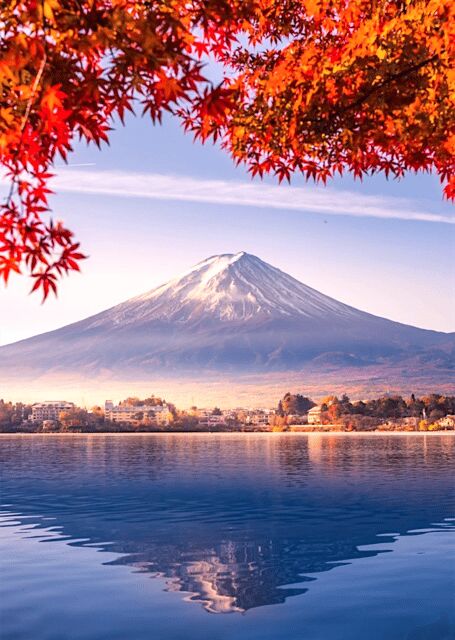
This is where the day starts feeling like Japan’s Fuji poster—minus the crowd chaos, if you time it well.
Lake Kawaguchiko and the calm “look-back” moments
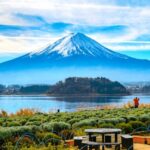
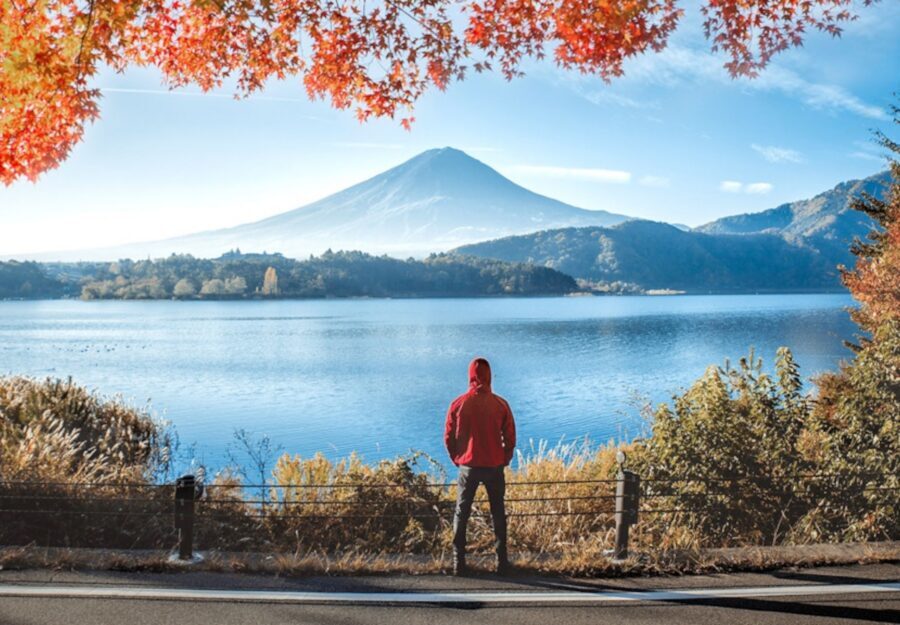
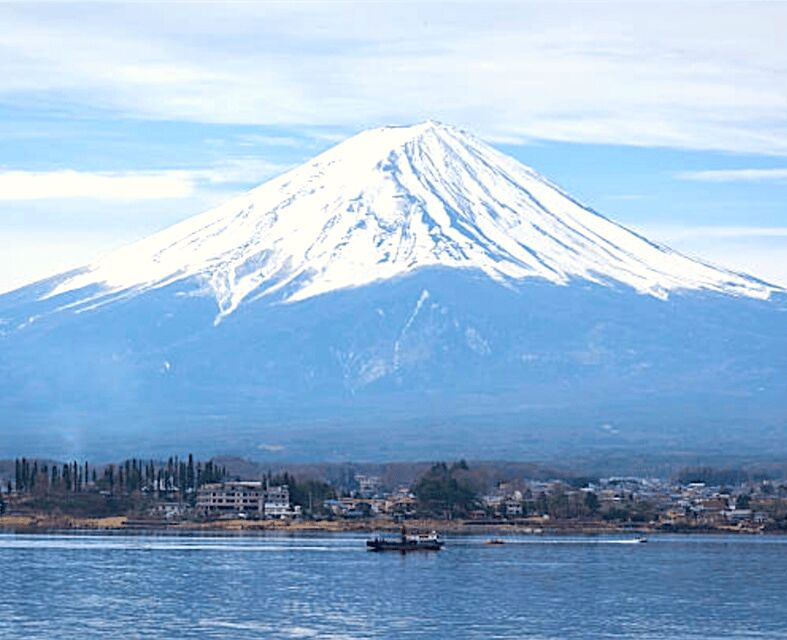
Lake Kawaguchiko is a natural stop because it gives you that classic Fuji background. You can stroll around the shoreline area, and you’ll usually get multiple chances to step aside for photos without it turning into a full hike.
If Fuji is visible, it’s the kind of scenery that makes you stop talking for a second. If Fuji is hidden by cloud (it happens), don’t panic—your guide can still help you understand where the mountain is and keep your viewing options sensible.
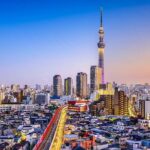
A few more Tokyo tours and experiences worth a look

Oishi Park for walking views
Oishi Park is another strong pairing with Lake Kawaguchiko. It’s ideal if you want scenic time on foot rather than just standing at one overlook. It’s also a good place to slow down, stretch, and let the guide steer you to the spots that match the light.
Chureito Pagoda: the iconic frame
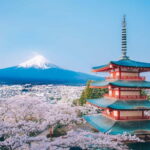
The Chureito Pagoda is one of those places where the angle matters. The five-storied pagoda is famous for how it can frame Mount Fuji, and it’s especially striking in spring when cherry blossoms can add extra color.
Even outside cherry blossom season, the basic idea is the same: it’s a viewpoint stop with instant visual payoff. If you care about photography, tell your guide you want a “best angle” moment rather than a quick pass-through.
Oshino Hakkai Ponds: Fuji’s Water System, Up Close
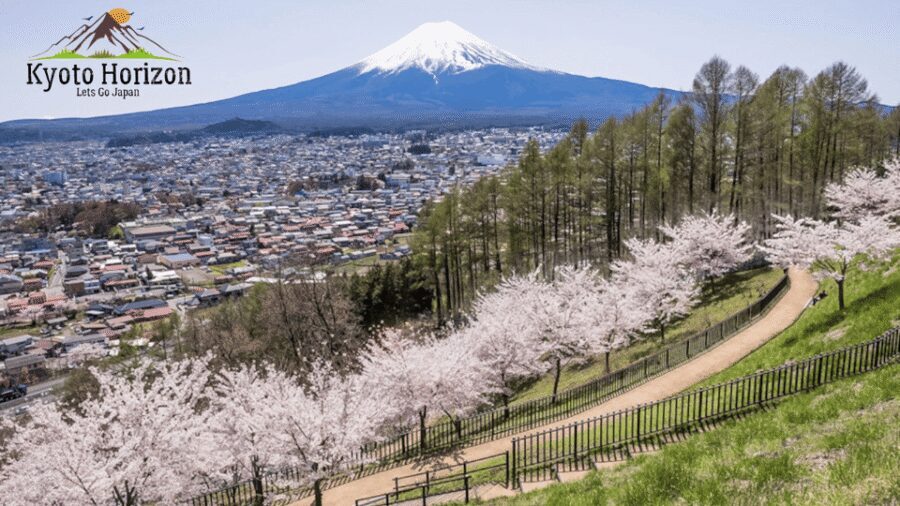
Oshino Hakkai is the most quietly satisfying stop on many Fuji itineraries. The highlight here is the village’s eight spring-fed ponds, fed by water connected to Mount Fuji’s environment.
I like this portion because it balances the day. You’ve got towering views earlier, then you get something hands-on and local—ponds, walkways, and traditional village atmosphere. It’s a slower kind of experience that also works well for mixed-age groups.
If you want one “show me Japan outside the biggest crowds” moment, Oshino Hakkai is it. It’s also a smart mid-day anchor before or after lake time, because you can adjust how long you linger depending on weather and energy levels.
Optional Fuji Add-Ons: Nenba, Lake Yamanaka, and the Outlet Detour
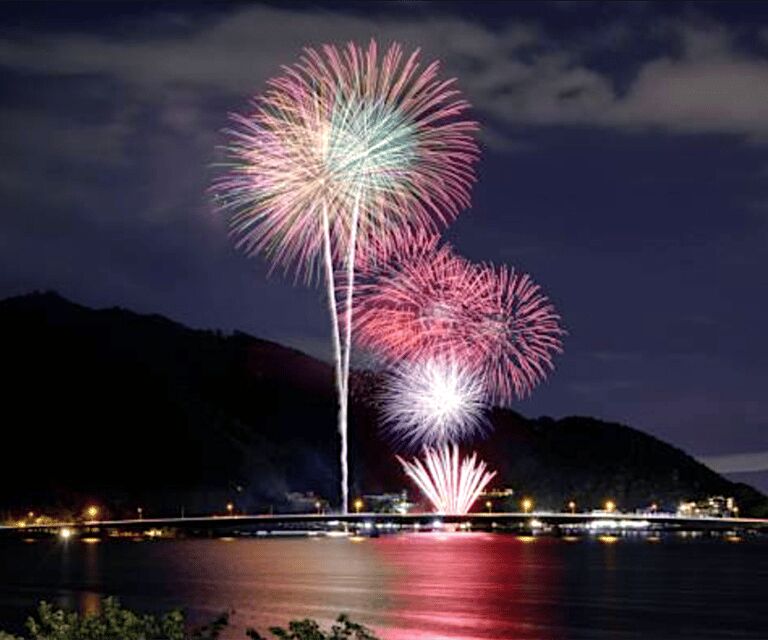
This tour is built for mixing and matching. A few add-ons can change the personality of the day.
Saiko Iyashi-no-Sato Nenba is a good option if you want traditional village atmosphere with thatched-roof style buildings. It’s the kind of stop that helps your Fuji day feel cultural rather than purely scenic.
Lake Yamanaka is another “more lake time” choice in the Fuji Five Lakes region. If Kawaguchiko feels too busy, another lake can feel calmer and more spread out.
Then there’s Gotemba Premium Outlets, which is a practical detour if you want shopping space and a break from viewpoints. It can be a useful buffer day timing-wise, especially if you’re traveling with people who don’t want to spend every hour outdoors.
Hakone Ropeway and Owakudani: Volcanic Views in Fuji Hakone Izu National Park
If you include Hakone, the Ropeway is one of the most atmospheric ways to experience it. The Hakone Ropeway gives you views above the dramatic Owakudani Valley and the volcanic landscape below.
This part of the day tends to deliver variety. Fuji is all about the mountain silhouette and reflection moments, while Owakudani is about steam, earth tones, and a different kind of scale.
Just remember: tickets for ropeway/boat rides are not included. That means you’ll want to budget for extra transport costs when you build your personal itinerary.
If volcanic scenery is not your thing, you can swap Hakone activities for alternatives like the Hakone Open-Air Museum or Lake Ashi viewpoints, depending on what your group wants.
Hakone Heritage Stops: Kitaguchi-hong Fuji Sengen Shrine and Lake Ashi
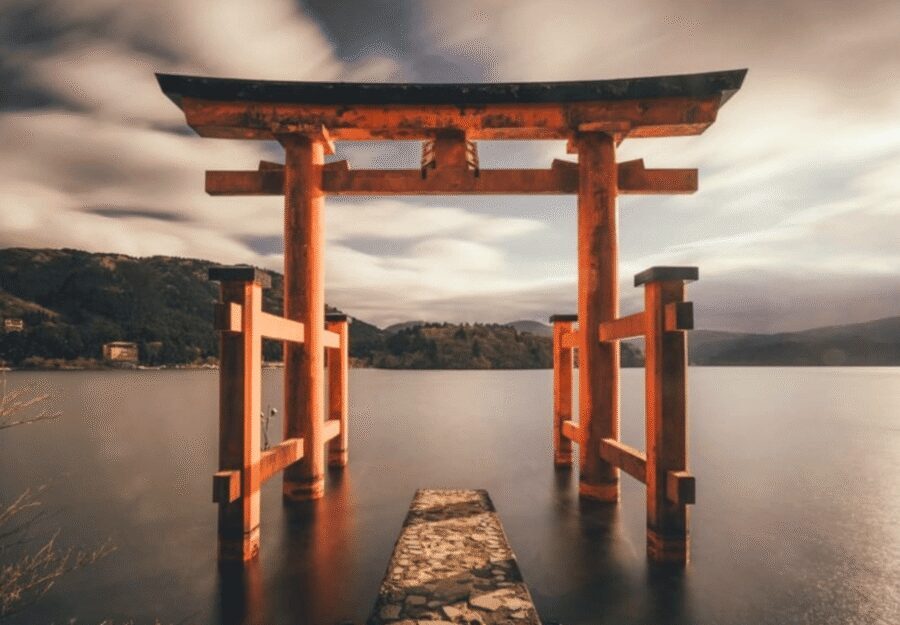
The Kitaguchi-hong Fuji Sengen Shrine is a strong cultural stop if you want a place tied to devotion and tradition. It’s positioned as a must for people who enjoy history and culture, and it offers that quiet, respectful pacing that museums and shrines do well.
Lake Ashi is another flexible option. You can take a sightseeing cruise there, and the payoff is that you’re viewing the scenery from the water rather than the road.
Again, boat tickets aren’t included, but this is the part of Hakone that can feel different enough to justify adding it. If your day is already full of viewpoints, Lake Ashi gives you a “change of perspective” without needing a long hike.
Pick-and-Mix Nature Adventures: Kachi Kachi Ropeway, Ice Cave, Wind Cave
One of the more fun perks of a customizable private tour is that you can lean into unusual nature stops when the schedule allows. This itinerary can be mixed with options such as:
- Kachi Kachi Ropeway viewpoints
- Narusawa Ice Cave
- Fugaku Wind Cave
These aren’t guaranteed on every plan since the day is tailored, but they’re listed as possible swaps. If you’re traveling in a group that includes kids, teens, or anyone who loves “weird and cool,” these cave stops can add variety fast.
I’d treat them as add-ons that work best when you’re okay with spending part of your day on paid attractions and ticketed activities.
Guides and Group Experience: Why Private Feels Better Here
This is where the tour’s value becomes obvious. A private guide can adapt to your group’s speed, interests, and even little constraints.
In the feedback, guides and drivers are repeatedly praised for being on time and safe, and for offering direction that helps you actually enjoy each stop instead of just getting dropped off. Names that come up include Mirza, Rana, Mani, Kashif, Malik, and Zahid—each described as friendly, organized, and good at giving tips on timing and photo angles.
I also like the way the tour can handle mixed ages. One itinerary example mentions enjoying the plan across ages from children to seniors, with the driver adjusting pacing so it still felt like a day you could survive.
One practical heads-up: if anyone needs special help—child seat, mobility needs, allergies—tell the local provider in advance. The data specifically says to inform them about extra requirements like child seat needs.
And yes, a car seat wasn’t handled perfectly in at least one case, so this is not a detail to leave to chance.
Price and Value: What $367 Covers (and What You’ll Pay Separately)
The price is $367 per group up to 6. That’s a big piece of the math. For families or small friend groups, paying for a private vehicle and guide can work out better than multiple train-and-bus tickets plus taxis plus wasted time.
What’s included:
- Hotel pickup and drop-off
- Air-conditioned private transportation (van)
- Multilingual driver
- Customizable itinerary
- Wi‑Fi and water
What’s not included:
- Mt. Fuji entrance fee: 2100 JPY per group
- Tickets for ropeways/boat rides and other activities
- Meals
So here’s the honest value picture. If you stick to the listed sightseeing stops and keep paid activities minimal, you’ll spend less than if you add ropeway/boat/cave features. Either way, this tour tends to earn its keep because it trades public-transport hassle for a smooth, single-day route.
Weather Reality: When Fuji Is Cloudy, Your Plan Still Works
Mount Fuji is famous for being dramatic—and also for being stubborn about showing itself. Even with bad visibility, a good guide can keep the day meaningful by adjusting timing and helping you understand where to look.
In one example, despite clouds limiting views, the guide still explained where the mountain was and made sure the day didn’t stall. That’s the kind of competence you want from a private setup.
My tip: don’t plan your entire day around only one perfect “Fuji reveal” moment. Build your itinerary so you have multiple “plan B” stops like Oshino Hakkai, shrines, lakes, and Hakone scenery.
Best-Fit Travelers: Who This Tour Suits Best
This tour fits best if you want:
- A private day trip from Tokyo without the stress of transfers
- A flexible schedule that can match your group pace
- Classic Fuji viewpoints plus at least one Hakone experience
It can be a great pick for families, multi-generational groups, and anyone who wants more control than a big bus tour. The feedback also suggests it’s friendly for people who appreciate direction—like where to stand for photos and which order works best that day.
Two cautions:
- It’s not suitable for people over 95 years.
- The 5th Station access rule in July–September changes what you can do, so plan with that in mind.
Should You Book This Mount Fuji and Hakone Private Tour?
Book it if you want a custom route with real freedom—especially if your group has mixed ages, different interests, or you simply don’t want to spend the day figuring out transit. The combination of Fuji viewpoints, the calm of Oshino Hakkai, and the volcanic surprise of Hakone Ropeway/Owakudani is a smart way to get variety in one day.
Skip or reconsider if you’re traveling in July 1 to Sept 10 and your priority is specifically reaching the 5th Station by private vehicle. Also, if you already know you won’t buy any paid attractions, double-check whether your ideal day fits within the included stops.
Bottom line: for small groups up to 6, this tour is strong value when you want convenience, pacing control, and a day that feels shaped around you rather than around a rigid bus schedule.
FAQ
Is the Mount Fuji 5th Station included on this tour?
The tour highlights the Mt. Fuji 5th Station, but vehicle access is restricted from 1 July to 10 September, when private vehicles cannot go to the 5th Station.
How long is the day trip?
It lasts about 10 hours total, with roughly 4 hours spent on transfers to and from Tokyo.
What stops are part of the core itinerary?
The core highlights include Mt. Fuji 5th Station, Oshino Hakkai, Lake Kawaguchiko, Oishi Park, and Chureito Pagoda, with customization options that may add Hakone sights.
What’s included in the price?
Included are hotel pickup and drop-off, air-conditioned van transportation, a multilingual driver, a customizable itinerary, Wi‑Fi, private transportation, and water.
What costs extra besides the tour price?
Extra costs can include the Mt. Fuji entrance fee (2100 JPY per group) and tickets for activities like ropeways and boat rides, plus meals.
Where do you get picked up?
Pickup is available from hotels, hostels, airbnbs, apartments, or other addresses in Tokyo’s 23 wards. Pickup is not available from airports, ports, or stations.
What should I bring?
Bring comfortable shoes and a camera.
What language support is available?
Languages listed are English, Hindi, Japanese, and Urdu.
Are there restrictions on what I can do during the tour?
Alcohol and drugs are not allowed. The tour is also noted as not suitable for people over 95 years.