REVIEW · OSAKA
From Osaka: Sakai Knife Maker or Blacksmith Walking Tour
Book on GetYourGuide →Operated by Japan Tour Adventure · Bookable on GetYourGuide
A trip to Sakai’s knife world feels oddly personal. You start with local sweets, then get real workshop access—either to hand-forging at the blacksmith or to the knife-making flow at Yamawaki—plus a traditional sharpening lesson that helps you buy smarter. I also like how the tour mixes neighborhood craft history with the practical side of what makes a great kitchen knife. The main drawback to plan around is the day-to-day shift: some experiences only run on certain weekdays, and the museum can occasionally close on the 3rd Tuesday.
If you like seeing how tools are actually made, this tour delivers. I’m especially drawn to the backstage feel, where you’re standing close enough to understand the steps, not just watch from the back row. And yes, guides like Remy, Scott, and Jean-Yves really work the room with stories and hands-on moments, so it stays fun even if you’re not a knife collector. Just be aware there’s a decent amount of walking for a 210-minute outing, so comfortable shoes matter.
In This Review
- Key highlights you will actually notice
- Where Sakai fits in Japan’s knife story
- Meeting at Nankai Sakai Station and starting with mochi
- Sakai City Craft Museum: history without the museum-moan
- Yamawaki knife-maker days: hands-on craft and optional custom orders
- The sharpening station and the lesson
- Customizable knife order (optional)
- Wednesday blacksmith workshop: watch forging where the heat is real
- The De Sakai forge stop
- Date change you need to know: March 6 to April 6, 2026
- The guide matters: energy, translation, and local storytelling
- Buying the right knife (and not just buying a souvenir)
- Timing and how the walking actually feels
- Who should book this tour
- Should you book? My straight answer
- FAQ
- What is the main difference between the knife-maker and blacksmith versions?
- Which day should I book for the blacksmith experience?
- Can I order a customizable knife?
- Will I get a sharpening lesson?
- What should I bring with me?
- Is a French-speaking guide guaranteed?
- How long is the tour?
- Where do we meet?
- Is the museum always open?
- Is it okay for a single traveler?
Key highlights you will actually notice
- Mochi stop first, knives after: start at an old sweet shop and sample local flavors before the craft sites
- Backstage factory access: see how blades turn into proper cooking knives (Yamawaki) or watch forging steps up close
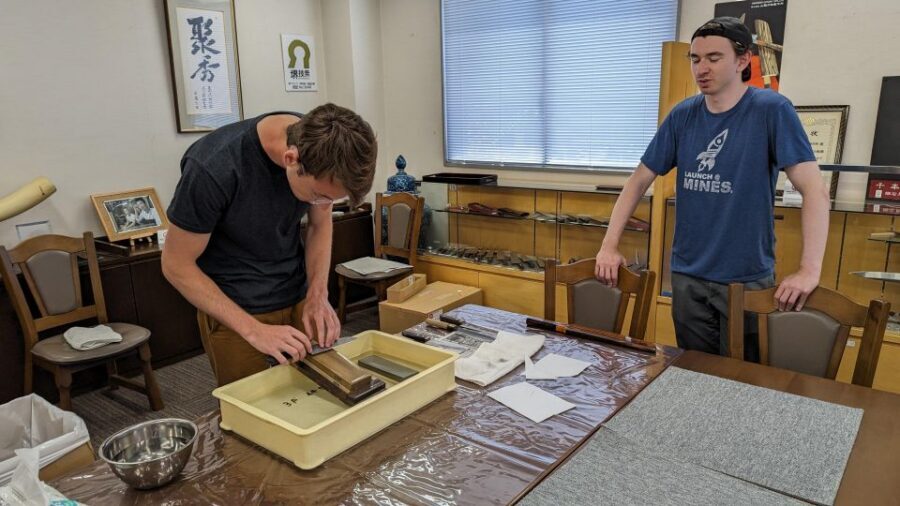
- Hands-on sharpening: learn the traditional technique so you can care for your knife after you buy
- Pick your weekday for the main experience: knife maker on Tuesdays/Thursdays, blacksmith on Wednesdays
- You may order a customizable knife: if the maker option is running, you can place an order and watch the process
- Real guide energy: people like Remy and Scott bring Sakai’s industry stories to life
Where Sakai fits in Japan’s knife story
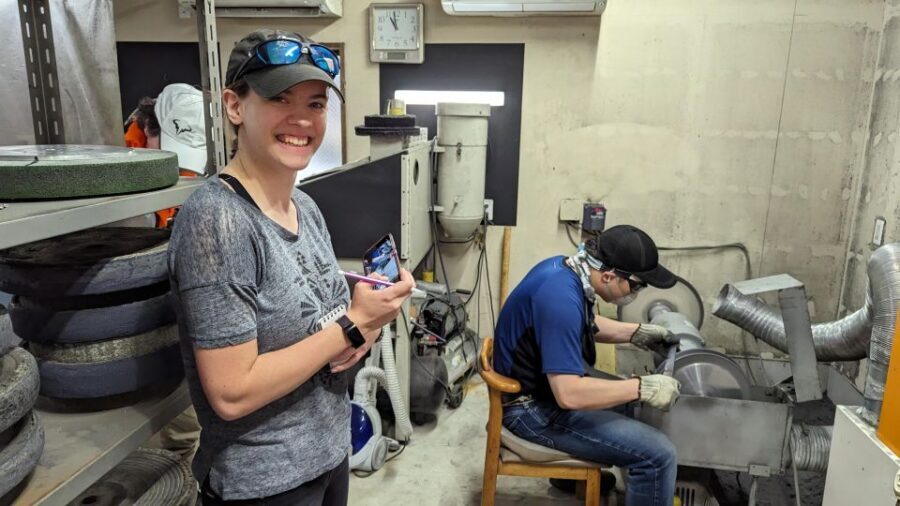
Sakai is the kind of place that makes sense of the word craft. It’s not a giant tourist factory. It’s more like a working district where generations have stayed close to the same trades—especially blades. That matters, because you’re not just learning about knives. You’re learning about the people who made knife-making a local identity.
For you, the value is in the mix. You get context (Sakai’s role in the cutting-tool world), then you get practical skills (sharpening) and tangible access (workshops and the making process). At $64 for about 3.5 hours, this is less like a lecture and more like a guided ticket into the workshop side of Japanese kitchen knives.
You can also read our reviews of more walking tours in Osaka



Meeting at Nankai Sakai Station and starting with mochi
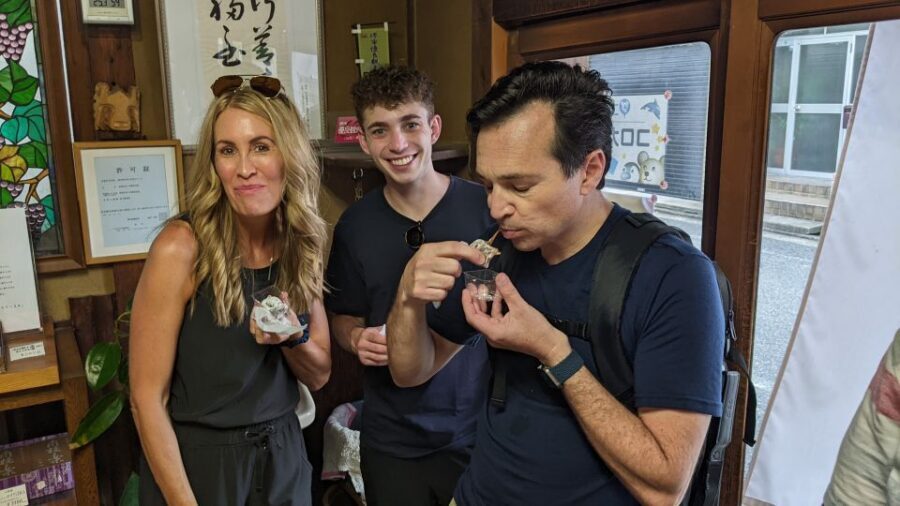
The tour begins around Nankai Sakai Station, south of Osaka. You’ll meet your guide there and then start off at a traditional sweet shop stop at 八百源来弘堂本店. This early food break isn’t random. It’s your palate-and-context warm-up for Sakai’s local food culture and craft heritage.
What I like about starting here: it sets the tone quickly. You’re not jumping straight into industrial visuals. You’re first in a local shop rhythm—snacking, listening, and getting a feel for how the neighborhood works. Reviews also point to mochi flavors like poppyseed mochi and cinnamon mochi, which gives you something memorable that’s actually from the area.
Practical tip: you’ll be on your feet for much of the 210 minutes. If you’re sensitive to lots of walking, do the mochi stop slowly—don’t rush your snack and then sprint for the next location.
Sakai City Craft Museum: history without the museum-moan
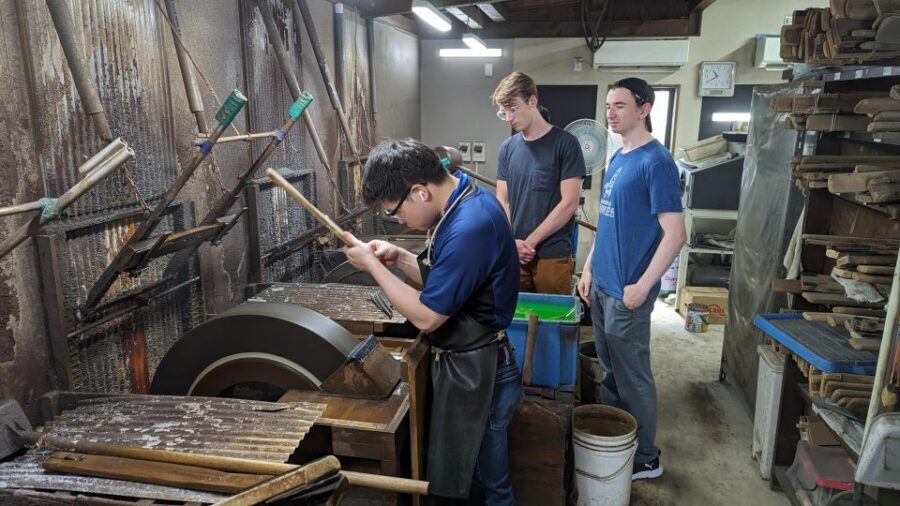
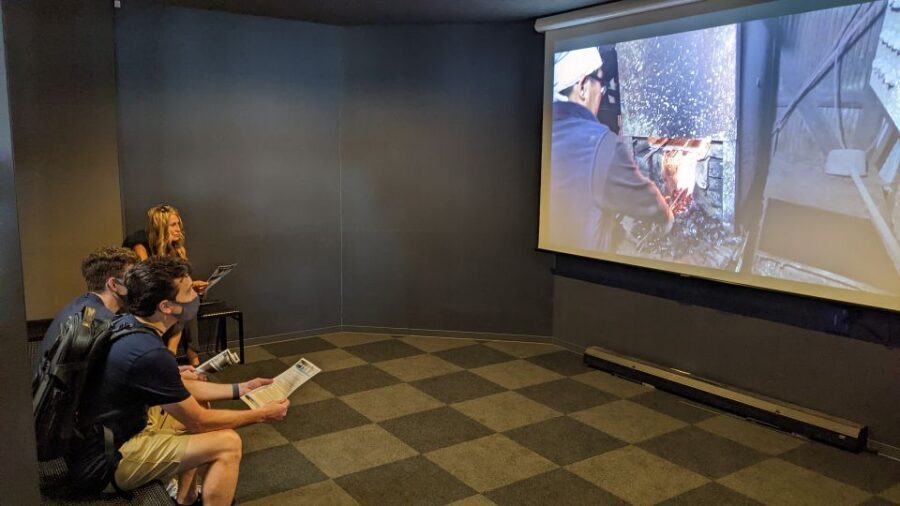
After the sweet shop, you’ll head to the Sakai Traditional Crafts Museum and Knife Shop. This is your “what you’re about to see” stop. It helps you connect the knives you’ll later watch being made to the larger craft tradition of Sakai.
If you’re a first-time visitor to the subject, this stop is a big help. You can walk into the factory later and understand what you’re looking at instead of staring at metal and hoping it becomes clear. If you’re more experienced, it still works as a quick refresher on how the region built a reputation around blades and kitchen tools.
One heads-up: every 3rd Tuesday, the museum has an inventory, and it might close without notice. If that happens, your guide will take you directly to the knife company and cover the cutlery history while walking and at the office. So you won’t be stuck doing nothing—you just shift the order.
Yamawaki knife-maker days: hands-on craft and optional custom orders
The tour has two main modes, and your choice depends on the weekday.
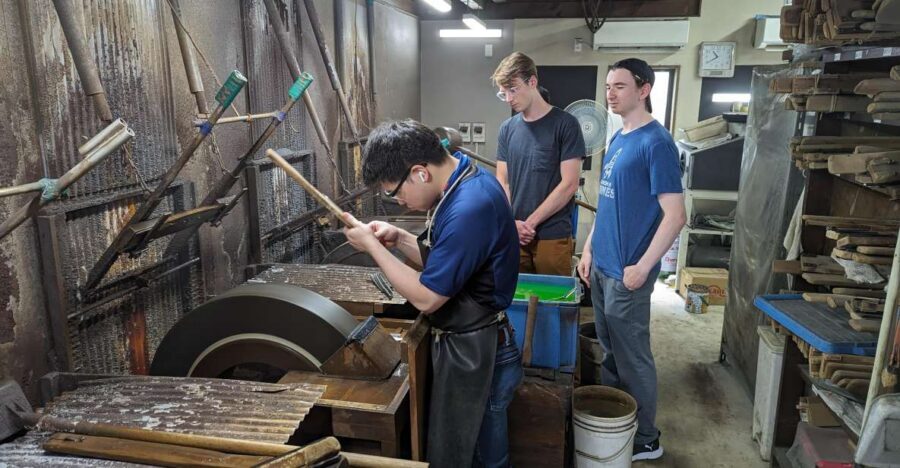
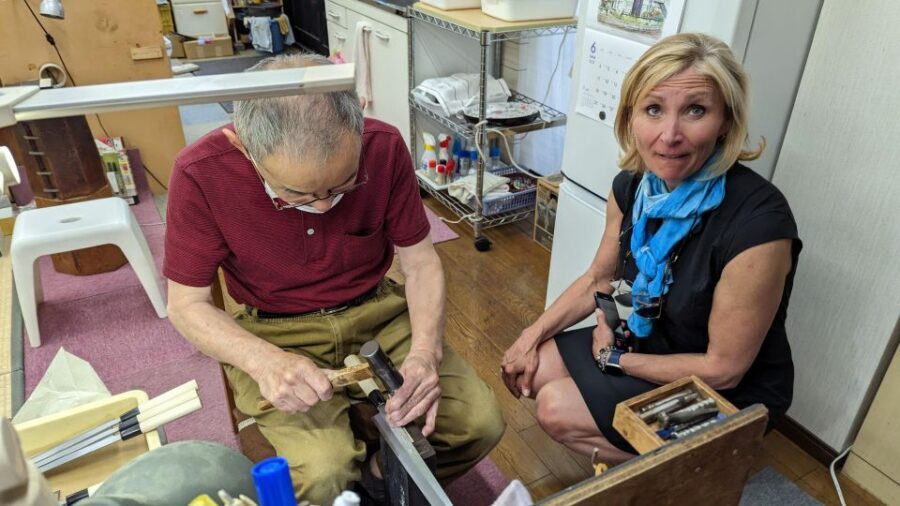
On Tuesdays and Thursdays, you’ll visit the knife-maker side at Yamawaki Hamono (also listed as 山脇刃物製作所). You get backstage access to the shop floor feel: blade work, the sharpening area, and the main office where the process and craft context come together.
A key detail that I think makes this option worth it: you can see the chain of craft. The blades arrive directly from the blacksmith side, and then the knife-making process turns that raw material into a cooking knife. That “from-start-to-tool” flow is exactly what helps most people understand why Japanese kitchen knives can feel so different in real use.
The sharpening station and the lesson
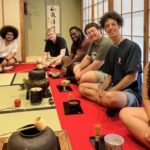
You’ll also have a traditional knife sharpening technic lesson. This is one of the best parts of the whole experience, because it connects the art you saw to maintenance you can actually do. If you buy a knife on impulse without learning care basics, you risk disappointment later. With the lesson, you’re getting the knowledge to keep the edge behaving the way you expect.


Customizable knife order (optional)
If the maker option is running, there’s an optional chance to order a customizable knife. The experience doesn’t treat buying like a side quest. You get to watch the making process in front of you, which makes your future purchase feel less like retail and more like participation.
Wednesday blacksmith workshop: watch forging where the heat is real
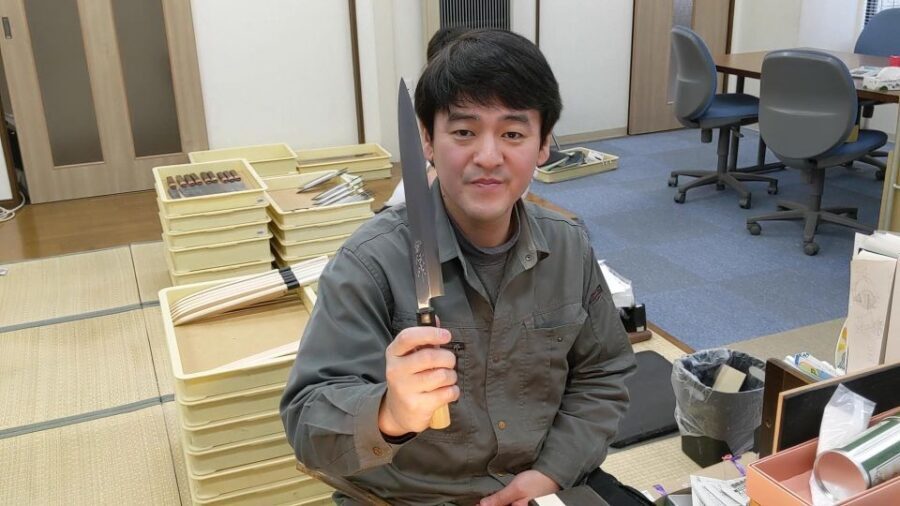
On Wednesdays, the tour shifts to the blacksmith workshop experience. Instead of focusing on the knife-maker company flow, you’ll spend time with the forging process directly from the artisan.
In practical terms, this is the “how steel becomes a shape” day. Expect the blacksmith workshop access to be the centerpiece, with detailed instructions in English and French from the blacksmith himself.
One reason this day gets strong praise: you don’t just watch. You get a chance to hammer down glowing steel as the starting step in knife making. That kind of hands-on moment changes how you perceive the rest of the craft. Even if your swings are not Olympic-level, you’ll leave understanding why the process takes patience and why technique matters.
The De Sakai forge stop
The tour also includes Forge DeSakai cutlery as part of the blacksmith flow. You’ll get another guided look and some time for questions, sightseeing, and shopping related to the craft.
Date change you need to know: March 6 to April 6, 2026
For March 6, 2026 through April 6, 2026, the schedule is blacksmith only. Even then, the note says Tuesdays and Wednesdays still run as blacksmith with the knife maker rate—a nice discount compared to the maker version.
So if you’re traveling during that window and you specifically want the Yamawaki option, plan on choosing the blacksmith-focused tour instead.
The guide matters: energy, translation, and local storytelling
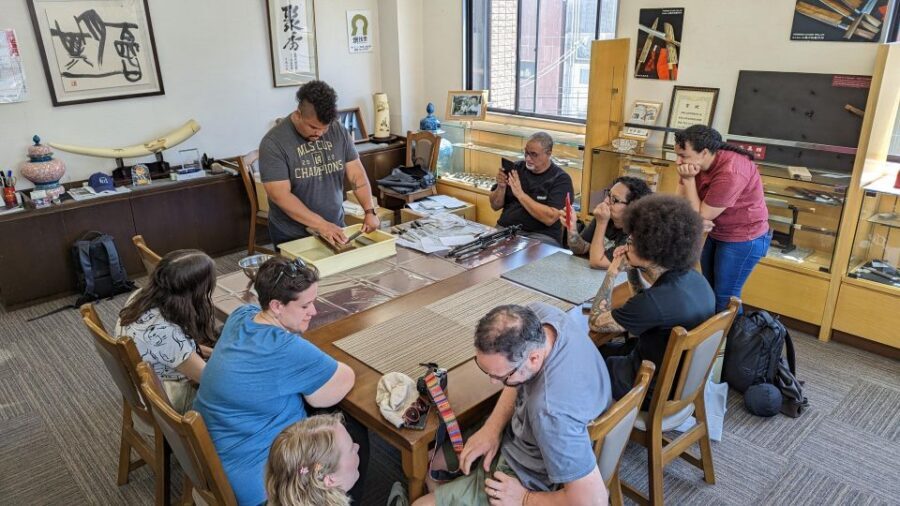
This tour stands or falls on the guide. The people running it seem to know how to keep the pace human and the explanations clear.
You’ll hear enthusiastic storytelling from guides such as Remy, Scott, and Jean-Yves. The consistent pattern: they tie Sakai’s local industry history to what you’re seeing in each workshop stop. It makes the knives feel like a living tradition, not a generic craft demo.
Language note: all guides can speak English, and some can speak French, but on a shared tour you can’t assume French will be available. If French is important, contact the operator before booking to check availability for your date. On the ground, guides may switch between English and French to keep things flowing.
Buying the right knife (and not just buying a souvenir)
Let’s talk value, because this is where people get either thrilled or disappointed—depending on expectations.
This tour’s shopping time is meant to connect with the craft you just saw. If you buy, you’re doing it with context: you understand the process, and you’ve had a sharpening lesson. That combination makes your purchase feel more informed, especially if you’ll actually use the knife at home.
Also, set your expectation on what kind of knives are emphasized. This is very much about kitchen knife making. If you’re shopping for something more like tactical or hunting gear, you might find the focus less relevant. But if you care about everyday cooking tools—this experience makes sense fast.
A practical move: if you’re considering buying, ask your guide for basic aftercare questions at the end of the sharpening lesson. You’ll sound like you know what you’re doing, and you’ll leave with answers tailored to the type of edge you learned about.
Timing and how the walking actually feels
The tour runs about 210 minutes and includes multiple short on-foot transfers between craft spots. The walk segments are broken up by stops, so it’s not a nonstop hike. Still, it’s enough walking that I’d treat the day like a guided afternoon stroll with a few physical moments—especially if you choose the blacksmith day, where the hands-on forging can add some energy.
If you’re short on time in Osaka, this outing is a strong use of half a day. It also places you away from the busiest tourist corridors. You get a neighborhood feel instead of just a photo-op loop.
Who should book this tour
I’d book this if you fit one of these profiles:
- You want a real workshop look at Japanese kitchen knife craft
- You care about tools and want practical takeaways, especially sharpening
- You like local history tied to daily work, not just big landmarks
- You want a guided experience that’s more hands-on than most museum tours
I’d think twice if:
- You need guaranteed French on a shared tour
- You strongly prefer museums over factories (this is more craft/factory than pure museum)
- You’re traveling with very limited mobility and walking is a big barrier (the tour is wheelchair accessible, but the visit is still spread across multiple sites)
Should you book? My straight answer
Yes, I think you should book this tour if you want more than sightseeing. The best reason is the combination: craft context + workshop access + sharpening skills. That trio is rare in a single half-day experience.
If you’re choosing between options, pick based on what you want most:
- Want the most dramatic hands-on heat and forging feel? Choose Wednesday blacksmith.
- Want to watch the knife-making flow and possibly order a custom knife? Choose Tuesday/Thursday Yamawaki.
If you’re traveling during March 6 to April 6, 2026, expect blacksmith mode. And if you’re visiting on a 3rd Tuesday, don’t panic if the museum closes; your guide will reroute and still cover the history.
If all that lines up with what you like—tools, craft, real technique—this is a solid value at $64 and a memorable way to understand why Sakai knives have the reputation they do.
FAQ
What is the main difference between the knife-maker and blacksmith versions?
The tour runs in two modes by weekday. Tuesdays and Thursdays focus on the knife-maker experience at Yamawaki, while Wednesdays focus on the blacksmith workshop and forging process.
Which day should I book for the blacksmith experience?
Wednesdays are the blacksmith day, with access to the blacksmith workshop and forging process.
Can I order a customizable knife?
There is an optional customizable knife order available on the knife-maker days.
Will I get a sharpening lesson?
Yes. The tour includes a knife sharpening technic lesson.
What should I bring with me?
Bring a passport or ID card.
Is a French-speaking guide guaranteed?
No. Guides can speak English, and some can speak French, but availability for French on a shared tour cannot be guaranteed. You should contact in advance to confirm for your date.
How long is the tour?
The tour duration is 210 minutes.
Where do we meet?
You meet at Nankai Sakai Station. The exact meeting point can vary depending on the option booked.
Is the museum always open?
No. Every 3rd Tuesday, the museum has inventory and may close without notice. If it does, your guide will take you directly to the knife company and cover history while walking and at the office.
Is it okay for a single traveler?
Single travelers can book directly, but there is a 2 guests minimum rule for the tour to run. If there are not enough guests, the session might be cancelled and you’ll be notified with a reschedule or a full refund.