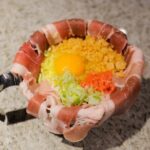
REVIEW · TOKYO
Taisho Sushi Making Class in Tokyo
Book on Viator →Operated by Taisho Sushi Making · Bookable on Viator
A sushi class with training-school methods.
This Taisho Sushi Making experience is built for quick skill growth in Tokyo, starting with hand-shape practice on models before you touch real fish. I also like that it is empty-handed (you bring yourself, not gear), and you’ll get hands-on coaching for both nigiri and gunkan.
Two other reasons it’s easy to recommend: there are vegan and vegetarian options, and the session ends with you eating what you make. One thing to keep in mind is time is tight, so it’s a starter course, not a full-blown sushi-ryu apprenticeship.
In This Review
- Key Highlights You’ll Care About
- A One-Hour Sushi Skill Builder in Tokyo’s Chiyoda
- Where It Starts: Kojimachi Meeting Point and Getting Oriented
- Empty-Handed Setup: What’s Included (and What That Means for You)
- The Practice Grip You Don’t See in Most Sushi Classes
- Nigiri Session: Making Real Nigiri With Seasonal Neta
- You’re using real fish and rice, not just imitation
- Neta varies by season, and the amount is meant to satisfy
- Gunkan Workshop: Nori Orientation and Rolling Tips
- What Happens When You Eat: Etiquette With Your Own Sushi
- Vegan and Vegetarian Options: How That Changes Your Experience
- Group Size and Energy: Good for Families and Larger Parties
- Duration Reality Check: About 1 Hour, 90-Minute Style
- Price and Value: Is $109.01 a Good Deal?
- When You Should Choose This Class (and When You Might Skip It)
- Brief FAQ Before You Book
- FAQ
- How long is the Taisho sushi making class?
- What does the class cost?
- Is there a way to attend if I don’t eat fish?
- Do I need to bring equipment or ingredients?
- Where does the class meet?
- Is a mobile ticket used?
- Is the class offered at a specific time that requires planning ahead?
- What if I need to cancel?
- Should You Book Taisho Sushi Making in Tokyo?
Key Highlights You’ll Care About

- Practice-first approach using models before real sushi rice and fish
- Nigiri and gunkan hands-on training, including nori orientation tips
- Vegan and vegetarian options for non-fish eaters
- You learn sushi-eating etiquette as part of the experience
- Seasonal variety for nigiri toppings, with enough to eat until full
A One-Hour Sushi Skill Builder in Tokyo’s Chiyoda
If you want sushi knowledge fast, this class has a smart rhythm. You get an express workshop-style lesson focused on making hand-made maki-free sushi basics—mainly nigiri and gunkan—plus the etiquette that goes with eating it correctly.
The vibe is practical. You are not just watching someone else work. You practice the motions, learn what matters, and then you make a real batch yourself. It’s also designed to be doable in a packed Tokyo schedule, which is why it tends to be a popular choice—bookings are commonly made about 23 days ahead.
A few more Tokyo tours and experiences worth a look
Where It Starts: Kojimachi Meeting Point and Getting Oriented
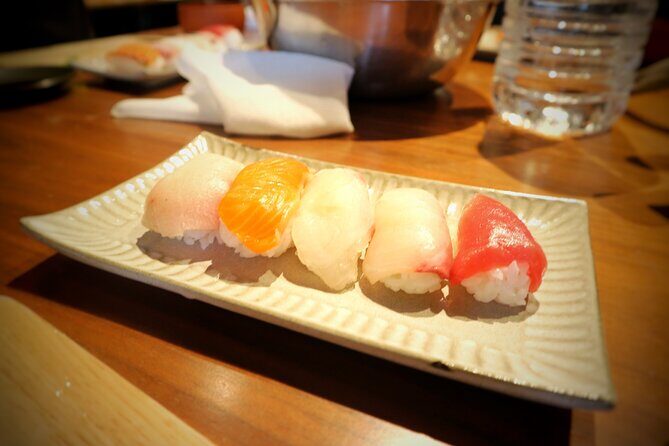
The meeting point is in Kojimachi, Chiyoda City: 1-chōme-4-4 Kōjimachi, Tokyo 102-0083. The activity ends back at the same meeting point, so you don’t have to worry about ending up across town with a hungry stomach and no plan.
It’s also described as being near public transportation. That matters because the class is short enough that you don’t want the day’s logistics to eat your time. Bring your mobile ticket on the day; it’s listed as a mobile ticket experience, which is usually the fastest way to check in without hunting for printed paperwork.
Empty-Handed Setup: What’s Included (and What That Means for You)
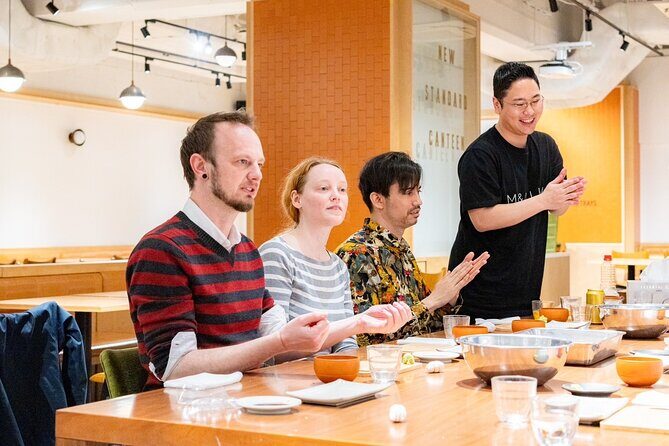
One of the most helpful parts is the promise that you can come empty-handed. All equipment and materials are provided, which is a big deal in Tokyo where you might already be juggling subway cards, bags, and shopping plans.
For you, that means:
- No searching for a specialty grocery before the class.
- No worrying about whether you have the right kind of tools.
- Less decision fatigue. You just show up and learn the process.
It also helps that the class includes vegan and vegetarian options. If you don’t eat fish, you can still participate without sitting out. This is one of those details that turns a “maybe” into a “sure” when you’re traveling with dietary preferences.
The Practice Grip You Don’t See in Most Sushi Classes
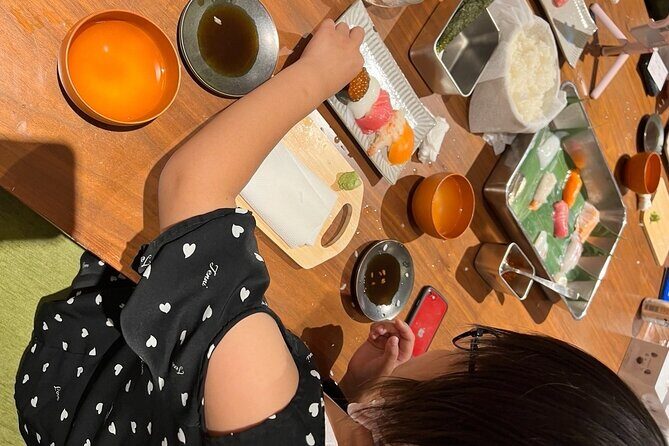
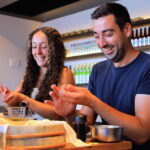
Here’s the method that makes this class feel more serious than a casual demo: you start with practice grip procedures using models. Before you make sushi with real fish and rice, you repeat the motions on a model first.
That step is there for a reason. Real nigiri involves rice temperature, hand pressure, and shaping technique. Jumping straight into it is hard, which is exactly why the training includes repeated practice. Expect the instructor to guide your hand placement and grip so you’re building muscle memory before you work with the actual ingredients.
This is also where the class earns its training-school feel. You’re not just learning recipes. You’re learning technique, step-by-step, the same way a beginner would in more formal sushi-education settings.
Nigiri Session: Making Real Nigiri With Seasonal Neta
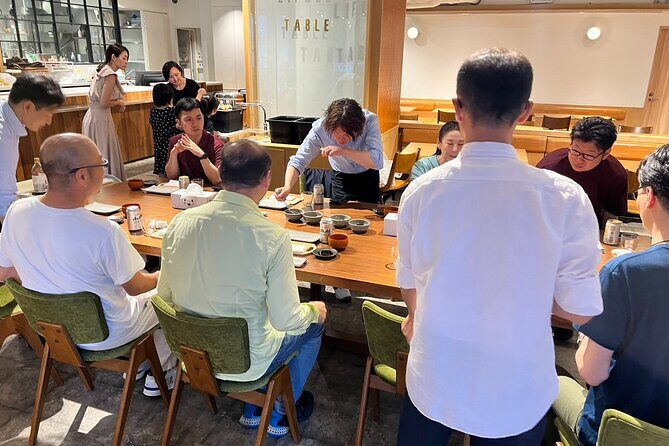
After the model practice, you move into making nigirizushi with real fish and rice. This part is the core of the experience, and it’s also where you’ll feel the coaching translate into results.
Two key points matter here:




You’re using real fish and rice, not just imitation
The class explicitly shifts from models to real ingredients for nigiri. That means you get a real sense of texture, weight, and how the topping interacts with rice.
Neta varies by season, and the amount is meant to satisfy
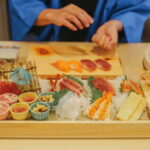
The neta depends on season, and you should expect a variety rather than a single topping. The experience is also described as offering the best variety and quantity of sushi in Japan, until you are full.
Now, do you walk away with chef-level mastery in 90 minutes? Probably not. But you do walk away with something more valuable than a photo: you learn the practical steps and what to focus on so you can improve after you leave. That’s the real takeaway.
Gunkan Workshop: Nori Orientation and Rolling Tips
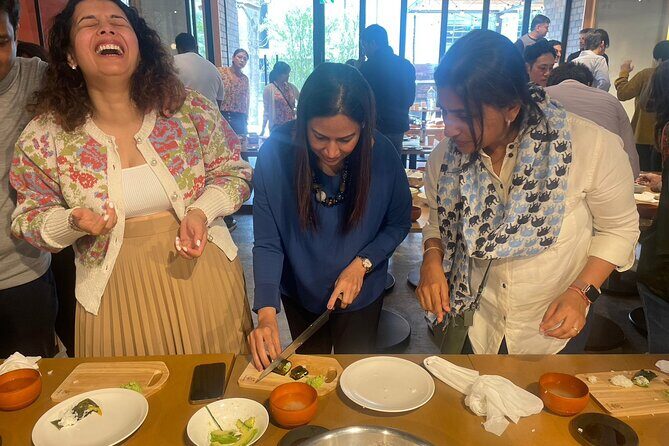
Once you’ve repeated the nigiri practice for a while, you move to gunkan, described as a warship shape. This part adds a new technique challenge: holding a topping like a little “capsule” and shaping the nori into the correct wrap.
The class includes a lecture on gunkan items such as salmon roe and negitoro (crushed sea urchin, and so on). It’s a good mix because these toppings have different textures, which makes you pay attention to how your hands handle both rice and nori.
You also learn an important detail that many people never hear about: the front and back side of nori. You’ll get tips on how to roll the nori correctly—because with gunkan, the wrap isn’t just decorative. It’s structural. If the nori orientation is wrong, the roll won’t behave the way it should.
This is the kind of small technical instruction that makes your results look better even if you’re still a beginner. And since the class is hands-on, you’re not stuck memorizing theory.
What Happens When You Eat: Etiquette With Your Own Sushi
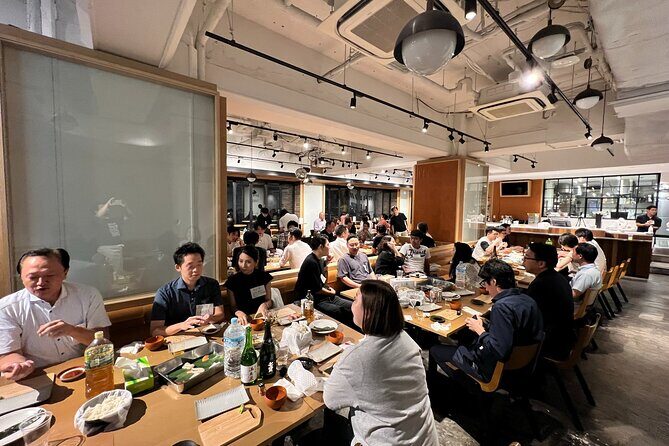
The experience includes instruction in proper sushi-eating etiquette. That might sound like a minor add-on, but it’s actually useful, especially if you’re traveling and want to avoid awkward mistakes at restaurants.
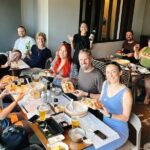
Then you get to eat your creations. The format is workshop-to-table, not workshop-then-wait. That keeps the whole session satisfying, because you’re learning and tasting in the same block of time.
Also, because the class promises enough sushi quantity to be full, you can plan your day around it. You don’t have to squeeze in a heavy meal right before. Come hungry, and you’ll get the payoff at the end.
Vegan and Vegetarian Options: How That Changes Your Experience
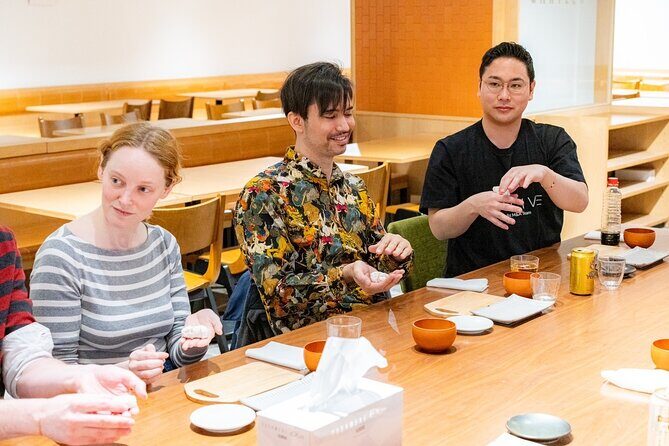
If you avoid fish, it’s a relief that the class offers vegan and vegetarian options. In a normal sushi workshop, non-fish eaters can feel like they’re watching from the sidelines. Here, the course is built so you can still participate meaningfully.
What you should expect is that your exact toppings may differ from the standard fish-based nigiri and gunkan lineup. The class emphasizes variety and quantity in general, but it also signals you can swap to non-fish options so the hands-on work still makes sense for you.
If you’re bringing a partner or family member with dietary needs, this is one of the best types of class to choose. It keeps everyone at the same table doing the same motions.
Group Size and Energy: Good for Families and Larger Parties
The activity has a maximum of 50 travelers. That gives you a sense of scale. It’s not a tiny one-person-at-a-time workshop, but it’s also not a giant show.
One strong practical benefit is that it works well for larger groups and families. You’ll still get instruction, and the pacing is designed for an express session rather than a long formal class where only a small number of people can interact.
If you’re traveling with kids, this kind of short, hands-on workshop can be a better match than lengthy restaurant tours. You get a clear beginning, a skill-building middle, and a meal at the end.
Duration Reality Check: About 1 Hour, 90-Minute Style
The duration is listed as about 1 hour, but the experience description also calls it a 90-minute sushi-making experience. In practice, that usually means expect a focused session that lasts roughly that range, not a half-day cooking project.
So if you’re tight on time, this is designed for you. You can still learn a meaningful amount of technique. Just don’t expect you’ll leave able to reproduce everything perfectly at home without practice.
Instead, think of it as a high-impact sampler of core sushi skills:
- How to handle rice and shape nigiri
- How gunkan wraps work with nori
- What to pay attention to so your sushi looks and tastes more correct
Price and Value: Is $109.01 a Good Deal?
At $109.01 per person, this isn’t the cheapest thing you can do in Tokyo. But the value stacks up in a few ways that matter for a cooking class.
First, you’re paying for coaching on technique, not just a meal. The model practice step is a sign that the class isn’t treating sushi-making like simple street food. It’s built to teach you grip and shaping methods before real ingredients.
Second, everything is provided. No extra tool costs. No ingredient prep. That reduces friction and hidden expenses.
Third, you eat what you make. Many experiences feel like cooking-for-the-instructor and then a small snack for you. Here, the class is described as ending with you consuming your creations, with enough sushi quantity to be full.
Finally, the rating is excellent—4.9 average with 89 reviews, and it’s recommended at a 100% rate. High ratings are never perfect proof, but when combined with a clear structure (practice first, then real sushi, then eating), it suggests the format reliably delivers.
When You Should Choose This Class (and When You Might Skip It)
You’ll likely love this class if:
- You want sushi skills without spending most of a day in a kitchen.
- You care about technique, not just eating.
- You have dietary needs and want vegan/vegetarian options that still let you make sushi.
You might choose a different option if:
- You want a deep, long course on sushi history, rice science, and advanced fish prep. This one is fast and skill-focused.
- You already know how to make nigiri and gunkan well and want a higher-level, hours-long improvement session.
Brief FAQ Before You Book
FAQ
How long is the Taisho sushi making class?
It is listed as about 1 hour (approx.), and the experience description also describes it as a 90-minute sushi-making experience.
What does the class cost?
The price is $109.01 per person.
Is there a way to attend if I don’t eat fish?
Yes. The class offers vegan and vegetarian options for non-fish eaters.
Do I need to bring equipment or ingredients?
No. All equipment and materials are provided, so you can come empty-handed.
Where does the class meet?
The meeting point is 1-chōme-4-4 Kōjimachi, Chiyoda City, Tokyo 102-0083, Japan, and it ends back at the same location.
Is a mobile ticket used?
Yes. The experience features a mobile ticket.
Is the class offered at a specific time that requires planning ahead?
You’ll typically book about 23 days in advance on average, and confirmation is received within 48 hours of booking, subject to availability.
What if I need to cancel?
Free cancellation is available. You can cancel up to 24 hours in advance for a full refund.
Should You Book Taisho Sushi Making in Tokyo?
Book it if you want a hands-on sushi class that respects beginners, because it starts with model practice and then moves to real nigiri and gunkan. The empty-handed setup and vegan/vegetarian options make it easy to say yes with confidence, even if your group has different diets.
Skip it if you’re looking for a long, slow, every-detail cooking deep dive. This is a fast skill session. You’ll leave with real technique and a full belly, not a decade of sushi training. If that sounds like your kind of Tokyo morning or afternoon, Taisho Sushi Making is a strong pick.