REVIEW · OSAKA
Osaka Daruma Workshop — Paint Your Own Good-Luck Daruma
Book on GetYourGuide →Operated by Japanticket Inc. · Bookable on GetYourGuide
A Daruma you painted yourself is oddly motivating. In Osaka, you’ll learn the meaning behind these wish dolls and then make one from scratch with calm, hands-on guidance.
I especially like the way the workshop mixes Japanese tradition with an activity that feels beginner-friendly. I also love that the session is long enough (90–110 minutes) to take your time and still leave with something you’re genuinely proud of.
One thing to plan for: you can’t bring large luggage, and the space expects quiet focus (minimal conversation and photography). If you’re hoping to treat it like a sightseeing stop with lots of photos, this isn’t that kind of place.
In This Review
- Key things I’d bet on before you go
- Why a Painted Daruma in Osaka Feels So Grounding
- Finding DARUMA CLUB Near Dotonbori and Kuromon
- The Daruma Story: Perseverance, Wishes, and the Reason It Matters
- Choosing Your Daruma Colors and Freehand Design
- What Happens During the 90–110 Minutes
- Instructor Support, Tools, and the Beginner-Friendly Setup
- Your Take-Home Daruma: A Souvenir With Intention
- Price and Value: Is $35 Worth It?
- Who This Workshop Suits Best in Osaka
- The Small Logistics That Make or Break Your Experience
- Should You Book? My Honest Decision Guide
- FAQ
- How long is the Osaka Daruma painting workshop?
- What is the price per person?
- What is included in the workshop fee?
- Where is the meeting point?
- What languages are available with the live guide?
- Is this workshop wheelchair accessible?
- Is the workshop private?
- What is the minimum age to join?
- Are large bags or suitcases allowed?
- Do I need a reservation to enter?
Key things I’d bet on before you go
- Central Osaka location: easy walk links to Dotonbori and Kuromon Market area
- Materials included: you get the full painting tool set plus your Daruma to decorate
- Ten-color freedom: pick a color and design freely instead of following a rigid pattern
- Meaning built in: you learn why Daruma dolls symbolize perseverance and wishes
- English and Japanese support: live guide helps you stay on track
- A real take-home keepsake: your finished Daruma goes home with you
Why a Painted Daruma in Osaka Feels So Grounding
Daruma dolls are one of those Japan traditions that sound simple until you learn what they represent. They’re tied to perseverance and goals—often summarized as fall seven times, rise eight—so the act of painting one doesn’t feel like a craft you rushed through. It feels like you’re making a small, personal reminder you’ll actually see again.
The best part is that you’re not doing it from memory or guesswork. You’ll get a video-style introduction and then step-by-step guidance while you paint. The tone of the workshop tends to be calm and focused, which is a nice break from Osaka’s neon-and-snacks energy.
A few more Osaka tours and experiences worth a look

Finding DARUMA CLUB Near Dotonbori and Kuromon
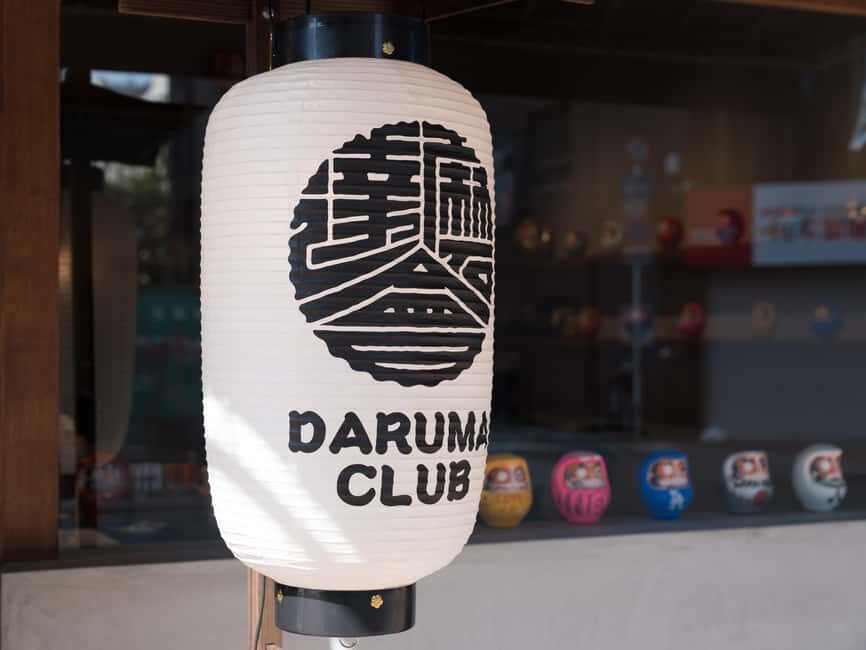
Your meeting point is at DARUMA CLUB, 2-10-9 Nipponbashi, Chuo Ward, Osaka City, Osaka Prefecture. It’s in a super practical area: you’re within walking distance of major sights like Dotonbori and Kuromon Market, so you can slot this between sightseeing plans without losing half your day to transit.
Because the workshop doesn’t allow oversize luggage or large bags, plan your day like you would for a walking tour: bring what you need, keep it light, and don’t count on storing a suitcase here. If you’ve got bulky shopping bags, you might want to carry only what you can manage comfortably for the duration.
The Daruma Story: Perseverance, Wishes, and the Reason It Matters
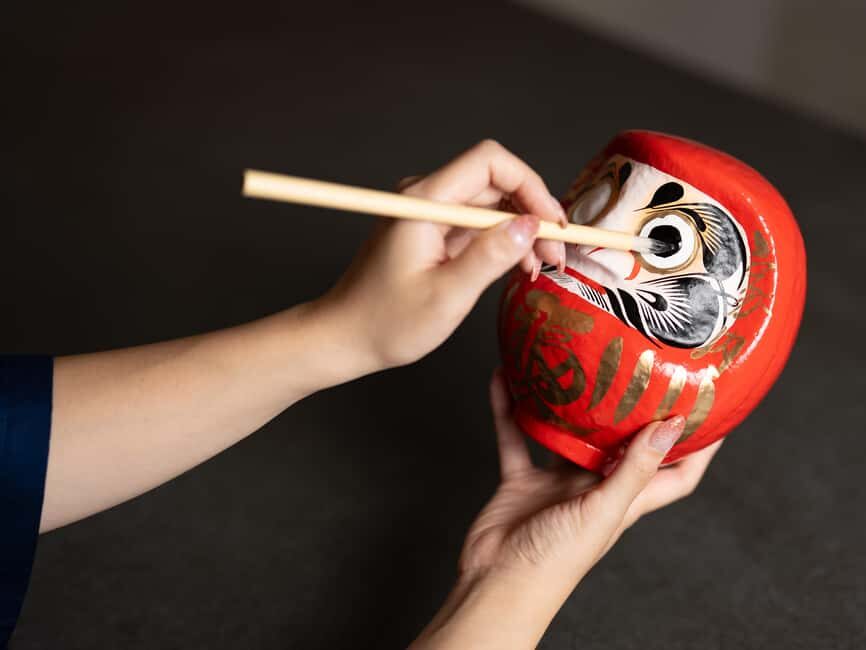
Before the paint starts, you’ll learn the cultural background of Daruma dolls—what they mean and why people make wishes with them. The workshop frames Daruma as symbols of perseverance and the spirit of keeping at something even when it gets hard. That’s the key idea that makes this workshop more than a souvenir factory.
In the lore around Daruma, there’s also a tradition of aiming for a bigger Daruma each year to fulfill your wish. You’ll hear this kind of story as you work, and it gives your design choices more weight. Even if you’re not making a life-changing promise, you’ll probably start thinking about a goal you care about—study, health, a trip, a new job, a relationship—something that feels real.
Choosing Your Daruma Colors and Freehand Design
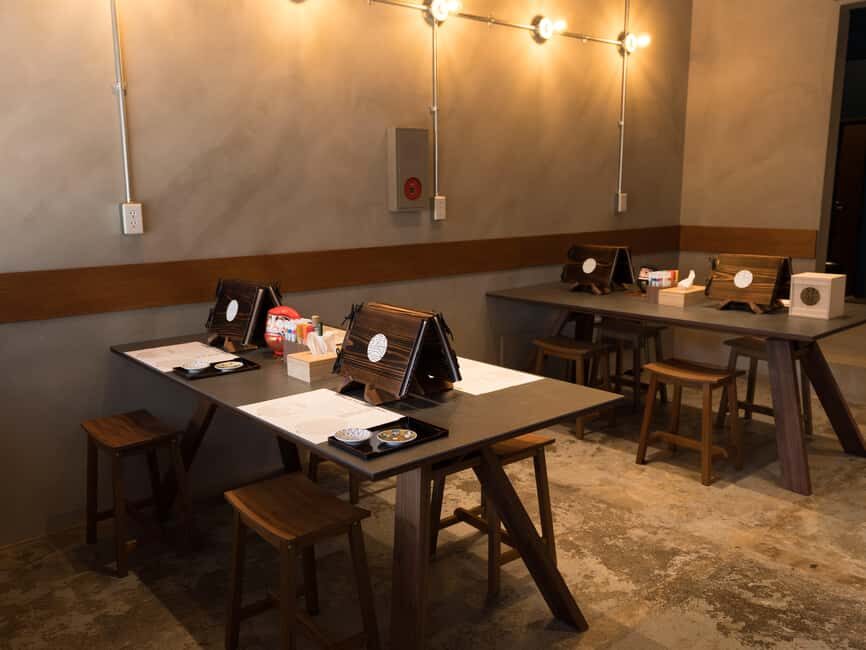
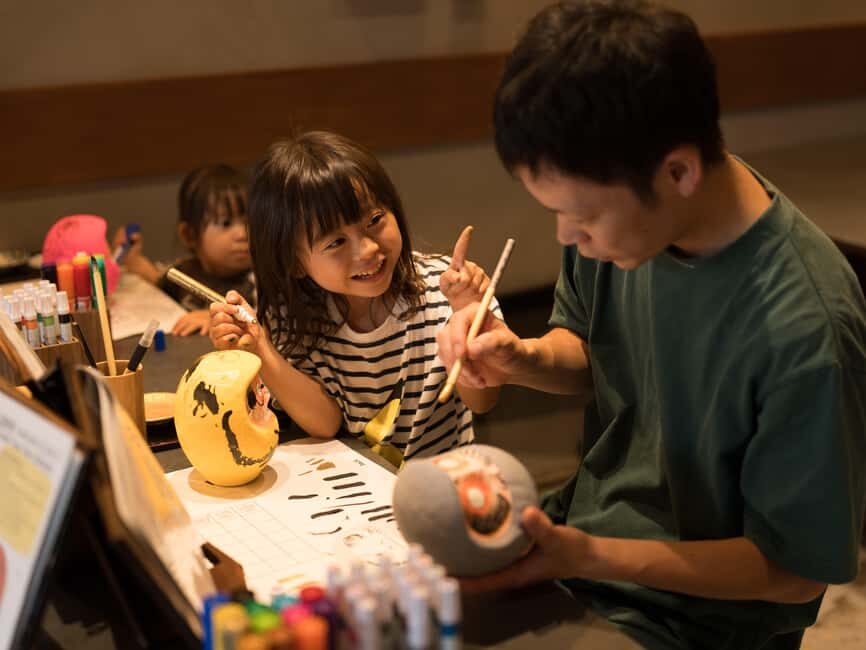
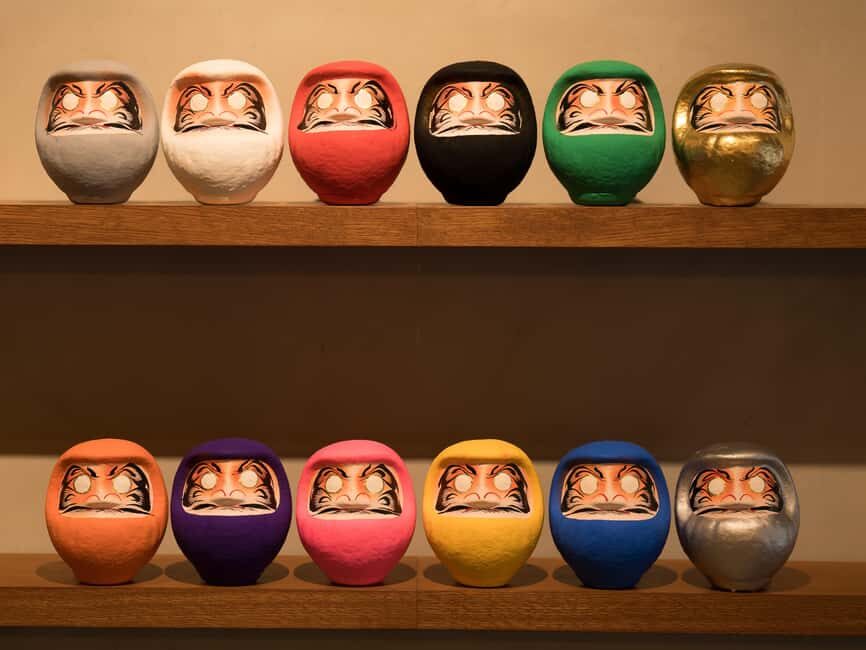
You get to choose from 10 colors, and then you design freely. That’s a big deal for the experience. Many workshops make you copy a sample closely. Here, you have room to make it yours—your color choices, your decorations, and any words or personal touches you add.
I like that the workshop treats your Daruma like a personal intention object, not just a painted face. If you’re traveling with someone who loves art, you’ll both have fun. If you’re traveling solo, you still get creativity without needing to perform for anyone.
One optional comfort factor that some sessions mention in practice: you can choose options like having the face already pre-painted, which helps if you’re worried about drawing the details perfectly. That doesn’t take away from ownership; it just lowers the stress level.
What Happens During the 90–110 Minutes
The session is designed to run about 90–110 minutes, and it moves at a pace that’s approachable. You’ll typically start with an introduction (including an easy-to-follow video) so you understand what a Daruma is and how to paint one.
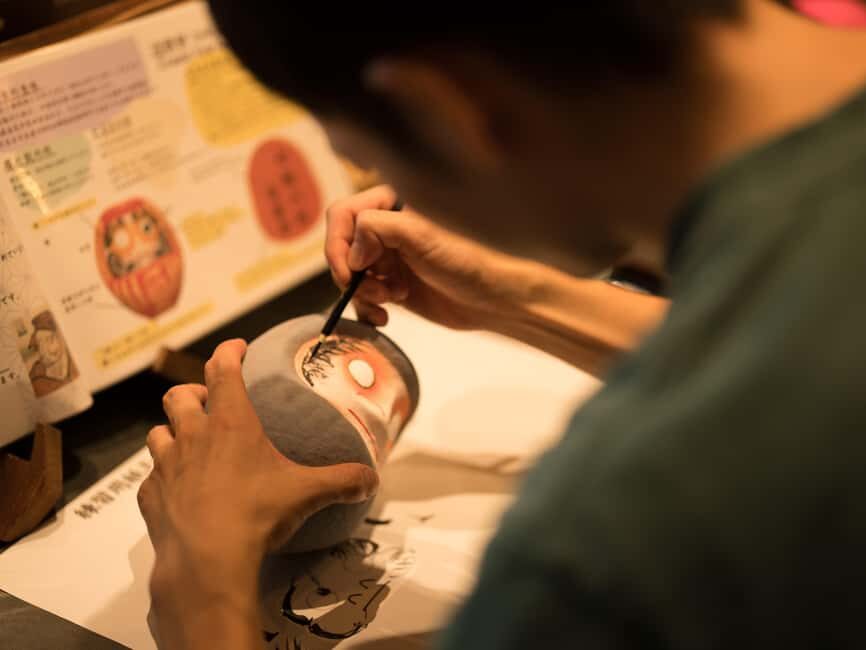
Then it’s time to paint. You’ll have guidance from the live instructor (English and Japanese), and you work your way through the steps while you decide your colors and details. The workshop rhythm is less about speed and more about letting the process land.
A couple of practical notes matter here:
- Arrive at least 5 minutes early. The workshop expects you to start on time.
- The end time can’t be extended, even if you arrive late. So give yourself a little Osaka buffer.
- The setting asks for minimum conversation and minimal photography. Think of it like a focused studio moment, not a group performance.
If you want a quiet reset after busy days walking and eating your way through Osaka, this format is a good fit.






Instructor Support, Tools, and the Beginner-Friendly Setup
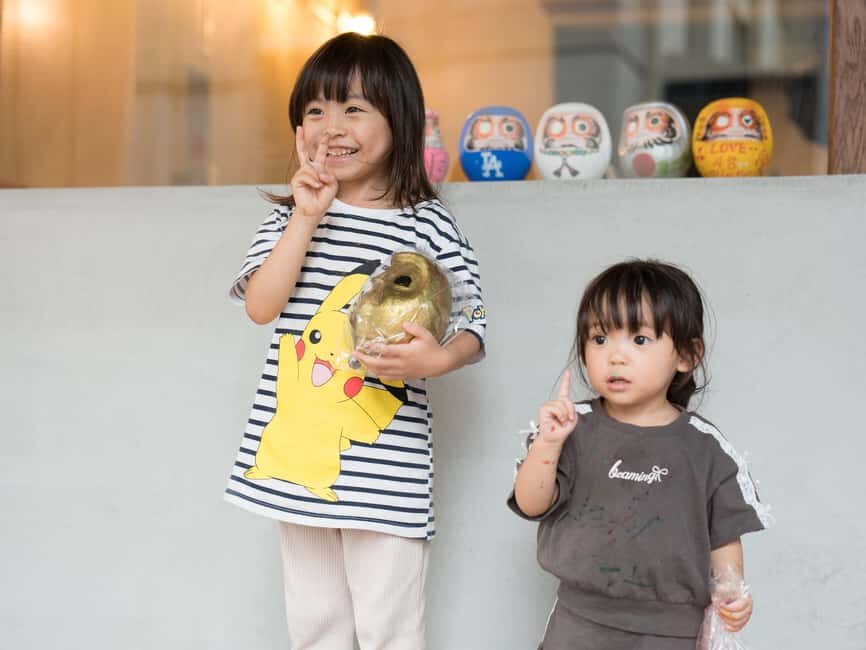
Included in the price is a complete set of painting tools for rental, including the Daruma itself. You don’t need to hunt for supplies, bring brush pens, or worry you’re arriving underprepared. That matters because this workshop is about creativity, not logistics.
What also helps: the guidance isn’t just theoretical. In at least one session, the instructor named Kelly was noted as kind and attentive, even providing fresh brushes to keep the tools working well. That’s the sort of small, practical care that makes painting feel easier instead of frustrating.
Another plus is that the workshop can feel self-paced. Even with instructions, you’re not being pushed to finish fast. If you like taking your time and building something deliberately, you’ll probably enjoy the pace.
Your Take-Home Daruma: A Souvenir With Intention
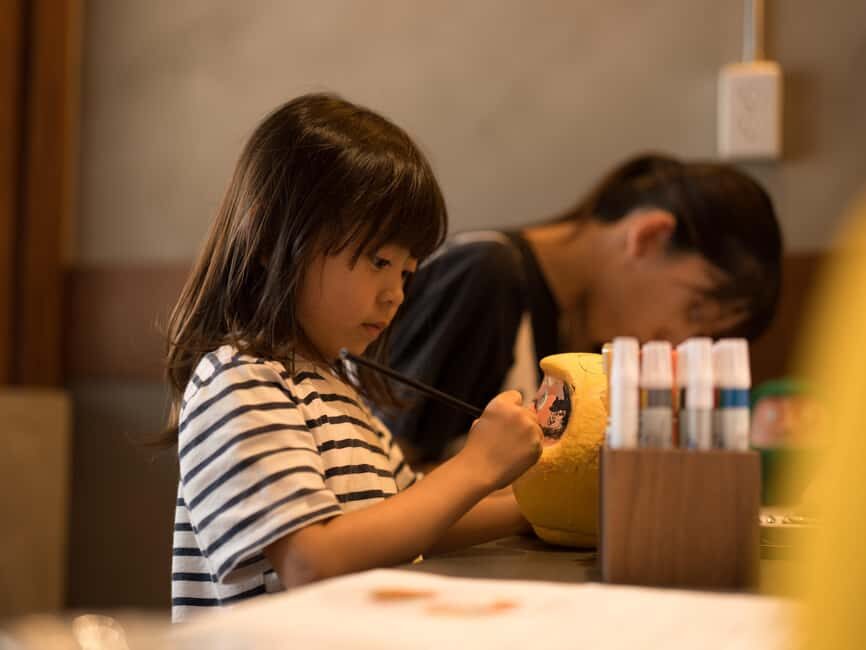
The workshop’s payoff is simple: you finish your Daruma and take it home. That’s not just nice for a photo on your shelf. It’s a souvenir that has meaning baked in—because you participated in the making.
Some participants also customize the packaging options, such as choosing a cute box to personalize. If you’re the type who likes your keepsakes to look good beyond the object itself, that’s a small extra satisfaction.
In practical terms, think of your finished Daruma like you would a fragile craft: treat it gently on the way out, and keep it protected while you continue your day in Osaka.
Price and Value: Is $35 Worth It?
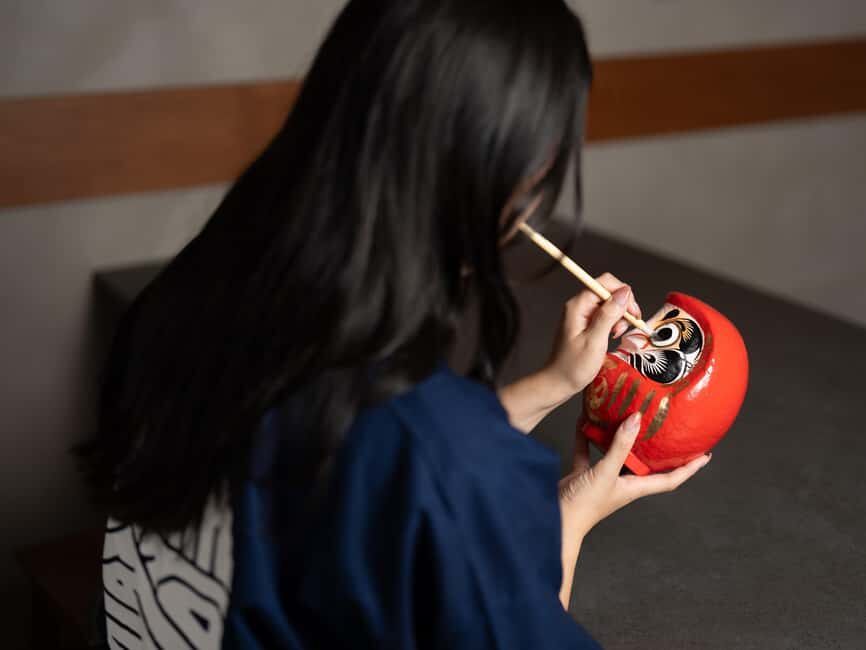
At $35 per person, the value is strongest because the workshop includes the key thing most craft activities charge you for separately: materials. You get the painting tool set (for rental) and the Daruma to paint. For many souvenirs, you pay for the finished product only. Here, you pay for both the experience and the materials.
Also, the experience is long enough to feel complete. Ninety to one hundred ten minutes is not a quick dab-and-go. It’s enough time to learn the meaning, plan your design, and actually produce a personal result.
Who This Workshop Suits Best in Osaka
This is the kind of activity that works across travel styles.
- Couples and friends: Great if you want a shared activity that isn’t just shopping. You’ll get to talk while you paint, but still keep the studio vibe calm.
- Solo travelers: Perfect if you want a quiet, guided moment where you’re doing something with your hands instead of just moving from stop to stop.
- Families: There’s a minimum age of 6, and the requirement is that participants can sit calmly. If your child can handle that kind of setting, it’s a fun way to do culture without lectures.
- Beginners in art: The workshop’s support and options (like pre-painted details) help reduce the fear of messing up.
If you’re traveling only for loud nightlife or big-ticket museum days, you might find this more meditative than you expected. But if you’re even a little curious about Japan’s wish-and-perseverance culture, you’ll likely enjoy the payoff.
The Small Logistics That Make or Break Your Experience
The workshop rules are pretty clear, and they’re worth respecting because they protect the calm studio environment.
- No large bags or oversize luggage: keep your day light.
- No entry without a reservation: the workshop expects reserved seats, even for companions or observers.
- Plan for quiet: conversation and photography are requested to be kept to a minimum.
- Don’t bring alcohol or food: non-alcoholic beverages are allowed, but alcohol and food aren’t permitted.
If you show up with a heavy suitcase or treat it like a casual hangout with lots of filming, the experience will feel more stressful than relaxing. If you arrive prepared and ready to focus, it’s the opposite.
Should You Book? My Honest Decision Guide
Book this workshop if you want a Japan souvenir that isn’t generic. The combination of cultural meaning, real instructor support in English or Japanese, and the chance to choose from 10 colors makes this feel personal.
Skip it if you need a loud, social activity or you’re hoping to make it a photo-heavy stop. Also consider skipping if your schedule is too tight; the workshop end time can’t be extended, and you’ll want to arrive a few minutes early.
If you’re on the fence, here’s the practical tie-breaker: if you’d enjoy 90–110 minutes of focused creativity more than another shop stop, this is a strong yes.
FAQ
How long is the Osaka Daruma painting workshop?
The duration is 90 to 110 minutes, depending on the selected plan and start time.
What is the price per person?
The price is $35 per person.
What is included in the workshop fee?
You’ll receive a complete set of painting tools for rental, including the Daruma to paint.
Where is the meeting point?
You meet at DARUMA CLUB, 2-10-9 Nipponbashi, Chuo Ward, Osaka City, Osaka Prefecture.
What languages are available with the live guide?
The live tour guide provides support in English and Japanese.
Is this workshop wheelchair accessible?
Yes, it is listed as wheelchair accessible.
Is the workshop private?
It is described as a private group.
What is the minimum age to join?
The minimum age is 6 years old, and participants must be able to sit calmly.
Are large bags or suitcases allowed?
No. Oversize luggage and large bags are not permitted.
Do I need a reservation to enter?
Yes. Entry without a reservation is not allowed, including companions or observers.