
REVIEW · KURASHIKI
Cooking and Eating Bara Sushi A Local Dish from Okayama
Book on Viator →Operated by Cooking and Eating Bara Sushi · Bookable on Viator
Bara sushi is more than dinner. This hands-on Okayama class is built around local home cooking and the real routines behind a beloved vinegar-style rice dish. You’ll get a story lesson first, then roll up your sleeves in a lived-in kitchen setting.
Two things I love about this experience are the chance to learn the history and purpose of bara sushi, and the fact that instruction comes from local housewives who make it the traditional way. Also, the ingredients and servings are up to your preference, so it doesn’t feel like you’re following a script with no say.
One possible drawback to consider: since the class includes fish and vegetables in the traditional mix, you’ll want to think ahead if you avoid certain foods. The good news is you can choose ingredients to fit your taste, but the dish’s local identity is still there.
In This Review
- Key highlights you should care about
- What Bara Sushi Really Is in Okayama
- Inside a Renovated House and a Friendly Local Kitchen Lesson
- The Lesson Part: History, Ingredients, and How the Dish Is Served
- Cooking the Bara Sushi Filling: Your Choices, Guided Clearly
- Sushi Rice + Topping Assembly: Turning a Mix Into a Bowl
- Lunch: Eating Your Own Bara Sushi With Miso Soup
- Why This Takes About 3.5 Hours and Still Feels Worth It
- Price and Value: Is $42.27 Fair for a Hands-On Lunch Class?
- Getting There Around Kurashiki and Okayama Without a Headache
- Who This Bara Sushi Class Is Best For
- Should You Book This Okayama Bara Sushi Cooking Experience?
- FAQ
- How long is the cooking experience?
- What is included in the price?
- Is transportation included?
- Where does the tour start and end?
- What time does it start?
- Do I need cooking experience?
- Is this a private tour?
- Do I get a mobile ticket?
- What is the cancellation policy?
- How far is the activity from the nearest JR station?
Key highlights you should care about
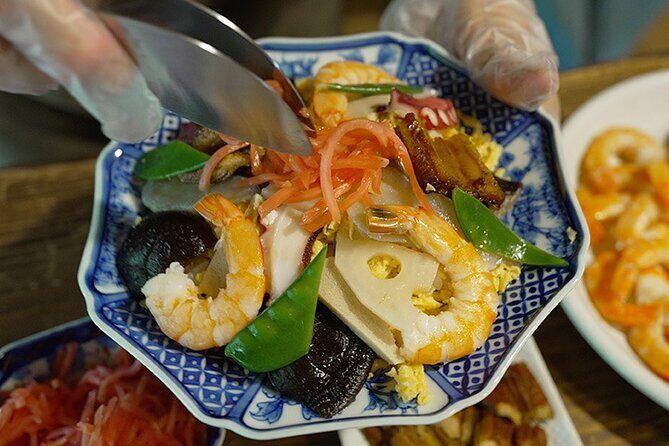
- 10+ ingredient bara sushi: fish and vegetables simmered or pickled in vinegar, served on sushi rice
- Beginner-friendly teaching: local cooks guide you step by step, even if you’ve never cooked before
- A quick dish history before cooking: you’re not just making food, you’re learning why it exists
- Renovated historic-house setting: you get a more local feel than a standard cooking studio
- Lunch included: you eat what you make, with miso soup
- Private group experience: only your group participates
What Bara Sushi Really Is in Okayama
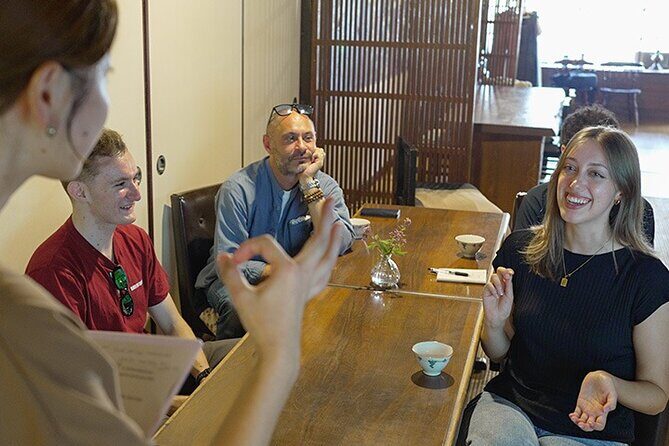
Okayama’s bara sushi is a local dish that lives in that sweet spot between everyday home food and special-occasion comfort. The core idea is simple: you build a flavored topping made from multiple ingredients, then serve it over sushi rice.
What makes it “bara” is the style and the mix. You’re not just topping rice with one neat piece of fish. You’re assembling a bowl using over 10 ingredients, including fish and vegetables. In traditional Okayama style, many components are either simmered or pickled in vinegar, so you get that tangy-sweet, mouth-waking flavor that wakes up the rice.
Even better for first-timers: the experience is designed so you can choose what goes in. You can decide on ingredient types and the amount you want to serve. That turns the class from a food show into something closer to cooking with a local family.
You can also read our reviews of more tours and experiences in Kurashiki.


Inside a Renovated House and a Friendly Local Kitchen Lesson
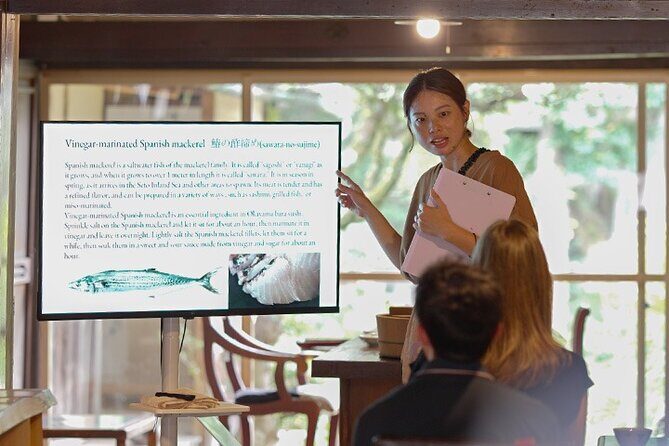
This class happens in a real house setting, not a staged restaurant kitchen. One review called it a renovated historic house, and that matters more than it sounds. When a place feels lived-in, the food story feels real too. You’re more likely to ask questions, and the whole tone is calmer.
You’ll also learn from the people who actually keep the dish alive. The host is a local housewife, and she’ll guide you through the process with years of practice behind it. The experience is run by Hisao Tsugita, and the goal is to bring bara sushi’s popularity back for both visitors and locals. You can feel that intention in how the lesson is presented: it’s not just cooking, it’s passing along something worth caring about.
The atmosphere is typically described as friendly. That’s a big deal when you’re in a private group and you don’t want to feel like you’re being rushed through motions. Here, you’re learning, not performing.
The Lesson Part: History, Ingredients, and How the Dish Is Served
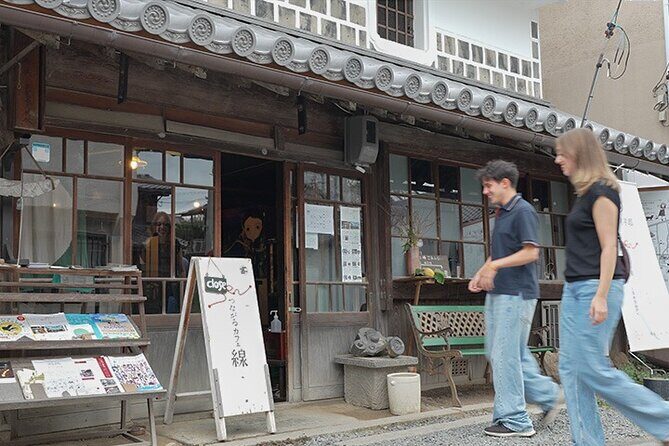
You’ll start with learning the background of bara sushi. One of the standout praised moments is the history talk—especially if you haven’t heard of this dish before. The dish isn’t famous everywhere in Japan, so having context helps your brain connect flavor to place.
Then the kitchen part begins. You’ll be presented with the ingredients used for Okayama-style bara sushi. The dish is built from fish and vegetables, and many are prepared with vinegar—either pickled or simmered depending on the ingredient. Expect the flavors to be a mix of savory and tangy, with vinegar adding snap.
The practical value here is that you learn the logic behind the mix. When you understand that vinegar preparation is part of the tradition, it becomes easier to build your bowl to your own taste. And because ingredient types and amounts are up to you, you’re not stuck eating a version that feels too sour or too heavy.
Cooking the Bara Sushi Filling: Your Choices, Guided Clearly
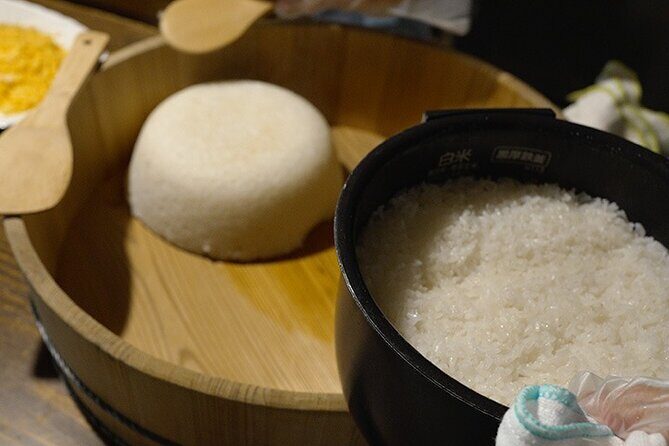
The hands-on portion is where you get control. You’ll work with the housewife and follow guidance, but the experience is set up so you can make choices rather than just replicate a single outcome.
Here’s what you should picture: you’ll handle multiple ingredients—more than a simple topping—and you’ll learn how they come together. Since the dish uses 10+ ingredients, the lesson isn’t only about cooking technique. It’s also about proportion: how much of each component creates the right balance on the rice.
Because many ingredients are vinegar-based (pickled or simmered), the filling tends to develop flavor depth quickly. That means small adjustments to your ingredient amounts can noticeably change the final taste. If you like tangier bowls, you’ll likely lean into the vinegar-prepped items. If you prefer softer, rounder flavor, you may choose more simmered components.
One thing I appreciate in the setup: it’s explicitly beginner-friendly. You don’t need to be a confident cook. The instructor prepares the ingredients ahead, and you’re joining in at the building stage. That reduces stress and keeps the focus on learning.
Sushi Rice + Topping Assembly: Turning a Mix Into a Bowl
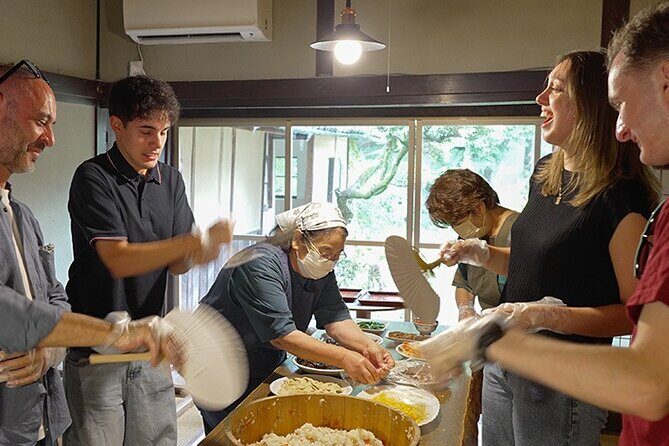
After ingredient prep, you assemble the bara sushi on sushi rice. That step is deceptively important. Sushi rice acts like the canvas. It’s mild, slightly sweet, and ready to carry flavor from the topping.
The key learning moment is how the toppings behave when placed on rice. Since your ingredients include tangy vinegar pickles and simmered items, the bowl changes as it sits. That’s why the experience is built around you making and then eating what you made. You’re meant to taste your balance right away rather than guess what it will be like later.
You’ll also be able to choose how you serve it. The amount you make is tied to your preference, so the final bowl should feel more like your portion. For groups, this is helpful: different people can aim for different flavor directions without the entire meal becoming the same.
If you like structured tasks, you’ll probably enjoy the flow. If you prefer freedom, you’ll still get some control because ingredient types and servings are flexible.



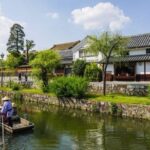
Lunch: Eating Your Own Bara Sushi With Miso Soup
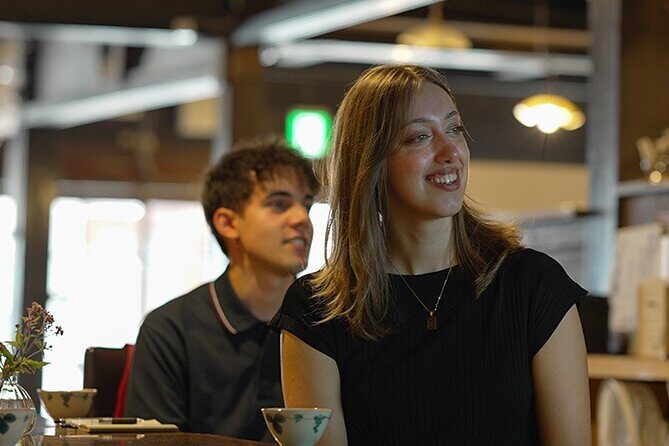
Lunch is included, and you’ll eat the bara sushi you make. You’ll also get miso soup with the meal, which helps round out the tang. A vinegar-forward topping can be sharp on its own, so miso soup is a smart companion.
Because the food is homemade-style and locally rooted, lunch tends to feel less like a curated tasting and more like a real meal you’d share with family. That’s part of why this kind of class scores well with travelers: you leave with more than a full stomach—you leave with a clearer picture of local everyday cuisine.
A practical tip: eat at a comfortable pace. The best part of a bowl like this is the way flavors show up as you chew—especially the shift between the rice’s mildness and the vinegar notes in the ingredients.
Why This Takes About 3.5 Hours and Still Feels Worth It
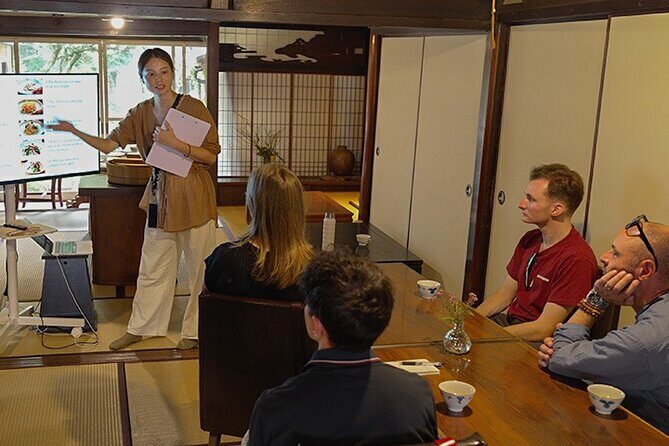
The duration is about 3 hours 30 minutes, and that timing makes sense for a class that includes both a short history lesson and active cooking.
You’re not just handed food. You’re learning the background, being introduced to the ingredients, and then assembling and eating. That full cycle matters because it changes how you remember the dish. History gives it meaning, cooking builds your understanding, and lunch locks it in through taste.
One reason people like it as an off-the-usual-circuit experience is that it feels closer to local life than a photo-stop meal. The lesson isn’t trying to impress you with spectacle. It’s trying to show you how people really cook and eat in Okayama.
Price and Value: Is $42.27 Fair for a Hands-On Lunch Class?
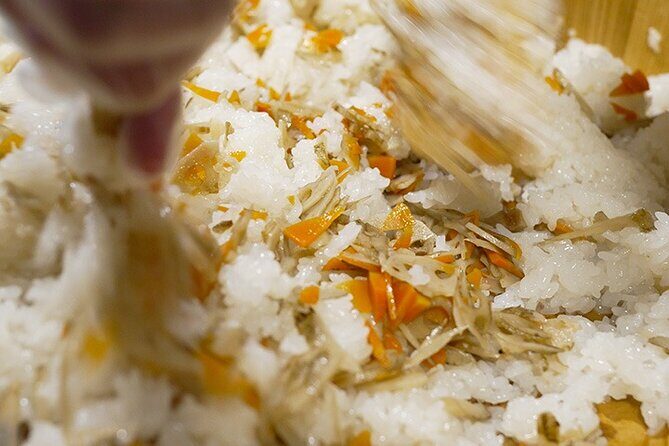
At $42.27 per person, this isn’t a budget snack. But it can be good value if you’re comparing it to the cost of a regular meal plus a guided cultural experience.
Here’s where the value comes from:
- You pay for instruction from local housewives, not just for a finished dish.
- Your lunch is included, and you eat what you made.
- The dish uses many ingredients and includes both cooking and assembly steps.
- It’s a private tour/activity limited to your group, which often feels more personal than larger shared classes.
You also get a learning payoff. If you like understanding food culture—why something is made a certain way—this kind of class tends to feel like money well spent. If you’re only interested in a single taste and you don’t care about the process, you might prefer buying bara sushi elsewhere and skipping the lesson.
Getting There Around Kurashiki and Okayama Without a Headache
The meeting point is at a parking lot near Kurashiki Station: Kurashikiekikitahirobajikayoshaseiriba Parking Lot, 13-2 Kotobukichō, Kurashiki, Okayama 710-0813. The start time is 10:30 am, and the activity ends back at the meeting point.
If you’re coming via JR, Soja Station is a common connector. From Okayama Station it’s about 30 minutes, and from Kurashiki Station about 11 minutes. From JR Soja Station, you’ll walk about 25 minutes or take a short 5-minute taxi ride to get to the meeting area.
This matters because a 10:30 start means you should plan buffer time. When classes are private and hands-on, being a few minutes late can throw off the flow.
Also, you’ll receive a confirmation at booking, and you’ll have a mobile ticket. That’s convenient if you don’t want paper.
Who This Bara Sushi Class Is Best For
This is especially suited for you if:
- you like local food culture more than generic sushi-bar experiences
- you want a beginner-friendly cooking activity with real guidance
- you’re traveling in a group and want something calmer and more personal (since it’s private)
It may be less ideal if you strongly dislike fish. Bara sushi is described as including fish as part of the traditional mix. The good part is that ingredient types and amounts are up to your preference, but you should still think carefully about what you’re comfortable eating.
If you’re the kind of traveler who enjoys learning the story behind the meal, you’ll likely get a lot out of the early history portion. Reviews point to that moment as a highlight, and it’s the kind of context that makes the flavors click.
Should You Book This Okayama Bara Sushi Cooking Experience?
I think you should book it if you want a hands-on way to understand Okayama cuisine, not just taste it. The recipe-style structure is balanced with flexibility, because you can choose ingredient types and portions, and the instruction is designed for beginners.
What seals it is the combo of local home cooking, a dish history lesson, and lunch that includes miso soup. At 3 hours 30 minutes, it’s long enough to feel like you learned something real, but short enough to fit into a day in the Kurashiki/Okayama area.
Skip it only if you’re not interested in cooking or you’re uncomfortable with vinegar-style toppings and fish components. If that sounds like your situation, you might get more value elsewhere—just a meal, no lesson.
FAQ
How long is the cooking experience?
It lasts about 3 hours 30 minutes (approx.).
What is included in the price?
Lunch is included. You’ll eat the bara sushi you make, served with miso soup.
Is transportation included?
No. It’s not included, and you’ll need to get to the meeting point on your own.
Where does the tour start and end?
It starts at the Kurashikiekikitahirobajikayoshaseiriba Parking Lot (13-2 Kotobukichō, Kurashiki) and ends back at the same meeting point.
What time does it start?
The start time is 10:30 am.
Do I need cooking experience?
No. A housewife will guide you, and the experience is set up so you can enjoy it even with no cooking experience.
Is this a private tour?
Yes. Only your group participates.
Do I get a mobile ticket?
Yes. The experience has a mobile ticket.
What is the cancellation policy?
Free cancellation is available. You can cancel up to 24 hours in advance for a full refund. If you cancel less than 24 hours before the start time, the amount paid will not be refunded.
How far is the activity from the nearest JR station?
JR Soja Station is about 30 minutes from Okayama Station and about 11 minutes from Kurashiki Station. From JR Soja Station, it’s about a 25-minute walk or a 5-minute taxi ride to the meeting area.
![[Day trip bus tour from Kanazawa Station] Weekend only! World Heritage Shirakawago Day Bus Tour - Price and what you actually get for $81.30](https://images.thejapantraveler.com/wp-content/uploads/day-trip-bus-tour-from-kanazawa-station-weekend-only-world-heritage-shirakawago-day-bus-tour.jpg)