REVIEW · TOKYO
Private Full-Day Tour of Tokyo with Hotel Pickup
Book on Viator →Operated by 株式会社Honey J コーポレーション · Bookable on Viator
Tokyo feels less hectic when you have a guide. This private full-day Tokyo tour is built around your pace: a guide meets you at your hotel, then you head out using public transportation to hit major sights and swap in choices you actually care about.
I especially love that it mixes iconic places like the Imperial Palace Outer Gardens with culture you rarely see on a quick first visit. Another highlight for me is the support with trains and route planning, so you spend less time figuring out transit and more time noticing details.
One consideration: this is a walking-heavy day, and you may also face temple dress rules like no sleeveless tops or shorts. Bring comfy shoes and a light cover-up, or you’ll feel it by the end.
In This Review
- Key things that make this Tokyo private tour work
- A private day in Tokyo starts at your hotel
- Imperial Palace Outer Gardens: calm, ceremonial, and free
- Goma fire rituals at Fukagawa Fudodo: religion you can see and hear
- Ryogoku and sumo culture: more than just the arena
- Akihabara: electronics and Otaku culture, with room for your tastes
- How the guide ties the day together with trains (and smart shortcuts)
- Customization options: Tokyo highlights and detours you’ll thank yourself for
- What’s included, and what you’ll need to budget for
- Dress code and comfort tips that actually matter
- Is the timing right for you?
- Should you book this private Tokyo full-day tour?
- FAQ
- What time does the tour start?
- How long is the private tour?
- Is this tour private?
- Is hotel pickup included?
- Are transportation costs included?
- Do I need to pay for admission at the stops?
- Are foods and drinks included?
- What should I wear to the temple stop?
- What if the tour needs to be canceled due to weather?
Key things that make this Tokyo private tour work
- Hotel pickup + guided train navigation so you can get around without stress
- Customizable routing (you can follow major highlights or steer toward your interests)
- A clear cultural mix: imperial grounds, ritual at a temple, sumo district, and Akihabara
- Walking time planned in with solid footwear recommendations
- One short taxi ride included to smooth out part of the route
- Mobile ticket for convenience on the day
A private day in Tokyo starts at your hotel
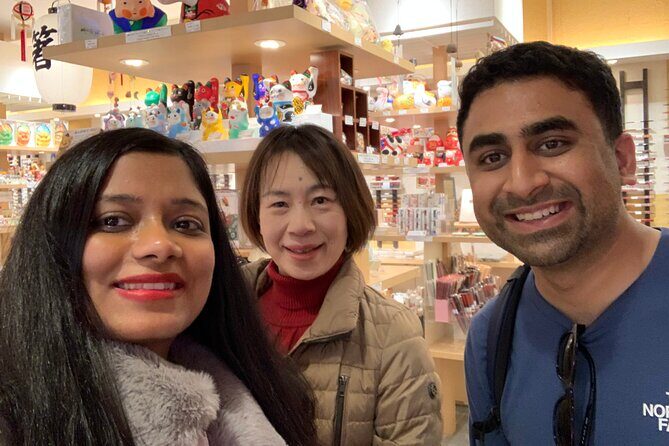
The biggest practical win here is the start. Instead of meeting at some distant station, your guide meets you at your hotel at 9:00 am, then you head out together. That removes the early-day chaos, especially in Tokyo where moving between neighborhoods can be quick, but not always intuitive when you’re tired.
This is a private tour (only your group participates), which matters more than people think. You can ask questions as you go, stop when something catches your eye, and adjust the rhythm. If you want photos, extra time at one site, or a break from walking, you have that flexibility.
You’re also not limited to a rigid script. The tour is described as customizable, so it can lean toward top highlights or toward places many first-timers overlook. One thing I like about this approach: you still get the core “Tokyo essentials,” but you’re not locked into a cookie-cutter route.
Finally, plan for a full day around 8 hours. That’s long enough to feel like a real experience, not just a “see three things” sprint.
You can also read our reviews of more private tours in Tokyo


Imperial Palace Outer Gardens: calm, ceremonial, and free
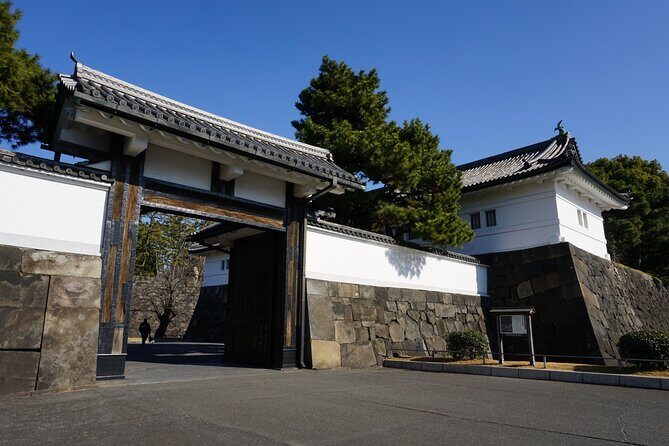
One of the first stops is the Imperial Palace Outer Gardens, for about one hour, with free admission.
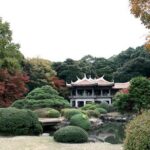
The Imperial Palace sits on the former site of Edo castle, so you’re standing in a place that’s been at the center of Japanese power for centuries. Today, the Imperial family lives on the grounds, but what visitors can access here is the Outer Gardens area—think formal landscaping, careful pathways, and a quiet sense of order.
What makes this stop valuable on a guided day is context. A guide can help you see what you’re looking at: why the grounds matter historically, and how the palace setting functions as both a symbol and a real living space.
Practical note: it’s an outdoor-heavy start, so if you’re traveling in hot, humid months, you’ll want to pace yourself early. Also, since this is part of a longer day, don’t blow through the hour. Spend time absorbing the atmosphere, then you’ll feel less rushed later.
Goma fire rituals at Fukagawa Fudodo: religion you can see and hear
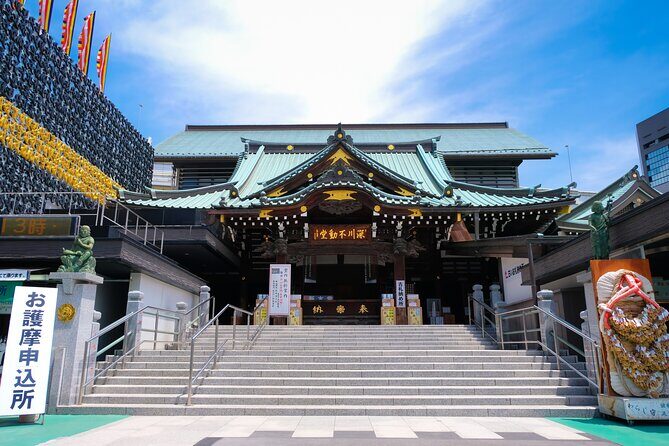
Next comes Fukagawa Fudodo, where you’ll see the Goma fire rituals. This stop runs about one hour, and it’s also listed as free.
Here’s the key cultural detail: the ceremony involves wooden sticks being burnt several times a day to give Fudōmyō-ō the fighting force he needs. That’s not just a dramatic show; it’s a religious practice with a purpose. A guide helps you understand what’s happening and why the ritual is structured the way it is.
Why I think this stop is a smart choice for a private tour: temple schedules and timing can be tricky, and a guide who plans around the day can help you avoid arriving when the ritual isn’t underway. Even if you’re not there for the exact moment you expected, you’ll still get the meaning behind what you’re seeing, which makes it far more satisfying than just watching fire from the sidelines.
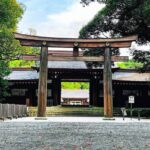
Dress matters here. Since this is a place of worship on the route, no sleeveless tops or shorts are permitted. The guidance also recommends bringing a shawl or light cover-up. I’d treat that as essential kit, not an optional nice-to-have. If you end up needing it, you’ll feel very prepared.
Ryogoku and sumo culture: more than just the arena
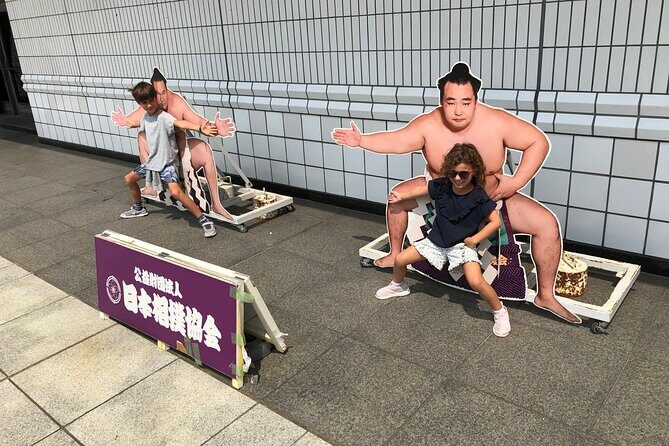
Then you head to Ryogoku, the neighborhood associated with sumo culture, for about one hour and 30 minutes.
This area is famous for things like:
- the sumo arena (Kokugikan)
- chanko nabe restaurants (sumo wrestlers’ hearty meal tradition)
- sumo stables and other facilities tied to the sport
If you only know sumo from televised tournament clips, Ryogoku is where it starts to feel real. On your own, it can be hard to connect the dots between the sport, the training culture, and the neighborhood’s layout. With a guide, you get the story and the “what to notice” list—like how the facilities and everyday references reinforce sumo as both sport and tradition.
One advantage of having time here: you’re not forced into a quick photo stop. You can walk the area at a calmer pace, and you can linger around the parts that interest you most—whether that’s the arena side of things or the food and street-level culture.
Akihabara: electronics and Otaku culture, with room for your tastes
The final listed neighborhood stop is Akihabara for about one hour and 30 minutes.
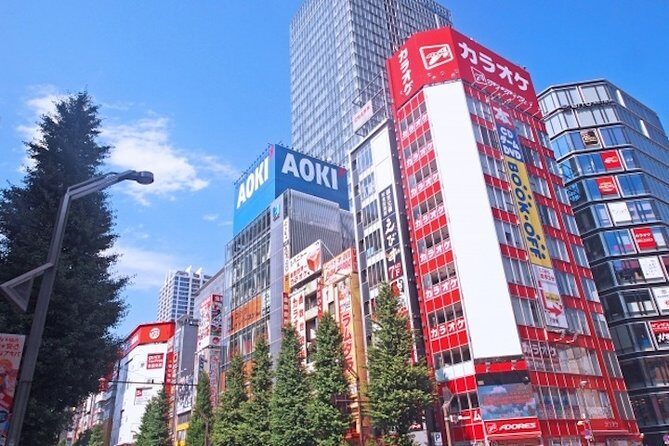
Akihabara is known for electronics shops and Otaku culture, including anime, maid cafes, and character figures. Since it’s such a broad theme, a guide is helpful because your interests can steer the walk. Some people want tech stores. Others want collectibles. Others want the “why is this place like this?” cultural context behind the fandom scenes.
On a private full day, Akihabara works well as the finale because it’s energy-heavy and interactive. You can actually browse instead of rushing. And because this tour is described as customizable, your guide can shift what you focus on—electronics, fandom culture, or the general neighborhood feel.
Tip for comfort: keep an eye on how much you’re willing to carry. By the end of a day like this, shopping bags can get heavy, especially if you’re also commuting back toward your hotel.
A few more Tokyo tours and experiences worth a look

How the guide ties the day together with trains (and smart shortcuts)
Transportation is included, with public transportation covered by the tour, plus one short taxi ride. That’s a good balance: Tokyo trains are efficient, but sometimes a quick taxi segment saves time and reduces the number of transfers you have to manage while walking.
The tour also explicitly mentions meeting your guide near public transportation and using trains to get between areas. This matters because Tokyo transit is not just about getting from A to B—it’s about doing it without wasting hours.
In feedback, a guide name came up: Naofumi Kamabe. The praise wasn’t about “just knowing facts.” It was about practical guidance: helping navigate the trains with ease, adjusting the route, and making the day flow. That’s the kind of skill you’ll feel immediately, because it turns transit into part of the experience instead of a chore.
Also, plan for walking. Even though the tour is structured by stops, you’re still moving between them all day. Comfortable shoes are not optional.
Customization options: Tokyo highlights and detours you’ll thank yourself for
The tour is set up so you can either follow major stops or swap in hidden-gem type alternatives many visitors miss. Your guide can tailor the day based on interests.
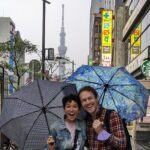
One example from feedback: markets and Tokyo Skytree showed up as part of at least one tour experience. That’s exactly the kind of flexibility you want in a private day. Skytree can add a big visual anchor if you missed it on a previous trip, and markets can add a more everyday Tokyo flavor.
How to use customization wisely:
- If you love culture and rituals, lean into temple areas and traditional neighborhoods.
- If you love sports culture, make sure sumo time feels unhurried.
- If your main draw is pop culture, keep Akihabara time flexible so browsing doesn’t feel cut off.
The tour also notes that additional transportation costs may occur if you customize. That’s normal for private tours, but I’d still confirm the rough plan ahead of time if you have a specific must-add place.
What’s included, and what you’ll need to budget for
The price is $246.43 per person, and it’s described as including:
- Guide fees
- Public transportation
- One short taxi ride
- Admission is free for the listed main stops (Imperial Palace Outer Gardens and the other listed sites)
Not included:
- Foods and drinks
- Any additional entrance fees outside the original itinerary
That’s important for value. A private guide plus transport can be expensive in many cities. Here, the cost is partly “paid back” through included transit and guidance, while the major headline stops are free. What you’re really paying for is:
1) the guidance and context,
2) the logistics so the day doesn’t fall apart, and
3) the flexibility to shape the day.
For food, you’ll want to plan breaks rather than hoping you can eat between nonstop walking. Since meals aren’t included, you can choose exactly what you want, from casual bites to something more sit-down—just don’t leave it to chance.
Dress code and comfort tips that actually matter
This is the part I’d rather you take seriously, because it affects your comfort and whether you can enter.
For the temple stop:
- No sleeveless tops and no shorts
- Bring a shawl or light cover-up to adjust quickly
For the walking-heavy schedule:
- Wear comfortable footwear
- In summer, Tokyo can be hot and humid, so use loose, breathable clothing
- Bring sun protection and a water bottle
A small detail from feedback sums it up: people walked over 8 miles on a similar day and emphasized bringing walking shoes. Even if your route changes slightly, assume you’ll cover serious ground.
Is the timing right for you?
The tour starts at 9:00 am and lasts about 8 hours. That usually works best when you want one “big day” early in your Tokyo rhythm, before you get worn out by transit and decision fatigue.
It’s also a good fit if:
- you’re traveling with the kind of group that likes asking questions
- you want a mix of tradition and modern pop culture
- you prefer private pacing over group tour schedules
It may be less ideal if you want an ultra-low-walking day or if you plan to spend most of the day shopping heavily without breaks. You can do shopping, but this route is built around fixed cultural stops plus neighborhoods, so stamina matters.
Should you book this private Tokyo full-day tour?
Book it if you want Tokyo with less friction. The hotel start, included public transport support, and flexible private guiding make this a strong value for people who hate wasting time on transit confusion. The combination of Imperial Palace Outer Gardens, a visible ritual at Fukagawa Fudodo, Ryogoku sumo culture, and Akihabara means you’ll get more than a single vibe.
Skip or think twice if you dislike walking and you don’t want to adjust clothes for a temple. Otherwise, this tour is a practical way to experience real Tokyo rhythms in one day, with a guide who helps the pieces connect.
FAQ
What time does the tour start?
The tour starts at 9:00 am.
How long is the private tour?
It’s listed as about 8 hours.
Is this tour private?
Yes. It’s a private tour/activity, and only your group participates.
Is hotel pickup included?
Yes, pickup is offered, and the guide meets you at your hotel.
Are transportation costs included?
Yes. Public transportation is included, and there is also one short taxi ride included. If you customize your itinerary, additional transportation costs may occur.
Do I need to pay for admission at the stops?
The listed stops include free admission for the Imperial Palace Outer Gardens and the other featured sites on the itinerary. Any additional entrances outside the original plan are not included.
Are foods and drinks included?
No. Foods and drinks are not included.
What should I wear to the temple stop?
Since it includes visiting a temple, sleeveless tops and shorts are not permitted. Bring a shawl or light cover-up.
What if the tour needs to be canceled due to weather?
The experience requires good weather. If it’s canceled due to poor weather, you’ll be offered a different date or a full refund.